You're staring at the clock, it's midafternoon, and the second coffee hasn't helped. Your body feels heavy, your thoughts are slow, and “just push through” sounds less like advice and more like a personal insult. Searching for the best supplements for fatigue can make things worse, because every bottle promises energy while skipping the question that matters most: why are you tired?
This guide takes a diagnosis-first approach. We'll match common fatigue patterns with the supplement categories most likely to make sense, separate deficiency correction from generic energy claims, and build a safer path for vegan-friendly, clean-label choices.
The Afternoon Crash No One Warned You About
At 2 p.m., the inbox is still full, the deadline is getting closer, and your brain has switched to low-power mode. You slept through the night, ate lunch, and may even have skipped the usual sugar rush, yet the fog remains. A second coffee sounds reasonable until you remember that the first one barely moved the needle.
That experience is frustrating because online advice often treats fatigue like a simple fuel problem. Take a B-complex. Try magnesium. Add an adaptogen. Stack it with a “natural energy” blend. I do not think a growing pile of capsules is a smart first response to stubborn tiredness.
Fatigue can reflect low iron stores, vitamin B12 deficiency, low vitamin D, under-eating, disrupted sleep, chronic stress, medication effects, or an underlying condition. The right supplement depends on the cause, and a product that helps one person may do very little for someone whose fatigue has a different origin.
A useful starting point is to notice the pattern:
- Morning fatigue: Consider sleep quality, sleep-disordered breathing, medication effects, or a nutrient shortfall.
- Afternoon crashes: Look at meal composition, total food intake, stress load, and iron or B12 status.
- Fatigue with breathlessness or weakness: Ask a clinician about anemia and other medical causes.
- Fatigue with bloating: Consider whether digestion, dietary restriction, or nutrient absorption deserves attention.
If your low energy comes with digestive discomfort, Yuve's guide to natural energy boosters without caffeine offers a food-and-habit-focused starting point. Those basics matter, but persistent fatigue deserves more than lifestyle slogans.
The practical shift: Don't ask, “What supplement gives me energy?” Ask, “Which measurable problem could be contributing to my fatigue?”
The most helpful toolkit may include a blood test, a food review, a medication check, and only then a targeted supplement. That approach takes more thought than buying an energy stack, but it gives you a much better chance of spending your money wisely.
Why You Feel Tired and What That Tells You
A low-energy afternoon after poor sleep points to a different problem than fatigue paired with pale skin, breathlessness, or numbness. Symptoms cannot prove a deficiency, but they can help you decide which questions and tests to bring to a healthcare professional. Treat the pattern as a starting clue, not a diagnosis.
Match the pattern before you shop
Iron deficiency deserves attention when fatigue appears with weakness, pale skin, heavy menstrual bleeding, frequent blood donation, pregnancy, or reduced exercise tolerance. Iron supports hemoglobin, the red blood cell protein that carries oxygen. Supplementation therefore makes the most sense when testing shows low iron stores or iron-deficiency anemia. A WHO-based assessment describes anemia as a substantial public-health concern across population groups, reporting prevalence around 30.0% in men aged 15 to 59 and 45.2% in adults aged 60 and older. Women of reproductive age carry an even higher burden in the cited materials (WHO-based assessment and review).
Vitamin B12 deficiency may appear as tiredness, weakness, anemia, nerve symptoms, or cognitive changes. Risk deserves closer attention with low intake of animal foods or possible absorption problems. A vegan diet is not itself a diagnosis, but it can make reliable B12 planning and appropriate testing more relevant. Keep the supplement question tied to status rather than assuming that fatigue alone means B12 is low.
Low vitamin D may be relevant when fatigue occurs with muscle weakness, bone discomfort, limited sun exposure, impaired fat absorption, or a condition associated with deficiency. Vitamin D is not a universal fatigue treatment. A 2024 review found the evidence too scarce and conflicting for broad clinical use, while subgroup findings suggest possible benefit in selected deficiency states (2024 narrative review).
Other explanations deserve equal attention. Sleep disruption, chronic stress, under-eating, blood-sugar swings, gut symptoms, and medication side effects can all reduce energy. Supplements will not reliably correct a short sleep schedule, an overly restrictive diet, or a medication that needs review.
Use the symptom map carefully
| Symptom Cue | Likely Driver | Supplement Category to Investigate |
|---|---|---|
| Fatigue with weakness or pale skin | Low iron or anemia | Iron, only after appropriate testing |
| Fatigue with low animal-food intake or absorption concerns | B12 insufficiency or deficiency | Vitamin B12 |
| Fatigue with muscle weakness and limited sun exposure | Vitamin D deficiency | Vitamin D |
| Bloating with post-meal tiredness | Digestive strain, dietary intolerance, or absorption issues | Food review, digestive support, targeted testing |
| Fatigue after poor sleep or prolonged stress | Sleep or stress burden | Lifestyle correction first, then carefully selected support |
A clinician may also consider thyroid function, blood glucose regulation, inflammation, kidney or liver health, and medication effects. Digestive discomfort can justify a food review and, when appropriate, the food-and-habit-focused guidance in Yuve's natural energy boosters without caffeine.
The practical question is simple: which measurable problem could be contributing to the fatigue? Testing, a food review, and a medication check can narrow the possibilities before you build a supplement stack. That diagnosis-first process may take more thought than buying several products, but it gives each supplement a clearer job and helps you spend your money wisely.
Core Vitamins and Minerals for Energy Compared
An afternoon crash can make every supplement label look like a possible answer. Use a narrower question instead: what measurable gap, medical condition, or intake pattern could explain the fatigue? These five nutrients address different problems, so they do not belong in one automatic stack.
Compare the candidate, not the marketing claim
| Nutrient | Best Form | Best For | Evidence Strength | Key Deficiency Sign |
|---|---|---|---|---|
| Vitamin B12 | A clinically appropriate cobalamin form selected with professional guidance | Confirmed deficiency, low intake of animal foods, or absorption concerns | Strong for correcting deficiency, not for unexplained fatigue with normal status | Tiredness, weakness, anemia, or neurological symptoms |
| Iron | A tolerated oral iron preparation chosen according to laboratory findings | Documented low iron stores or iron-deficiency anemia | Strongest when deficiency is present | Fatigue, weakness, reduced oxygen-carrying capacity |
| Vitamin D | A suitable vitamin D preparation matched to blood levels | Confirmed deficiency or selected clinical situations | Conditional and inconsistent for general fatigue | Deficiency with muscle or bone symptoms |
| Magnesium | The form and amount selected for the individual, often discussed in relation to tolerance | Confirmed low intake or a relevant clinical need | Limited as a general fatigue treatment | Muscle symptoms or fatigue when deficiency is present |
| CoQ10 | A quality-controlled CoQ10 product | Selected fatigue states, including some statin-related fatigue contexts | Modest overall effect, with mixed broader evidence | No simple deficiency sign used for routine self-diagnosis |
B12 deserves an early conversation for vegans, vegetarians, older adults, and people with absorption concerns. It supports blood and nerve function, but it is not a general-purpose energy booster. A recent review found no clear fatigue benefit without overt deficiency or B12-related anemia (2026 review). If intake is low or absorption is uncertain, testing and professional guidance give the supplement a defined purpose. Vegan-friendly sourcing is practical here, but the label should still identify the B12 form and amount clearly.
Iron has the clearest fatigue signal when iron stores are low. In a meta-analysis of four trials with 714 participants, iron reduced self-reported fatigue, with a standardized mean difference of -0.38, but it did not improve objective exercise-capacity measures (BMJ Open meta-analysis). Another meta-analysis in young premenopausal women with nonanemic iron deficiency found fatigue complaints fell by more than 60% with iron treatment (iron meta-analysis). The point is targeted symptom relief, not a broad performance boost. Because unnecessary iron can cause problems, laboratory findings should guide use.
Vitamin D should be matched to a blood result or a clear clinical rationale. Magnesium may fit selected cases, particularly when intake is low or a clinician identifies a relevant need, but broad energy claims go beyond the evidence. CoQ10 is more useful to examine when fatigue has a specific context. A 2022 meta-analysis of 13 randomized controlled trials involving 1,126 participants found a modest reduction in fatigue scores, with Hedges' g of -0.398 (CoQ10 meta-analysis). That is a signal to discuss, not proof of a universal fix.
Yuve's vitamin B-complex supplement information can help you understand how a B-complex product is positioned. A clean label and vegan-friendly ingredients may simplify product selection, yet neither replaces testing when fatigue persists. Start with the suspected gap, relevant medications, diet pattern, and appropriate laboratory results. Then choose one supplement with a clear job instead of building a crowded stack.
Adaptogens, Probiotics, and Herbal Blends Explained
Adaptogens and herbal blends occupy the gray area between traditional use and firm clinical evidence. They may appeal when fatigue feels tied to stress, poor recovery, or mental overload, but the quality of evidence depends on the exact ingredient, preparation, dose, and health condition.
Separate trial data from a crowded label
Rhodiola rosea is commonly discussed for stress-related fatigue and mental performance. Ashwagandha is often marketed for stress regulation, while ginseng and eleuthero are traditionally associated with vitality and endurance. Those descriptions can be useful context, but the verified evidence available here doesn't establish reliable clinical trial dose ranges or a predictable 4 to 12 week onset for these herbs, so I won't invent a dosing table for them.
| Ingredient | Best For | Study Dose | Evidence Strength | Onset |
|---|---|---|---|---|
| Rhodiola rosea | Stress-related fatigue as an area of interest | Varies by preparation and study | Promising but not established here as a universal treatment | Not predictable |
| Ashwagandha | Stress-related symptoms as an area of interest | Varies by extract and study | Conditional, with safety considerations | Not predictable |
| Ginseng | Cognitive fatigue as an area of interest | Varies by preparation and study | Mixed and requires more high-quality research | Not predictable |
| Eleuthero | Traditional endurance support | Varies by preparation and study | Limited for broad fatigue claims | Not predictable |
| Probiotic strains | Digestive symptoms that may influence wellbeing | Strain-specific | Not a universal fatigue treatment | Strain-specific |
| Combination blends | Multiple goals in one formula | Often unclear | Difficult to evaluate when doses are hidden | Unclear |
The same caution applies to probiotics. Lactobacillus and Bifidobacterium species are not interchangeable, and a digestive product's effect depends on the strain, dose, storage, and the outcome being measured. Gut symptoms can affect appetite, food choices, and comfort, but it would be a stretch to promise that any probiotic directly resolves fatigue.
A 2025 systematic review in ME/CFS found signals for L-carnitine, guanidinoacetic acid, oxaloacetate, CoQ10-selenium, NADH, and NADH-CoQ10, yet small samples, missing data, and high risk of bias prevented firm conclusions (ME/CFS supplement review). That's the kind of evidence language I want on a bottle: possible, specific, and limited.
For broader background on how these herbs are discussed, you can read Yuve's guide to adaptogenic herbs. If you're comparing broader formulas, browse Revive supplement options as a resource for seeing how combination products present their ingredients.
Read labels like a skeptic:
- Demand named ingredients: A proprietary blend that hides individual amounts makes comparison difficult.
- Check stimulants: Look for undisclosed caffeine or other activating ingredients if sleep or anxiety is already fragile.
- Match the outcome: A product tested for exercise recovery may not apply to everyday afternoon fatigue.
- Look for interactions: Herbs can affect medications, thyroid conditions, autoimmune disease, pregnancy, and blood pressure.
Tradition can guide a question. It can't answer the question by itself.
Smart Dosing Safety and Stacking Habits
A safe supplement plan is deliberately boring. Start with one clearly defined reason for using a product, choose a conservative amount, and give yourself enough time to notice both benefits and side effects.

Build the plan around testing
The dose ranges below are not personal prescriptions. They're examples of amounts that should be reviewed with a clinician or pharmacist, particularly if you have a condition, take medication, are pregnant, or are treating a confirmed deficiency.
- B12: A deficiency plan may use 500 to 1,000 mcg of cyanocobalamin daily, with the form and schedule matched to the clinical situation.
- Iron: 18 mg may appear in general supplement planning, but iron should follow individual laboratory results because unnecessary iron can be harmful.
- Vitamin D: 1,000 to 2,000 IU may be considered and adjusted to the serum level.
- Magnesium: 200 to 400 mg of glycinate or citrate before bed is a commonly discussed range, but tolerance and kidney health matter.
Retesting key biomarkers after 8 to 12 weeks can show whether a targeted plan changed the problem. Add no more than two new supplements at a time, so you can identify what caused nausea, loose stools, headaches, insomnia, or an improvement.
Safety rule: More ingredients create more variables. More variables make troubleshooting harder.
Take fat-soluble vitamins with food that contains fat. Separate iron from coffee or tea when possible, since those beverages can interfere with absorption. Also be mindful of combinations. Iron and magnesium can compete in the digestive tract, zinc can compete with copper, and ashwagandha deserves caution in thyroid or autoimmune conditions.
The upper limit depends on the nutrient, the person, and the source of the limit. Don't assume that a “high potency” label is automatically safer or more effective. Iron, vitamin D, and supplemental magnesium all have established safety considerations, and a healthcare professional can help you account for food intake, medications, kidney function, and laboratory values.
Use a simple log with four columns: product, amount, time, and symptom. If your sleep worsens after a blend, or your digestion changes after adding a mineral, you'll have useful information instead of a vague sense that “supplements don't work.”
Here's a short explainer you can watch before building a stack:
Choosing Vegan and Clean-Label Energy Support
A vegan label is a starting point, not the whole quality assessment. An animal-free supplement should avoid animal-derived ingredients and carriers throughout the formula, including the capsule shell.
Vitamin D3 may come from lichen instead of lanolin, omega-3 may come from algae instead of fish, and B12 can be produced through fermentation. Cellulose capsules suit a vegan formula, while gelatin capsules don't. These details matter when you're trying to align a supplement with your ethics, allergies, or dietary pattern.

Read past the front label
Clean-label shoppers often scrutinize magnesium stearate, silicon dioxide, and titanium dioxide. The presence of an excipient doesn't automatically prove that a product is unsafe, but it does give you a reason to examine the full ingredient list, dose transparency, allergen statement, and manufacturing information.
Third-party seals such as USP, NSF, and ConsumerLab can provide useful quality signals, but a logo shouldn't end the investigation. Batch-level transparency, testing documentation, and a clearly named amount for each active ingredient tell you more than vague phrases such as “energy matrix” or “proprietary vitality complex.”
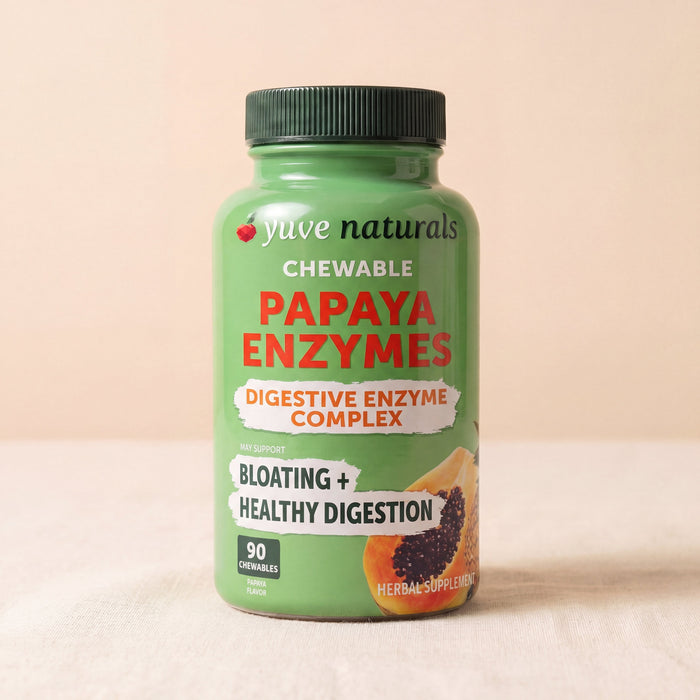
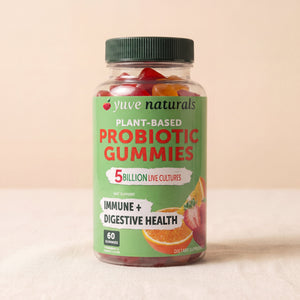
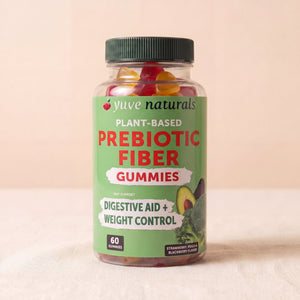
For a gut-first approach, Yuve offers plant-based formulations that are positioned around digestion, immunity, and energy support. Its product range includes probiotics, prebiotics, herbal blends, and a vegan B-complex, so the relevant question is still the same one we've used throughout this guide: does the specific product fit your symptoms, diet, and clinical needs?
Run this checklist before checkout:
- Certification: Confirm that the vegan claim is supported by a recognizable certification or clear manufacturer documentation.
- Dosage transparency: Make sure each active ingredient has a stated amount.
- Allergen disclosure: Check the full label, not only the front panel.
- Testing standards: Look for accessible information about identity, purity, and batch testing.
- Purpose match: Choose a product for a defined need, not because it contains the largest ingredient list.
A clean label can reduce unwanted ingredients and make a formula easier to understand. It can't tell you whether iron, B12, vitamin D, magnesium, or CoQ10 is appropriate for your fatigue. That decision still belongs to the symptom pattern, test results, and professional context.
When to Skip the Stack and See a Doctor Instead
Persistent fatigue isn't a shopping problem. If you've been tired for more than four weeks despite improving sleep, hydration, meals, and routine, book a medical evaluation rather than adding another bottle.
Seek prompt medical guidance if fatigue comes with unexplained weight changes, shortness of breath, chest tightness, brain fog that disrupts work, persistent low mood, swollen lymph nodes, menstrual changes, or a post-viral crash. These combinations can point beyond a simple nutrient gap, and self-treatment may delay the care you need.

Ask for a root-cause review
A clinician may consider a panel that includes:
- CBC: Looks for anemia and changes in blood cells.
- Ferritin and iron studies: Assess iron stores and iron handling.
- TSH and free T3 or T4: Evaluate thyroid function.
- 25-OH vitamin D: Checks vitamin D status.
- B12 with folate: Helps assess deficiencies that can contribute to fatigue and blood-cell changes.
- hs-CRP: Provides context about inflammation.
- HbA1c: Assesses longer-term blood glucose patterns.
- Basic metabolic panel: Reviews electrolytes, kidney function, and other metabolic clues.
The exact tests depend on your history. Tell the clinician about restrictive diets, heavy periods, digestive symptoms, recent infections, sleep concerns, prescriptions, and every supplement you take.
Iron deserves particular caution. It can help when iron deficiency is present, but taking it blindly can cause side effects and obscure the underlying issue. The same diagnosis-first principle applies to B12 and thyroid treatment. A supplement can be useful while still being the wrong tool for your specific fatigue.
If your symptoms are complex or long-lasting, a clinician who takes a broader systems-based approach may be useful. This overview of functional medicine for chronic fatigue describes one clinical pathway readers may explore, while a primary-care clinician remains an appropriate starting point for many people.
Bring these questions to your appointment:
- Which causes of fatigue fit my symptoms and medical history?
- Which tests should come first?
- Could any medication or supplement be contributing?
- When should we repeat testing?
- What result would justify stopping or changing a supplement?
The best supplements for fatigue aren't the ones with the loudest promises. They're the ones that match a documented need, fit your diet and health context, and sit inside a plan that includes proper medical evaluation.
Yuve offers plant-based gut-health and energy-support products, including vegan formulations that can fit a clean-label routine when they match your individual needs. Visit Yuve to explore the range, review the ingredient details, and choose your next step with a diagnosis-first mindset.