Bloating caused mainly by carbonation often begins during or soon after the drink and eases within minutes to several hours as gas is belched or moves through the intestines. An exact cutoff has not been established. Symptoms lasting into the next day, recurring without fizzy drinks, or accompanied by pain or bowel changes may have another cause.
How did we evaluate carbonation-related bloating?
We reviewed gastrointestinal physiology, National Institute of Diabetes and Digestive and Kidney Diseases guidance, human studies of carbonated water, and the American Gastroenterological Association’s expert review on belching, bloating, and distention. Controlled studies and clinical guidance received more weight than detox claims, social-media timelines, or assumptions that every carbonated drink behaves identically. We separated carbon dioxide gas from other drink components, including fructose, lactose, sugar alcohols, caffeine, and a large meal, because those exposures can produce different symptom timelines. We also distinguished the feeling of bloating from visible abdominal distention; they can occur together, but they are not interchangeable. Research describes mechanisms and triggers more clearly than it defines a universal clearance time after one drink. The minutes-to-hours estimate is therefore a practical range based on gas movement, not a promise that every person should feel normal by a specific hour.
How long does bloating from carbonation usually last?
When carbon dioxide is the main trigger, pressure often peaks during the drink or within the next hour and then declines over the next few hours. Much of the swallowed or released gas leaves through belching; gas that moves into the intestine can take longer to pass. The NIDDK gas overview identifies fizzy drinks as a source of swallowed air and explains that gas symptoms include belching, bloating, distention, and flatulence. No clinical guideline assigns one normal duration after a can or glass. Volume, drinking speed, meal size, constipation, gastric sensitivity, and drink ingredients all change the experience. A small plain sparkling water consumed slowly may settle quickly, while a large sweetened drink with a meal can create symptoms that outlast the carbonation itself. Repeated symptoms into the next day suggest examining more than bubbles alone.
Why does a fizzy drink make the abdomen feel full?
Carbonated liquid releases dissolved carbon dioxide as pressure and temperature change in the stomach. That gas can stretch the upper stomach and trigger fullness, pressure, or belching before it exits upward or continues through the digestive tract. A small crossover trial in eight healthy volunteers found that carbonated water changed how a meal was distributed within the stomach but did not change overall gastric emptying; the authors linked the distribution difference to proximal gastric distention. The sample was tiny, so it explains a plausible mechanism rather than predicting symptom duration for everyone. Perception also matters. The American Gastroenterological Association notes that bloating may involve visceral sensitivity, motility, constipation, and abdominal-wall responses, not merely an excessive quantity of gas. Two people can drink the same volume and report different pressure. Carbonation therefore creates a mechanical trigger, while the gut and nervous system determine how strongly that trigger is felt.
What can make carbonation bloating last longer?
Large drink volume, fast drinking, straws, chewing gum, and talking while drinking can increase swallowed air. A large or high-fat meal may add prolonged fullness, while constipation can slow gas transit. Sweetened fizzy drinks create a second pathway: fructose, lactose in a mixed beverage, or sugar alcohols such as sorbitol, mannitol, xylitol, erythritol, and maltitol may reach the colon and be fermented by microbes. NIDDK’s diet guidance for gas recommends considering fizzy drinks, drinking speed, meal size, high-fructose corn syrup, and “-ol” sweeteners when symptoms recur. Functional dyspepsia, irritable bowel syndrome, reflux, constipation, or heightened visceral sensitivity can amplify the same drink. One episode cannot identify those conditions. Track the exact beverage, amount, ingredients, meal, symptom start, and symptom end; a repeatable pattern is more informative than assuming every delayed symptom comes from residual carbon dioxide.
How can you tell whether bubbles or another ingredient caused it?
Compare one variable at a time. Plain still water versus plain sparkling water tests carbonation more cleanly than comparing sparkling water with a sweetened soda. A reaction that begins while drinking and improves after belching points toward upper-gut gas and distention. Symptoms that appear hours later with diarrhea or marked flatulence may fit a poorly absorbed carbohydrate or sweetener, although timing alone cannot prove the cause. A large meal can create fullness independently, and constipation can extend abdominal pressure. Best for testing bubbles: use the same unsweetened beverage volume, once still and once carbonated, on different days. Best for testing additives: compare labels for fructose, lactose, and sugar alcohols. Best for frequent or severe symptoms: review the pattern with a clinician rather than running repeated challenges. The table organizes hypotheses; it does not diagnose the source.
| Pattern | Possible contributor | Typical clue | Clean comparison |
|---|---|---|---|
| Immediate pressure and belching | Carbon dioxide and swallowed air | Starts during or soon after drinking | Still water versus plain sparkling water |
| Delayed gas or loose stool | Fructose or sugar alcohols | Ingredient-dependent and later onset | Unsweetened versus sweetened fizzy drink |
| Long fullness after a meal | Meal volume or fat | Tracks meal size more than bubbles | Same meal without carbonation |
| Pressure with infrequent stool | Constipation | Persists beyond one beverage | Track bowel pattern and drink exposure |
What can help carbonation bloating settle?
Stop adding more carbonated drinks for the rest of the episode and switch to a still beverage that fits your hydration needs. Drink slowly, avoid a straw, and remain comfortably upright so belching can occur naturally. Gentle movement may feel better than lying flat for some people, but evidence does not support a guaranteed gas-clearing routine or exact countdown. Avoid stacking several remedies at once because the result becomes impossible to interpret. If sweeteners or a large meal may be involved, record those details rather than blaming bubbles automatically. For prevention, choose a smaller serving, let a drink lose some fizz, consume it more slowly, or compare it with still water. Recurrent bloating merits a food-and-symptom diary. NIDDK advises clinicians may use that diary to identify whether specific foods, drinks, or habits align with symptoms. Severe discomfort, vomiting, or inability to pass stool or gas requires medical assessment rather than another home experiment.
Should you use a digestive supplement for carbonation bloating?
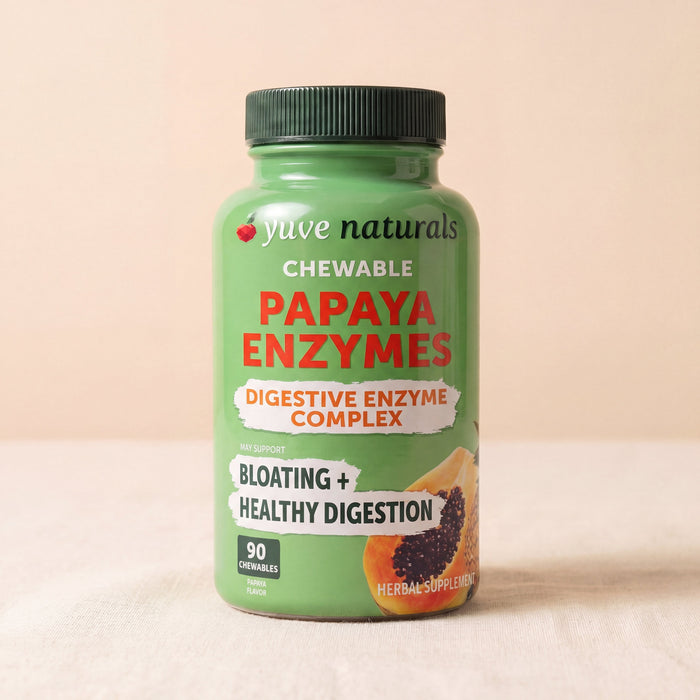
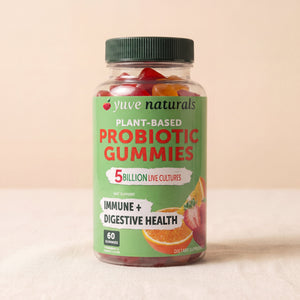
Commercial disclosure: Yuve publishes this article and sells the products linked below. That relationship does not make a supplement appropriate for trapped carbon dioxide. The AGA expert review states that probiotics should not be used to treat abdominal bloating or distention, and no Yuve product is positioned here as an acute fix for fizzy-drink pressure. Yuve Vegan Probiotic Gummies contain 5 billion CFU of Bacillus coagulans per two-gummy serving and 3 grams of sugar alcohol; the current label does not show an alphanumeric strain code, and sugar alcohol can itself affect gas tolerance. Best for immediate carbonation pressure: time, fewer bubbles, and careful observation. Best for comparing ongoing digestive formats: the Yuve digestion collection, reviewed with label ingredients and personal tolerance in mind. Persistent symptoms need cause-specific evaluation, not automatic supplement escalation for this symptom.
When does bloating after a fizzy drink need medical attention?
Talk with a clinician when bloating changes suddenly, happens frequently, disrupts daily life, or occurs with abdominal pain, constipation, diarrhea, or unintended weight loss. Seek prompt care for severe or constant pain, repeated vomiting, blood in vomit or stool, black stool, difficulty swallowing, chest symptoms, fever, dehydration, marked abdominal swelling, or inability to pass stool or gas. Long-lasting distention should not be assigned to one beverage without evaluation. The NIDDK indigestion guidance lists frequent vomiting, gastrointestinal bleeding, severe constant abdominal pain, long-lasting swelling, unintentional weight loss, and black stool among reasons for medical care. A clinician may assess diet, medicines, constipation, carbohydrate intolerance, reflux, functional dyspepsia, or other conditions. The purpose of an alarm list is not to make ordinary post-drink gas frightening; it identifies situations where waiting for bubbles to pass is the wrong plan.
What are common questions about carbonation and bloating?
Can one sparkling drink cause next-day bloating?
It can coincide with next-day symptoms, but carbon dioxide alone is less likely to explain a full day. Sweeteners, meal size, constipation, or another digestive issue may be contributing.
Does burping mean the gas is leaving?
Yes, belching releases stomach gas through the mouth. Symptoms can remain if gas, meal volume, or another trigger is still present.
Is sparkling water less bloating than soda?
Plain sparkling water removes sugar and sweeteners from the comparison, but it still contains carbon dioxide. Individual response depends on volume, speed, and sensitivity.
Does letting a drink go flat help?
Less dissolved carbon dioxide should reduce the bubble load. It does not remove fructose, caffeine, acids, or sugar alcohols.
Can carbonation permanently stretch the stomach?
An ordinary serving causes temporary distention, not evidence of permanent stretching. Recurrent visible swelling needs a broader clinical assessment.
Should probiotics be used for fizzy-drink bloating?
No probiotic has been established as an acute carbon-dioxide remedy. Match any supplement decision to a defined goal and strain-specific evidence instead.