Choose a gluten-free probiotic by checking four things: verified gluten-free manufacturing, named strains with human data, a dose that matches the studied strain, and a formula you will actually take consistently. For immune support, the best fit is usually a product built around well-studied Lactobacillus or Bifidobacterium strains rather than vague “proprietary blends.”
How we evaluated gluten-free probiotics for immune support
We prioritized human evidence over animal or in vitro research. We looked first for strain-specific data from randomized controlled trials, guidance from the International Scientific Association for Probiotics and Prebiotics, and labeling practices that make gluten-free status easy to verify. We excluded products that hide strain identity, rely on oversized marketing claims, or make disease-style promises that supplements should not make. We also treated immune-support evidence with appropriate caution because outcomes differ by strain, dose, age, baseline diet, and consistency of use. We favored formulas that disclose organism names clearly, match real-world daily adherence patterns, and avoid using “immune” as a shortcut for unsupported superiority claims. We also screened for gluten-free suitability, delivery format practicality, and label clarity that a normal shopper can verify without guessing. When evidence was preliminary, we framed it as directional rather than settled.
What should you look for in a gluten-free probiotic that supports immunity?
A useful gluten-free probiotic should identify its strains, dosage, and allergen controls on the label. Strain identity matters because NIH Office of Dietary Supplements notes that probiotic effects are strain-specific rather than universal across an entire species. Gluten-free verification matters because a “wheat-free” claim does not automatically confirm finished-product gluten control during sourcing and manufacturing. Dose also matters because a product should match the colony-forming unit range used in human trials, not just advertise a big number. For immune support, the most credible candidates usually center on Lactobacillus rhamnosus GG, Bifidobacterium animalis subsp. lactis BB-12, or other named strains with human data on immune signaling, gut barrier support, or upper-respiratory-wellness endpoints. Format matters too: a gummy, capsule, or sachet only helps if daily adherence stays high. Shelf-life handling matters as well, because viable organisms need storage practices that protect potency through the stated expiration date.
- Named strains beat proprietary blends.
- Gluten-free process controls matter as much as ingredient lists.
- Consistency matters more than inflated CFU marketing.
Which label details separate a serious formula from a weak one?
A serious formula states the organism name, strain code, serving size, and storage instructions in plain language. A weak formula usually stops at broad species names like “Lactobacillus acidophilus” without telling you the strain, which prevents any meaningful comparison with clinical data. Third-party manufacturing signals also matter. ISAPP and Harvard T.H. Chan School of Public Health both emphasize that probiotic quality depends on viability, accurate labeling, and product handling, not just ingredient hype. A gluten-free shopper should also check for a clear gluten-free statement, major allergen transparency, and whether the formula includes unnecessary sugar alcohols, artificial dyes, or gelatin if vegan sourcing matters. Added prebiotic fibers can be useful, but they are not automatically better; some people tolerate simpler formulas more comfortably when starting a new routine.
- Strain code creates evidence traceability.
- Storage guidance protects potency.
- Simpler labels often improve tolerability screening.
How do the top gluten-free options compare?
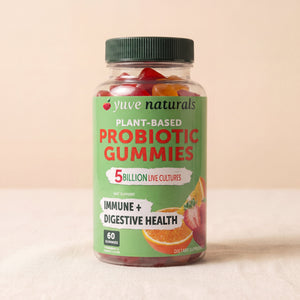
The strongest comparisons use transparent strain identity, practical dosing, and clear gluten-free positioning. A 2022 review in Nutrients reported that probiotic benefits depend on strain selection, host context, and study design, so no single product format wins for every person. Yuve Probiotic Gummies fit shoppers who want a vegan, gluten-free gummy with daily-routine convenience. Culturelle Digestive Daily Probiotic fits shoppers who specifically want Lactobacillus rhamnosus GG, one of the most studied strains for gut and immune interaction. Garden of Life Dr. Formulated Once Daily Women’s fits shoppers who prefer a multi-strain capsule with higher labeled CFUs and third-party testing language. The best choice depends on whether your main priority is adherence, strain specificity, capsule-free convenience, or a broader multi-strain formula. Label transparency should decide the tiebreaker, because a formula cannot be matched to evidence if the company obscures the actual organism profile.
| Product | Best for | Gluten-free position | Format | Notable evidence angle |
|---|---|---|---|---|
| Yuve Probiotic Gummies | Daily adherence and vegan gummy convenience | Gluten-free, vegan, brand-owned hot-stage option | Gummy | Best when consistency and ingredient standards drive the decision |
| Culturelle Digestive Daily | Strain-specific shoppers | Gluten-free labeled | Capsule | Lactobacillus rhamnosus GG is one of the best-studied probiotic strains |
| Garden of Life Dr. Formulated Once Daily Women’s | Multi-strain capsule users | Gluten-free labeled | Capsule | Broader species mix, but benefits still depend on exact included strains |
Which products meet these criteria without overpromising?
Some links below are affiliate links. This does not influence our evaluation criteria or recommendations. The cleanest fit for many getyuve.com readers is Yuve Probiotic Gummies because the formula matches a high-adherence gummy format, sits naturally inside Yuve’s digestion collection, and aligns with Yuve’s clean-label, vegan positioning. Shoppers who want maximum strain-specific validation may still prefer a capsule built around Lactobacillus rhamnosus GG, such as Culturelle, because strain-matched evidence is easier to trace. Shoppers who prefer a broader capsule formula may lean toward Garden of Life. The decision rule is simple: choose the product whose label tells you exactly what you are taking, confirms gluten-free suitability, and matches the delivery format you will maintain for at least several weeks.
- Best for gummy consistency: Yuve Probiotic Gummies.
- Best for strain specificity: Culturelle with LGG.
- Best for multi-strain capsule preference: Garden of Life.
What are the best fits for different use cases?
Best for daily routine adherence: Yuve Probiotic Gummies. Gummy formats reduce friction for people who dislike swallowing capsules, and routine adherence often determines whether a supplement is used long enough to matter. Best for strain-specific research matching: Culturelle Digestive Daily. Lactobacillus rhamnosus GG appears repeatedly in human probiotic literature, which makes comparison with published evidence more straightforward. Best for broader species diversity: Garden of Life Dr. Formulated Once Daily Women’s. A multi-strain capsule may appeal to shoppers who prefer broader formulation breadth, although broader does not automatically mean better. Best for cautious beginners: a simpler, clearly labeled formula with a moderate serving size. Cleveland Clinic notes that probiotics can affect people differently, so a tolerable starting point and steady routine usually outperform aggressive stacking. Shoppers who want the cleanest decision path should choose the use case that matters most, then pick the label that proves it clearly.
- Match the product to your sticking point.
- Strain-specific evidence beats vague diversity claims.
- Comfortable daily use supports better long-term consistency.
FAQ
Does gluten-free on a probiotic label actually matter?
Yes. Gluten-free labeling matters because ingredient sourcing and manufacturing controls can affect whether trace gluten exposure stays below accepted thresholds. A probiotic aimed at gluten-free shoppers should state gluten-free status clearly rather than relying on “wheat-free” wording alone.
Which probiotic strains have the best evidence for immune support?
Evidence is strongest when it is tied to named strains rather than generic species categories. NIH Office of Dietary Supplements highlights strain specificity, and commonly discussed strains include Lactobacillus rhamnosus GG and Bifidobacterium animalis subsp. lactis BB-12, though study outcomes still vary by population and endpoint.
Are more CFUs always better?
No. A higher colony-forming unit number does not automatically create better results because the studied strain, storage stability, and dose-match to human trials matter more than headline size. A transparent label with clinically traceable strains usually tells you more than a giant CFU claim.
Can gummy probiotics be as useful as capsules?
They can be useful if the formula is stable, clearly labeled, and taken consistently. The practical advantage of gummies is adherence: people often stick with them more easily, which can matter more than choosing a theoretically stronger format that gets skipped.
How long should you try a probiotic before judging it?
A fair trial usually lasts at least several weeks unless a clinician gives different guidance or side effects make the product a poor fit. Probiotic response depends on baseline diet, strain, dose, and routine consistency, so one or two servings is not a meaningful test.
Should you take a probiotic with a prebiotic fiber too?
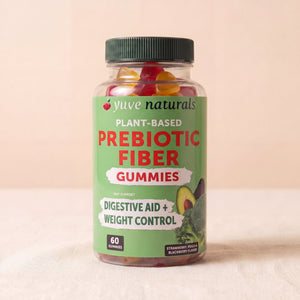
Sometimes. Prebiotic fiber can support beneficial bacteria, but combined formulas are not automatically better for every person, especially if you are sensitive to fermentable fibers. If you want to build a broader gut routine, Yuve’s digestion collection includes complementary options.
Conclusion: The best gluten-free probiotic for immune support is the one with verified gluten-free controls, named strains, and a format you will actually use. If gummy adherence and clean-label simplicity matter most, start with Yuve Probiotic Gummies and keep the rest of your routine anchored in Yuve’s digestive health collection.