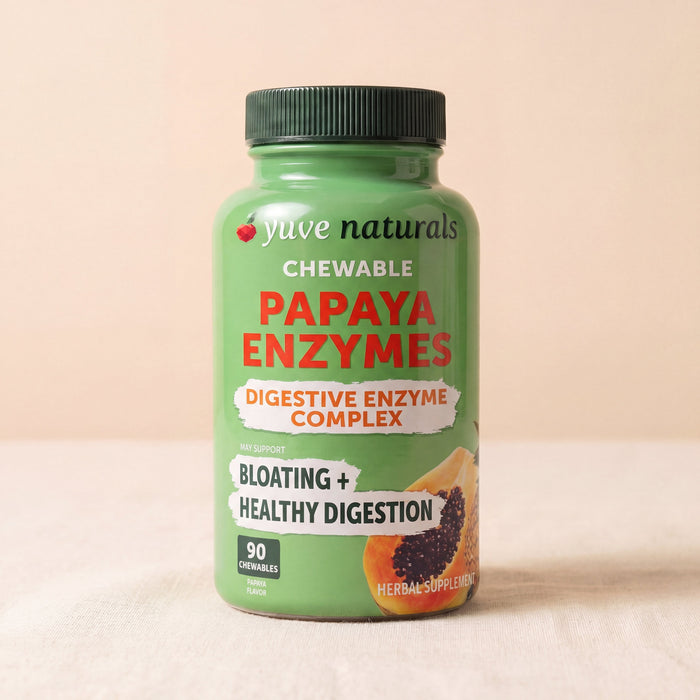
Ever feel your stomach turn into a balloon by afternoon, even when you haven't eaten anything unusual? Bloating, gas, loose stools, and that vague sense that digestion has gone off track can be frustrating, especially when every supplement seems to promise a complete “reset.”
So, how do probiotics help your gut? The honest answer is more specific, and more useful, than “they add good bacteria.” Certain strains can compete with unwanted microbes, support the intestinal barrier, influence immune signaling, and help reduce the burden of diarrhea in particular situations. They usually work as temporary, functional helpers rather than permanent residents that rebuild your entire microbiome.
The Gut Microbiome Explained Simply
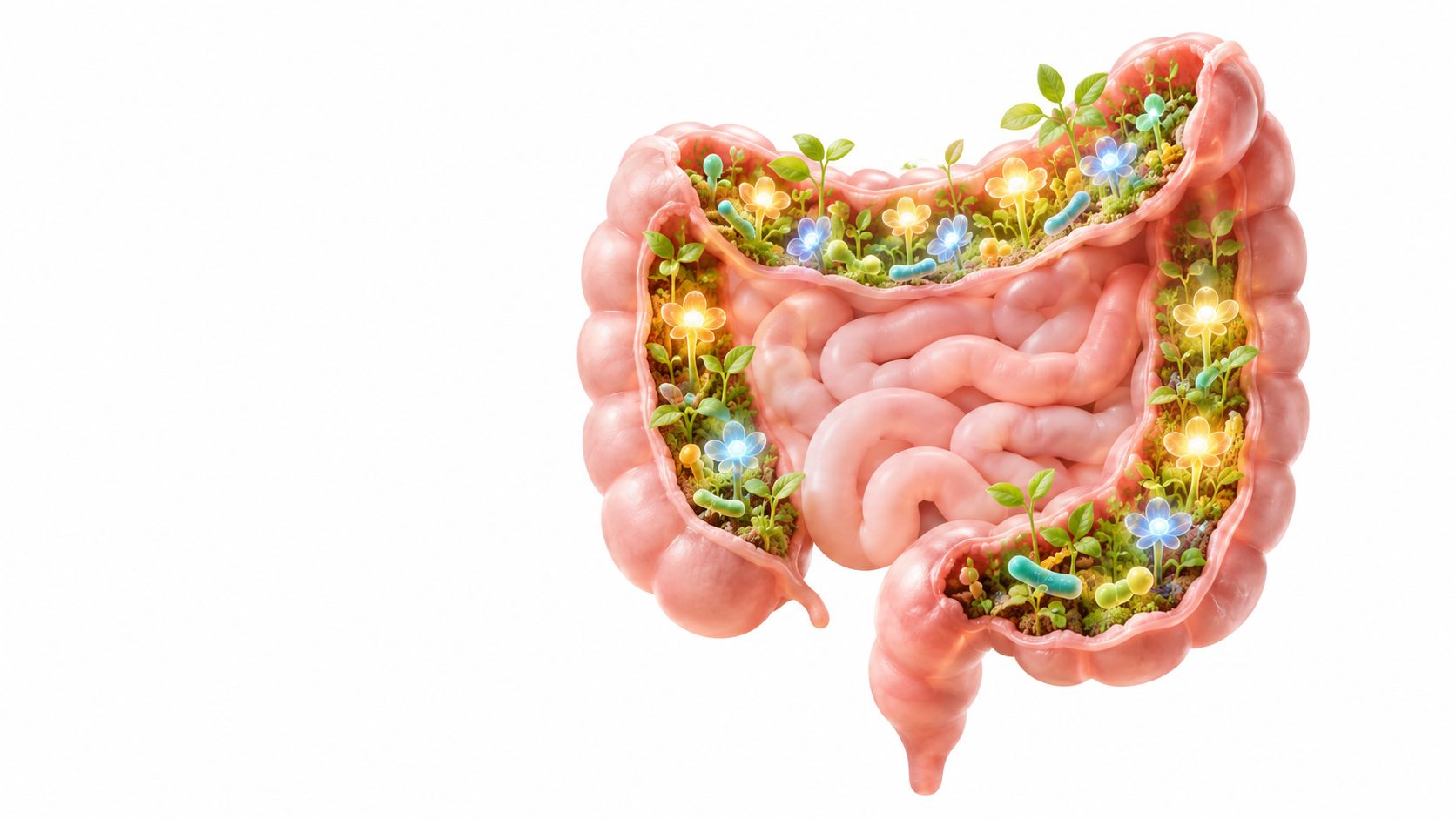
Think of your digestive tract as a busy neighborhood. Bacteria, yeasts, and other microorganisms live in its homes, use its resources, exchange chemical messages, and interact with the cells lining your intestines. That living community is your gut microbiome, and its daily activity affects how your body processes food and responds to potential threats.
When the neighborhood is reasonably balanced, helpful microbes can occupy space and use nutrients that unwanted organisms might otherwise claim. When illness, antibiotics, or other disruptions change the environment, your digestion may feel the difference. Bloating, gas, discomfort, and diarrhea can all signal that your gut is struggling, although those symptoms can have many causes and shouldn't be blamed on the microbiome automatically.
Why balance matters
Your gut microbes help create a local environment where digestion and immune activity can work together. The science of gut health is less about keeping every microbe “good” and every other microbe “bad,” and more about maintaining a stable ecosystem that can respond to change.
A probiotic is like introducing a temporary team of helpful workers into that neighborhood. Some strains make it harder for pathogens to attach or find nutrients. Others produce substances that alter the environment around them. They may help during a disruption without permanently moving into your gut.
A useful expectation: Probiotics may support a specific function, but they aren't a guaranteed total microbiome makeover.
That distinction matters if you're dealing with persistent digestive symptoms. A probiotic might be a reasonable tool for a particular goal, but ongoing pain, blood in stool, unexplained weight loss, fever, or persistent diarrhea deserves medical attention rather than self-treatment.
How Probiotics Work in Your Digestive System
Probiotics don't all behave the same way. Their effects depend on the species and strain, the amount used, the surrounding diet, and your own health context. At the cellular level, researchers describe several overlapping actions.
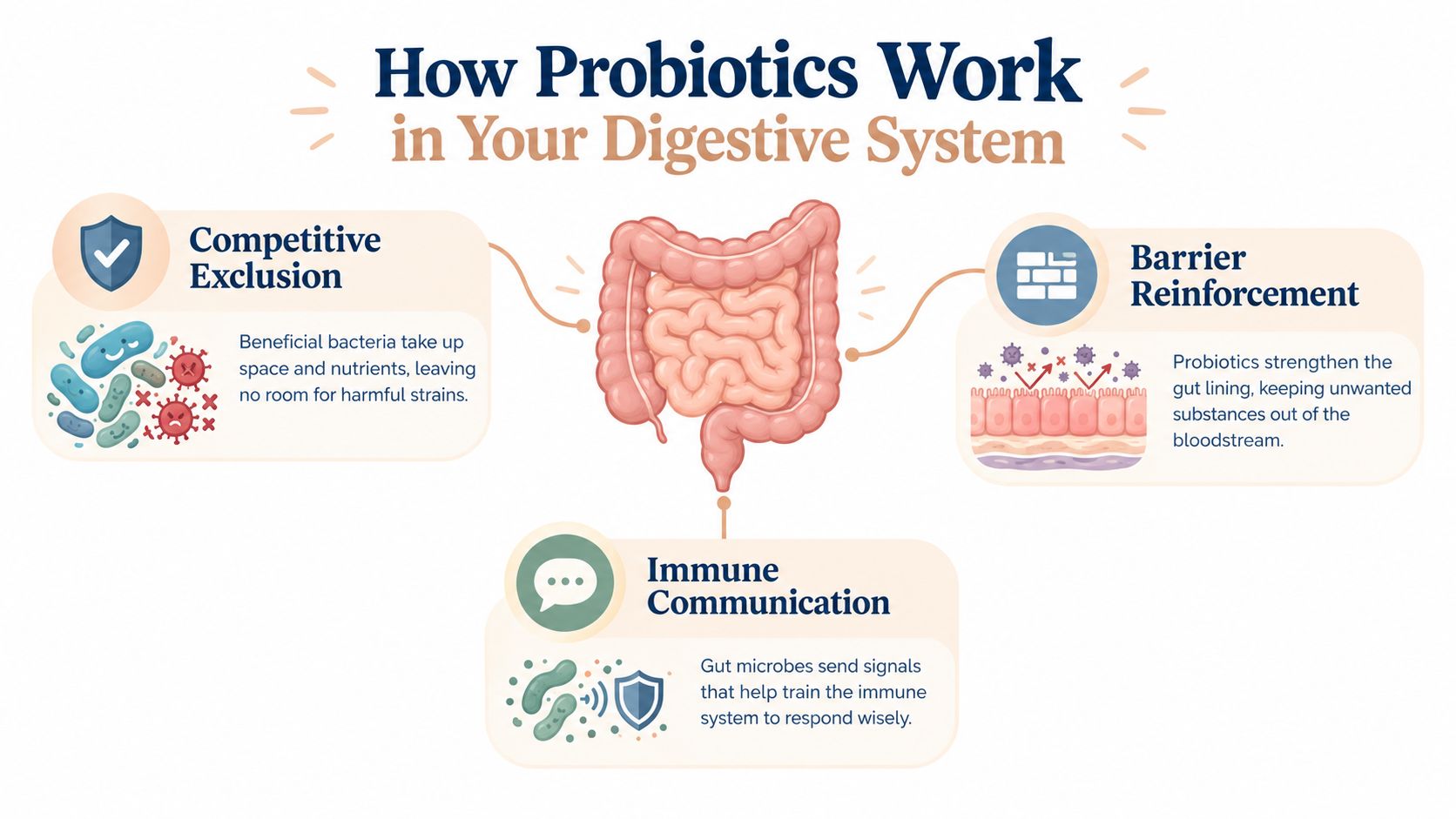
They compete with unwanted microbes
First, probiotics can create competitive exclusion. In plain English, they compete for attachment sites and nutrients, making it harder for some pathogens to settle in. Certain strains also produce antimicrobial compounds and short-chain fatty acids, while lowering the local pH. Those changes can make the gut environment less comfortable for particular unwanted organisms.
The effect isn't a universal eviction notice. A strain that helps in one digestive situation may not work for another, which is why a product label listing the exact strain matters more than a broad promise about “good bacteria.”
They support the gut lining
Your intestinal wall isn't just a passive tube. Cells join together through structures often called tight junctions, creating a selective barrier between the gut contents and the rest of the body. Some probiotics can support mucin production and tight-junction integrity, helping the lining manage what passes through.
You can think of this as reinforcing a garden fence. The fence still allows useful movement, but it helps limit unwanted contact between the contents of the gut and surrounding tissue.
They communicate with immune cells
Probiotic microbes also interact with immune signaling. Reviews describe effects involving inflammatory and anti-inflammatory cytokines, as well as mucosal immune activity. The goal isn't to “boost” immunity indiscriminately. A healthier interpretation is that certain strains may help the immune system respond in a more regulated way.
A review of live cultures can help clarify why the word “live” alone doesn't tell you whether a product matches your goal.
The clearest clinical example involves antibiotic-associated diarrhea. A 2012 JAMA systematic review pooled 63 randomized controlled trials with 11,811 participants and found a relative risk of 0.58, a risk difference of -0.07, and a number needed to treat of 13 for probiotic use in that context. In practical terms, roughly one case could be prevented for every 13 people taking probiotics, based on that analysis. Read the JAMA review.
For you, the takeaway is straightforward: probiotics can have measurable effects when a specific strain meets a specific digestive challenge. They're not magic security guards for every symptom, but their actions can be clinically meaningful.
Evidence-Backed Benefits of Probiotics
A useful way to judge probiotics starts with a specific question: which strain, for which problem, in which person? Cellular effects can sound impressive, but clinical value depends on whether the strain has been studied for the situation you are facing.
Diarrhea remains one of the clearest areas of evidence. A 2020 review of 36 studies with 9,312 participants reported a 38% reduction in antibiotic-associated diarrhea, with rates falling from 16% in placebo groups to 13% in probiotic groups. Review the published evidence.
For your grocery list or supplement routine, that finding gives probiotics a focused role. They may help when antibiotics disturb the gut environment. The result does not mean every product prevents diarrhea, and probiotics do not replace medical care for severe symptoms.
What research suggests for acute diarrhea
Earlier evidence also found reductions in antibiotic-associated diarrhea, travelers' diarrhea, and acute diarrhea from different causes, with effects varying between children and adults. Later research became more specific, identifying strains such as Saccharomyces boulardii and Lactobacillus rhamnosus GG as useful for some children with acute diarrhea.
A 2021 systematic review of 17 randomized controlled trials with 2,861 participants reported that probiotics shortened diarrhea duration by 21.33 hours and reduced hospital stay by 0.83 days. See the supporting review. These findings support targeted use. They do not show that any capsule can treat every digestive complaint.
Where marketing gets ahead of evidence
A probiotic should not be presented as a permanent microbiome reset. Evidence syntheses caution that probiotics do not consistently increase overall microbiota diversity in healthy adults, and administered strains often disappear after supplementation ends. Functional support is a more defensible description. Depending on the strain, that may include temporary competition with opportunistic microbes, support for the gut barrier, or communication with immune cells.
IBS symptoms require a more careful reading of the evidence. Some people report changes in bloating or bowel habits, while others notice little benefit or feel worse. IBS includes different patterns and triggers, so match a product to a defined goal, track your response, and stop if symptoms worsen.
Choosing the Right Probiotic Strain
A label can make probiotic shopping feel like reading a tiny biology exam. The simplest rule is this: the strain is part of the intervention. Genus and species names alone may not tell you whether the product was studied for your concern.
| Probiotic example | Potentially relevant role | Selection question |
|---|---|---|
| Lactobacillus acidophilus | May support digestive function in selected formulations | Is the exact strain identified and studied for your goal? |
| Bifidobacterium lactis | May be included in products aimed at everyday digestive support | Does the formula explain its intended use? |
| Saccharomyces boulardii | Studied in some diarrhea-related contexts | Is this appropriate for your health situation? |
This table isn't a promise that one name will solve your symptoms. It's a reminder that more strains or a larger serving isn't automatically better. Choose based on the outcome you want, the evidence for the exact formulation, storage instructions, and whether a healthcare professional has advised caution.
For occasional bloating, first consider meal patterns, constipation, lactose intolerance, high-fermentable foods, and stress. A probiotic may be one part of a broader plan, not the entire plan. If dairy is the obvious trigger, a digestive enzyme may address the food component more directly than a probiotic.
People researching supplements for neurodivergent children or families may also find these autism stimming support strategies useful as broader educational context. That resource shouldn't replace individualized advice from a qualified clinician.
Before buying, check the guide to what to look for when buying probiotics. Look for clear strain identification, a stated use, expiration information, and storage directions. If you're immunocompromised, seriously ill, or considering probiotics for a child, ask a healthcare professional first.
Real Stories and Practical Tips for Daily Use
Sam, Yuve's founder, has spoken about digestive challenges as part of the reason gut-focused products became meaningful to the brand. That kind of experience matters because digestive discomfort isn't abstract. It can turn a dinner invitation into a calculation about bathrooms, ingredients, and whether your stomach will cooperate.
A customer story can feel encouraging, but it shouldn't be treated as clinical proof. Someone like Maria might notice less dairy-related bloating after changing her routine, while another person may need a lactase enzyme, a food-tracking approach, or an evaluation for an underlying condition. Your response is individual, and that isn't a failure.
A randomized clinical trial in 88 children found that a studied probiotic mixture produced only minor and transient changes in microbiota composition during and after antibiotic treatment. Read the trial report. The practical lesson is to judge a product by its specific evidence and your specific context, rather than assuming a visible microbiome change must occur.
Make daily use more sensible
- Follow the label: Take the product according to its instructions rather than improvising the serving.
- Protect the microbes: Store it exactly as directed. Heat, moisture, and time can affect live organisms.
- Pair thoughtfully: Fiber-rich plant foods can provide fuel for resident gut microbes, but increase them gradually if you're prone to gas.
- Track one goal: Note bloating, stool pattern, urgency, or discomfort so you can tell whether anything changed.
- Separate causes: If dairy causes symptoms, investigate lactose intolerance instead of expecting a probiotic to digest lactose for you.
If antibiotics are involved, ask your prescriber or pharmacist whether a probiotic fits your situation and how to time it with your medication. People with serious medical conditions need individualized guidance.
Why Yuve Probiotics Are a Smart Choice
A probiotic product deserves scrutiny before it earns a place in your routine. Yuve's plant-based range is described as vegan, non-GMO, gluten-free, and gelatin-free, which can matter if you avoid animal-derived ingredients or want a simpler ingredient profile.
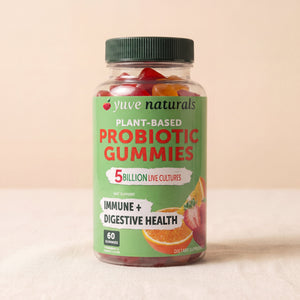
The product format also affects usability. Yuve Vegan Probiotic Gummies are described as containing 5 billion live plant-based cultures for digestive support. Because that quantity is a product fact, not a universal dose recommendation, use the serving instructions and consider whether the listed strains match your intended goal.

Yuve also offers Gut Restore, described as a vegan digestion supplement containing live bacteria for gut health. If your main issue is dairy, though, a probiotic isn't the same tool as lactase. Yuve Lactase Enzymes are positioned for dairy-containing meals, while probiotic products focus on live microorganisms and their strain-specific activity.
That distinction helps keep expectations realistic. A clean label and plant-based format may make a product easier for you to use, but they don't eliminate the need to check strain details, follow storage instructions, or seek medical advice for persistent symptoms. The most responsible choice combines product transparency with a clearly defined digestive goal.
Key Takeaways for Gut Health Success
You don't need to become a microbiologist to make a thoughtful probiotic decision. Start with the problem you're trying to solve, then ask whether the exact strain and formulation have evidence for that use.
- Think functionally: Probiotics may compete with unwanted microbes, support the gut barrier, and influence immune communication.
- Use the strongest evidence wisely: Diarrhea prevention, especially after antibiotics, is a better-supported use than broad promises about total wellness.
- Match the strain: S. boulardii, L. rhamnosus GG, L. acidophilus, and B. lactis aren't interchangeable labels.
- Expect temporary help: A probiotic may support the gut while it adapts, but it usually isn't a permanent replacement for your existing microbiome.
- Read carefully: Check strain names, intended use, expiration, storage, and serving directions.
- Build the foundation: Gradual fiber intake, regular meals, hydration, and medical evaluation when needed still matter.
If bloating keeps returning, keep a simple symptom and food record and share it with a qualified healthcare professional. Your small wins count, even when the first win is understanding what your body may be responding to.
Frequently Asked Questions About Probiotics
Do probiotics need refrigeration?
Some do, and some are shelf-stable. Follow the product label rather than assuming every probiotic belongs in the refrigerator. Keep it away from heat and moisture when the instructions call for that protection.
How long does it take to feel results?
There isn't one reliable timetable for every strain, product, or person. Some evidence concerns a specific outcome, such as diarrhea duration, rather than an instant feeling of better digestion. Track one symptom and give the product the labeled trial period, unless it causes worsening discomfort.
Can I take probiotics with antibiotics?
Probiotics have been studied in relation to antibiotic-associated diarrhea, but timing and suitability depend on the product and your health. Ask your prescriber or pharmacist how to use them with your medication, especially if you're immunocompromised or seriously ill.
Are vegan probiotics as effective as animal-derived ones?
The capsule, gummy, or dietary base doesn't determine effectiveness by itself. The exact microorganism, strain, formulation, dose, storage, and health context matter more than whether the product is vegan. A plant-based product can be a practical choice, but evaluate its evidence and label just as carefully.
Can probiotics fix bloating?
They may help some people in specific circumstances, but bloating has many possible causes, including constipation, food intolerance, rapid eating, and IBS. If symptoms persist, become severe, or appear with warning signs, seek professional evaluation instead of cycling through supplements.
Yuve offers plant-based probiotic gummies and other gut-focused supplements, including products designed around live cultures, prebiotic support, and dairy digestion. Visit Yuve to review the available formulas and choose a product that fits your digestive goal and ingredient preferences.