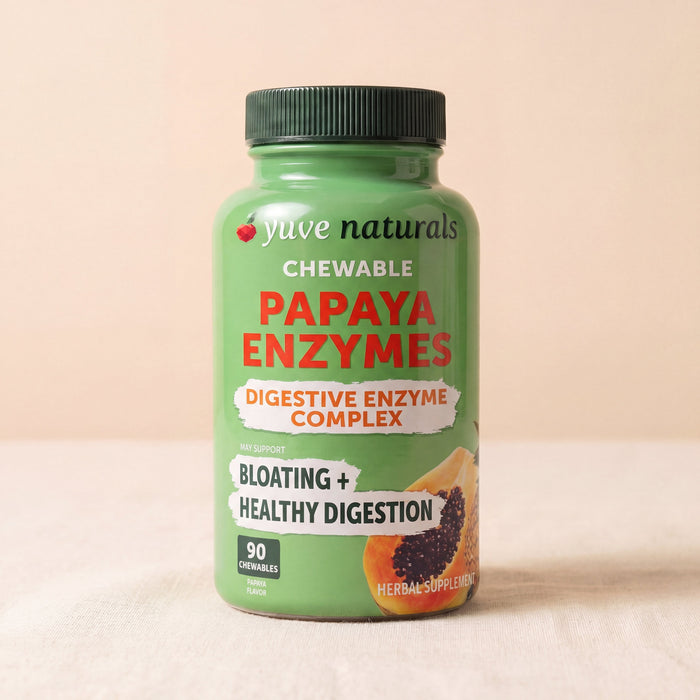
Compare supplement labels by checking identity, dose, serving size, active ingredient form, purity testing, allergen statements, inactive ingredients, and expiration-based potency. A strong label makes the formula verifiable before purchase. A weak label leans on vague claims such as "clean," "premium," or "lab tested" without naming the standard, document, or testing scope.
How did we evaluate supplement label purity and potency?
We evaluated supplement labels by separating three questions: what the ingredient is, how much the serving provides, and how the company supports purity or potency claims. We prioritized FDA dietary supplement labeling guidance, NIH Office of Dietary Supplements consumer education, USP verification criteria, and NSF certification directories over brand marketing pages. We treated third-party certification, current Supplement Facts panels, allergen disclosures, GMP language, and certificate-of-analysis availability as stronger trust signals than front-label lifestyle claims. We excluded disease-treatment claims, influencer rankings, and vague "doctor recommended" language because those claims rarely help shoppers compare label quality. This guide does not claim that one label proves clinical effectiveness. It explains how shoppers can compare identity, purity, potency, excipients, vegan status, expiration dating, manufacturer transparency, and quality documentation before choosing a plant-based supplement with fewer unsupported assumptions.
What should you check first on a Supplement Facts label?
Start with the Supplement Facts panel because it is the most standardized part of the bottle. The panel should show serving size, servings per container, active ingredients, amounts per serving, percent Daily Value when established, and the ingredient form when that form matters. The NIH Office of Dietary Supplements explains that supplements can contain vitamins, minerals, herbs, amino acids, enzymes, probiotics, and other ingredients, so category names alone are not enough. A magnesium label should identify magnesium glycinate, citrate, oxide, or another form. A probiotic label should identify organisms and ideally strains, plus CFU at expiration. A digestive enzyme label should state enzyme activity units when relevant. Yuve shoppers can use the same checklist on gummies, capsules, powders, and chewables: identify the ingredient, dose, form, serving, and intended structure/function support before comparing price.
How do purity, potency, and certification claims differ?
Purity asks whether the product avoids unwanted contaminants, potency asks whether the labeled amount is present, and certification asks whether an outside program verified defined criteria. The FDA dietary supplement overview states that FDA does not approve dietary supplements before sale, so shoppers should not read "FDA registered facility" as product approval. GMP language describes manufacturing controls, not a guarantee that every finished product has third-party certification. USP Verified and NSF Certified for Sport attach stronger meaning because shoppers can search product-level directories. A certificate of analysis can also help when it names the product, lot, test date, laboratory, and analytes such as heavy metals, microbes, pesticides, or potency markers. The practical mistake is treating these phrases as interchangeable. A better comparison separates manufacturing control, finished-product testing, formal certification, and ingredient sourcing into different quality signals.
How do common label claims compare?
Some links below are affiliate links. This does not influence our evaluation criteria or recommendations.
| Label claim | What it can mean | Best verification step | Watchout |
|---|---|---|---|
| Third-party tested | An outside lab reviewed defined quality attributes | Ask what was tested and whether a COA is available | Meaning is weak if the brand does not name the test scope |
| USP Verified | USP reviewed identity, potency, purity, and manufacturing criteria | Search the USP Verified product list | Not all good products participate in USP |
| NSF Certified for Sport | NSF reviewed sports-supplement quality and banned-substance risk | Search the NSF Certified for Sport directory | Most useful for athlete risk control |
| Clean label | Usually simple ingredients or fewer artificial additives | Read inactive ingredients and allergen statements | Not a regulated purity standard |
| Plant-based or vegan | No animal-derived capsule, gelatin, or dairy ingredient by formula | Check capsule/gummy base and allergen language | Does not automatically prove purity or potency |
This table helps compare Yuve labels with competing plant-based labels without forcing every product into the same bucket.
Which label details matter most for plant-based supplements?
Best for identity: a label that names the active ingredient form, organism, enzyme activity, or botanical extract. Best for purity: a label or support team that can explain heavy-metal, microbial, allergen, and contaminant controls. Best for potency: a product that ties its amount to serving size, expiration, and stability testing rather than only manufacture date. Best for vegan fit: pectin gummies, cellulose capsules, dairy-free cultures, and allergen statements that match the shopper's diet. Yuve's digestive health collection gives shoppers a practical place to compare plant-based formats such as probiotic gummies and prebiotic fiber gummies. The same rules apply outside Yuve: a transparent label should make the ingredient, format, serving, sweeteners, allergens, storage instructions, expiration logic, and quality language easy to verify before purchase. If two labels look similar, choose the one that explains more with fewer assumptions.
What label red flags should make you slow down?
Slow down when a supplement label uses strong claims without precise support. "Clinically proven" should name the ingredient, dose, population, and study, not just the category. "Doctor recommended" should explain whose recommendation and what criterion was used. "Lab tested" should identify whether the test covered identity, potency, heavy metals, microbes, pesticides, allergens, or banned substances. "Proprietary blend" can hide individual ingredient amounts, which makes potency comparison harder. "Natural" does not equal safe, vegan, pure, or effective. The USP Verified Mark is product-specific, so a brand cannot borrow trust from one verified product for every item it sells. A shopper should also check expiration date, storage instructions, manufacturer address, supplement form, inactive ingredients, and customer-support access. If the label creates more questions than answers, compare another product before buying or ask the company for documentation.
What questions do shoppers ask about supplement label purity and potency?
Is third-party tested the same as certified?
No. Third-party tested can mean one outside lab test, while certification usually means a program applies defined standards. Always ask what was tested and whether the claim applies to the exact product.
Does FDA approve supplement labels?
No. FDA regulates dietary supplements, but it does not approve supplements before sale. FDA action usually happens through labeling rules, facility oversight, inspections, warnings, and post-market enforcement.
Is a higher dose always better?
No. A higher dose can be unnecessary or poorly tolerated. Compare the dose to the intended use, serving size, upper limits when they exist, and the ingredient form.
Does clean label mean safer?
Not automatically. Clean label usually describes ingredient simplicity or additive choices. It does not replace contaminant testing, allergen clarity, or potency verification.
Should vegan supplements still list allergens?
Yes. Vegan status does not rule out soy, wheat, tree nuts, coconut, or shared-facility risks. Allergen language should be checked separately from plant-based positioning.
What is the easiest label comparison workflow?
Read the Supplement Facts panel, check inactive ingredients, verify quality claims, search certification directories when named, and compare the serving cost. Keep screenshots of labels when comparing multiple products.
What is the bottom line on comparing labels?

The best supplement label is not the loudest label; it is the label that lets a shopper verify identity, dose, purity, potency, inactive ingredients, allergens, expiration, and quality claims quickly. Use the Supplement Facts panel first, then separate GMP, third-party testing, formal certification, clean-label language, and vegan status into different trust categories. For Yuve products, compare the product page, serving size, ingredient list, allergen language, and collection context before buying. For any supplement brand, ask one practical question: can I verify what this product contains and why the quality claim is credible? If the answer is unclear, choose a label with cleaner evidence. A good label reduces guesswork at checkout, supports repeatable comparison across brands, and keeps plant-based shopping grounded in facts rather than slogans. That boring discipline beats chasing the strongest front-label promise.