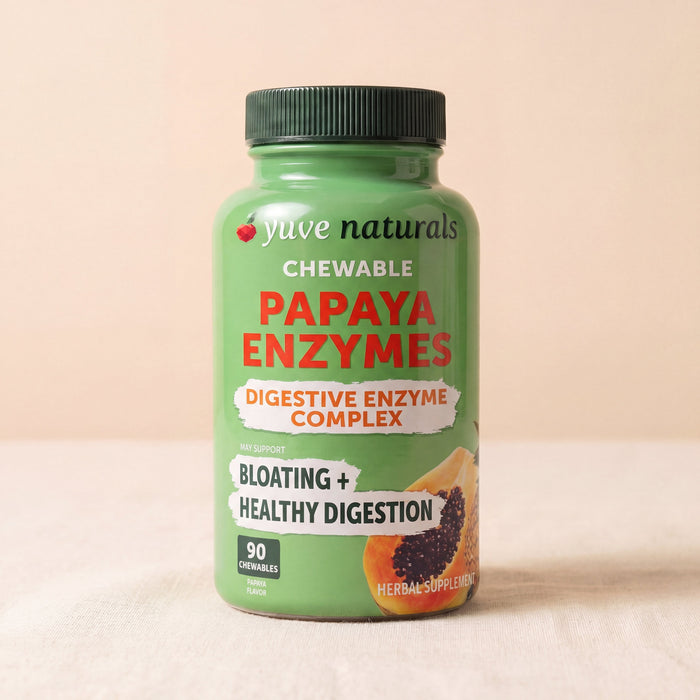
The best time to take supplements depends on the ingredient, the label directions, your meals, and your ability to repeat the routine. Fat-soluble nutrients usually pair with food. Fiber often works best separated from medications. Lactase fits right before dairy. Probiotics, iron, folic acid, and enzymes each have timing details worth checking.
TL;DR
- Take supplements when the label says, then build around meals and habits.
- Fat-soluble nutrients usually pair better with meals that contain fat.
- Fiber can affect medication absorption, so separate timing may matter.
- Lactase works with the first bite or sip of dairy.
- Consistency matters more than perfect morning or evening timing for many routines.
What does supplement timing mean?
Supplement timing means matching a product’s ingredient, format, serving instructions, and tolerance profile to a repeatable moment in the day. Morning timing often works for supplements tied to breakfast, energy routines, or habit stacking. Evening timing often works for products that are easier to remember with dinner or a bedtime routine. Food matters because stomach acidity, dietary fat, fiber, calcium, and caffeine can change how a nutrient or enzyme behaves in the digestive tract.
The NIH Office of Dietary Supplements separates supplement guidance by ingredient because vitamins, minerals, probiotics, botanicals, and enzymes do not follow one universal schedule. A practical timing plan starts with the Supplement Facts panel, serving size, warning statements, and medication spacing instructions. If a product causes nausea on an empty stomach, taking it with food may support comfort. For a broader habit framework, see Yuve’s guide to building a supplement routine you can actually keep.
How does timing affect absorption and routine consistency?
Timing affects supplements through absorption, digestive tolerance, and memory cues. Fat-soluble vitamins such as vitamins A, D, E, and K need bile and dietary fat for normal absorption, so a meal containing fat is usually a practical anchor. Minerals such as iron can interact with calcium, coffee, tea, and some medications, so label directions and professional guidance matter. Fiber supplements add another variable because soluble fibers can slow gastric emptying and affect how other substances move through the gut.

Human evidence is ingredient-specific. A randomized trial indexed in PubMed found that vitamin D absorption was higher when vitamin D was taken with the largest meal, although that does not prove the same timing rule for every person or product (PubMed). Routine design also matters. A supplement taken at the “optimal” time only helps a routine if the timing is realistic enough to repeat.
What are the practical benefits of a timing plan?
A timing plan supports consistency, comfort, and fewer avoidable ingredient conflicts. The benefit is not that every supplement needs a perfect clock time. The benefit is that probiotics, fiber, iron, folic acid, lactase, bromelain, and daily gummies each get a sensible place in the day. A simple plan also reduces skipped servings because breakfast, lunch, dinner, and toothbrushing already act as memory anchors.
Practical examples help. A probiotic gummy can live with breakfast if the label allows food. A prebiotic fiber gummy can fit at a consistent time that leaves space from medications when needed. Lactase belongs with dairy because the enzyme helps break down lactose in the meal. The FDA explains that dietary supplements are regulated as a category distinct from conventional foods and drugs, so consumers should read labels carefully rather than assume identical timing across brands. For memory support, Yuve’s guide on how to remember to take supplements gives routine-based cues.
How should you choose the best time for each supplement?
Choose supplement timing by working through the label, ingredient category, food tolerance, medication spacing, and your most reliable daily anchor. The label comes first because serving size, “take with food,” “take before a meal,” and caution statements are product-specific. Food comes second because some nutrients feel gentler with meals, while certain enzymes are designed to be used close to the food they help digest.
Use this checklist before building a morning or evening routine:
- Confirm the serving size and timing language on the Supplement Facts label.
- Pair fat-soluble vitamins with a meal that contains fat.
- Separate fiber from medications unless a clinician gives different guidance.
- Take lactase with the first bite or sip of dairy.
- Ask a professional about iron, pregnancy supplements, anticoagulants, or prescriptions.
- Choose a time you can repeat at least five days per week.
For plant-based options, Yuve Whole Food Iron, Vegan Probiotic Gummies, and Vegan Prebiotic Fiber Gummies can fit different routine anchors based on their labels.
What should you watch for on supplement labels?
Supplement labels deserve close attention because timing instructions, allergen statements, nutrient amounts, and caution language can change how a product fits your day. Iron labels may mention food, spacing, or sensitive stomach guidance. Folic acid or folate products may matter during pregnancy planning, and the NIH folate fact sheet gives general intake context. Fiber labels may include fluid instructions because adequate water supports normal digestive movement.
Watch for combined formulas. A gummy, capsule, powder, or tablet may include probiotics plus prebiotics, enzymes plus botanicals, or minerals plus vitamins. These combinations can make timing less obvious. Bromelain, for example, is an enzyme from pineapple stem and fruit. If you are wondering whether you can take bromelain with other supplements, check the label and ask a professional if you use blood-thinning medication, have surgery scheduled, or take multiple botanicals. Bromelain and berberine should be reviewed carefully because berberine can interact with medications and is not appropriate for every routine.
How do common supplement timing options compare?
| Supplement type | Common timing anchor | Food guidance | Key watch-out |
|---|---|---|---|
| Probiotics | Breakfast or same daily meal | Follow label because strains and formats vary | Consistency usually matters more than clock time |
| Prebiotic fiber | Morning or afternoon routine | Take with water and consider spacing from medications | Increase gradually if the label allows |
| Lactase enzyme | First bite or sip of dairy | Use with lactose-containing food | Timing is meal-specific, not morning-specific |
| Iron | Consistent time, often away from calcium | Label or clinician guidance matters | Coffee, tea, calcium, and medications may interfere |
| Folic acid or folate | Daily meal or prenatal routine | Usually flexible, unless label says otherwise | Pregnancy-related needs deserve professional guidance |
| Bromelain | As directed on the product label | Timing depends on intended use and formula | Review with medications, surgery plans, and berberine |
This comparison shows why “morning vs evening” is less important than ingredient context. The NIH iron fact sheet notes that iron absorption can be affected by other dietary factors, which is why iron timing often needs more care than a general multivitamin. Probiotics have a different logic because strain, delivery format, stomach acid exposure, and daily consistency all matter. A review in *Beneficial Microbes* discusses how probiotic survival can vary by product and conditions, so label-specific instructions remain important (PubMed). For energy-adjacent routines, see Yuve’s guide to products that support natural energy rhythms.
FAQ
Is it better to take supplements in the morning or at night?
Morning works best when breakfast is your strongest habit anchor or when a product pairs with food. Night works best when dinner or toothbrushing makes the routine more repeatable. For many supplements, consistency matters more than the clock. The label should decide exceptions, especially for iron, fiber, enzymes, and medication spacing.
Can you take bromelain with other supplements?
You may be able to take bromelain with other supplements, but the right answer depends on the formula, dose, medications, and health context. Bromelain can have important cautions around blood-thinning medicines and surgery planning. Check the product label and ask a healthcare professional if your routine includes multiple botanicals or prescription medications.
Can you take bromelain and berberine together?
Bromelain and berberine should be reviewed carefully before combining them. Berberine may interact with medications and may not fit every pregnancy, blood sugar, or liver-related context. Because combination routines can change risk, a pharmacist, physician, or qualified clinician can give safer guidance than a general timing chart.
When should you take probiotics?
Take probiotics at the time listed on the product label, then choose a daily anchor you can repeat. Some probiotic products are designed to be taken with food, while others give different instructions. If the label is flexible, breakfast is often practical because it connects the serving to a consistent meal.
When should you take fiber supplements?
Fiber supplements usually work best at a consistent time with enough water. Because fiber can affect how some medications are absorbed, spacing may matter. Start with the label’s serving directions, and consider a morning or afternoon routine that does not compete with prescription medication timing.
When should you take iron and folic acid?
Iron timing deserves care because calcium, coffee, tea, and some medications can affect absorption. Folic acid or folate is often more flexible, but pregnancy planning and prenatal routines should follow professional guidance. If both are in your routine, ask a clinician whether they should be paired or separated.
Build a timing routine you can repeat
The best supplement schedule is specific enough to respect labels and simple enough to follow on busy days. Put food-dependent products near meals, keep fiber and medication spacing in mind, and place enzymes close to the foods they are meant to help digest.
If you want a clean-label starting point, Yuve’s probiotic, prebiotic fiber, and iron products can be organized around breakfast, afternoon, or dinner based on their individual labels. A steady routine beats a complicated plan that only works once.