Ever feel like your gut is just… off? It’s that nagging bloating, the unwelcome gas, or a general sense of fatigue that seems to stick around no matter what you eat. If that sounds familiar, you're definitely not alone, and we get how frustrating that can be.
The great news is that healing a leaky gut naturally often comes down to a straightforward, yet powerful, strategy. In this guide, we'll show you how to remove the things causing inflammation, load up on healing foods, and give your gut lining the targeted support it needs to repair itself. You'll walk away with a clear, actionable plan to get back to feeling good.
Your Roadmap to a Happier Gut
So, what exactly is leaky gut? The scientific term is increased intestinal permeability, but let’s ditch the jargon.
Picture your gut lining as a tight, secure gate. Its job is to let all the good stuff, like vitamins and minerals from your food, pass through into your bloodstream while keeping out the bad stuff, like undigested food particles, toxins, and microbes.
But when that gate gets damaged, from stress, irritating foods, or an imbalance in your gut bacteria, it develops gaps. Suddenly, things that were supposed to stay out start 'leaking' into your bloodstream. Your immune system spots these invaders, goes on high alert, and triggers body-wide inflammation.
This can show up in ways you might not even connect to your gut at first:
- That constant, uncomfortable bloating and gas.
- New food sensitivities that seem to pop up out of nowhere.
- Persistent brain fog that makes it hard to focus.
- Skin problems like stubborn acne or eczema.
The amazing thing is, your body is built to heal. This guide will walk you through, step-by-step, how to patch up that gate naturally. We'll cover the foods that soothe and rebuild, the lifestyle habits that make a huge difference, and the specific supplements that can speed up the process.
A Journey Worth Taking
Fixing your gut isn't some fleeting wellness trend; it's a fundamental step toward feeling truly well, and more people are realizing it. The interest in leaky gut has absolutely skyrocketed.
In fact, a 2023 Ipsos poll found that a staggering 73% of Americans had never even heard of the term "leaky gut syndrome," yet many were struggling with the exact symptoms. This shows how many of us are dealing with these issues without a clear path forward. But you don't have to navigate this alone. We're going to lay out a clear, science-backed plan for you.
To make this manageable, we'll focus on four key areas that work together to bring your gut back into balance.
The Four Pillars of Natural Gut Healing
Here’s a quick overview of the key strategies we'll cover for repairing your gut lining.
| Pillar | What It Means for You |
|---|---|
| Remove | We'll start by gently taking out common gut irritants that are fueling the fire of inflammation. |
| Replenish | Next, we'll add in nutrient-packed, healing foods that give your body the raw materials it needs to rebuild. |
| Repair | This is where we bring in targeted nutrients and supplements to help seal and strengthen the gut lining. |
| Rebalance | Finally, we'll work on restoring a healthy microbiome and managing lifestyle factors like stress that impact gut health. |
We’re going to dive deep into each of these pillars throughout this guide. Remember, healing is a journey made up of small, consistent steps. For a broader look at gut wellness, you can also explore our guide on how to improve gut health.
Let's start this journey back to feeling good, together.
Your Foundation: The Leaky Gut Diet Plan
Food is, without a doubt, your most powerful tool for healing a leaky gut. But let's be real, the internet is a minefield of conflicting advice. One expert tells you to go carnivore, another swears by a vegan diet. It's enough to make your head spin and your already-sensitive stomach churn.
We’re going to cut through that noise. The most effective approach is a gentle, two-part strategy: "Remove & Replenish." This isn't about harsh restrictions or feeling deprived. It’s about giving your gut a much-needed rest from common irritants and then flooding it with the specific nutrients it needs to rebuild.
First, Gently Remove the Irritants
Think of this as quieting a noisy room so you can finally hear yourself think. We need to turn down the inflammatory "noise" in your gut so it can finally begin the repair process. For most people, this means temporarily taking a break from foods known to aggravate a compromised gut lining.
The big three culprits I always recommend starting with are:
- Gluten: For many with poor gut health, gluten-containing grains like wheat, barley, and rye can be a major source of irritation and inflammation.
- Conventional Dairy: The A1 casein protein found in most conventional dairy products is a common trigger for digestive distress and an inflammatory response.
- Refined Sugar & Processed Foods: These are super fuel for the "bad" bacteria in your gut, contributing to an imbalanced microbiome (dysbiosis) and further damaging your intestinal wall.
This isn't a life sentence, just a strategic pause. For a more detailed roadmap, you can explore our complete gut health diet plan.
A Note from Sam, Yuve's Founder: "When I started my own healing journey, giving up bread and my morning latte felt impossible. I had to reframe it. I wasn't 'giving up' anything; I was giving my body a gift. The reduction in bloating I felt after just two weeks was so profound that it became all the motivation I needed. It proved to me that my body knew exactly how to heal, I just had to get out of its way."
Now, Replenish with Healing Foods
This is where the magic happens. Once we've cleared out the troublemakers, we can bring in the gut-healing superstars. We’re talking about foods packed with the specific nutrients your gut lining is craving to rebuild itself, brick by brick.
Your focus should be on whole foods that soothe inflammation, provide the building blocks for cell repair, and nurture a thriving microbiome. Think of your grocery list as your gut-healing toolkit.
Top Foods for Gut Repair
- Bone Broth: This is liquid gold for your gut. It’s loaded with collagen, glycine, and glutamine, the very amino acids needed to patch up the junctions in your intestinal wall. Sipping on a warm cup daily is like applying a soothing balm directly where it’s needed most.
- Fermented Foods: Say hello to good bacteria! Foods like sauerkraut, kimchi, kefir (if dairy is tolerated), and kombucha introduce beneficial probiotic strains to your gut. These good guys help crowd out the bad ones and rebalance your microbiome.
- Healthy Fats: Leaky gut almost always involves chronic inflammation. Anti-inflammatory fats from avocado, olive oil, and wild-caught salmon (packed with omega-3s) help to put out that fire, creating an environment where healing can finally take place.
- Cooked Vegetables: While raw veggies are fantastic, they can be tough on a sensitive gut. Gently steaming or roasting vegetables like zucchini, carrots, and sweet potatoes makes them much easier to digest, so you can absorb their nutrients without the digestive strain.
This doesn't have to be overwhelming. Start small. Try swapping your morning toast for a smoothie with spinach and avocado. Add a spoonful of sauerkraut to your salad at lunch. It’s these small, consistent actions that build momentum and lead to true, lasting healing.
How Your Lifestyle Can Heal Your Gut
While the food on your plate is a massive piece of the puzzle, you can't out-eat a lifestyle that’s constantly putting your gut on high alert. True, lasting healing happens when you support your body from all angles. Answering how to heal leaky gut naturally means looking beyond diet to address the daily habits that can either help or seriously hinder your progress.
One of the biggest culprits here? Chronic stress. We all have it, but when it becomes a constant companion, it wages a quiet war on your gut lining. This isn’t just a feeling; it’s a powerful biological reality known as the gut-brain connection.
Taming Stress for Your Tummy
Ever felt butterflies in your stomach before a big presentation or a sudden need to find a bathroom when you're anxious? That's the gut-brain connection in action. Your gut and brain are in constant communication through a massive nerve called the vagus nerve.
When you’re stressed, your brain sends out "fight-or-flight" signals, flooding your system with cortisol. This process pulls energy away from "rest and digest" functions. How food moves through your stomach and intestines slows down, and over time, this directly contributes to increased intestinal permeability. It basically tells your gut, "Hey, we're under attack, no time to digest properly!"
This is why managing stress is completely non-negotiable for gut repair. It's not some fluffy "nice-to-have" suggestion; it's a foundational requirement.
But "managing stress" can feel like just another overwhelming item on a never-ending to-do list, right? The key is to start small. We’re talking about tiny, manageable practices that don’t add more pressure.
- Five-Minute Breathwork: Before you eat, take five deep, slow belly breaths. This simple act can switch your nervous system from a stressed "fight-or-flight" state to a calm "rest and digest" mode, helping your gut actually prepare for the food it's about to receive.
- A Quick Nature Dose: Get outside for just 10 minutes without your phone. Studies show that even a short burst of time in nature can significantly lower cortisol levels.
- Evening Wind-Down: Create a simple, relaxing routine an hour before bed. Maybe it's sipping herbal tea, reading a book (a real one!), or doing some gentle stretching. This signals to your body that it’s time to shift into repair mode for the night.
A Personal Win from Sam (Yuve Founder): "I used to think meditation was for people with way more time on their hands. But my digestive issues were at their worst when my stress was highest. I committed to just five minutes of a guided meditation every morning, and it was a complete game-changer. It didn't just calm my mind; it calmed the churning in my stomach. That's when I truly understood that these habits are just as important as the food I was eating."
Prioritizing Sleep for Cellular Repair
Sleep is when your body's repair crew gets to work. While you’re resting, your system is busy mending tissues, producing healing proteins, and regulating crucial hormones. For your gut, this is prime time for the cellular regeneration of the intestinal lining.
When you skimp on sleep, you rob your gut of this critical healing window. Getting 7-8 hours of quality, uninterrupted sleep each night is one of the most powerful things you can do. A dark, cool, and quiet room makes all the difference in the world.
Embracing Mindful Movement
Intense, high-impact exercise can actually be another stressor on a compromised gut. That doesn’t mean you should stop moving, but it is about choosing the right kind of movement for this healing phase.
Gentle, mindful activities support digestion without taxing your system. Think less about high-intensity interval training and more about movements that calm your nervous system. Gentle yoga, tai chi, and walking are fantastic choices. They not only help reduce stress but also gently stimulate blood flow to your digestive organs, which promotes motility and healing.
These lifestyle shifts aren't quick fixes, but they create the perfect environment for your gut to do what it’s designed to do: heal itself. By lowering the stress burden and prioritizing rest, you're building a resilient foundation for long-term gut health.
Using Supplements to Speed Up Your Gut's Healing Journey
Think of it this way: changing your diet and lifestyle creates the perfect environment for your gut to heal. But if you want to give it a serious boost, supplements are like calling in the expert contractors. They deliver targeted, concentrated nutrients that give your intestinal lining the exact building blocks it needs to patch itself up and restore balance.
Let's be crystal clear, though, you can't supplement your way out of a bad diet. These tools are meant to work with the foundational changes you’re making, not as a replacement for them. When used strategically, they can genuinely fast-track your path back to feeling great.
First, Give Your Gut a Helping Hand
A leaky gut is almost always an overworked gut, one that’s struggling to produce enough digestive enzymes on its own. This leads to that classic bloating, gas, and the feeling that food is just sitting in your stomach like a lead weight. Dun, dun, dun, unwelcome gas. Yikes!
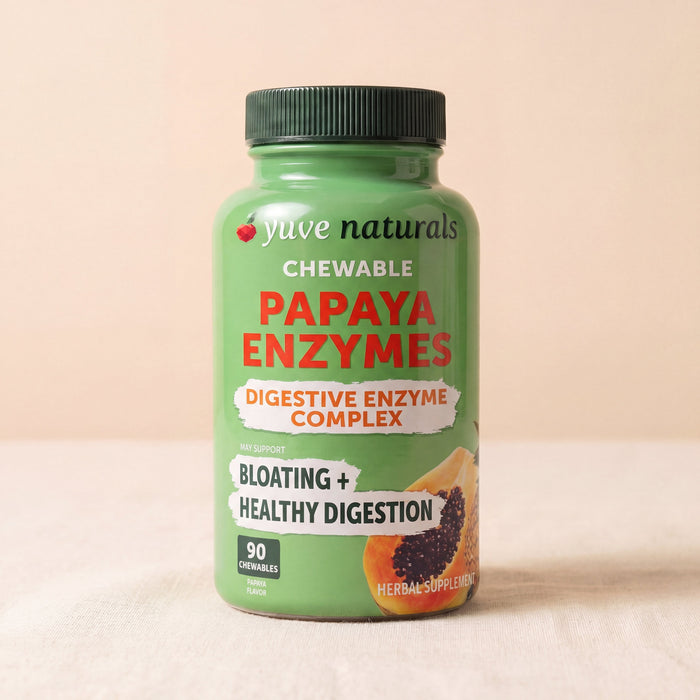
This is where a high-quality enzyme supplement becomes your best friend at mealtime. Something gentle yet effective, like Yuve's Papaya Enzymes, is a brilliant way to support the breakdown of proteins and other foods. This does two key things:
- It ensures you’re actually absorbing the nutrients from your healing diet.
- It takes a huge burden off your gut, allowing it to focus its precious energy on repair.
This proactive step makes balanced eating so much easier and more comfortable.
Next, Soothe Inflammation and Rebuild the Barrier
Once you’re supporting digestion, the next job is to provide the raw materials for repair and calm the chronic inflammation that’s keeping your gut in a constant state of high alert.
Here are a few gentle giants that help soothe and protect the gut lining:
- L-Glutamine: This is the preferred fuel source for the cells that line your intestines. When your gut is leaky, L-Glutamine gives them the direct energy they need to regenerate and rebuild that strong, protective barrier.
- Slippery Elm & Marshmallow Root: These herbs have a wonderful "demulcent" quality. Basically, they form a soothing, gel-like coating over your intestinal lining, protecting it from irritation and creating a peaceful environment for healing.
- Zinc: This mineral is a non-negotiable for the integrity of the intestinal wall. A 2017 review published in the journal Nutrients highlighted zinc's critical role in maintaining the gut barrier and preventing "leakiness." What this means for you is that ensuring adequate zinc levels is a key part of sealing up that gut lining.
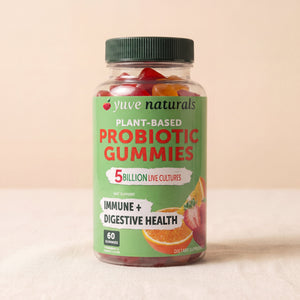
- Probiotics: A good probiotic supplement helps re-seed your gut with beneficial bacteria. These good guys help crowd out the troublemakers and restore a healthy, balanced ecosystem, which is essential for a healthy gut wall.
Key Takeaway: This isn't about throwing random pills at the problem. It's a strategic approach: you're providing digestive support (enzymes), fuel (L-Glutamine), anti-inflammatory agents (herbs and nutrients), and good bacteria (probiotics) to create a truly comprehensive healing plan. You can dive deeper into these options in our guide to natural supplements for gut health.
Understanding the Bigger Picture
It’s truly surprising how many people are struggling without even knowing what’s wrong. A 2023 gut health awareness from Ipsos poll found that a staggering 73% of Americans had never even heard of leaky gut syndrome. Among the few who were aware, many tried things like probiotics but didn't understand the full picture of how to truly support their microbiome or manage their condition.
This just goes to show how important a well-rounded approach is, one where supplements support the foundational work you're doing with diet and lifestyle.
Putting It All Together: Your Gut-Healing Checklist
Alright, we've gone through a ton of information. If you're feeling a bit overwhelmed, that's completely normal. Figuring out how to heal leaky gut naturally can feel like trying to assemble a puzzle with a million pieces.
But here’s the key: you don’t have to do it all perfectly, starting right now. This is all about building momentum with small, sustainable actions. Let’s break it all down into a simple, actionable checklist you can start using today.
Quick Wins: Your Daily Gut-Healing Habits
Pick one or two of these to get started, and then build from there. Remember, consistency always wins over intensity.
- Warm Lemon Water: Before you even think about coffee, sip on a glass of warm water with a squeeze of fresh lemon. It’s a gentle way to wake up your digestive system.
- A Spoonful of Fermented Food: Add a forkful of sauerkraut or kimchi to your lunch or dinner. This is one of the easiest ways to get a daily dose of beneficial probiotics.
- Five Deep Belly Breaths Before Meals: This simple act helps switch your nervous system into "rest and digest" mode, priming your body to better receive food.
- Take Your Enzymes: Keep your Yuve Papaya Enzymes handy. Taking them before your main meals gives your gut the support it needs to break down food without strain, a real game-changer for cutting down on post-meal bloating.
Your Weekly Challenge
Ready to take things up a notch? Try folding one of these challenges into your week to really solidify your new habits.
- Swap Your Afternoon Coffee: Instead of grabbing that second cup of coffee, which can be pretty harsh on a healing gut, try a soothing peppermint or ginger tea. Both are fantastic for calming an upset stomach.
- Cook One Gut-Healing Meal: Dedicate one meal this week to being a true gut-soother. A simple chicken and vegetable soup made with bone broth is a perfect example.
- Practice Mindful Eating: For at least one meal, commit to eating without any distractions. No phone, no TV. Just you and your food. Focus on chewing slowly and savoring every single bite.
A Gentle Reminder: Healing is a journey, not a race. There will be good days and not-so-good days, and that's perfectly okay. Celebrate every small victory, a day with less bloating or a little more energy. Be kind to yourself and trust that you’re giving your body exactly what it needs to repair and thrive.
Common Questions About Healing Leaky Gut
It’s completely normal to have a ton of questions when you first dive into healing your gut. In fact, it's a great sign that you're taking this seriously. Let's walk through some of the most frequent questions we get, so you can feel confident and prepared.
How Long Does This Actually Take?
This is probably the number one question on everyone's mind, and the most honest answer is: it really depends. There isn't a one-size-fits-all timeline. Your personal healing journey will be shaped by a few key things, like how much damage your gut has sustained, how consistent you are with the new protocol, and your overall health baseline.
That said, many people start feeling a noticeable improvement, less bloating, clearer thinking, within just a few weeks. Those early wins are incredibly motivating! But for the deep-down, structural repair of the gut lining, you have to think in months, not days. We're talking anywhere from three to twelve months of dedicated effort to build a truly strong and resilient gut. Patience is your superpower here.
Can I Still Eat Out at Restaurants?
Absolutely! Healing your gut doesn't mean you have to lock yourself away from the world. You can definitely still enjoy a meal out; it just takes a little bit of smart planning.
The best strategy is to look up the menu online before you go. Scout for simple, clean options like grilled fish with a side of steamed veggies, or a big salad with a simple protein. And don't ever feel awkward about asking your server for modifications. Getting dressings on the side or asking for no butter is a simple request most kitchens are happy to accommodate.
Pro Tip: We always suggest carrying a "just-in-case" kit. Tucking something like Yuve's Papaya Enzymes into your purse or pocket is a brilliant safety net. It gives your system that extra digestive boost to help break down the meal, which is a lifesaver when you're not in control of the ingredients.
What Are the Biggest Mistakes to Avoid?
One of the most common pitfalls we see is people getting far too restrictive with their diet for too long. I do NOT think this is a sustainable approach. It's a recipe for burnout. A much better way is to focus on crowding out the inflammatory foods by piling your plate high with delicious, healing ones.
Another huge misstep is underestimating the power of lifestyle factors. You can have the perfect diet, but you can't out-eat chronic stress or a consistent lack of sleep. They are just as damaging to your gut.
Finally, don't fall into the trap of thinking supplements are a magic bullet. They are fantastic tools and can definitely speed up the process, but they only work when they’re part of a solid foundation of diet and lifestyle changes.
Ready to give your gut the support it deserves? Yuve makes it easy to incorporate powerful, plant-based supplements into your healing routine. Our Papaya Enzymes are the perfect mealtime companion to reduce bloating and improve digestion, helping your gut focus its energy on what matters most: repair. Let's do this together