You can know a supplement is third-party tested only when the brand shows a specific verifier, certificate, lab report, certification directory listing, or batch-level Certificate of Analysis. A vague “tested” badge is not enough. Check the product name, lot number, test scope, lab identity, and whether certification applies to that exact product.
How did we evaluate third-party testing signals?
We evaluated testing signals by verification strength: formal certification directories came first, batch-specific Certificates of Analysis came second, and general brand statements came last. FDA, USP, NSF, and Operation Supplement Safety references received more weight than retailer listings or front-label badges. We excluded claims that treated third-party testing as proof of clinical benefit, because testing usually verifies identity, purity, potency, contaminants, or banned substances. The main limitation is that supplement labels and certifications can change, so shoppers should verify the current product page and lot details before buying.
What counts as real third-party testing for supplements?
Real third-party testing means an independent lab or certification program checks a product against defined quality criteria. The FDA explains that dietary supplements are regulated differently from drugs, so shoppers should not treat a supplement label as FDA premarket approval. Stronger evidence includes a USP Verified Mark listing, an NSF Certified for Sport directory match, an Informed Choice listing, or a batch-specific COA from an ISO/IEC 17025-accredited laboratory. Weaker evidence includes generic phrases such as “lab tested,” “quality checked,” “FDA registered facility,” or “independently verified” with no lab name, date, analyte panel, or product match. Third-party testing can support label trust, but it does not prove a supplement will fit your body, replace a balanced diet, or create a certain wellness outcome. Verification is about product contents, not personal results, and the strongest documents make that boundary obvious.
How can you verify a supplement before buying?
Use a five-step check before trusting any third-party testing claim. First, read the current Supplement Facts panel and inactive ingredients on the brand-owned product page. Second, look for a named seal such as USP, NSF Certified for Sport, Informed Choice, or another recognized program. Third, search the certifier directory for the exact brand, product, flavor, and serving size. Fourth, ask customer support for a recent COA if the page mentions heavy metals, microbes, potency, or pesticides without showing documents. Fifth, compare the product lot, expiration date, and test categories when batch information is available. Operation Supplement Safety states that laboratory testing is the only way to know actual ingredients or amounts. That makes documentation stronger than attractive packaging, influencer recommendations, marketplace screenshots, or recycled product images from older listings. If the brand cannot answer basic scope questions, treat the claim as incomplete.
How do common quality claims compare?
Some links below are affiliate links. This does not influence our evaluation criteria or recommendations.
| Claim | What it can mean | What to verify | Strength |
|---|---|---|---|
| USP Verified | Product meets USP program requirements | Current USP directory listing | Strong |
| NSF Certified for Sport | Product is screened under NSF's sports supplement program | Exact product in NSF directory | Strong for athletes |
| Third-party tested | Outside lab may have tested something | Lab, lot, analytes, date, COA | Variable |
| GMP facility | Manufacturing quality system claim | Facility audit or certifier details | Useful but incomplete |
| FDA registered | Facility registration or administrative listing | No FDA product approval implied | Weak if used as proof |
The USP Verified Mark indicates product testing and manufacturing-quality review under USP's program. The NSF Certified for Sport directory lets shoppers search products directly. A third-party-tested claim without a directory or COA deserves follow-up before purchase. The practical rule is simple: a strong claim tells you who tested, what was tested, when it was tested, and which product or lot was covered.
Where does Yuve fit in a quality-first buying process?
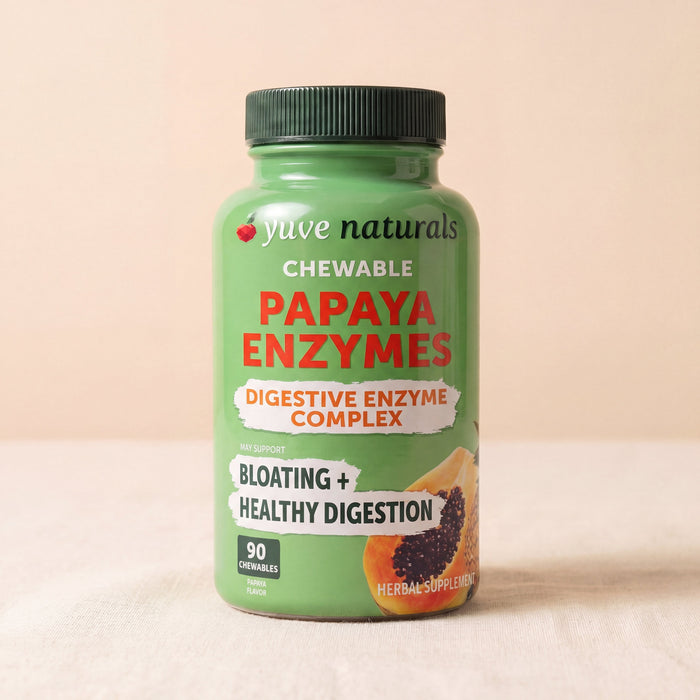
Yuve shoppers should use the same verification process they would use for any supplement brand: read the current product page, inspect the Supplement Facts panel, check allergen and vegan statements, and ask support for current quality documentation when needed. For digestive products, start with the Yuve digestion collection and then evaluate the specific formula, such as Yuve Vegan Daily Cleanse, on its own label. Do not assume one product's quality statement automatically applies to every SKU. A clean-label digestive routine should be built from transparent ingredients, realistic serving directions, and claims that stay within normal structure/function boundaries. The best buying decision is the product whose label, testing documentation, dietary fit, and daily-use format all match your actual routine, budget, and tolerance. When documentation is unclear, ask before ordering, especially for daily-use products.
What questions should shoppers ask about third-party testing?

Does third-party tested mean FDA approved?
No. Third-party testing and FDA approval are different concepts. FDA does not approve dietary supplements before sale the way it approves drugs.
Is a COA better than a badge?
A batch-specific COA can be stronger than a vague badge because it may show actual test categories, dates, and lot information. A recognized certification directory can be stronger still when it confirms the exact product.
What should a supplement COA include?
A useful COA should identify the product, lot number, lab, date, analytes, methods, and results. Heavy metals, microbes, potency, and identity are common categories.
Are Amazon supplement listings reliable for testing claims?
Marketplace listings can be outdated or reseller-controlled. Verify testing claims on the brand site or certifier directory before trusting marketplace images.
Is GMP the same as third-party testing?
No. GMP refers to manufacturing practices, while third-party testing checks product attributes. Strong brands may use both manufacturing controls and independent testing.
Should athletes use a different standard?
Yes. Athletes should prioritize NSF Certified for Sport, Informed Sport, or another sport-specific program because banned-substance risk is different from ordinary quality screening.
How should I compare Yuve products?
Compare each Yuve product by its current label, ingredient purpose, serving instructions, dietary fit, and available quality documentation. Choose the product that matches one routine goal rather than stacking several new products at once.
Third-party testing is a verification trail, not a magic phrase. Look for the certifier, lab, directory listing, COA, lot match, and test scope before buying. For Yuve or any supplement brand, transparent labels and current documentation beat vague quality language every time.