Ever feel like your stomach inflates like a balloon by the afternoon? You’re not alone-and it’s not just about what you ate for lunch. That tight, puffy, and just plain uncomfortable feeling can completely derail your day and make you second-guess every meal. It's a complaint we hear all the time, and honestly, it’s a struggle our founder, Sam, knew all too well for years.
His own journey with digestive issues is the whole reason Yuve exists. He was just tired of feeling sluggish and bloated after eating things that were supposed to be "healthy." That frustration sparked a personal mission to really understand what causes bloating and to create clean, effective ways to stop it before it even starts. So, think of this as more than just a list of tips-it's a partnership to help you finally understand your body and win the battle with bloating for good.
Why You Feel Bloated and How to Beat It
So, what’s really going on in there? Most of the time, that puffed-up feeling boils down to a few key culprits. It helps to think of it less as a random mystery and more as your body's direct reaction to what's happening in your digestive tract.
Understanding the Common Culprits
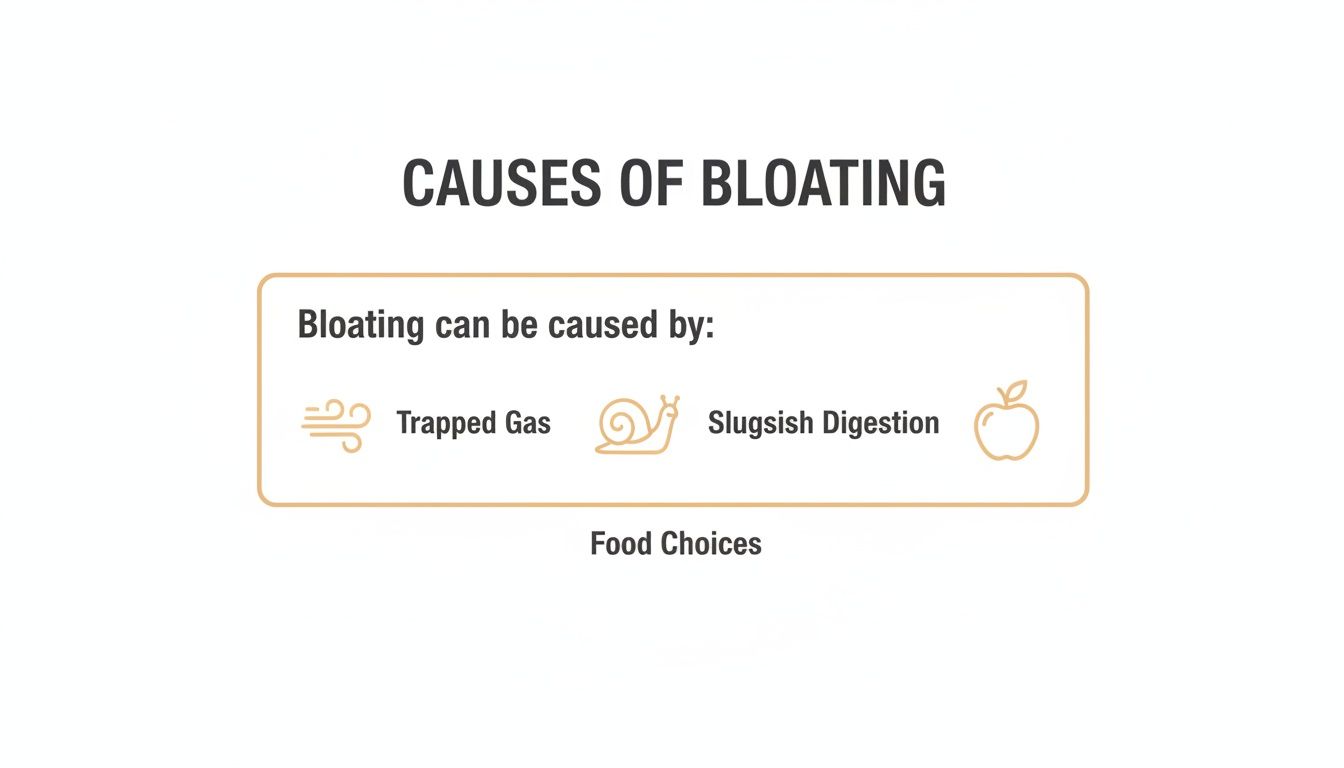
The most common causes usually fall into one of these buckets:
- Trapped Gas: This is the number one offender. Gas is a totally normal byproduct of digestion, but some foods-especially high-fiber ones like beans, lentils, and broccoli-can create a lot more of it. When that gas can't escape, you feel that familiar pressure and fullness.
- Swallowed Air: It sounds almost too simple, but you'd be surprised. Eating too fast, drinking through a straw, and sipping on carbonated drinks can all make you swallow excess air. That air has to go somewhere, and it often ends up in your gut, adding to that bloated feeling.
- Sluggish Digestion: Sometimes, the problem isn't what you're eating, but how slowly your system is processing it. When food hangs around too long in your intestines, it gives gut bacteria extra time to ferment it, which means-dun, dun, dun-unwelcome gas. Yikes!
A Note from Our Founder, Sam: "For me, it was a constant battle. I'd eat a big salad thinking I was doing everything right, only to feel awful an hour later. I learned that even 'good' foods can be tough to digest. That realization was a turning point-it's not about restriction, but about supporting your body's natural processes."
It’s More Common Than You Think
If you feel like you're constantly fighting that puffy feeling, you're definitely in good company. A major global study revealed that bloating affects nearly 18% of the world's population on a weekly basis.
Interestingly, the research also showed that women are about twice as likely as men to report bloating, highlighting how much of a role diet and hormones can play. In fact, hormonal imbalances like estrogen dominance are a frequent underlying cause of persistent bloating in women.
The point isn't to make you feel like this is an unavoidable problem. Just the opposite. It shows that small, consistent changes can bring real relief. By getting to the "why" behind your bloating, we can build a simple, actionable plan to help you feel lighter and more comfortable, day in and day out. Let's start building that plan together.
Building Your Anti-Bloat Plate
Let's get straight to what’s on your plate. If you’ve ever felt like managing bloating means a life of bland, boring food, I’m here to tell you that’s simply not the case. This is about making smart, strategic swaps that taste great and leave you feeling even better.
The goal isn't restriction. It's about understanding your own body and building a way of eating that keeps your gut calm and happy. Think of it as creating a personalized menu that works for you, not against you.
So, What Are FODMAPs Anyway?
You’ve probably heard the term FODMAPs floating around, and it can sound overly scientific and complicated. It’s not. FODMAPs are simply a group of specific carbohydrates (sugars) that your small intestine can have a hard time absorbing.
When these carbs travel undigested to your large intestine, the gut bacteria there have a feast. This fermentation process produces gas, which leads to that familiar pressure, distention, and discomfort we call bloating. It’s not a flaw in your digestion; it's just a matter of biochemistry.
Common high-FODMAP foods include:
- Onions and garlic: These are big culprits for many people.
- Wheat and rye: Found in most conventional breads, cereals, and pastas.
- Legumes: Think beans, lentils, and chickpeas.
- Certain fruits: Apples, mangoes, and pears are classic examples.
- Dairy: The lactose in milk, yogurt, and soft cheeses is a well-known FODMAP.
Getting to know this list is the first step in playing detective and identifying your personal triggers.
The connection between diet and bloating is undeniable. One global study found that bloating prevalence was only 11% in regions with low pasta and dairy intake, but it jumped to 20% where those foods are staples. This is why carefully exploring your food choices is one of the most powerful tools you have.
Smart Swaps: Your Vegan Anti-Bloat Food Guide
Now for the fun part-making it all work without sacrificing flavor. Identifying trigger foods doesn’t sentence you to a culinary wasteland. It just means getting creative with alternatives.
This table helps you easily identify common bloating triggers and provides simple, delicious vegan-friendly alternatives to keep your gut happy.
| Common Bloat Trigger (High-FODMAP) | Why It Can Cause Bloating | Try This Bloat-Friendly Swap Instead |
|---|---|---|
| Apples | High in fructose and polyols, which can ferment and cause gas. | Oranges or a handful of berries, which are lower in FODMAPs and easier on the gut. |
| Onions | Contain fructans, a type of FODMAP that is a common trigger for many people. | The green tops of scallions or a sprinkle of chives to get that oniony flavor without the bloat. |
| Chickpeas and Lentils | Contain GOS (galacto-oligosaccharides), which are notorious for producing gas. | Firm tofu or tempeh, which are great plant-based proteins that are much easier to digest. |
| Wheat-Based Pasta | The gluten and fructans in wheat can be difficult for sensitive guts to break down. | Quinoa or brown rice pasta, which are naturally gluten-free and gentle on the digestive system. |
| Cashews | High in both fructans and GOS, making them a double-whammy for bloating. | A small portion of walnuts or pumpkin seeds, which provide healthy fats with fewer FODMAPs. |
These simple substitutions can make a world of difference in your daily comfort levels, all without forcing you to overhaul your entire kitchen.
Enjoy Your Favorites Without Fear
What if you absolutely love chili, but beans just don't love you back? Does this mean you have to give up your favorites forever? Absolutely not. A little bit of proactive support can be a game-changer. For a closer look at common culprits, check out our complete guide on foods that cause bloating.
When you know you're about to eat something that might challenge your system, giving your digestion a helping hand can make all the difference.
A Personal Win: Our founder, Sam, refused to give up his favorite bean burritos. He found that taking a targeted digestive enzyme supplement before his meal made all the difference. It wasn't about avoiding the food but supporting his digestion to handle it better.
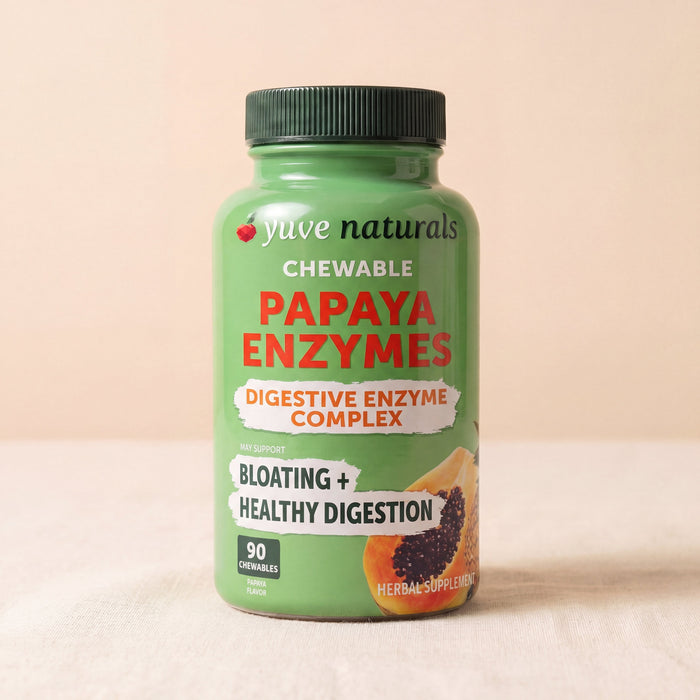
This is precisely why a high-quality enzyme blend is a non-negotiable in my anti-bloat toolkit. Taking Yuve Papaya Enzymes right before a fibrous, protein-heavy meal provides your body with the specific tools it needs to break down complex plant proteins and carbohydrates more efficiently. It’s like calling in reinforcements for your digestive system, letting you enjoy the foods you love without dreading the aftermath.
Daily Habits to Keep Your Gut Calm
If you want to beat the bloat for good, it’s not just about what you eat. The real secret lies in the small, consistent habits you build into your everyday life. These are the powerful tweaks that create a calm, happy gut environment, and honestly, they can be a total game-changer.
Your digestive system thrives on routine. When it knows what to expect and when, it just works better. By weaving in a few simple practices, you give your gut the support it needs to process food smoothly, which is the key to preventing that uncomfortable, puffed-up feeling before it even starts.

Eat More Mindfully
This might sound a little soft, but it’s backed by pure science. How you eat is just as critical as what you eat. When you rush through a meal-we’ve all done it-you inevitably swallow a lot of excess air. That air is a direct ticket to feeling bloated.
The simplest thing you can do is to chew your food thoroughly. Digestion truly kicks off in your mouth. Chewing more not only breaks down food into smaller, easier-to-digest pieces but also sends a crucial signal to your stomach, telling it to get the digestive juices flowing.
Sherry's Story: "I used to inhale my dinner in five minutes flat while scrolling on my phone. Every night around 8 p.m., I'd feel so bloated and miserable. My nutritionist suggested a simple change: put my phone away and actually focus on my meal for 15 minutes. It felt a bit silly at first, but the difference was huge. That one habit completely changed how I feel in the evenings."
Stay Hydrated the Smart Way
Water is absolutely essential for keeping things moving through your digestive tract and preventing the constipation that often leads to bloating. The trick is to sip consistently throughout the day, rather than chugging a huge bottle all at once, which can overwhelm your stomach.
A quick word of caution on fizzy drinks: while sparkling water might seem like a healthy alternative, all those bubbles are just carbon dioxide gas. When you drink them, that gas can easily get trapped in your stomach and create instant bloat. Your best bet is to stick with flat water, herbal teas, or water infused with a little lemon or cucumber.
Get Moving After Meals
You don't need to run a marathon to help your digestion. In fact, gentle movement is far more effective. A simple 10 to 15-minute walk after your biggest meal of the day can work wonders.
This isn’t just an old wives’ tale. Research confirms that even moderate physical activity, like a post-meal stroll, helps stimulate gastrointestinal motility-that’s just a science-y way to say how food moves through your stomach and intestines. One study even found that regular activity can speed up gut transit time by nearly 30% in people with digestive sensitivities. Making this a daily ritual is a simple, highly effective way to help your body process food and stop gas from building up. You can find more details in the complete 2025 guide on abdominal bloating here.
Manage Your Stress Levels
The brain-gut connection is incredibly powerful. When you're stressed, your body pumps out cortisol, a hormone that can throw a wrench in your digestive process. It slows things down and increases inflammation, a perfect storm for bloating and discomfort.
Of course, you can't just eliminate stress. But you can build small pockets of calm into your day to counteract its effects. Give these a try:
- Box Breathing: Inhale for four counts, hold for four, exhale for four, and hold for four again. Just 2-3 minutes of this can work wonders when you feel tension rising.
- A Quick Body Scan: Close your eyes and mentally check in with your body, from your toes to your head. Notice where you’re holding tension and consciously tell those muscles to relax.
- A Mindful Minute: Step away from your screen and focus on one of your senses for 60 seconds. What do you see? What do you hear or smell? This tiny break helps reset your nervous system.
These daily habits aren’t about piling more onto your to-do list. They’re about creating a supportive ecosystem for your digestion, proving that preventing bloat is really about living a more balanced, feel-good life.
Lean on Smart Supplements for Extra Support
Even with a perfect diet and stellar daily habits, some days your digestive system just needs a little extra backup. This is where supplements stop being a nice-to-have and become a key part of your anti-bloat toolkit. Think of it less as a crutch and more as targeted reinforcement.
Your gut microbiome is a complex ecosystem. To keep it balanced, you need plenty of beneficial bacteria and the right fuel to help them thrive. This symbiotic relationship is where the magic of prebiotics and probiotics happens, and getting it right can be a game-changer for bloating.
Probiotics and Prebiotics: Your Gut's Daily Insurance
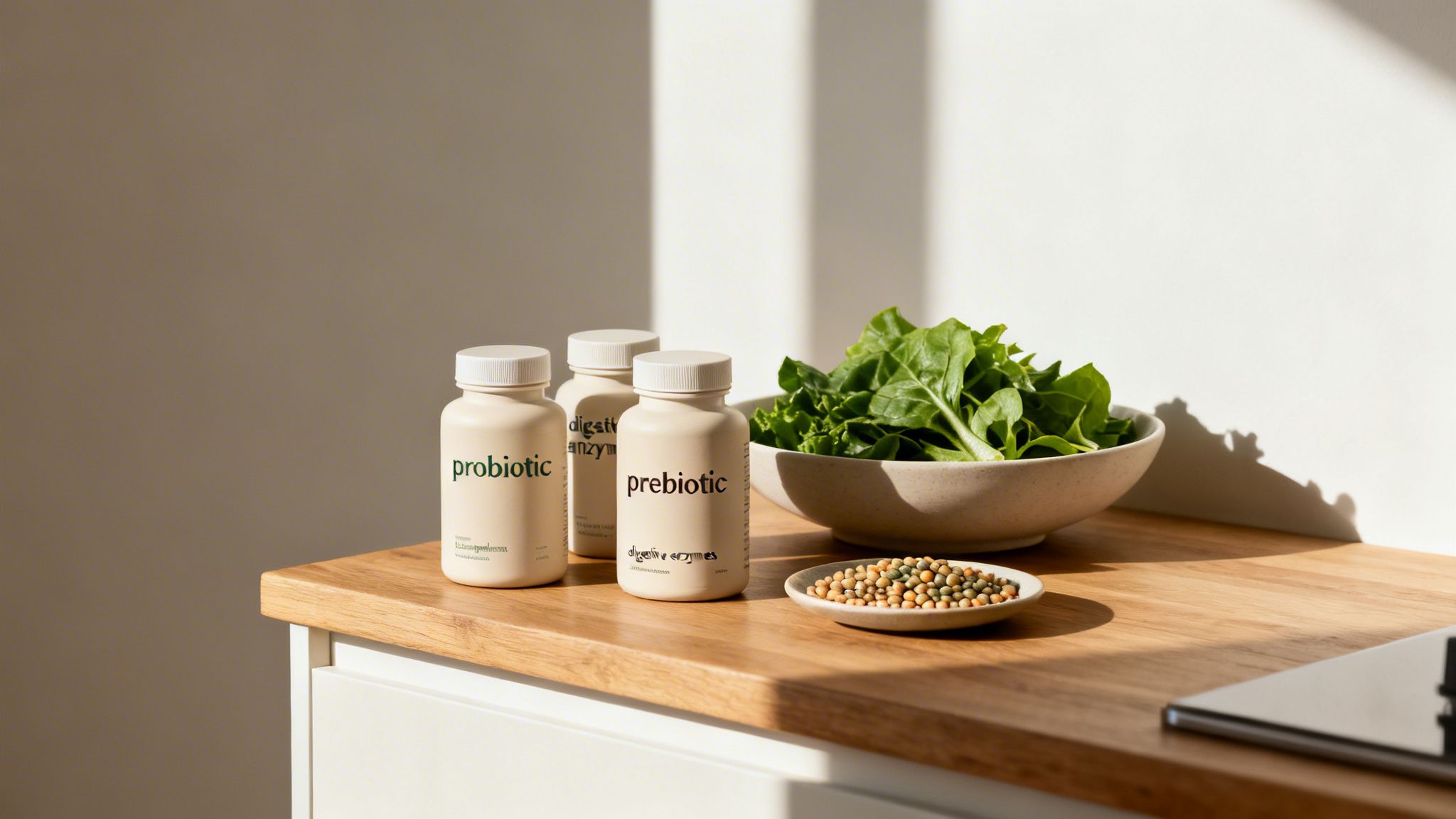
Let's face it, our diets aren't always 100% perfect, no matter how hard we try. I like to think of a high-quality probiotic and prebiotic blend as my gut’s daily insurance policy. It guarantees you’re consistently seeding your digestive tract with the good guys, which is especially important if you follow a vegan diet where maintaining gut diversity can require more focus.
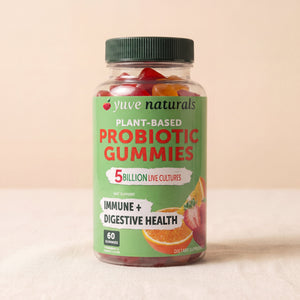
A well-formulated supplement like Yuve Vegan Probiotic & Prebiotic is a perfect example. It's packed with clinically-studied bacterial strains that help restore balance, crowd out the gas-producing microbes, and keep your internal ecosystem flourishing.
A gut with a strong, diverse population of beneficial bacteria is a resilient gut. It’s better at handling different foods, less susceptible to gas and bloating, and more efficient at pulling nutrients from your meals.
Supplementing isn’t a free pass to ignore good habits. It’s about amplifying their effects. Probiotics help fortify the gut lining, which is your body's first line of defense against digestive issues. If you’re exploring options for more specific concerns, resources like Best Probiotics For Leaky Gut can provide more targeted guidance.
Digestive Enzymes: Your Proactive Mealtime Ally
What about those meals you know might cause trouble? That delicious pizza or a big, hearty bowl of three-bean chili. Instead of just bracing for the aftermath, you can get ahead of it.
This is the perfect job for digestive enzymes.
These are simply specialized proteins that act like tiny scissors, breaking down fats, carbs, and proteins into smaller, more manageable molecules. While your body makes its own, some meals can easily overwhelm your natural supply.
Here’s how I use them strategically:
- For meals with dairy: If you know that cheesy dish will leave you feeling puffy, the culprit is likely lactose. Taking a supplement like Yuve Lactase Enzymes just before you eat provides the exact tool your system needs to break down that milk sugar. It’s a game-changer that lets you enjoy dairy without the uncomfortable consequences.
- For heavy, plant-based meals: Legumes, whole grains, and even some raw vegetables are incredibly healthy, but their complex fibers can be tough for some people to break down. This is where Yuve Papaya Enzymes shines. Taking one right before a fiber-rich meal gives your gut a boost from plant-based enzymes like papain and bromelain, helping to dismantle everything smoothly and stop bloat before it even starts.
This strategy completely changed how our founder, Sam, approaches food. He loves to eat and refused to accept that feeling good meant giving up his favorite meals. He now sees enzymes as an essential tool that gives him the freedom to enjoy a huge variety of foods with confidence. You can discover more about building a supportive routine in our guide to the best supplements for digestive health.
Ultimately, using the right supplements is about working with your body. You're giving it the precise tools it needs to do its job, so you can feel light, comfortable, and energized every single day.
What to Do When the Bloating Won't Stop
It's one of the most frustrating feelings: you've done everything right-eating clean, drinking water, even exercising-and yet, the bloating just won't quit. When you’ve followed all the advice and still end up feeling puffy and uncomfortable, it’s easy to feel completely defeated.
But please don't see this as a dead end. Think of it as your body sending a clear signal that it's time to shift our strategy. We've covered the general advice; now it's time to get specific and start troubleshooting what's happening inside your body. Your health is the absolute priority, so let’s figure out the next steps together.
Become a Bloat Detective with a Food-and-Feeling Journal
Before you start cutting out even more foods, the single most powerful tool you have is a simple journal. This has nothing to do with calories or macros. It's all about connecting the dots between what goes into your body and how your body responds.
For the next week or two, just jot down a few key things:
- What you ate and drank: Be specific! Include brands, ingredients, and rough portion sizes.
- When you ate: Note the time of day for every meal and snack.
- How you felt afterward: Did you notice bloating, gas, cramping, or a sudden energy dip? When did it start?
This simple act can uncover patterns you would never expect. I’ve seen this time and time again with clients. One person I worked with discovered that their "healthy" daily smoothie-packed with fruit, a vegan protein powder, and almond milk-was the main culprit. It wasn't any single ingredient, but the combination and volume all at once that was overwhelming their digestive system.
Keeping a journal takes the guesswork out of the equation. It provides real data about your unique body, empowering you to make targeted changes that finally bring relief.
Considering a Guided Elimination Diet
If your journal points toward a few suspicious foods but you're still not 100% sure, a more structured approach might be the answer. This is where a formal elimination diet, like a temporary low-FODMAP plan, can provide incredible clarity.
But-and I really have to emphasize this-this is not a DIY project. You should only do this with the guidance of a registered dietitian or a knowledgeable healthcare provider. They are essential for navigating the process safely, making sure your nutritional needs are still met, and then guiding you through the critical reintroduction phase. That last part is how you accurately pinpoint your specific triggers.
Randomly cutting out entire food groups on your own often backfires, leading to nutritional gaps and even more confusion. A professional will help you do it right the first time.
When It's Time to See Your Doctor
While most bloating is tied to diet and lifestyle, you should never ignore symptoms that are persistent, severe, or come with other red flags. Your gut is often a window into your overall health, and it's time to stop guessing and consult a professional if you're experiencing any of these:
- Bloating that is severe, painful, or simply never goes away.
- Unexplained weight loss or a sudden loss of appetite.
- Major, lasting changes in your bowel habits (like new, persistent diarrhea or constipation).
- Any sign of blood in your stool, recurring nausea, or a fever alongside the bloating.
A doctor can help rule out underlying medical conditions like Small Intestinal Bacterial Overgrowth (SIBO), Irritable Bowel Syndrome (IBS), or celiac disease. You might be wondering why you are always bloated, and getting a proper diagnosis is the only way to get a treatment plan that delivers real, lasting relief. It's the most important step you can take for your long-term health.
Your Top Bloating Questions, Answered
We’ve gone through a lot of strategies for building a happier, less bloated gut. But I know you probably still have some questions floating around. Let's tackle some of the most common ones I hear.
How Long Until I Actually See Results?
This is the big one, isn't it? Everyone wants to know how quickly they'll feel better. While some people might feel a shift in just a few days, I always tell my clients to aim for a 2-4 week timeframe. That’s a realistic window for your gut bacteria to rebalance and for any underlying inflammation to really start calming down.
The most important thing is staying consistent. Your digestive system thrives on routine. So, when you wake up feeling a little lighter or get through a meal without that familiar tightness, celebrate it! Those small wins are proof you're on the right path.
Can I Really Go Out to Eat and Not Get Bloated?
Yes, you absolutely can! Your social life doesn't have to be a casualty of your digestive health. The trick is to plan ahead instead of just reacting to a menu on the spot.
My personal secret weapon is taking a digestive enzyme supplement, like Yuve Papaya Enzymes, just before the meal. It gives your system a little extra firepower to break down foods that might be richer or different from what you normally eat.
A few other tips that make a world of difference:
- Scout the menu online: A quick look at the restaurant's website beforehand lets you find a few good options without feeling pressured at the table.
- Ask for simple swaps: Don't hesitate to ask for dressings or heavy sauces on the side. It's a simple request that puts you in control of what's on your plate.
- Pace yourself: I know it's tough when you're caught up in good conversation, but consciously slowing down and chewing your food well is one of the most effective things you can do.
Is It Normal to Be Bloated During My Period?
Unfortunately, yes. Cyclical bloating is incredibly common. You can thank fluctuations in hormones like estrogen and progesterone, which can signal your body to hold onto more water and salt. This is what causes that puffy, uncomfortable feeling many of us get right before and during our periods.
The great news is that all the habits we've been talking about-staying hydrated, gentle movement like walking or yoga, and steering clear of super salty processed foods-are especially powerful during this time. They can really take the edge off and help you feel more like yourself.
If I Take a Probiotic, Do I Still Need Probiotic-Rich Foods?
I love this question, and my answer is a resounding yes-do both! Think of it like this: your daily supplement is the foundation, and the foods are the bonus boosters.
A daily supplement, such as Yuve Vegan Probiotic & Prebiotic, delivers specific, targeted strains of bacteria that have been studied for their ability to fight bloating and support gut balance. It's your reliable, everyday insurance policy.
Adding fermented foods like kimchi, sauerkraut, vegan yogurt, or kombucha into your diet brings diversity to the table. Different foods introduce different types of beneficial bacteria, creating a richer and more resilient gut ecosystem.
Combining a trusted probiotic supplement with a variety of fermented foods creates a powerful, synergistic effect. You're covering all your bases and giving your gut the most robust support possible for optimal digestive health.
So, it's not an either-or choice. It's a "yes, and" approach that truly gives you the best of both worlds.
At Yuve, we believe feeling your best should be simple. Our plant-based supplements are designed to work with your body, providing the targeted support you need to enjoy food and life without discomfort.
Ready to take the next step toward a happier gut? Explore our complete line of digestive health supplements today!