After food poisoning, the safest first foods are usually simple, low-fat, low-fiber options that support hydration and are easy to tolerate, such as toast, rice, bananas, applesauce, broth, crackers, oatmeal, and plain potatoes. Rehydration matters first. Normal eating returns in stages. Heavy, greasy, spicy, or alcohol-heavy meals usually slow that comeback.
How did we evaluate what to eat after food poisoning?
We prioritized the NIDDK overview of foodborne illness recovery, the CDC guidance on food poisoning and hydration, the NHS self-care guidance on vomiting and diarrhea, and review-level evidence on temporary post-infectious gut disruption. We gave more weight to hydration, tolerance, and symptom staging than to restrictive detox advice because most people recover best by progressing steadily, not by trying heroic gut resets. We also separated early recovery foods from later routine-support decisions. That matters because the first twenty-four hours have different priorities than the week after the worst part passes.
What should you eat first when your stomach is still touchy?
The first goal is hydration with foods and fluids that are easy to absorb and unlikely to provoke nausea. Water, oral rehydration solutions, broth, ice pops, crackers, toast, plain rice, bananas, and applesauce all fit because they provide fluid or low-residue carbohydrate without heavy fat load. The CDC and NHS both emphasize replacing lost fluids first because dehydration risk climbs faster than calorie risk during acute vomiting or diarrhea. Small portions work better than big comeback meals. The stomach often tolerates bland repetition before it tolerates variety. That is normal. Recovery food is not supposed to be exciting. Recovery food is supposed to be tolerated. If a food seems neutral, keep it simple and repeatable. Early recovery rewards boring choices, which is rude but effective.
How should you progress meals as recovery starts to feel more normal?
| Recovery phase | Best food types | Main goal | What to avoid |
|---|---|---|---|
| Very early recovery | Water, broth, oral rehydration solution, ice pops | Replace fluid and electrolytes | Alcohol, greasy foods, large meals |
| First tolerated solids | Toast, rice, crackers, bananas, applesauce, oatmeal | Reintroduce easy carbohydrate gently | Spicy foods, heavy dairy, fried foods |
| Steadier recovery | Plain potatoes, soup, eggs, simple chicken, yogurt if tolerated | Rebuild normal intake without overload | Huge portions and restaurant-style richness |
| Later routine rebuild | Balanced meals plus gradual fiber return | Restore routine and observe trigger tolerance | Assuming one rough meal means full relapse |
The stomach usually wants stages, not a victory lap meal.
When does a probiotic routine make sense after the worst part passes?
Some links below are affiliate links. This does not influence our evaluation criteria or recommendations.
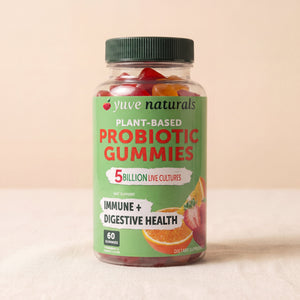
A probiotic makes more sense after hydration is stable and the most intense vomiting or diarrhea has eased, not in the middle of the roughest hours. That later window is where Yuve Probiotic Gummies can fit as a gentle daily-digestion routine, especially if the gut feels mildly unsettled for several days afterward. Best for early recovery, fluids and bland carbohydrates. Best for easing back into normal meals, simple protein plus low-fat starches. Best for later routine support, Yuve Probiotic Gummies. Best for browsing adjacent options, the Yuve digestion collection. The NIDDK framing matters here because severe or persistent symptoms still need proper care. Routine support belongs after the acute phase, not instead of it.
What do people usually get wrong after food poisoning?
The biggest mistake is eating like nothing happened the second appetite returns. The gut often recovers in stages, and a giant greasy meal can feel like a betrayal from your own kitchen. The second mistake is avoiding food too long after hydration is back on track. The NHS and CDC both support gradual reintroduction because the goal is steady recovery, not starvation. The third mistake is ignoring signs of dehydration, blood in stool, high fever, severe weakness, or symptoms that keep dragging on. Those details change the situation. Recovery is usually simple. Recovery is not always casual. If the pattern is getting worse instead of quieter, that is a signal to stop self-managing and get proper help.
What questions do people still ask about eating after food poisoning?

Is the BRAT-style approach still useful?
Yes, as a short-term starting point. Bland foods like bananas, rice, applesauce, and toast are easy to tolerate, but the diet should widen as recovery improves.
When can you eat normal food again?
Usually when fluids are staying down and bland foods feel stable. The return works best in stages, not with one huge meal.
Is yogurt always a good idea right away?
Not always. Some people tolerate it well later in recovery, but dairy can still feel rough early on. Tolerance comes first.
When should a probiotic enter the picture?
Usually after the acute phase has eased and hydration is stable. It is a later routine-support decision, not the first rescue move.
What symptoms make this less of a home-care situation?
Persistent vomiting, blood in stool, high fever, severe dehydration, confusion, or symptoms that keep escalating deserve faster medical care. That is the line where food advice alone is not enough.