Meta title: Vegan B12 Deficiency Symptoms - How to Spot Them Early and What to Do
Meta description: Learn about vegan B12 deficiency symptoms, why standard tests can miss them, and how to build a simple plan for testing, prevention, and treatment.
You went vegan to feel better, live lighter, and do something good for your body and the world. So it’s frustrating when you’re still dragging through the day, forgetting small things, or noticing weird tingling in your hands and feet.
If that’s you, take a breath. Vegan b12 deficiency symptoms can be easy to miss, and noticing them doesn’t mean you’ve failed at being vegan. It usually means one nutrient needs more attention. That’s fixable.
Are You Vegan and Just So Tired All the Time
You switch to a vegan diet, stock the kitchen with tofu, oats, beans, greens, and fruit, and expect to feel lighter and more energetic. Then a few months or years later, you are dragging through the afternoon, losing your train of thought, or noticing a strange pins-and-needles feeling in your feet at night.
That disconnect can feel unsettling.
A well-planned vegan diet can support excellent health, but B12 is the nutrient that often trips people up because symptoms can start and develop slowly. The body stores some B12, so problems do not always show up right away. For many vegans, the early phase feels vague. More tired than usual. Less mentally sharp. A little off during workouts, errands, or long workdays.
That slow timeline is part of what makes deficiency easy to miss. It can feel less like a sudden illness and more like your battery no longer holds a full charge.
You can eat a thoughtful vegan diet and still need regular B12. That is a normal nutrition issue, not a personal failure.
People often chase other explanations first. They add more iron, more protein, more coffee, a stricter sleep schedule, or a new stress routine. Sometimes those help. Sometimes they do not. B12 deserves specific attention because low levels can affect both energy and the nervous system, which means the symptom pattern is often broader than simple tiredness.
Early signs can stay subtle for a long time. Later, the picture can become much clearer and more concerning.
What this can feel like in daily life
- Persistent fatigue: sleep seems adequate, but energy still feels flat
- Brain fog: focus slips, words are harder to find, memory feels less reliable
- Nerve symptoms: tingling, numbness, or pins and needles in the hands or feet
- Physical tasks feel harder: stairs, walks, workouts, or carrying groceries feel unusually heavy
- A general sense that something is off: not dramatic, just different from your usual baseline
One confusing part is that symptoms do not always arrive in a neat order. Some people notice fatigue first. Others notice tingling, mood changes, or trouble concentrating before they ever suspect a nutrient issue. Some have few obvious symptoms at all until the deficiency is more advanced.
That is why paying attention early matters. Waiting for severe symptoms can mean waiting too long.
The mindset shift that helps
Treat B12 the way you would treat charging your phone before a long day. You do it ahead of time because prevention is easier than recovery.
For vegans, B12 supplementation is a routine part of staying well. It is not evidence that the diet is failing. It is part of how a vegan diet works in real life. And because standard blood work does not always catch problems cleanly, it helps to look at symptoms, timing, and testing together instead of assuming one normal result settles the question.
Why B12 Is a Big Deal for Vegans
Vitamin B12 is unusual. Plants don’t make it.
Tiny microorganisms make it. You can think of B12 like a special key that only certain microbes know how to forge. Animals end up with that key in their tissues through feed, environment, or supplementation. Plants are not a dependable direct source.
That’s why a well-planned vegan diet still needs a B12 strategy.

Why whole plant foods aren’t enough
A common point of confusion is this: “If B12 comes from microbes, can’t I get it from soil on vegetables or from natural foods?”
That sounds logical, but it isn’t reliable. Modern food systems clean produce well, which is good for safety. Guessing with trace environmental exposure is not a dependable way to meet B12 needs.
So even if your meals are full of:
- beans
- greens
- whole grains
- nuts and seeds
- fermented foods
You can still be low in B12 if you’re not using fortified foods consistently or taking a supplement.
The risk is real, not theoretical
Research reviewed in a paper on vegan and vegetarian B12 status found that up to 52% of vegans who don’t supplement have deficient vitamin B12 concentrations, and in some populations the rate climbs to 70% to 90%, compared with around 1% in omnivores according to this review in PubMed Central.
That big gap explains why this topic keeps coming up in plant-based nutrition.
B12 supports systems you notice when they stop working
When B12 runs low, your body can struggle with jobs you depend on every day, including:
- Nerve support: This affects sensation, coordination, and neurological function.
- Red blood cell production: This is why deficiency can show up as anemia-related fatigue and weakness.
- Mental clarity: Some people notice memory slips, poor concentration, or a foggy feeling.
Supplementation is not “cheating”
A lot of vegans carry unnecessary guilt around supplements.
I don’t think that guilt helps anyone. A supplement is not a sign your diet is broken. It’s a smart modern tool that helps you meet a nutrient requirement that food alone may not cover in a dependable way.
That shift matters. Once you stop viewing B12 support as optional or as a backup plan, it becomes much easier to protect your health without drama.
Spotting the Signs Early vs Advanced Symptoms
You switch to a vegan diet, feel good about the change, and a few months later something feels off. You are tired in a way sleep does not fix. Your hands tingle now and then. You lose words mid-sentence or feel oddly unsteady on the stairs. None of that points neatly to B12 at first, which is why deficiency can hide in plain sight.

B12 symptoms often show up on a timeline. Early changes can be subtle and easy to blame on stress, parenting, poor sleep, hard training, or just life. Later changes are harder to ignore and more concerning, especially when nerves are involved.
Early symptoms people often dismiss
Early deficiency can feel fuzzy rather than dramatic. The body is still coping, but it is not coping well.
Common early signs include:
- Fatigue: a steady drained feeling that hangs around
- Weakness: routine tasks feel heavier than usual
- Brain fog: concentration slips and memory feels less reliable
- Pale appearance: some people look washed out
- A sore or strange-feeling tongue: tenderness, burning, or smoothness can show up
- Tingling or numbness: often in the hands or feet
That mix can be confusing because it overlaps with many other issues. If you want a broader picture of how nutrient problems can overlap, this guide to vegan vitamin deficiency symptoms is a useful companion.
One practical way to look at it is this. If you are vegan and these symptoms keep recurring, B12 should move high on your list early, not after months of guessing.
Advanced neurological symptoms
As deficiency progresses, the pattern can shift from “I feel off” to “something is wrong.”
B12 helps keep nerves working properly. A shortage can affect sensation, balance, coordination, and cognition. Symptoms at this stage may include:
- Persistent pins and needles
- Numbness
- Poor balance
- Difficulty walking
- Coordination changes
- Memory problems
- Confusion
This timeline matters. Some people develop symptoms slowly over years because the body stores B12. Others notice problems much sooner if intake has been very low, absorption is poor, or a previous low status was already there. The pace varies. The need to act does not.
Blood-related symptoms can appear too
B12 also supports healthy red blood cell production, so deficiency may show up through blood-related symptoms such as:
- Shortness of breath
- Dizziness
- Heart palpitations
- Pronounced weakness
- Signs of macrocytic anemia
Here is the part that trips people up. Nerve symptoms and blood symptoms do not always arrive together.
A person can have tingling, numbness, or brain fog without obvious anemia. That is one reason B12 deficiency gets missed. Someone hears that their routine labs were “fine” and assumes B12 cannot be the problem, even though the symptom pattern still fits.
Symptom patterns that deserve attention
A few combinations should raise concern faster than any single symptom alone:
| Pattern | Why it matters |
|---|---|
| Fatigue plus brain fog | Can fit early deficiency |
| Tingling without obvious anemia | Neurological changes can appear before classic blood findings |
| Balance problems or stumbling | Needs prompt medical attention |
| Ongoing symptoms despite “normal” basic labs | Standard screening can miss early or functional deficiency |
If your doctor is reviewing your workup, conversations about essential medical tests can help you ask better questions, especially when symptoms persist and the first round of testing does not explain them.
When not to wait
You do not need to panic.
You do need to take nerve-related symptoms seriously. Worsening tingling, numbness, balance problems, trouble walking, or clear changes in memory or thinking deserve prompt medical evaluation. The earlier B12 deficiency is recognized, the better the chance of reversing symptoms before they linger.
And if you are feeling a little guilty reading this, please let that go. Using B12 supplements is not a sign that veganism failed you. It is part of doing veganism well.
The Science Corner How We Test for B12 Deficiency
A lot of frustration around B12 comes from testing.
Someone feels awful, gets a standard blood test, hears “everything looks fine,” and goes home confused. That happens because the most common test is not always the most revealing one for vegans.
Serum B12 is common, but it has limits
The standard test is usually serum B12.
It can be useful, but it doesn’t always catch early or functional deficiency well enough. In plain language, serum B12 tells you what’s floating around in the blood. It doesn’t always tell you how well your cells are supplied.
That distinction matters when symptoms are mild, early, or mostly neurological.
The tests that can catch trouble earlier
Two names matter here:
- Holotranscobalamin, or holo-TC
- Methylmalonic acid, or MMA
Think of holo-TC as the portion of B12 that’s available for your body to use. Think of MMA as a metabolic clue that rises when B12 function is not where it should be.
A 2021 trial found that on an unsupplemented vegan diet, holo-TC was the first biomarker to decline, picking up a problem before symptoms or anemia appeared, as explained in this article on early B12 detection with holo-TC.
If you’re vegan and symptomatic, asking only for a basic serum B12 test may not give the full picture.
Why standard blood work can look “normal”
This part trips people up.
A vegan diet is often rich in folate. That’s generally a good thing, but it can make the classic blood signs of B12 deficiency less obvious. So someone can have a developing B12 problem while routine blood work doesn’t wave a giant red flag.
That’s one reason it helps to think beyond a single lab value and look at symptoms, diet pattern, and whether more specific testing makes sense.
How to advocate for yourself at an appointment
You do not need to become a biochemist. You just need a few calm, clear questions.
You can ask your clinician:
- Could my symptoms fit B12 deficiency even if a standard test looks okay?
- Would holo-TC or MMA testing help clarify this?
- Should we look at this more closely because I’m vegan?
If you’re trying to build a broader prevention mindset, this overview of essential medical tests can be a useful general resource for discussing routine screening with your doctor.
What matters most
Testing is a tool. It’s not a personality test and it’s not a purity test for your diet.
If your symptoms and eating pattern suggest risk, ask better questions. Better testing often leads to clearer answers. Clearer answers help you act sooner, which is exactly what protects energy, nerves, and peace of mind.
Your Action Plan Treating and Preventing B12 Deficiency
Once you know B12 is a genuine risk on a vegan diet, the next question is simple. How do you protect yourself without overthinking every breakfast?
The answer usually comes down to two supports: fortified foods and a reliable supplement strategy.

Fortified foods help, but they’re not always enough
Fortified foods can absolutely be part of the plan.
Examples include some plant milks, cereals, and nutritional yeast. The problem is consistency. Not all products are fortified the same way, and not everyone eats the right amounts often enough to create a dependable safety net.
The Quadram Institute has warned of a “hidden epidemic” of B12 deficiency, noting rates as high as 62% in pregnant vegans, partly because commercial vegan products are often inadequately fortified and supplementation adherence is low in this Quadram Institute warning on B12 deficiency for vegans and vegetarians.
That’s the practical lesson. Fortified foods are helpful. They’re just not always foolproof.
What a simple prevention plan looks like
A calm, sustainable plan often looks like this:
- Use fortified foods intentionally: Don’t assume every oat milk or cereal contains meaningful B12.
- Take supplementation seriously: Make it part of your routine, like brushing your teeth.
- Test when needed: Especially if symptoms show up, you’re pregnant, or intake has been inconsistent.
- Don’t wait for obvious problems: Prevention is easier than recovery.
For people comparing options, this guide to the best supplements for vegan diet can help you think through where B12 fits in a broader plant-based routine.
A real-life mindset shift
I’ve seen many vegans go through the same emotional arc.
At first, they want to “do it naturally.” Then they realize that spending months hoping fortified foods cover everything is stressful and unnecessary. Once they accept that B12 support is a basic maintenance step, the whole issue gets lighter.
The goal isn’t to survive on a technicality. The goal is to thrive with a system you can repeat.
Here’s a helpful explainer if you want a visual walkthrough of why B12 deserves this much attention:
What to do if you already have symptoms
If symptoms are already present, prevention turns into treatment planning.
That means:
- Book a medical appointment
- Discuss appropriate testing
- Follow treatment advice closely
- Stay consistent after levels improve
A lot of people feel better once they finally address their B12 deficiency. But timing matters, especially with neurological symptoms. Don’t gamble on “maybe it’ll pass.”
Choosing Your B12 A Simple Guide to Doses and Forms
Standing in the supplement aisle can get weirdly overwhelming fast.
You’ll see different forms, big numbers on labels, and lots of confident marketing. Consumers don’t need more hype. They need a simple way to choose.

The two forms you’ll see most often
The most common forms are cyanocobalamin and methylcobalamin.
A simple way to think about them:
| Form | Plain-language explanation |
|---|---|
| Cyanocobalamin | Stable, widely used, and well researched |
| Methylcobalamin | A “pre-activated” form some people prefer |
For most healthy people choosing a vegan supplement, the bigger issue is consistency, not obsessing over tiny form debates.
Why waiting for symptoms isn’t a good strategy
B12 deficiency can stay hidden longer than people expect.
The body’s liver stores can mask a deficiency for years, while neurological damage may develop. High folate intake from a plant-rich diet can also mask the usual blood clues, including changes like increased MCV, which is one reason proactive supplementation matters, as discussed in this article on why B12 deficiency can be missed in vegetarians and vegans.com/what-everyone-especially-vegetarians-should-know-about-b12-deficiency/).
That’s why “I feel okay, so I must be okay” isn’t the strongest plan.
What about dose?
The verified case-based guidance available here mentions supplementation approaches such as 50 to 100 µg daily or 4 to 7 µg with food in the review of individual vegan deficiency cases already discussed earlier.
What should you take personally? That depends on context:
- whether you’re preventing deficiency or treating confirmed deficiency
- whether symptoms are present
- whether a clinician wants a more intensive approach
- whether you absorb B12 normally
If you’re comparing higher-dose supplement options, this explainer on 2000 mcg B-12 can help you understand why some products use larger amounts.
When shots enter the conversation
If deficiency is significant, symptoms are severe, or absorption is impaired, clinicians may recommend injections instead of relying only on oral supplements.
If you’re curious about how that route is typically used in practice, this overview of B12 shots gives a helpful general explanation of when injections may be considered.
Oral prevention is often straightforward. Treatment for a confirmed deficiency may be more individualized, especially when nerve symptoms are involved.
A simple buying checklist
Use this when choosing a supplement:
- Check the form: Cyanocobalamin and methylcobalamin are both common options.
- Check the routine: Daily use is often easier to remember than an irregular plan.
- Check the label clarity: You should understand what you’re taking without detective work.
- Check your context: Pregnancy, digestive issues, or symptoms change the conversation.
The best B12 supplement is the one you’ll take consistently and review with a clinician when symptoms or risk factors are present.
Your Quick-Win Checklist and When to See a Doctor
If your brain is full right now, here’s the short version.
Your quick-win checklist
- Accept the risk: A vegan diet needs a B12 plan. This is normal, not shameful.
- Notice symptom patterns: Fatigue, brain fog, tingling, numbness, weakness, balance changes, and shortness of breath all deserve attention.
- Don’t rely on guesswork: Fortified foods can help, but they’re not always enough.
- Ask for better testing when needed: Especially if symptoms don’t match a “normal” basic result.
- Build a routine: A prevention habit is easier than trying to recover after months of symptoms.
Red flags that mean you should book care promptly
Some situations need medical help sooner rather than later.
Please see a clinician promptly if you have:
- Worsening numbness or tingling
- Difficulty walking or poor balance
- Marked fatigue that interferes with daily life
- Memory or confusion changes
- Pregnancy or breastfeeding with uncertain B12 intake
- A child or teen on a vegan diet with concerning symptoms
- Digestive or absorption issues that may complicate treatment
Don’t try to out-tough nerve symptoms
People are often willing to tolerate a lot before asking for help.
They push through fatigue. They down more coffee. They assume numb feet are from sitting too long or that brain fog is stress. But B12-related nerve symptoms deserve respect. Early action gives you the best chance of avoiding longer-term trouble.
A calm next step
If you suspect vegan b12 deficiency symptoms, do these three things this week:
- Write down your symptoms
- Review whether you’ve been consistently taking B12 or using fortified foods
- Make an appointment and ask focused questions about testing and treatment
That’s enough. You do not need to diagnose yourself perfectly before seeking care.
Frequently Asked Questions About Vegan B12
Here are the questions people ask when they’re trying to sort this out without spiraling.
| Question | Answer |
|---|---|
| Can vegan B12 deficiency symptoms show up even if I eat really well? | Yes. You can eat plenty of whole plant foods and still not get dependable B12 unless you use fortified foods consistently or supplement. |
| Is fatigue the main symptom? | It’s one of the most common symptoms, but it’s not the only one. Tingling, numbness, brain fog, weakness, balance issues, and anemia-related symptoms can also happen. |
| Can I have nerve symptoms without obvious anemia? | Yes. That’s one of the reasons B12 deficiency can be missed. Neurological symptoms don’t always wait for dramatic blood-related signs. |
| Why can standard tests miss a problem? | A basic serum B12 test may not catch early or functional deficiency clearly enough in some vegans. More specific markers can sometimes help. |
| Are fortified foods enough by themselves? | Sometimes, but not always. Product fortification varies, and daily intake can be inconsistent. That’s why many vegans use a supplement as a more reliable safety net. |
| If I feel fine, can I skip B12? | Feeling fine isn’t a guarantee. B12 stores can mask a developing issue for a long time. Prevention is much easier than catching up later. |
| Do symptoms improve with treatment? | They can, and some documented vegan case reports describe symptom improvement after B12 treatment. Timing matters, especially for neurological symptoms. |
| Should pregnant vegans care more about this? | Yes. Pregnancy raises the stakes because B12 status matters for both parent and baby. This is a time to be especially proactive with professional guidance. |
If you’ve read this far, the big takeaway is simple: B12 support is part of a thriving vegan lifestyle. It’s not a backup plan, and it’s not a sign you’re doing anything wrong.
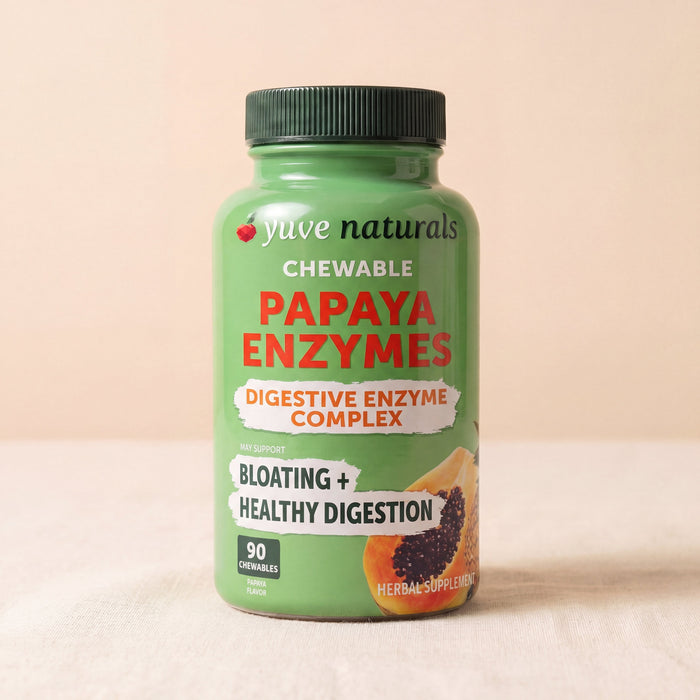
If you want a clean, vegan-friendly place to start, explore Yuve. Their plant-based supplements are designed to make daily wellness feel simpler, so you can support your energy and health with more confidence and less guesswork.