Ever feel like your stomach inflates like a balloon by afternoon? You’re not alone. That sharp, twisting gas pain that hits out of nowhere is the worst, and we get how frustrating it can be. The good news is that relief can be surprisingly quick.
This guide is your partner in beating that sudden, painful bloat. We're going to walk you through practical, immediate steps to release trapped gas and calm your digestive system down. But we won't stop there. We'll also dig into what’s causing that uncomfortable pressure in the first place and how you can build a more resilient gut that’s less prone to gas and bloating from the start.
Why Does Gas Get Trapped, Anyway?
First off, gas is totally normal. It's just a byproduct of the good bacteria in your gut breaking down food-especially things like fiber, starches, and certain sugars. Most of the time, this whole process happens without you even noticing.
The pain kicks in when that process gets disrupted and the gas has nowhere to go. It usually comes down to one of a few common culprits:
- Swallowing air: This happens more than you think. Eating too fast, chewing gum, or even sipping on carbonated drinks can make you swallow excess air that gets trapped.
- The usual food suspects: We know them well. Foods like beans, lentils, broccoli, and for many people, dairy, are notorious for producing extra gas.
- An unbalanced gut: Sometimes, the community of bacteria in your gut gets out of whack. When this happens, they don't break down food as efficiently, which can lead to more gas and bloating.
I spent years dealing with that sudden, painful bloat that would pop up after certain meals, especially anything with dairy. It felt so random and frustrating. Our founder, Sam, went through the exact same thing, which is actually what inspired him to create solutions for real, dependable relief.
This is all about getting you back in control. Let’s get you feeling like yourself again, fast.
Immediate Relief: Gentle Poses and Movement
When that sharp, twisting gas pain hits, your first instinct is probably to curl up and wait for it to pass. I get it-it’s a miserable feeling. But here's something we've learned over the years: gentle movement is often the quickest way to get relief.
Trapped gas just needs a little encouragement to find its way out. Changing your body's position is a surprisingly effective way to give it that nudge. Think of your intestines as a long garden hose with a stubborn kink in it. Sometimes, all you need to do is move the hose around to get things flowing again. The same idea applies here-certain poses help physically massage your digestive tract and get those gas bubbles moving.
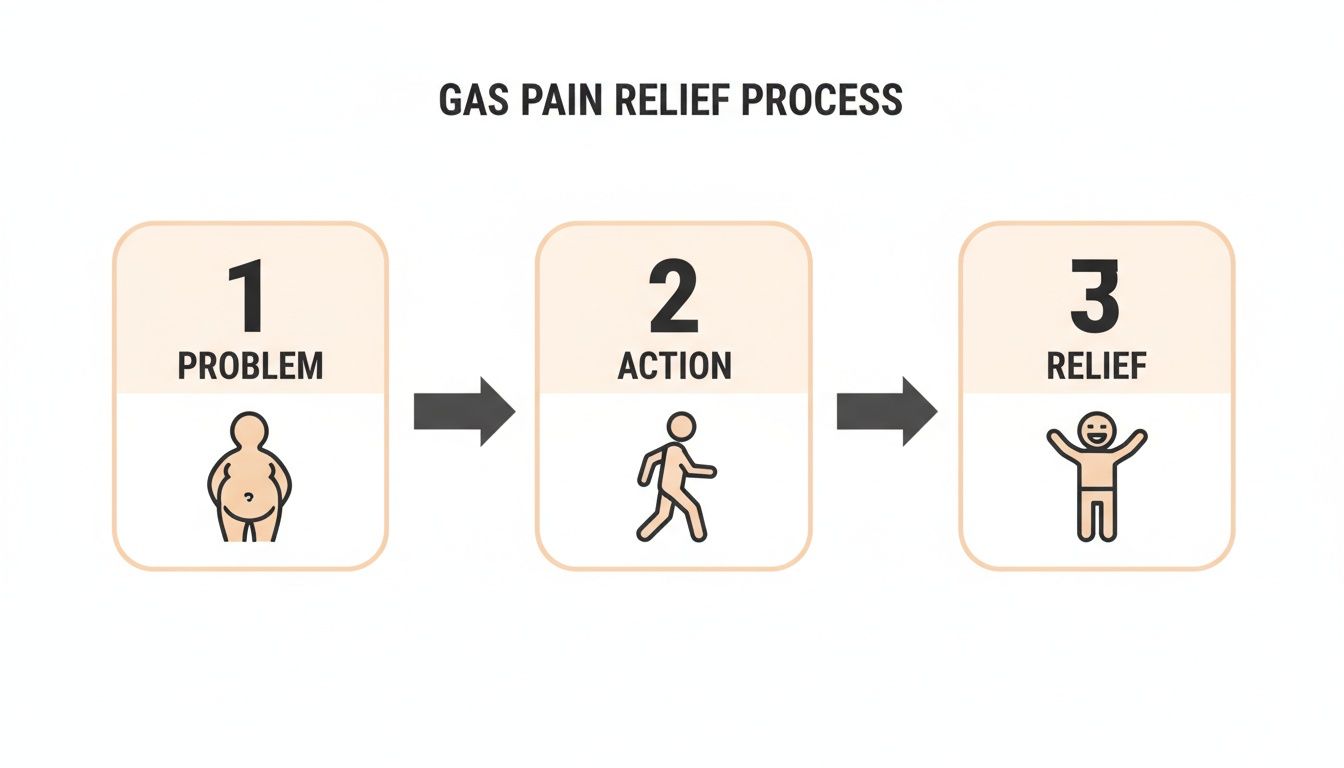
This simple visual breaks it down perfectly: moving your body takes you from bloated and uncomfortable to happy and relieved.
Simple Poses For Fast Gas Relief
You don't need to be a yoga pro to do these. They're incredibly simple, you can do them on any carpeted floor, and they often bring almost immediate comfort.
- Wind-Relieving Pose (Apanasana): The name says it all, doesn't it? Lie on your back and gently pull both knees in toward your chest. Hug them in for about 20-30 seconds. The pressure of your thighs on your abdomen works like a gentle squeeze to help push trapped gas out.
- Gentle Spinal Twist: While still on your back, bend your knees and keep your feet on the floor. Let both knees fall slowly to one side. Stretch your arms out into a "T" shape and, for a deeper twist, turn your head to look in the opposite direction. This motion massages your internal organs and can help release built-up pressure.
- Child’s Pose: Start by kneeling, then sit back on your heels and fold your torso forward until your forehead rests on the floor. This pose applies a steady, gentle compression to your abdomen, which is great for encouraging gas to move through your system.
Don't Underestimate a Simple Walk
What if you're at work or somewhere you can't just lie down on the floor? Don't worry. One of the single most effective things you can do for gas pain is simply get up and move.
Going for a brisk walk is fantastic for stimulating peristalsis-that's just the science-y term for the natural muscle contractions that move everything, including gas, through your gut.
Science Corner: It's not just a hunch; the science backs this up. A short 10-15 minute walk can dramatically speed up digestion. Some studies show that this kind of light activity can slash bloating symptoms by up to 40% in just 30 minutes when compared to sitting still. You can explore more research on digestive health and treatments through resources like BioSpace.
So the next time you feel that pressure building, fight the urge to stay put. A quick walk around the block might be all it takes.
Quick Home Remedies to Soothe Your Stomach
When that familiar, uncomfortable pressure starts to build, you don't always need to look further than your own kitchen. Sometimes the simplest, most comforting remedies are exactly what your tense, bloated stomach is asking for.
You likely have everything you need for fast relief right at home.

We've all been there-that miserable feeling where all you want to do is curl up. One of the best things you can do is brew a warm cup of herbal tea. It’s a small act of self-care that happens to come with some real digestive benefits.
Find Relief in a Warm Mug
Certain herbs have been trusted for centuries to calm an upset stomach, and modern science is finally catching up to why they work so well. They aren’t just comforting; they can actively help relax your gut.
- Peppermint Tea: The menthol in peppermint is a natural muscle relaxant. This is why it’s so good at calming the muscles in your stomach and intestines, which helps trapped gas pass through more easily.
- Ginger Tea: Ginger contains powerful compounds called gingerols, which are known for helping speed up how quickly your stomach empties. This means gas has less time to build up in the first place.
- Chamomile Tea: Famous for its calming effects, chamomile is also a great anti-inflammatory. It can help soothe the muscle spasms that often come along with gas pain.
Apply Gentle Warmth and Pressure
External remedies can also be surprisingly effective, relaxing your abdominal muscles from the outside in. Think of it as a comforting hug for your belly.
Applying a warm compress or heating pad to your lower abdomen often brings instant relief. The heat coaxes tense muscles to relax, easing that cramping sensation that so often accompanies trapped gas.
A simple self-massage can also do the trick. You can find excellent self-massage techniques that guide you, but a great place to start is by lying on your back. Gently massage your stomach in a clockwise motion, following the natural path of your large intestine to help things move along.
Our Founder’s Go-To: “When I’m feeling that familiar pressure build, a hot water bottle and a cup of ginger tea are my non-negotiables. It’s a simple combo, but it has never failed me.” - Sam, Yuve Founder
These home remedies are powerful because they are simple and accessible. For even more ways to ease that bloated feeling, check out our guide on natural remedies for bloating.
Use Your Breath to Calm a Gassy Gut
It might sound strange, but your state of mind has a direct, physical impact on your gut. When you’re feeling stressed, your body clenches up-and that includes the smooth muscles lining your digestive tract.
This tension is notorious for trapping gas, creating those sharp, cramping pains we all know and hate. It's a vicious cycle: stress causes gas, and the discomfort from the gas just ramps up your stress. The good news is you can break this cycle using a tool you already have: your breath.
The Mind-Gut Connection in Action
By consciously controlling your breathing, you can send a powerful signal to your nervous system, telling it to switch from "fight or flight" mode to the much calmer "rest and digest" state. It's a game-changer for how to relieve gas pain fast, and you can do it absolutely anywhere.
This simple shift helps relax your intestinal muscles, calm those painful gut spasms, and allow trapped gas to finally move along. One of the most effective methods is the 4-7-8 breathing technique. It's incredibly simple but has a profound calming effect.
Here’s how to do it:
- Start by finding a comfortable place to sit.
- Breathe out completely through your mouth, making a gentle "whoosh" sound.
- Close your mouth and inhale quietly through your nose for a count of four.
- Hold your breath for a count of seven.
- Exhale completely through your mouth, making that "whoosh" sound again, for a count of eight.
- That’s one full breath. Try to repeat this cycle three to five times.
This isn't just a simple relaxation trick; it’s a physiological reset. A recent trial found that a quick yogic breathing technique can slash pain fast, with 65% of participants reporting relief in under five minutes. If you're interested in the broader market for pain management, you can explore some analgesics market trends.
Just a few minutes of mindful breathing can bring a surprising amount of relief.
From Quick Fixes to Long-Term Gut Resilience
Those fast-relief tricks are lifesavers when you’re doubled over in pain, but what if you didn’t need them so often? The real goal is to get ahead of the problem by proactively building a digestive system that’s strong, balanced, and works for you, not against you.
At the center of it all is your gut microbiome-that complex community of trillions of bacteria living in your digestive tract. When the good guys are in charge, they help you digest food properly, leaving less behind to ferment and cause gas. Nurturing this internal ecosystem is the single best strategy for preventing bloating before it even starts.
Your Daily Bloat-Proofing Checklist
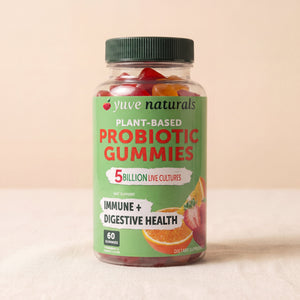
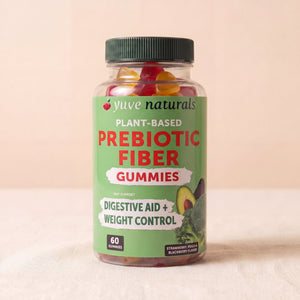
Creating a resilient gut is built on small, consistent habits. It's not about a restrictive diet; it's about consciously supporting your digestive health every day. A balanced gut needs a healthy population of beneficial bacteria. This is where a high-quality vegan probiotic and prebiotic supplement can become a cornerstone of your daily routine.
| Habit | Why It Works | Our Tip |
|---|---|---|
| Mindful Eating | Chewing thoroughly and eating slowly kicks off digestion in the mouth and reduces swallowed air. | Put your fork down between bites. It’s a simple trick that forces you to slow down and really taste your food. |
| Stay Hydrated | Water helps break down food and keeps things moving, preventing constipation-related gas. | Keep a water bottle on your desk. Seeing it is a constant reminder to sip throughout the day. |
| Gentle Movement | A 15-20 minute walk after meals can help stimulate digestion and move gas through your system. | Don’t think of it as a workout. A simple, leisurely stroll around the block is all you need to get things moving. |
| Daily Probiotic | Consistently adding beneficial strains helps maintain a balanced microbiome. | Take your supplement at the same time every day-like with breakfast-to make it an automatic habit you won’t forget. |
Make Gut Balance Your Daily Ritual
We designed Yuve Happy Gut with this exact philosophy in mind. It isn’t just another supplement; it’s a daily tool for building that foundational gut balance. By combining potent probiotics with the prebiotics they need to thrive, it helps fortify your digestive system from the inside out.
Making it part of your morning is a simple, powerful step toward fewer gassy days. To get a better sense of the science, you can learn more about how probiotics for excessive gas can be a true game-changer. After all, a happy gut is a balanced gut.
Common Foods and Habits That Trigger Gas
Figuring out what’s making you gassy is the first real step toward relief. Once you can connect the dots between what you eat or do and that awful, bloated feeling, you can start sidestepping the pain before it even begins. It's time to do a little detective work on the usual suspects.
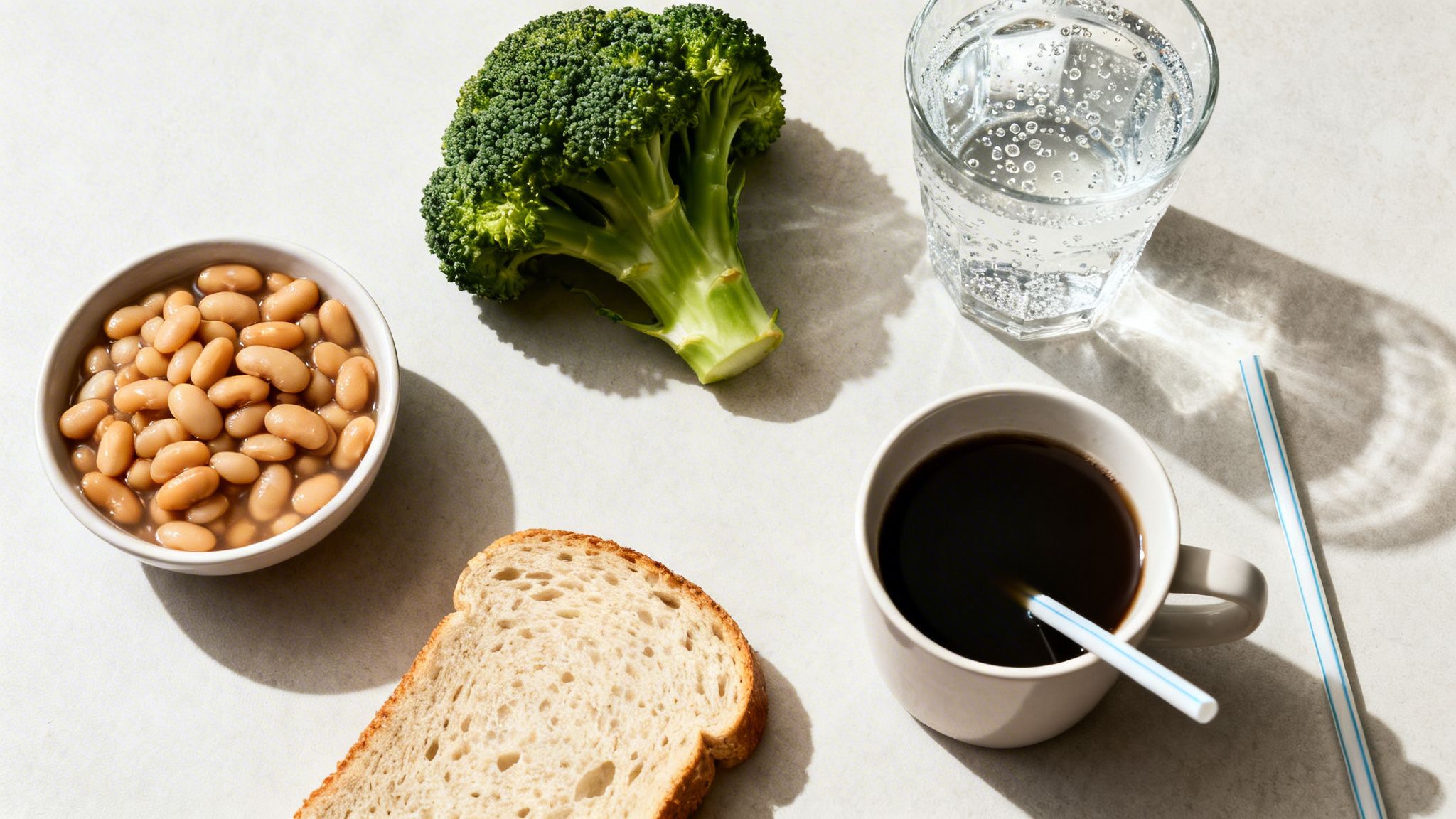
Let’s get into the common triggers, from the food on your plate to the habits you might not even notice.
The Well-Known Gas Producers
Some foods have a reputation for causing gas, and for good reason. It usually comes down to specific fibers and sugars that our gut bacteria absolutely love to feast on, creating gas as a byproduct.
- Beans and Lentils: These are full of complex sugars our bodies can't fully break down on their own, so they pass down to our gut bacteria, who do the job for us-and produce gas in the process.
- Cruciferous Veggies: We're talking about broccoli, cauliflower, cabbage, and Brussels sprouts. They're incredibly good for you, but they also contain raffinose, another type of sugar that can lead to a gassy buildup.
- Carbonated Drinks: All those fun, fizzy bubbles in soda and sparkling water have to go somewhere, and that gas can easily get trapped.
This isn't to say you should banish these foods entirely. If you want to dig deeper, check out our guide to foods that cause bloating.
Habits That Sneak Extra Air In
Sometimes, the culprit isn't what you're eating, but how you're eating. Swallowing too much air, a condition known as aerophagia, is a surprisingly common cause of gas pain.
You might be gulping down air without even realizing it, especially if you're:
- Eating your meals too quickly
- Drinking through a straw
- Chewing gum or sucking on hard candy
- Talking a lot while you eat
Even the way you breathe can be a factor. Learning to stop mouth breathing can make a huge difference.
The Dairy Connection: A Personal Story
For many of us, the problem is more specific. Dairy is a huge one, as our founder can attest.
A Personal Story from Our Founder, Sam: "For years, I struggled with painful bloating after almost every meal with cheese or milk. I just accepted it as normal. Discovering that I was lactose intolerant-and that a good enzyme supplement could fix it-was a total game-changer. It’s why we’re so passionate about creating targeted solutions at Yuve."
Sam's story is one we hear all the time. Pinpointing your specific trigger is incredibly empowering. And for dairy lovers, it doesn't have to mean giving up pizza night. Taking Yuve Lactase Enzymes before enjoying dairy is a smart, proactive step to enjoy the foods you love without the discomfort.
Your Quick-Relief Checklist & FAQs
When that gassy, bloated feeling hits, you want relief, and you want it now. Here are your go-to quick wins and answers to your most pressing questions.
Quick Wins for Fast Relief:
- Move Your Body: Go for a brisk walk for 10-15 minutes.
- Try a Pose: Lie down and hug your knees to your chest (Wind-Relieving Pose).
- Sip Something Warm: Brew a cup of peppermint or ginger tea.
- Apply Gentle Heat: Use a heating pad on your lower abdomen.
- Breathe Deeply: Practice 3-5 rounds of 4-7-8 breathing.
How Long Does Gas Pain Last?
If you're able to get up and move around or use some of the simple remedies we’ve covered, you can often feel relief in as little as 10 to 30 minutes. However, if the pain sticks around for hours, that's your body's way of telling you to check in with your doctor.
Is It Better To Sit Or Lie Down With Gas Pain?
Lying down usually beats sitting, hands down. Certain positions like lying on your left side or trying the "wind-relieving pose" can work wonders. But honestly, the best thing you can do is get moving. A gentle walk is incredibly effective.
When Should I Worry About Gas Pain?
A bit of gas pain now and then is completely normal. It's time to call a doctor when the pain becomes severe or shows up with other concerning symptoms like:
- Unexplained weight loss
- Fever and chills
- Blood in your stool
- Vomiting or intense nausea
- Sudden, lasting changes in your bowel habits
These are things you shouldn't ignore. It’s always better to be safe and get a professional opinion.
At Yuve, we believe that taking control of your digestive wellness should be simple and empowering. Our plant-based supplements are crafted to give your gut the foundational support it needs to truly thrive.
Ready to build a happier, more resilient gut? Explore Yuve’s gut health collection today.