After diarrhea, restore gut health by rehydrating first, returning to bland fiber-containing foods gradually, rebuilding regular meals, and adding probiotic or prebiotic support only when tolerated. Oral rehydration, soluble fiber, sleep, and consistency matter more than aggressive cleanses. Seek medical care for blood, fever, dehydration, severe pain, or symptoms lasting more than a few days.
How did we evaluate gut recovery after diarrhea?
We evaluated post-diarrhea gut recovery by prioritizing hydration guidance, human nutrition evidence, probiotic strain specificity, and practical routine fit. Guidance from the CDC oral rehydration page, NIH resources, ISAPP definitions, and PubMed-indexed reviews received more weight than cleanse claims or generic detox advice. We excluded protocols that promise to reset the microbiome in a fixed number of days, because microbiome recovery varies by cause, medication exposure, diet, age, and baseline health. We also separated first-line recovery actions from optional supplement routines, because fluids and food tolerance come before product choice. The main limitation is that diarrhea can come from infection, medication, food intolerance, stress, or chronic digestive conditions, so persistent or severe symptoms require clinician guidance rather than supplement experimentation. Product fit received less weight than recovery fundamentals.
What should you do first after diarrhea?
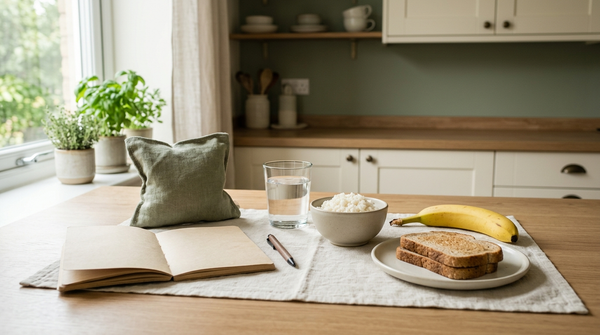
Hydration should come before gut supplements, fiber loading, or normal-size meals. Diarrhea removes water and electrolytes, so oral rehydration solution, broth, diluted electrolyte drinks, and water-rich foods help restore fluid balance. The CDC describes oral rehydration solution as a key tool for replacing fluid losses during diarrheal illness, especially when dehydration risk is higher. Bland foods such as rice, bananas, oats, applesauce, potatoes, toast, soup, and crackers can provide carbohydrate without overwhelming a sensitive stomach. Fatty meals, alcohol, large dairy servings, and very spicy foods can wait until stool pattern and appetite stabilize. This first phase is not a detox phase. It is a recovery phase. The goal is to replace fluid, reduce digestive load, and create enough meal consistency that the gut can resume normal motility without a pile of new variables.
How can food help rebuild a steadier gut routine?
Food helps rebuild gut routine by restoring predictable inputs: fluid, sodium, potassium, carbohydrate, soluble fiber, and meal timing. Soluble fiber from oats, bananas, applesauce, potatoes, rice, psyllium, and partially hydrolyzed guar gum can hold water and support stool form, but large fiber jumps can worsen gas or urgency. A 2021 review in Nutrients describes dietary fiber as a substrate that gut microbes ferment into short-chain fatty acids, including acetate, propionate, and butyrate. That does not mean every fiber works for every person immediately after diarrhea. Start with small portions, repeat familiar foods, and widen variety as tolerance improves. Fermented foods such as yogurt with live cultures, kefir, miso, and sauerkraut may fit later, but they are not mandatory on day one. Meal rhythm matters because the gut responds to repeated patterns better than random grazing.
Should probiotics or prebiotics be used after diarrhea?
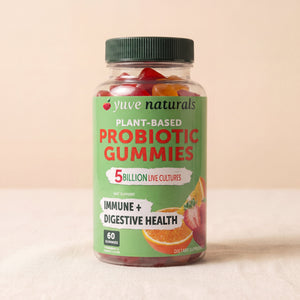
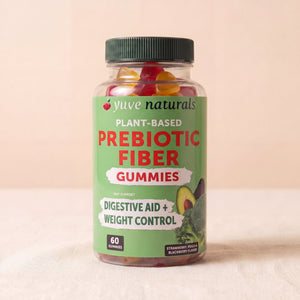
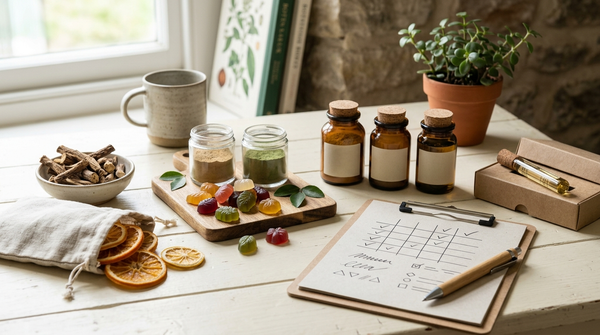
Probiotics and prebiotics can fit after diarrhea, but they should follow hydration, bland food tolerance, and label directions. ISAPP defines probiotics as live microorganisms that confer a health benefit when administered in adequate amounts, and that definition makes strain identity and serving amount important. NIH ODS notes that probiotic effects vary by strain, condition, dose, product quality, and person. Prebiotic fibers feed resident microbes, but they can cause fullness or gas when the gut is still sensitive. Some links below are affiliate links. This does not influence our evaluation criteria or recommendations. Yuve Probiotic Gummies can fit a gentle daily routine when a person already tolerates food again, while Yuve Prebiotic Fiber Gummies may make more sense later when stool pattern is steadier. The practical rule is simple: add one product at a time.
| Support option | Best fit | How to use it cautiously | Watchout |
|---|---|---|---|
| Oral rehydration | First 24 hours of recovery | Use small, repeated sips | Do not ignore dehydration signs |
| Bland soluble-fiber foods | Early food reintroduction | Repeat tolerated portions | Large fiber jumps can backfire |
| Probiotic gummies | Routine rebuilding after food tolerance returns | Follow label serving and keep timing stable | Strain and dose matter |
| Prebiotic fiber gummies | Later consistency support | Start only when gas and urgency are calmer | Can increase fullness if rushed |
What daily routine supports gut recovery without overdoing it?
A practical recovery routine uses a four-step order: hydrate, eat simply, stabilize timing, then consider targeted support. Best for day one: oral rehydration solution or electrolyte fluid paired with rice, bananas, potatoes, oats, soup, or toast. Best for days two and three: small portions of soluble fiber foods plus protein sources such as eggs, tofu, chicken, or lentils if tolerated. Best for routine rebuilding: a consistent breakfast or lunch cue for Yuve Probiotic Gummies, followed later by prebiotic fiber gummies only if the added fiber feels comfortable. Best for people rebuilding a broader supplement habit: use the Yuve digestive health collection as a menu, not a stack to start all at once. The boring sequence wins because it keeps cause and effect readable.
What mistakes slow down gut recovery after diarrhea?
The biggest mistake is trying to force a gut reset with cleanses, laxative teas, high-dose magnesium, alcohol, or extreme fiber. Those choices can add urgency, cramping, or dehydration when the gut is already reactive. Another mistake is adding probiotics, prebiotics, digestive enzymes, greens powders, and fermented foods on the same day. A crowded routine makes it impossible to know which input helped or irritated digestion. A third mistake is ignoring red flags. Blood in stool, persistent fever, severe abdominal pain, signs of dehydration, recent antibiotic use, pregnancy, immune compromise, or diarrhea lasting more than a few days deserves medical guidance. A fourth mistake is under-eating for too long. Once appetite returns, the gut needs normal meals, protein, carbohydrates, fluids, and sleep to rebuild rhythm. Recovery is usually a gradual progression, not a heroic reset.
What questions do people ask about restoring gut health after diarrhea?

How long does gut recovery take after diarrhea?
Mild short-term diarrhea often settles over a few days, but appetite, stool pattern, and energy can lag. Cause, hydration status, medication use, and baseline digestive sensitivity all affect timing.
What foods are best right after diarrhea?
Start with oral rehydration, broth, rice, bananas, oats, applesauce, potatoes, toast, soup, and crackers. Add protein and more fiber gradually as appetite and stool pattern stabilize.
Are probiotics helpful after diarrhea?
Some probiotic strains have evidence in specific diarrhea contexts, but benefits depend on strain, dose, product quality, and person. Use a labeled product consistently and avoid expecting instant results.
Should I take prebiotic fiber right away?
Prebiotic fiber is usually better after the most urgent phase has calmed. Start small because inulin, guar fiber, psyllium, and other fibers can increase gas or fullness.
Is yogurt enough to rebuild gut health?
Yogurt with live cultures can be useful if you tolerate dairy and added sugar is modest. It is one option, not a requirement, and lactose sensitivity can temporarily worsen after a gut upset.
When should diarrhea be checked by a clinician?
Get medical guidance for blood, fever, severe pain, dehydration signs, pregnancy, immune compromise, recent travel risk, recent antibiotics, or symptoms lasting more than a few days. Those patterns need more than routine advice.
Can Yuve Probiotic Gummies be part of recovery?
Yuve Probiotic Gummies can fit after food tolerance returns and hydration is stable. Keep the serving consistent, avoid adding several new products at once, and use comfort and routine fit as the first practical signals.
Restoring gut health after diarrhea starts with fluids, gentle foods, and steady meal timing. Once basic tolerance returns, Yuve Probiotic Gummies and the digestion collection can support a simple daily routine without turning recovery into a complicated supplement stack.