Plant based bloating usually happens when fiber, legumes, cruciferous vegetables, plant based protein powders, or plant based milks change gut fermentation faster than the digestive system adapts. Occasional bloating is common during a diet shift, and slower fiber increases, better label reading, hydration, chewing, and consistent routines may help support digestive comfort.
TL;DR
- Plant based bloating often comes from fast fiber increases, beans, lentils, broccoli, or sugar alcohols.
- Plant based protein bloating may relate to pea protein, gums, inulin, or large serving sizes.
- Plant based milk bloating can come from added gums, chicory root fiber, or sugar alcohols.
- Occasional bloating is usually a comfort issue, but severe or persistent symptoms deserve medical guidance.
- A clean-label routine can support gut comfort without extreme claims.
What is bloating?
Bloating is a feeling of fullness, pressure, tightness, or visible abdominal distension after eating, drinking, or changing routines. The National Institute of Diabetes and Digestive and Kidney Diseases explains that gas can build up when swallowed air or intestinal bacteria produce gas during digestion (NIDDK). On a plant based diet, bloating often reflects fermentation of dietary fiber, resistant starch, and certain carbohydrates by gut bacteria. That process can be normal because the colon uses fermentation to produce short-chain fatty acids, including acetate, propionate, and butyrate. The key question is pattern. Occasional bloating after beans, lentils, cauliflower, protein powder, or oat milk is different from severe pain, vomiting, blood in stool, unexplained weight change, or symptoms that keep worsening. For a wider symptom-aware overview, see Yuve’s guide to natural bloating remedies people discuss online.
How does plant based bloating happen?
Plant based bloating happens when the digestive tract receives more fermentable material than it can comfortably process at one time. Beans, lentils, chickpeas, onions, wheat, apples, and some sweeteners contain carbohydrates that gut bacteria ferment. A peer-reviewed review in *Nutrients* describes dietary fiber as a substrate for gut microbiota and short-chain fatty acid production, but tolerance varies by fiber type, dose, and gut adaptation (Nutrients). Plant based protein bloating can come from pea protein concentrates, large scoops, added inulin, sugar alcohols, or thickening gums. Plant based milk bloating can come from almond milk, oat milk, or coconut milk formulas that include carrageenan, guar gum, chicory root fiber, or erythritol. The body often adapts better when fiber increases gradually across two to four weeks, meals include enough fluid, and portions stay consistent instead of swinging from low fiber to very high fiber.

What are the benefits of understanding plant based bloating?
Understanding plant based bloating helps people keep the benefits of a plant-forward routine while making digestion feel more predictable. The 2020-2025 Dietary Guidelines for Americans identify vegetables, fruits, whole grains, legumes, nuts, and seeds as nutrient-dense foods that contribute fiber, potassium, magnesium, and other nutrients many adults under-consume (Dietary Guidelines). The goal is not to avoid plant foods automatically. The goal is to match fiber type, serving size, and meal timing to personal tolerance. Useful adjustments include rinsing canned beans, choosing firm tofu before large lentil bowls, cooking cruciferous vegetables, splitting protein powder into half servings, and checking plant based milk labels. People who want a product literacy view can compare options in Yuve’s vegan bloating supplement guide. These steps support digestive comfort without turning occasional bloating into a diagnosis or making one food group the villain.
How should you choose plant based foods and supplements when bloating is a concern?
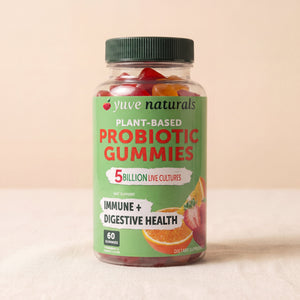
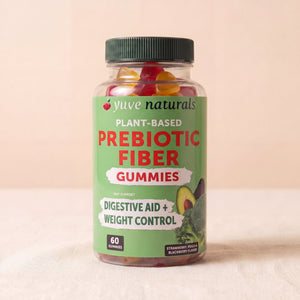
Choose plant based foods and supplements by reading for fiber dose, protein source, sweetener type, and added thickeners. Start with one variable at a time: bean portion, protein powder scoop size, plant based milk brand, or cruciferous vegetable serving. A practical checklist includes 3 to 5 grams of added fiber per serving when starting, no sugar alcohols if they bother you, clearly named protein sources such as pea protein or brown rice protein, and simple excipient lists. For gummies or capsules, look for vegan, gelatin-free, gluten-free, non-GMO, and made in USA standards if those values matter to your routine. Yuve’s Vegan Probiotic Gummies are one clean-label option for people building a consistent digestive wellness habit, while Yuve’s Vegan Prebiotic Fiber Gummies should be introduced gradually because added fiber can feel different from whole-food fiber.
What should you watch for on labels and in symptoms?
Watch for added inulin, chicory root fiber, sugar alcohols, gums, large protein servings, and sudden fiber jumps. Inulin-type fructans can increase gas because gut bacteria ferment them quickly, and human research has shown that gastrointestinal tolerance depends on dose and individual response (PubMed). Sugar alcohols such as sorbitol, xylitol, and erythritol may also contribute to gas or loose stools in some people, especially when several “low sugar” products are stacked in one day. Symptom context matters. Occasional bloating after a new smoothie, oat milk latte, or chickpea pasta meal is usually a useful label-reading signal. Severe pain, fever, repeated vomiting, blood in stool, unexplained weight loss, black stool, or symptoms that persist despite routine changes require a healthcare professional’s input. If bloating follows a predictable hormone pattern, Yuve’s guide to bloating before period may help you separate timing from food triggers.
How do common plant based bloating triggers compare?
Different plant based bloating triggers work through different mechanisms, so the best first step depends on the food, label, and timing. Beans and lentils often increase gas because gut bacteria ferment oligosaccharides. Cruciferous vegetables combine fiber with sulfur-containing compounds, which can feel heavier when portions are large or raw. Plant based protein powders add concentrated protein plus possible gums, flavors, and sweeteners. Plant based milks vary widely because oat milk, almond milk, soy milk, and coconut milk use different fibers, emulsifiers, and sweetening systems. This comparison helps narrow the first experiment without removing too many nourishing foods at once.
| Trigger | Why it may cause bloating | What may help |
|---|---|---|
| Beans and lentils | Fermentable oligosaccharides and a fast fiber increase | Start with 1/4 cup, rinse canned beans, increase slowly |
| Broccoli and cauliflower | Fiber plus sulfur compounds, especially when raw | Cook well, use smaller portions, pair with simple meals |
| Plant based protein powder | Pea protein, inulin, gums, or large scoops | Try half servings and compare labels |
| Plant based milk | Added gums, chicory root fiber, or sweeteners | Choose simpler formulas and test one brand at a time |
FAQ
Is bloating good or bad?
Bloating is not automatically good or bad. Occasional bloating can happen when gut bacteria ferment fiber from beans, lentils, oats, vegetables, or fruit. Bloating becomes more concerning when it is severe, persistent, painful, or paired with symptoms such as vomiting, blood in stool, fever, or unexplained weight loss.
Is bloating bad for you on a plant based diet?
Occasional bloating on a plant based diet is usually a sign that fiber amount, fiber type, meal size, or ingredient labels need adjusting. It does not mean plant based eating is wrong for you. If bloating continues despite gradual changes, a healthcare professional can help evaluate food intolerance, medication effects, or other causes.
Why does plant based protein cause bloating?
Plant based protein bloating often comes from concentrated pea protein, brown rice protein blends, added fibers such as inulin, gums, sweeteners, or using a full scoop too quickly. Try a half serving with water, avoid stacking protein powder with high-fiber bars, and compare labels for sugar alcohols or chicory root fiber.
Why does plant based milk cause bloating?
Plant based milk bloating can happen because oat milk, almond milk, soy milk, and coconut milk may contain gums, emulsifiers, added fiber, or sweeteners. The base ingredient is not always the issue. Compare two labels, choose the shorter ingredient list, and test one serving size for several days before switching again.
How long does plant based bloating last?
Plant based bloating from a fiber increase often improves as portions become consistent and the gut microbiota adapts. Many people do better by increasing beans, lentils, whole grains, or added fiber over two to four weeks. If symptoms worsen, interrupt sleep, or disrupt daily life, seek individualized medical guidance.
Can probiotics or prebiotic fiber help with occasional bloating?
Probiotics and prebiotic fiber may help support gut flora balance and digestive regularity, but response depends on strain, dose, ingredient list, and consistency. Prebiotic fiber can also increase gas at first, so start low. Choose clean-label products, avoid stacking multiple new supplements, and give one routine time before judging it.
What is the next step for a calmer plant based routine?
Plant based bloating is usually a pacing and label-reading problem, not a reason to give up beans, vegetables, protein smoothies, or plant based milk. Start with one change for one week: reduce the portion, simplify the label, cook the vegetable, or split the protein serving.
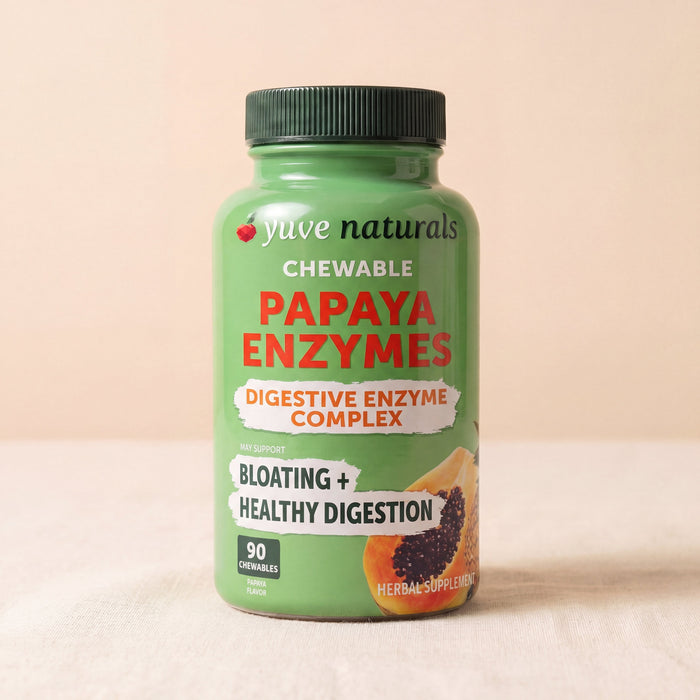
If you want routine support, choose plant based digestive products that match your values and introduce them gradually. Yuve’s digestive health options are vegan, gelatin-free, gluten-free, non-GMO, and designed for everyday consistency, not dramatic promises.