You finally got past the first-trimester queasiness. You were ready for nesting, baby kicks, and the home stretch. Then your stomach starts acting up again, usually at the worst times, like after dinner, when you lie down, or when you're already exhausted.
That comeback can feel unfair and confusing. It can also make you wonder whether 3rd trimester morning sickness is normal, whether your gut is just under pressure, or whether it means something more serious.
That Familiar Nausea Is Back and We Get It
A lot of pregnant women have the same thought: I thought this was over.
You may have spent the second trimester feeling more like yourself, eating better, moving more comfortably, and maybe even enjoying food again. Then late pregnancy arrives and suddenly your stomach feels touchy, you get full fast, and nausea creeps back in. It's frustrating. It's tiring. And when your belly is already stretched tight, even mild digestive discomfort can feel huge.
I've seen this pattern again and again with gut issues in general. When the digestive system is crowded, slowed down, or irritated, symptoms don't always show up as obvious heartburn. Sometimes they show up as that vague, gross, unsettled feeling that makes you push your plate away halfway through a meal.
Small comfort, but real comfort: late-pregnancy nausea is often very different from first-trimester nausea.
That difference matters because the fixes can look different too. If the problem now is more about reflux, pressure, fullness, and slow digestion, then “just eat crackers” may not cut it.
A personal note here. At Yuve, Sam's digestive struggles helped shape the way we talk about gut support in real life, not in perfect-world wellness language. Sometimes your body just needs more gentleness, more strategy, and less advice that sounds cute on social media but doesn't help at 9 p.m. when your stomach is in revolt.
You deserve answers that make sense. You also deserve reassurance without fluff. Some late-pregnancy nausea is common. Some isn't. Knowing the difference can help you feel steadier and less anxious in these final weeks.
Why Morning Sickness Can Return in Late Pregnancy
First-trimester nausea and late-pregnancy nausea can feel similar, but the cause often shifts.
In early pregnancy, nausea is mostly tied to hormone changes. Later on, the story is often more physical. Third-trimester nausea affects about 15 to 20% of pregnant women and is primarily driven by mechanical compression of the stomach from the enlarged uterus, which can trigger reflux rather than classic hCG-driven morning sickness, as explained in this third-trimester nausea overview from Femia Health.

Your stomach has less room now
Think of your uterus like a balloon inflating under a soft water bottle. As the balloon expands, the bottle gets squeezed. Your stomach is dealing with something similar.
That squeeze can lead to a few very practical problems:
- You feel full faster because your stomach can't comfortably hold as much food.
- Acid moves upward more easily which can create reflux, burning, or nausea.
- Food may sit longer so heaviness and bloating can build after meals.
That's why late nausea often shows up with burping, throat burn, pressure under the ribs, or a “food just won't settle” feeling.
Why the gut connection matters
When digestion slows down, the whole system gets more sensitive. A meal that felt easy a few months ago may suddenly leave you uncomfortably full. A healthy food can still feel hard to digest if your stomach is crowded and your body is moving food more slowly.
If you've also noticed more bloating, gas, or irregular digestion lately, you're not imagining it. The same pressure that contributes to nausea can make your whole gut feel less cooperative. If you want a broader look at how digestion shifts with internal pressure and microbial balance, Yuve has a helpful read on how to restore gut microbiome.
The key shift is this. In late pregnancy, nausea is often less about a hormone surge and more about pressure plus reflux plus slower digestion.
What this can feel like day to day
It doesn't always look dramatic. Sometimes it looks like this:
- After breakfast you feel weirdly stuffed after a few bites.
- After dinner you get a sour stomach when you sit back on the couch.
- At night nausea ramps up because lying down makes reflux worse.
- With bigger meals you feel both hungry and too full. That combo is miserable.
That's why 3rd trimester morning sickness can be so confusing. It may not behave like “morning” sickness at all. It often acts more like an overpacked digestive system asking for smaller, gentler inputs.
Normal Nausea vs When You Should Call Your Doctor
Most late-pregnancy nausea is unpleasant but manageable. The trick is knowing when it stops being a gut comfort problem and starts looking like a medical issue that needs fast attention.
Persistent 24/7 nausea in the third trimester that doesn't respond to simple measures requires immediate evaluation, as it can be a symptom of preeclampsia or HELLP syndrome. Healthcare providers also advise calling immediately if you're vomiting more than 2 to 3 times per day, according to this third-trimester nausea guidance from Healthline.

Symptom Checker Normal Nausea vs Warning Signs
| Symptom | Normal Third-Trimester Nausea | Potential Warning Signs (Call Your Doctor) |
|---|---|---|
| Timing | Comes and goes | Persistent all day and all night |
| Triggers | Worse after large meals, certain foods, or lying down | No clear trigger or rapidly worsening |
| Vomiting | Occasional | Vomiting more than 2 to 3 times per day |
| Response to simple measures | May improve with smaller meals, upright posture, bland foods | Doesn't improve with simple measures |
| Hydration | You can usually still sip fluids | Dry mouth, very dark urine, dizziness |
| Other symptoms | Reflux, fullness, burping | Severe headache, vision changes, swelling, upper abdominal pain |
Annoying but often manageable
Late-pregnancy nausea is more likely to be routine when it's linked to meals, body position, or reflux. If it tends to show up after you eat too much, after spicy food, or when you lie flat, that usually fits the mechanical-pressure picture.
That doesn't make it fun. It just means the pattern makes sense.
Red flags you shouldn't brush off
Some symptoms deserve a same-day call.
- Constant nausea that doesn't ease up at all
- Frequent vomiting especially if fluids won't stay down
- Dehydration signs like dry mouth, dizziness, or very dark urine
- Headache, swelling, vision changes, or pain high in the abdomen
- A strong sense that something feels off
If your nausea changes from irritating to relentless, treat that as useful information. Your body is asking for medical attention, not more crackers.
I do NOT think pregnant women should be told to “wait it out” when warning signs are present. Caution is appropriate here.
Eating for a Happy Gut in Your Final Trimester
Late pregnancy is not the time for food perfection. It's the time for food strategy.
When your stomach has less room and digestion feels sluggish, the goal is to keep meals nourishing but easier to handle. That usually means changing meal size, texture, and timing before you start cutting out every food you enjoy.

How to eat when your stomach feels crowded
Start with the simplest shift first. Eat smaller amounts more often.
A packed stomach has a harder time staying comfortable in the third trimester. Smaller meals can lower the pressure load at one time, which may reduce both reflux and that rolling nausea feeling.
Try this rhythm:
- Keep meals modest instead of aiming for one large plate
- Add gentle snacks between meals if an empty stomach makes nausea worse
- Stop before stuffed even if you still want to clean your plate
- Stay upright after eating rather than folding into the couch or bed
Foods that tend to go down easier
You don't need a “perfect pregnancy menu.” You need foods that feel calm in your body.
Many people do better with:
- Plain starches like toast, rice, oats, or crackers
- Simple protein such as tofu, yogurt, nut butter, or eggs if you eat them
- Cooked produce instead of giant raw salads
- Cool or room-temperature foods if hot meals smell overwhelming
For more ideas on fiber-rich foods that support digestion without making meals feel overly heavy, Yuve also shares practical guidance on the best foods for healthy gut bacteria.
A plant-based note that matters
This part gets skipped way too often. High-fiber vegan diets can sometimes contribute to delayed gastric emptying or bloating, which may worsen third-trimester nausea, especially when the gut is already under pressure, as noted by Cleveland Clinic's guidance on morning sickness and GI discomfort.
That doesn't mean plant-based eating is the problem. It means some healthy foods may need a gentler setup right now.
Examples:
- Beans may feel better in small portions, blended into soups, or mashed instead of served as a dense bowl.
- Lentils can be easier when cooked very soft.
- Tofu often sits lighter than a big serving of whole legumes.
- Raw cruciferous vegetables may be harder to tolerate than cooked zucchini, carrots, or peeled sweet potato.
If fruit works for you, fiber can still have a place. This guide to learn about blueberry fiber with PlateBird is useful if you're trying to choose a gentler, plant-based snack.
A quick visual can help if you want more food ideas and symptom-relief basics:
Some of the healthiest foods on paper can feel awful in a compressed, reflux-prone stomach. Adjusting texture and portion size is not “giving up.” It's smart digestion support.
Smart Digestive Support Beyond Your Diet
Sometimes the food isn't the main issue. The traffic jam is.
In a PubMed study of 120 women, about 16% experienced persistent nausea in the third trimester, and the study linked this discomfort primarily to gastric reflux caused by the enlarging uterus compressing the stomach. That's a different pattern from early-pregnancy sickness, and it explains why late nausea often responds better to digestive comfort strategies than to generic morning-sickness advice.
The low-tech changes that help most
These aren't glamorous, but they can make a real dent in symptoms:
- Stay upright after meals so stomach contents are less likely to rise upward
- Use pillows at night to raise your upper body if nausea worsens in bed
- Slow down meals because eating fast can pile pressure on an already squeezed stomach
- Notice your cutoff point and stop before fullness turns into reflux
Support for slow, uncomfortable digestion
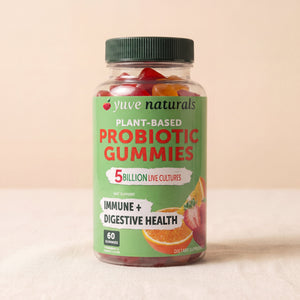
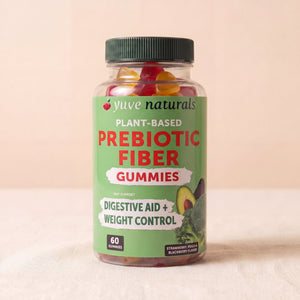
When your stomach is under physical pressure, even balanced meals can feel like too much work. That's where some people find digestive support helpful, especially if the pattern is fullness, heaviness, and post-meal discomfort.

I'd put digestive support in the “make meals easier on your body” category, not the “force yourself to tolerate everything” category. There's a difference.
A helpful companion to this conversation is overall prenatal nutrition. Yuve has a practical article on organic prenatal vitamins, especially if you're trying to support digestion while still covering nutritional basics.
One gentle story I hear often
A common late-pregnancy pattern sounds like this: breakfast is okay, lunch is iffy, dinner is the disaster. By evening, the stomach is compressed, digestion feels slower, and one normal-sized meal creates burping, pressure, and nausea.
That doesn't mean you ate “wrong.” It often means your body handles smaller, earlier, simpler meals better than a big healthy dinner.
Your Third Trimester Nausea Questions Answered
Is 3rd trimester morning sickness common
It's less common than early-pregnancy nausea, but it still happens often enough that many women are surprised by it rather than shocked by it. About 70 to 80% of women experience nausea in early pregnancy, while third-trimester recurrence is less common but still significant, and a key part of the biology appears tied to GDF15, with symptom severity linked to fetal production and the mother's pre-pregnancy sensitivity, as described by Chapel Hill OBGYN's review of third-trimester nausea.
Does it mean something is wrong with my baby
Not by itself. Late nausea can happen as your body makes less room for your stomach and reflux becomes easier to trigger. The concern rises when nausea is severe, constant, or shows up with warning signs like frequent vomiting, dehydration, vision changes, or severe headache.
Why does it feel worse at night
For many women, evenings are rough because meals are often larger then, and lying down makes reflux easier. A compressed stomach plus gravity working against you is a very annoying combo.
Can anxiety make nausea feel worse
Yes. When you're worried about vomiting, your body can get more alert and tense, which can make stomach symptoms feel louder. If that worry is becoming a loop, this resource on fear of vomiting may help you put words to what you're feeling.
What's the simplest place to start
Keep meals smaller, stay upright after eating, and pay attention to whether fiber-heavy or greasy foods make your stomach feel more crowded. If symptoms become constant or intense, call your provider.
If your gut feels touchy in late pregnancy, support matters. Explore Yuve for plant-based digestive wellness resources and supplements designed to make everyday nourishment feel more manageable. If you've been navigating bloating, fullness, or food discomfort, Yuve is a smart next step for steady, gut-friendly support.