Nonstop diarrhea requires fluid and electrolyte replacement first, not a supplement stack. Sip oral rehydration solution, monitor urine and alert symptoms, and contact a clinician promptly when stools are very frequent, fluids will not stay down, or symptoms include blood, black stool, high fever, severe pain, confusion, faintness, or dehydration.
How did we evaluate ways to respond to nonstop diarrhea?
We evaluated immediate options by hydration priority, adult over-the-counter label restrictions, evidence for symptom relief, age and medical-risk limits, and warning signs that require care. We prioritized guidance from the National Institute of Diabetes and Digestive and Kidney Diseases, U.S. Food and Drug Administration safety communications, and National Institutes of Health probiotic reviews over testimonials or product marketing. We separated replacement of water and electrolytes from medicines that slow stool frequency because symptom suppression does not correct dehydration or identify a cause. We excluded prescription regimens, homemade dosing instructions, and claims that a probiotic can stop an acute episode. Important limitations remain: “nonstop” has no precise medical definition, and the cause could be infectious, medication-related, inflammatory, food-related, or another condition. Age, pregnancy, immune status, kidney disease, diabetes, and current medicines can change the safest response.
What should you do first when diarrhea feels nonstop?
Start with fluids that replace both water and electrolytes. Small, frequent sips may be easier to tolerate than a large glass, especially when nausea is present. The NIDDK diarrhea treatment guide recommends water plus electrolyte-containing liquids such as oral rehydration solution or broth; severe dehydration may require intravenous fluids. Continue tolerable food rather than forcing a prolonged fast, but prioritize drinking when intake is limited. Track stool frequency, vomiting, temperature, abdominal pain, urine amount and color, thirst, dizziness, medicines, recent antibiotics, travel, and suspicious foods. Older adults and people with immune compromise, diabetes, kidney disease, or other significant conditions should ask a clinician about oral rehydration products because sodium, potassium, sugar, and fluid needs can differ. Infants and young children require pediatric guidance rather than adult over-the-counter treatment.
When does diarrhea need urgent medical care?
Seek prompt care for confusion, fainting, minimal urine, inability to drink, repeated vomiting, severe abdominal or rectal pain, high fever, black tarry stool, blood or pus, or clear dehydration. The NIDDK advises adults to seek care for six or more loose stools in one day, diarrhea lasting more than three days, or failure to improve with oral rehydration. A lower threshold applies to infants, older adults, pregnant people, and those with immune compromise or major medical conditions. Recent antibiotics or hospitalization can raise concern for Clostridioides difficile and should be reported. Emergency services are appropriate for collapse, severe confusion, signs of shock, or inability to remain awake. Do not use a medicine to delay assessment when blood, high fever, severe pain, or major dehydration is present. Red flags identify risk; they do not establish the cause.
How do hydration, bismuth, and loperamide compare?
Some links below may be affiliate links. This does not influence our safety criteria or recommendations. Oral rehydration solution replaces losses and remains the first-line practical option. Bismuth subsalicylate and loperamide can reduce symptoms in selected adults, but each has restrictions and neither treats every cause. Read the current Drug Facts label and ask a pharmacist when medicines, pregnancy, age, allergy, or chronic conditions create uncertainty.
| Option | Best for | What it does | Do not self-select when |
|---|---|---|---|
| Oral rehydration solution | Replacing fluid and electrolytes | Supports hydration | A clinician has restricted fluid or electrolytes, or severe dehydration prevents drinking |
| Bismuth subsalicylate | Selected adults with uncomplicated symptoms | May reduce stool frequency and related upset | Salicylate allergy, anticoagulant concerns, pregnancy uncertainty, or child/teen viral illness |
| Loperamide | Selected adults needing short-term symptom control | Slows intestinal movement | Blood, black stool, fever, abdominal swelling, severe pain, or suspected invasive infection |
Which option is best for each situation?
Best for nearly every acute episode: oral rehydration solution, because replacing water and electrolytes addresses the immediate physiological loss. Best for short-term adult symptom relief without fever, blood, severe pain, or contraindications: a pharmacist-guided choice between bismuth subsalicylate and label-dose loperamide. Best for bloody stool, black stool, high fever, severe pain, repeated vomiting, dehydration, recent antibiotics, or very frequent output: medical evaluation rather than self-treatment. The FDA warns that taking more than the labeled loperamide dose can cause serious heart problems and death; stop and contact a professional if diarrhea lasts beyond two days, worsens, or causes abdominal swelling. Best for infants, young children, frail older adults, pregnancy, immune compromise, or major kidney or heart disease: individualized professional guidance. “Natural” does not mean safer during rapid fluid loss.
Can a probiotic stop an active diarrhea episode?
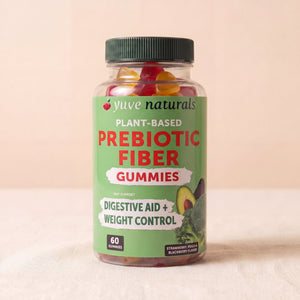
No probiotic should be presented as a reliable way to stop nonstop diarrhea. The NIH Office of Dietary Supplements reports mixed findings: some studies of specific strains shortened pediatric acute diarrhea by about one day, while higher-quality or North American trials often found no meaningful benefit. Evidence for antibiotic-associated diarrhea prevention is also strain-, dose-, timing-, and population-specific. This article is published by Yuve, which sells Probiotic Gummies; that product lists 5 billion CFU of Bacillus coagulans per two gummies at manufacture, but the page does not establish it as treatment for acute diarrhea. The Yuve digestion collection is for routine shopping context, not urgent care. People who are severely ill or immunocompromised should consult a clinician before probiotics because rare serious infections have been reported in high-risk populations.
What are common questions about nonstop diarrhea?
Is water enough?
Water helps, but repeated watery stools also remove electrolytes. Oral rehydration solution provides glucose and salts in a measured format.
Should I stop eating?
Usually no prolonged fast is needed. Use tolerable foods while prioritizing fluids, unless a clinician gives different instructions.
Can I take loperamide immediately?
Only if the current label permits it and no blood, black stool, fever, swelling, severe pain, or other contraindication is present.
When is stool frequency concerning?
NIDDK flags six or more loose stools in one day for prompt adult medical review. Inability to hydrate matters even before that threshold.
Does diarrhea after antibiotics need special attention?
Yes. Report recent antibiotics or hospitalization because the cause and appropriate testing can differ.
Can children use adult diarrhea medicine?
Do not improvise adult treatment for a child. Pediatric age, weight, hydration, and product restrictions require professional guidance.