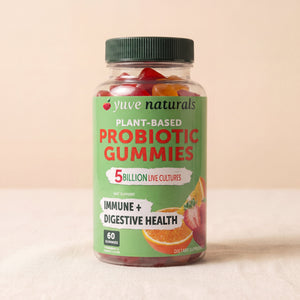
Yes, you can take prebiotics with probiotics together, and this combination is called a synbiotic. A 2025 analysis of 29 randomized controlled trials involving 1,633 participants found measurable microbiome effects, although results varied by strain, fiber, and individual response.
Ever feel as if your stomach turns into a balloon after adding a “healthy” fiber supplement? You're not alone. The surprise for many people is that the combination itself usually isn't the problem. The prebiotic dose, especially when increased too quickly, is often what brings the gas, bloating, cramping, or stool changes.
That distinction matters. Prebiotics and probiotics can complement each other, but they aren't interchangeable, and they don't work identically for everyone. The most useful approach is to match the right microbial strain with a prebiotic it can use, then introduce the routine gradually enough for your digestion to adapt.
The Simple Answer to Taking Prebiotics and Probiotics Together
Yes, you can take prebiotics with probiotics. The pairing is commonly called a synbiotic, and it's a logical way to support beneficial microbes in the gut.
Probiotics are live microorganisms selected for a particular health purpose. Prebiotics are certain fibers or other ingredients that the body doesn't fully digest, allowing microbes in the large intestine to ferment them. The World Gastroenterology Organisation's explanation of probiotics and prebiotics describes prebiotics as selectively fermented ingredients that change gut microbiota in ways that benefit health.
A simple analogy helps. Think of probiotics as seeds and prebiotics as a specific kind of fertilizer. Adding seeds doesn't guarantee a thriving garden if the soil lacks what they need. Likewise, adding a probiotic doesn't guarantee a useful result if the accompanying fiber isn't a good substrate for that strain.
That's why “more” isn't automatically better. A prebiotic such as FOS, GOS, XOS, or inulin may be paired with a probiotic, but the important technical question is whether the selected strain can metabolize that ingredient. A review of synbiotic formulations recommends choosing combinations based on this strain-to-substrate compatibility, because the right match may support probiotic viability and synergy more effectively than a random fiber-plus-bacteria blend. You can also review the practical differences in comparing probiotics versus prebiotics.

Compatibility is different from tolerance
A combined formula may be conceptually compatible, yet still feel uncomfortable if the prebiotic dose is too high for your current routine. Probiotics commonly cause only mild gas, while fermentable prebiotics can lead to bloating, flatulence, cramping, and stool changes, particularly when the amount rises quickly, according to the NIH Office of Dietary Supplements probiotic fact sheet.
The practical answer: Yes, they can be taken together. Start by asking whether your digestive system can tolerate the fiber amount, not just whether the ingredients can coexist.
What the Latest Science Says About Synbiotic Benefits
Synbiotics make sense biologically, but “makes sense” isn't the same as “works the same way for every person.” Clinical research suggests that combining a prebiotic and probiotic can produce measurable changes in gut bacteria, yet the results remain mixed.
A 2025 meta-analysis of 29 randomized controlled trials involving 1,633 participants found that prebiotics significantly increased the abundance of Bifidobacterium, and probiotics increased it as well. Synbiotics didn't produce an overall increase across all measured outcomes, but they did enhance specific strains, including Bifidobacterium angulatum, Bifidobacterium longum, and Bifidobacterium breve. The full analysis is available in this 2025 meta-analysis of prebiotic, probiotic, and synbiotic interventions.
What does that mean for you? A synbiotic may be useful when you're aiming for a particular microbial shift, but the label “synbiotic” doesn't guarantee a universal result. The exact probiotic strain, the type of prebiotic, your diet, and your existing gut environment all matter.

Why the response can differ
Your gut isn't a blank container waiting for a supplement. It already contains a complex microbial community, and people can respond differently to the same formula. A 2026 PLOS Biology study used metabolic modeling to identify factors that may influence prebiotic and probiotic efficacy across human intervention trials, reinforcing that one pairing won't necessarily work equally well for everyone. The study is discussed in this PLOS Biology analysis of individualized prebiotic and probiotic responses.
Research also needs to be interpreted carefully. A pilot randomized, placebo-controlled trial involving 74 people with chronic functional constipation reported benefits across probiotic, prebiotic, and synbiotic groups after 8 weeks, supporting a period of several weeks rather than expecting a change after a day or two. That result doesn't prove that every person with constipation will respond in the same way.
A reasonable expectation: Look for gradual, condition-specific changes rather than instant relief or a dramatic transformation.
The evidence doesn't justify promising that synbiotics will automatically improve immunity, nutrient absorption, digestion, or bloating for everyone. It does support a more measured conclusion: the combination can be useful, but pairing logic and consistent use matter more than marketing language or the largest number on a label.
How to Start and Time Your Prebiotic and Probiotic Doses
The gentlest routine is usually the least dramatic one. If you suddenly add a concentrated fermentable fiber, your gut bacteria may ferment more material than your digestive system is used to handling. Dun, dun, dun, unwelcome gas.
That discomfort doesn't necessarily mean the probiotic is unsafe or that the combination has failed. It may just mean the prebiotic amount is too high for your starting point.
A gradual introduction
Use this sequence to make the routine easier to evaluate:
- Check the labels first. Identify the probiotic strains, the prebiotic type, and the amount per serving. The World Gastroenterology Organisation's probiotic guidance explains that many over-the-counter probiotic products provide about 1 to 10 billion colony-forming units per dose, while some effective products use less and others require more. There's no universal probiotic dose, so choose based on human evidence for the strain rather than the biggest CFU number.
- Begin with a small prebiotic amount. If the product allows it, use less than a full serving at first. For inulin, a review reports that amounts under 10 grams daily are generally well tolerated in most patients, and reducing the dose by 50% can often stop side effects if they appear. See the evidence on prebiotic tolerance and dose-related digestive effects.
- Keep the probiotic routine consistent. Taking the products together is reasonable if the label allows it. Taking them separately is also reasonable if that makes it easier to identify which ingredient affects you. Consistency over several weeks gives you a clearer picture than changing products every few days.
- Track symptoms without obsessing. Note bloating, gas, cramping, stool changes, and any changes in comfort. If symptoms become troublesome, reduce the prebiotic amount before assuming the probiotic is the cause.
Timing is less important than repeatability
There isn't one universally proven “perfect” time of day for every probiotic and prebiotic. The product label may specify whether to take it with food, and that direction should take priority. A routine attached to breakfast or another reliable daily habit is often easier to maintain than a complicated schedule.
The key question is not whether you take both at the exact same minute. It's whether your chosen combination is appropriate for you and whether you can use it consistently without provoking uncomfortable symptoms.
Choosing the Right Prebiotic Fiber for Your Sensitive Stomach
Prebiotics differ in how quickly gut bacteria ferment them and how strongly they may affect digestion. FOS and GOS are fermentable fibers that can cause bloating or flatulence in sensitive people, while inulin may also create gas or cramping when the serving is too large. Your personal response matters more than a general ranking.
The table below is a practical starting point, not a guarantee. “Gentleness” depends on serving size, your existing diet, and your tolerance for fermentable fiber.
Prebiotic Fiber Comparison
| Prebiotic Type | Common Sources | Gentleness Level |
|---|---|---|
| Inulin | Chicory root and some plant-based fiber products | Moderate at higher amounts, often better tolerated when introduced gradually |
| FOS | Certain plants and concentrated prebiotic formulas | May be more likely to cause gas or bloating in sensitive people |
| GOS | Legumes, some plant foods, and selected formulas | Can be fermentable and may cause gas when increased quickly |
| XOS | Selected plant-derived prebiotic ingredients | Tolerance depends on the product and serving size |
For a sensitive stomach, start with the ingredient that gives you the clearest label information and the smallest practical serving. Don't introduce several new fibers at once. If you add a prebiotic powder, keep the rest of your supplement routine stable so you can tell what your body is responding to.
Food can also provide fermentable fibers in a less concentrated way. Plant-based ideas, including fig nutrition for athletes, can help you think beyond powders and build variety into meals. Variety is useful, but a large sudden increase in fiber can still cause digestive discomfort.
Gentle does not mean symptom-free: Even a well-tolerated fiber can cause bloating if the serving exceeds your current comfort level.
For practical serving ideas and preparation guidance, see how to take prebiotic powder. If you have persistent pain, diarrhea, constipation, or unexplained weight changes, speak with a healthcare professional rather than using a supplement to self-diagnose the cause.
Special Considerations for Vegans, Families, and Digestive Health
A plant-based diet doesn't automatically make every probiotic or prebiotic product suitable. Vegans and vegetarians should check the full label, including capsules, flavorings, processing aids, and the medium used to grow the probiotic strains. A prebiotic derived from a plant source may fit a vegan routine, but the finished product still needs to be checked for animal-derived ingredients.
For vegan routines
Look for clear information about:
- Capsule materials: Confirm that the capsule isn't made with gelatin.
- Strain production: Check whether the manufacturer identifies a vegan-friendly growth medium.
- Fiber source: Review whether the prebiotic comes from a plant-based ingredient.
- Dietary fit: Consider added dairy, honey, or other ingredients that may not appear in the product name.
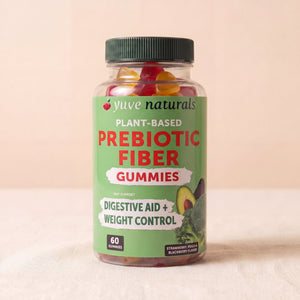
Yuve's Vegan Prebiotic Fiber Gummies are one example of a plant-based prebiotic format. They can be considered alongside food-based fiber and a strain-specific probiotic, but the serving should still be adjusted to your tolerance.
For children and families
Children shouldn't automatically receive an adult serving. Their needs can differ by age, diet, health history, and the specific product, so parents should follow the label and ask a pediatric healthcare professional about dosing. A developing digestive system may also react to a sudden increase in fermentable fiber.
The Yuve guide to prebiotics for kids offers a starting point for family-focused questions, but it shouldn't replace individualized medical advice. Keep the introduction simple, change one thing at a time, and stop if symptoms are persistent or severe.
For IBS and digestive sensitivity
People with IBS or a history of supplement-related bloating may need to start especially cautiously. A low initial amount, slow changes, and a symptom log can help distinguish a tolerable adjustment from a formula that isn't a good fit.
The important distinction is tolerance, not fear. Prebiotic side effects tend to rise with dose, so reducing the amount may help. However, severe pain, bleeding, ongoing diarrhea, vomiting, or other concerning symptoms require medical attention.
Real Stories Building a Healthier Gut One Day at a Time
Many people approach synbiotics with the same hope and hesitation. They want better gut health, but they've also tried a high-fiber product, felt uncomfortably swollen, and decided that all prebiotics must be a bad idea.
A more realistic story usually looks quieter. Someone starts with a full serving, notices gas and cramping, reduces the prebiotic amount, and gives their digestion time to settle. Instead of adding another product, they keep the probiotic and fiber routine steady, pay attention to food patterns, and make changes one at a time.
That process can feel slow, especially when you're eager for bloating relief. But slow doesn't mean ineffective. It gives you useful information. If symptoms improve after reducing the prebiotic, you've learned something important about dose tolerance. If nothing changes after a consistent trial, the strain, substrate, or overall strategy may need reconsideration.
A plant-based formula can fit into this process when its ingredients and serving instructions are clear. The goal isn't to force your digestive system to accept a large amount of fiber. It's to find a routine that supports your gut without making every meal feel like a gamble.

Questions readers often ask
Can I take a prebiotic and probiotic at the same time
Yes. Taking them together is a common synbiotic approach. The more important considerations are whether the probiotic strain and prebiotic are a sensible match and whether the fiber amount agrees with you.
Should I take a prebiotic before or after a probiotic
There isn't one timing rule that applies to every product. Follow the label, and choose a schedule you can repeat consistently. Separate them if that makes it easier to identify the source of symptoms.
Why do I feel bloated after combining them
The prebiotic may be fermenting rapidly or the serving may be too large for your current tolerance. Reduce the amount rather than assuming the entire strategy is unsafe.
Is a higher probiotic CFU count better
Not necessarily. The appropriate dose depends on the strain, product, and human evidence for a particular use. A larger number on the label doesn't automatically mean a better result.
Here's a short video to keep the concept simple as you build your routine:
Start with one clear change, keep the prebiotic amount modest, and give your body time to show you how it responds. Gut health isn't a pass-or-fail test, and a difficult first experience doesn't mean you've run out of options.
Yuve offers plant-based gut-health supplements, including prebiotic fiber and probiotic-focused options, to help you build a consistent synbiotic routine. Visit Yuve to explore the available formulas and choose a practical starting point for your digestion.