At 6 weeks, a larger-looking belly is usually caused by bloating, constipation, gas, fluid shifts, posture, or pre-pregnancy body shape—not the embryo’s size. Every body differs. Contact a prenatal clinician about concerning or rapidly worsening swelling; seek urgent care for severe one-sided pain, shoulder pain, fainting, weakness, or heavy bleeding.
How did we evaluate a larger belly at 6 weeks pregnant?
We evaluated normal early-pregnancy development, digestive changes, dating uncertainty, and urgent warning signs using guidance from the American College of Obstetricians and Gynecologists, the National Health Service, and MedlinePlus. We prioritized patient guidance from obstetric and government health organizations over belly photos, forums, or claims that appearance can reveal fetal size, sex, or twins. We separated a visible change in abdominal shape from measured uterine or embryonic growth and distinguished common bloating or constipation from pain, bleeding, fainting, and rapidly worsening distention. We excluded personalized diagnosis because a photo, waist measurement, or symptom list cannot confirm pregnancy location, gestational age, multiples, fibroids, or another condition. The practical limit is important: common explanations are reassuring only when urgent symptoms are absent. A prenatal clinician can review dates, history, examination findings, and ultrasound timing for the individual pregnancy.
Why can your belly look bigger at 6 weeks?
Early-pregnancy hormones can slow digestion, which may increase gas, constipation, and abdominal bloating. The NHS week-six guide lists bloating among common symptoms and describes the embryo as roughly 6 millimeters long, about the size of a pea. That scale makes digestive contents, fluid shifts, posture, abdominal-wall relaxation, and ordinary day-to-day variation more likely explanations for a visible belly than fetal size. A waistband can also feel tighter after meals or later in the day even when the morning abdomen looks different. People begin pregnancy with different torso lengths, muscle tone, body-fat distribution, bowel patterns, and prior-pregnancy changes, so comparison photos are unreliable. A larger appearance does not prove excess weight gain, twins, or a problem. Persistent discomfort, rapid progression, or symptoms outside ordinary bloating deserve individual review rather than a visual guess at this stage.
Is a visible belly at 6 weeks a baby bump?
A visible change can be real without representing the uterus pushing far into the abdomen. At six weeks, the embryo remains very small and the uterus is still within the pelvis for most pregnancies. The abdominal wall, bowel contents, and posture create much of the shape visible from outside. ACOG explains fetal growth by gestational age and notes that pregnancy dating counts from the first day of the last menstrual period, including about two weeks before conception. Irregular cycles, uncertain ovulation, fertility treatment, or an incorrect last-menstrual-period date can change the estimated week. A belly photo cannot date a pregnancy or identify twins. Ultrasound may clarify location, dating, and number of embryos when clinically appropriate, but timing depends on symptoms, history, and local practice. Call the prenatal office if the date seems inconsistent or if reassurance requires more than an online comparison.
What could be changing your abdominal shape?
Several ordinary factors can overlap, and the same person may notice more than one in a day. The table organizes possibilities without diagnosing them. Appearance alone cannot separate gas from constipation, dating uncertainty, or a condition that needs examination. A symptom pattern matters more than one mirror view because severity, timing, bleeding, pain, and progression guide the safest response.
| Possible factor | What may accompany it | Reasonable next step |
|---|---|---|
| Gas or bloating | Fullness that changes after meals or across the day | Track pattern and discuss persistent discomfort |
| Constipation | Hard, infrequent, or difficult stools | Ask the prenatal clinician about pregnancy-safe care |
| Posture or baseline shape | Appearance changes with position or clothing | Avoid comparison-photo conclusions |
| Uncertain dating or multiples | Cannot be established from belly size | Use prenatal assessment and ultrasound when indicated |
| Pain, bleeding, faintness, or rapid distention | Potential warning signs | Contact a clinician urgently |
What can help ordinary bloating or constipation safely?
Begin with gentle measures that fit the prenatal plan: regular fluids, tolerated fiber-containing foods, smaller meals, and light activity if the clinician has not restricted it. Increase fiber gradually because a sudden jump can worsen gas. ACOG digestive guidance states that pregnancy hormones can slow the digestive system and contribute to constipation; it also notes that constipation can make the abdomen feel swollen or bloated. Keep a short log of meals, stool frequency, pain, bleeding, vomiting, and how the abdominal shape changes from morning to evening. Ask before using laxatives, stool softeners, magnesium, herbal teas, enzymes, probiotics, or concentrated fiber supplements during pregnancy. Severe vomiting or inability to keep fluids down needs medical advice because dehydration changes the priority. The goal is comfort and regularity, not making the abdomen match a particular six-week photo.
Should you take a digestive supplement at 6 weeks pregnant?
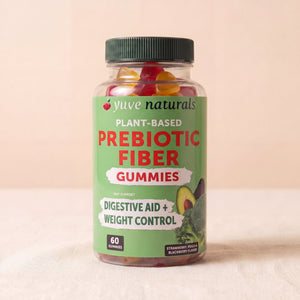
Yuve owns this site and sells the products linked below; that commercial relationship does not change the safety standard. Do not start a supplement solely to make a six-week belly look smaller. The current Yuve Probiotic Gummies page lists Bacillus coagulans, 5 billion CFU per two gummies at manufacture, and 3 grams of sugar alcohol, and it directs pregnant or breastfeeding customers to consult a healthcare provider. Sugar alcohols can themselves affect gas or stool patterns. The broader Yuve digestion collection contains products with different organisms, fibers, enzymes, and herbs; category membership does not establish pregnancy suitability. Best for a new symptom: prenatal review. Best for suspected constipation: clinician-approved food, fluid, movement, or medication guidance. Best for an existing supplement: bring the exact label, serving, and other-ingredient list to the obstetric clinician or pharmacist before continuing or changing it.
When does a large or painful belly need urgent care?
Call the prenatal clinician promptly for vaginal bleeding, persistent pelvic or abdominal pain, one-sided cramping, rapidly increasing distention, fever, repeated vomiting, painful urination, or concern that something feels wrong. ACOG's ectopic-pregnancy guidance explains that abnormal bleeding and pelvic pain can occur before a ruptured ectopic pregnancy. Sudden severe abdominal or pelvic pain, shoulder pain, weakness, dizziness, or fainting requires emergency evaluation because internal bleeding can be life-threatening. Belly size alone does not diagnose an ectopic pregnancy, miscarriage, ovarian problem, or gastrointestinal condition, and the absence of known ectopic risk factors does not eliminate risk. Heavy bleeding, collapse, breathing difficulty, or uncontrolled pain should not wait for an online answer or routine appointment. Tell emergency staff that you are pregnant or may be pregnant. Early assessment can use history, examination, hCG testing, and ultrasound when indicated.
What are common questions about a big belly at 6 weeks?
Could a big belly at 6 weeks mean twins?
Not reliably. Belly size cannot identify twins; prenatal assessment and ultrasound are the relevant tools when needed.
Is bloating normal at 6 weeks pregnant?
Yes, bloating is a common pregnancy symptom. Persistent pain, bleeding, faintness, or worsening swelling needs medical review.
Why is my belly flatter in the morning?
Gas, meals, stool, fluids, and posture change across the day. That pattern commonly reflects digestion rather than rapid fetal growth.
Can constipation make me look pregnant this early?
Constipation can create fullness and distention. Ask the prenatal clinician before using laxatives, stool softeners, or supplements.
Should I weigh or measure my belly every day?
Daily measurements can magnify normal variation and cannot verify fetal growth. Follow the prenatal clinician's weight and examination plan instead.
Does an early bump mean my dates are wrong?
Not by itself. Irregular cycles can affect estimates, but appearance cannot date pregnancy; discuss uncertain dates with the prenatal office.