Lilly.com is the corporate website identified by Eli Lilly and Company in public company filings, but no single certificate or endorsement verifies every statement on the site. Check the exact domain, compare corporate claims with SEC filings, verify medicine information through FDA records, and confirm any online pharmacy separately through licensing resources before sharing data or buying medicine.
How did we evaluate the credibility signals for Lilly.com?
We evaluated ownership, public-company identity, regulatory records, medicine-specific evidence, pharmacy licensing, security context, and counterfeit guidance. We prioritized U.S. Securities and Exchange Commission filings, U.S. Food and Drug Administration resources, and first-party corporate records over testimonials, trust badges, search ads, or social-media endorsements. We separated four questions that are often blurred together: whether the domain belongs to the company, whether a particular medicine has FDA approval, whether a pharmacy is licensed, and whether a specific webpage makes an accurate claim. We did not treat a corporate ethics statement, encryption padlock, stock-exchange listing, award, or celebrity endorsement as blanket validation. Evidence can also change because webpages, product indications, pharmacy partners, and warnings are updated. Readers should verify the precise medicine, seller, claim, and transaction path at the time they act rather than relying on a general reputation score.
What evidence connects Lilly.com to Eli Lilly and Company?
The strongest connection is not an endorsement badge; it is consistency across independent records. Eli Lilly and Company’s 2025 Form 10-K filed with the SEC identifies the registrant, CIK 0000059478, Indiana incorporation, Indianapolis business address, and pharmaceutical-preparations classification. Lilly’s annual-report page links corporate reports from the same lilly.com domain, while historical filings explicitly identify www.lilly.com as the company website. These records support domain ownership and corporate identity. They do not prove that every health statement, third-party link, advertisement, or future page is complete or appropriate for an individual. A scam page can also imitate branding while using a misspelled domain, subdomain trick, sponsored search result, or unrelated checkout. Read the address from right to left: the registrable domain must end in lilly.com, not lilly.com.example.net or a look-alike spelling. Use a saved official address instead of an unsolicited message link.
Do third-party certifications or endorsements verify the whole website?
No universal third-party seal certifies every page on Lilly.com as accurate, safe, or suitable for every reader. SEC filings establish a regulated public-company identity and disclosure history. FDA approvals establish that specific medicines, formulations, and indications passed the applicable review; approval does not endorse an entire company website or off-label interpretation. State pharmacy licensure can validate a dispensing pharmacy, but it does not validate every corporate claim. HTTPS encryption protects data in transit when correctly implemented, yet a padlock does not prove that content is medically correct. Corporate sustainability standards, supplier certifications, professional memberships, awards, and customer ratings provide narrower information. The correct method is claim matching: use the SEC for issuer identity, FDA databases and prescribing information for medicines, state boards for pharmacy licenses, and peer-reviewed literature for study claims. A signal is credible only within the question it was designed to answer.
How do the main credibility signals compare?
The table separates independent verification from weak reassurance. A credible site should let users move from a claim to the appropriate source without hiding the product, indication, seller, or legal entity. Some links below may be affiliate links elsewhere on this website; that does not influence this evaluation, and no link in this comparison is a paid endorsement. “Best for” means best verification source for the named question, not best company or medicine.
| Signal | Best for verifying | What it does not prove | Where to check |
|---|---|---|---|
| SEC issuer filing | Corporate identity and disclosures | Accuracy of every health claim | SEC EDGAR |
| FDA approval record | Specific medicine, formulation, and indication | Approval of the entire website | Drugs@FDA and current labeling |
| State pharmacy license | Legal dispensing status | Quality of unrelated webpages | State board of pharmacy |
| HTTPS certificate | Encrypted connection to the displayed domain | Medical accuracy or honest ownership | Browser certificate details |
| Review or endorsement | User experience or a narrow opinion | Regulatory status, authenticity, or suitability | Named source and disclosure |
How should you verify medicine information found on Lilly.com?
Start with the medicine’s exact proprietary name, active ingredient, dosage form, strength, and indication. Compare those details with current FDA-approved labeling rather than relying on a search snippet or summary page. Approval is product- and indication-specific; it does not transfer automatically to compounded versions, different concentrations, or uses not included in labeling. The FDA BeSafeRx program also separates manufacturer information from online-pharmacy safety and directs consumers to state licensing resources. Read contraindications, warnings, interactions, and patient instructions in the official label, then ask a licensed prescriber or pharmacist how they apply personally. Never change a prescription because a marketing page, influencer, chatbot, or forum describes a different dose. A credible source can provide accurate general information while still being insufficient for an individual decision. Medical suitability requires clinical context that domain verification cannot supply.
What warning signs suggest a Lilly look-alike or unsafe seller?
Warning signs include a misspelled domain, pressure to act immediately, prescription medicine offered without a valid prescription, cryptocurrency-only payment, prices far below normal channels, no U.S. physical address, no licensed pharmacist, and requests for sensitive information through email or direct messages. The official Lilly counterfeit-medicine page provides company-specific authenticity guidance, while FDA resources explain that unsafe online pharmacies may sell counterfeit, unapproved, expired, or improperly stored products. Navigate independently to the official domain or a state board of pharmacy instead of trusting a badge displayed by the seller. Preserve screenshots, receipts, packaging, lot numbers, and messages when reporting a suspicious transaction. Do not inject or ingest a questionable product to “test” it. Unexpected symptoms, breathing difficulty, severe vomiting, loss of consciousness, or signs of an allergic reaction require urgent medical help, not further website research.
How can the same credibility test be used on supplement websites?
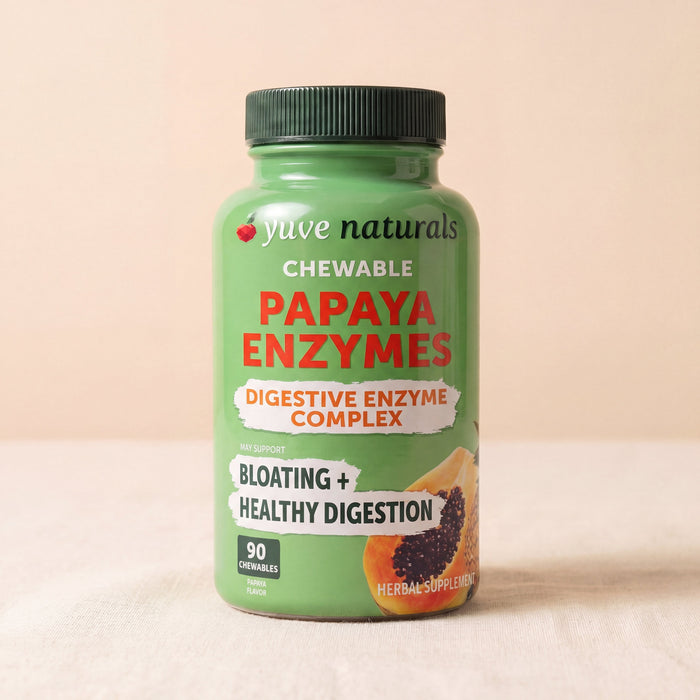
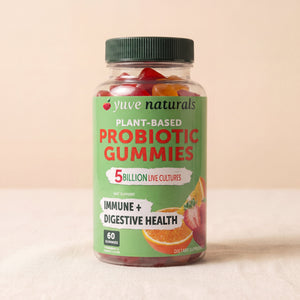
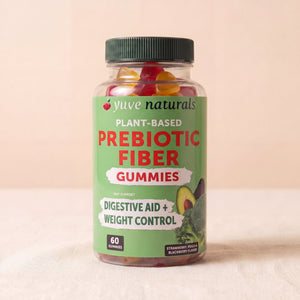
The same evidence ladder applies, but regulatory categories differ. A supplement company can identify its legal entity, manufacturing standards, current Supplement Facts panel, lot and expiration controls, testing methods, and contact information without implying FDA drug approval. The FDA dietary-supplement overview explains that supplements are regulated under a different framework from conventional foods and drugs, and manufacturers are responsible for lawful safety and labeling before marketing. Product-specific marks such as USP Verified or NSF certification should be checked in the certifier’s own directory; a generic “third-party tested” phrase is not equivalent. This article appears on Yuve’s website, so readers should apply the same scrutiny to Yuve’s product catalog and every competing store. Publisher ownership does not replace exact labels, test scope, realistic claims, or independent verification. A transparent method should survive when it is turned back on the publisher.
What are common questions about verifying Lilly.com?
Is Lilly.com the same as LillyDirect?
Lilly.com is the corporate domain, while LillyDirect is a service reached through official Lilly pages. Verify the full address and any dispensing-pharmacy identity before a transaction.
Does an FDA-approved Lilly medicine make every Lilly webpage FDA-approved?
No. FDA approval applies to a specific product and labeling context. It is not a blanket endorsement of a company website.
Does the browser padlock prove Lilly.com is trustworthy?
The padlock indicates an encrypted connection to the displayed domain. It does not independently prove ownership, medical accuracy, or pharmacy licensure.
Can a sponsored search result be fake?
Yes. Advertising placement does not establish identity. Type the known domain directly or use an official regulator link when the transaction involves medicine.
Where can an online pharmacy license be checked?
Use the relevant state board of pharmacy or the FDA BeSafeRx pathway. Do not rely only on a license image shown by the seller.
What should you do with a suspected counterfeit medicine?
Do not use it. Preserve the product and records, contact the manufacturer and dispensing pharmacy, report through appropriate FDA channels, and seek medical help for concerning symptoms.