Ever notice your stomach swelling like a balloon just before a presentation, dinner out, or difficult conversation? You may barely have eaten, yet your belly feels tight, noisy, unsettled, or suddenly desperate for a bathroom.
That experience is often called a nervous stomach. It isn't imaginary, and it isn't always caused by one “bad” food. In this guide, we'll untangle the gut-brain connection, explain what probiotics can and can't do, compare strain-specific options, and build a realistic 4-to-8 week plan for calmer digestion.
Why Your Stomach Reacts to Stress
Sam, Yuve's founder, knows the frustration of unpredictable digestion. Early digestive challenges made ordinary moments feel like calculations: What had been eaten? How far away was the nearest bathroom? Would a social event end with bloating, discomfort, or the need to leave early?
Those experiences helped inspire Yuve's focus on clean, plant-based gut support. They also reflect something many people discover the hard way: stress can show up physically, especially in the digestive system.
Before an important meeting, your body may shift into a more alert state. Your heart and muscles receive priority, while digestion can become slower, faster, or less predictable. That can mean nausea, stomach pressure, gurgling, changes in bowel habits, or the classic “butterflies” feeling.
You're not being dramatic: A stress-linked stomach response is a real body signal, even when the trigger begins in your thoughts.
Anxiety can also affect appetite. Some people feel too unsettled to eat, while others snack continuously for comfort. If your appetite disappears during anxious periods, this overview of appetite loss when anxious offers helpful context about why emotional distress can change eating patterns.
Why symptoms feel so personal
Two people can experience the same stressful event and develop completely different digestive symptoms. One may feel bloated, another may experience loose stools, and someone else may feel full after only a few bites.
Your symptoms can also reflect more than stress alone. Food intolerances, irritable bowel syndrome, functional dyspepsia, medication effects, and other digestive conditions may overlap with a nervous stomach. Stress can amplify symptoms that already exist, making it harder to identify what started the discomfort.
That overlap matters when you're considering probiotics for nervous stomach symptoms. A product aimed at general gut flora isn't automatically suited to anxiety-related discomfort or upper-abdominal symptoms. The useful question is more specific: Which symptom pattern are you trying to support, and does the strain have evidence for it?
The Gut-Brain Axis Explained Simply
Think of your brain and gut as two friends sending messages all day. They communicate through nerves, hormones, immune signals, and the microorganisms living in your digestive tract.
One major communication route is the vagus nerve. It works a little like a two-way phone line between the brain and digestive organs. Signals travel downward when your brain detects stress, and signals travel upward when your gut senses stretching, inflammation, food, or changes in digestion.
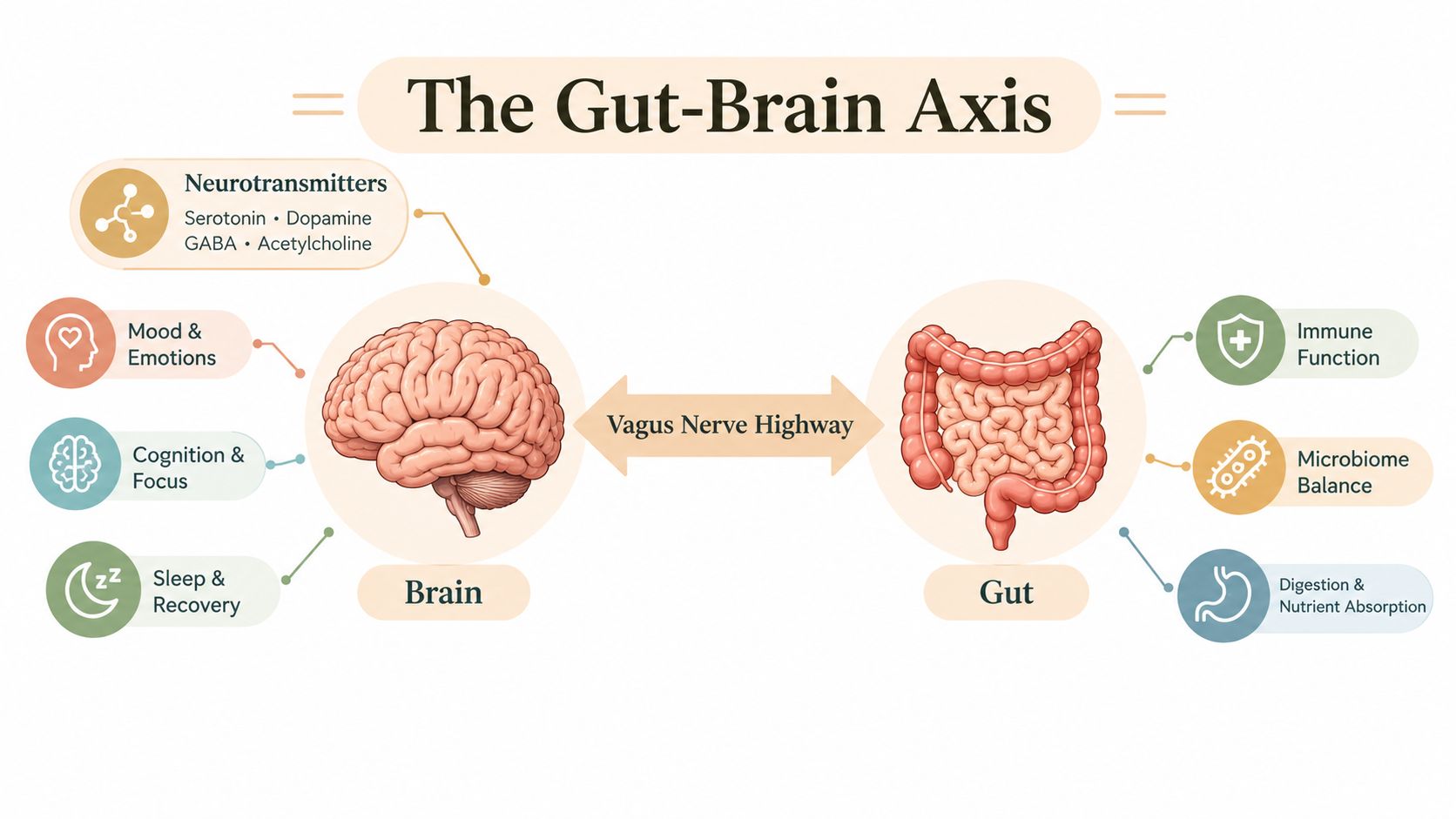
What stress signals can change
When your body senses danger, the fight-or-flight response can alter how food moves through your stomach and intestines. For some people, movement slows, causing heaviness or constipation. For others, the gut contracts quickly, creating urgency, cramping, or loose stools.
Stress can also change muscle sensitivity. A normal amount of gas or stretching may feel much more uncomfortable when your nervous system is on high alert. That doesn't mean the sensation is “all in your head.” It means the brain is processing gut signals with a higher level of vigilance.
The relationship works in both directions. A tense, bloated stomach can send warning signals back to the brain, which may increase worry and make the digestive sensation feel even stronger. This creates a loop:
- Stress changes gut activity.
- Gut sensations attract attention.
- Attention increases concern.
- Concern adds more stress signals.
Breaking that loop usually takes more than one capsule. Gentle meals, regular sleep, slower eating, breathing exercises, and suitable medical care can all help reduce the background noise. A practical nervous system regulation guide can offer additional strategies for settling the body when stress keeps the cycle active.
Some readers also find it useful to explore gut-brain axis supplements alongside broader lifestyle changes. The important point is to view probiotics as one possible tool, not as a direct anxiety treatment or instant calming button.
Where psychobiotics fit
The word psychobiotic generally describes a probiotic or microbial intervention studied for possible effects on mood, stress, or emotional symptoms. That research is interesting, but it doesn't mean every probiotic will reduce anxiety, and it doesn't mean a supplement can replace care for an anxiety disorder.
A nervous stomach may also resemble functional dyspepsia, which involves upper-digestive symptoms such as early fullness, discomfort, or indigestion without an obvious structural cause. The gut-brain axis helps explain why emotional and digestive symptoms can overlap, but it doesn't erase the need to identify the dominant symptom pattern.
Which Probiotic Strains Actually Calm the Gut
A probiotic bottle can look like a crowded toolbox, yet each strain has a different job. One may support bowel regularity, while another is studied for upper-abdominal discomfort. The word “probiotic” describes a category, not one uniform treatment.
Research has therefore shifted from broad promises to more useful questions: which strain, at what dose, and for how long? A 2023 systematic review and meta-analysis examined 82 eligible trials involving 10,332 patients with IBS. Some specific strains, including Escherichia strains, showed moderate-certainty benefits for global symptoms, while the risk of adverse events was not significantly higher than placebo across 55 trials involving more than 7,000 patients. The review is available here.
For a reader with a nervous stomach, that means probiotics may be worth a structured trial, but the strain and symptom pattern matter more than a large culture count. “Probiotic” isn't a guarantee of a particular result.
Anxiety symptoms versus upper-GI discomfort
A person whose stomach tightens during anxious moments may be looking at psychobiotic research. Someone with early fullness, upper-abdominal discomfort, or indigestion may fit a functional dyspepsia pattern. These situations can overlap, like two radio stations sharing interference, but they are not interchangeable.
Psychobiotic reviews report possible anxiety benefits in some groups, although many studies involved healthy or non-clinical participants. Functional dyspepsia evidence remains mixed, so strain-specific results matter more than a universal promise. This review discusses the distinction between anxiety-related effects and functional dyspepsia.
For upper-abdominal symptoms, one meta-analysis found a trend toward better global scores that did not reach conventional statistical significance. Another review found the strongest signal with probiotic-prebiotic combinations, while probiotics alone were inconsistent. Read the functional dyspepsia evidence.
Strains worth recognizing
A placebo-controlled study reported a higher clinical response after eight weeks with Bifidobacterium animalis subsp. lactis BL-99. A pilot study of spore-forming probiotics reported 48% clinical responders versus 20% with placebo, with a relative risk of 1.95 and a 95% confidence interval of 1.07 to 4.11. In plain language, responders were nearly twice as common with the probiotic, but the interval was wide, so the finding is promising rather than certain for every nervous stomach pattern. Adverse-event rates were similar. The strain-specific and spore-forming probiotic findings are described in this Frontiers review.
These results support a careful four-to-eight-week trial with a clearly named strain, rather than switching products every few days. A guide to Bifidobacterium infantis 35624 further explains why strain identity matters.
Choosing the Right Vegan Probiotic Formula
A thoughtful formula starts with your needs, not the front of the bottle. If you avoid animal products, check whether the capsule contains gelatin and whether the culture medium or other ingredients fit your dietary preferences. A vegan label can be useful, but you'll still want to review the full ingredient list.
Look for a product that names its strains, explains storage instructions, and provides a clear serving recommendation. More organisms aren't automatically better, particularly when the formula doesn't identify which organisms are included or what they're intended to support.
Single strains, combinations, and prebiotics
A single-strain formula can make it easier to connect a product with a specific study. Combination formulas may offer broader coverage, but they can also make it harder to know which ingredient is responsible for a benefit or a side effect.
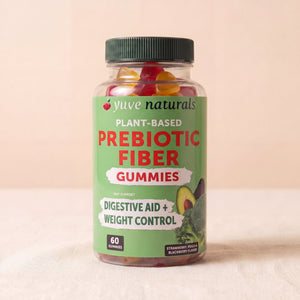
Prebiotics add another layer. These are fibers that beneficial microbes can use as fuel. In functional dyspepsia research, combinations of probiotics and prebiotics have shown a stronger signal than probiotics alone, although individual tolerance still matters. A prebiotic fiber that supports one person may increase gas in another, especially when introduced quickly.
The National Center for Complementary and Integrative Health notes that a 2020 review of 35 studies involving 3,452 people with IBS found that probiotics taken for four weeks may help symptoms such as abdominal pain, bloating, and gas, with combination products appearing more helpful than single-strain products. See the NCCIH explanation of probiotics and IBS.
A simple comparison
| Formulation Type | Best For | Vegan-Friendly? |
|---|---|---|
| Single-strain probiotic | Testing a clearly studied strain | Sometimes, check the label |
| Multi-strain probiotic | People seeking a broader blend | Sometimes, check ingredients |
| Probiotic with prebiotic fiber | Formulas designed to pair microbes with their fuel | Often, but confirm the source |
| Spore-forming probiotic | People interested in a format studied for stability and functional dyspepsia | Depends on capsule and excipients |
| Dairy-cultured or gelatin capsule | Not automatically unsuitable, but less aligned with vegan requirements | Not necessarily |
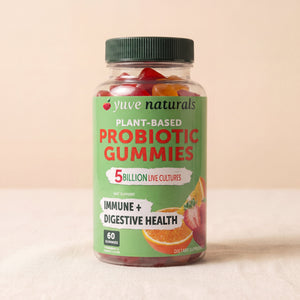
Yuve's vegan probiotics and supplements provide one example of how plant-based preferences can be considered during product selection. Even with a vegan formula, start thoughtfully and monitor your response, especially if your stomach reacts strongly to fiber or new supplements.
Dosing and Timelines for Real Relief
A probiotic trial works best when you can tell what changed. Starting several products, adjusting the dose every few days, or changing your diet at the same time creates a noisy picture. Choose one formula, keep the rest of your routine reasonably steady, and give your notes enough time to reveal a pattern.
A practical trial plan
Start by choosing one formula. Select a product with clearly named strains and follow its serving instructions. A formula aimed at anxiety-related gut symptoms may not be the same fit as one studied for functional dyspepsia, so match the product to your main pattern rather than judging all probiotics as interchangeable.
Track a small set of symptoms. Each day, note bloating, abdominal discomfort, gas, stool consistency, and overall stomach comfort. Add a simple stress rating when anxiety commonly triggers your symptoms. A few consistent notes work better than a detailed log you abandon after several days.
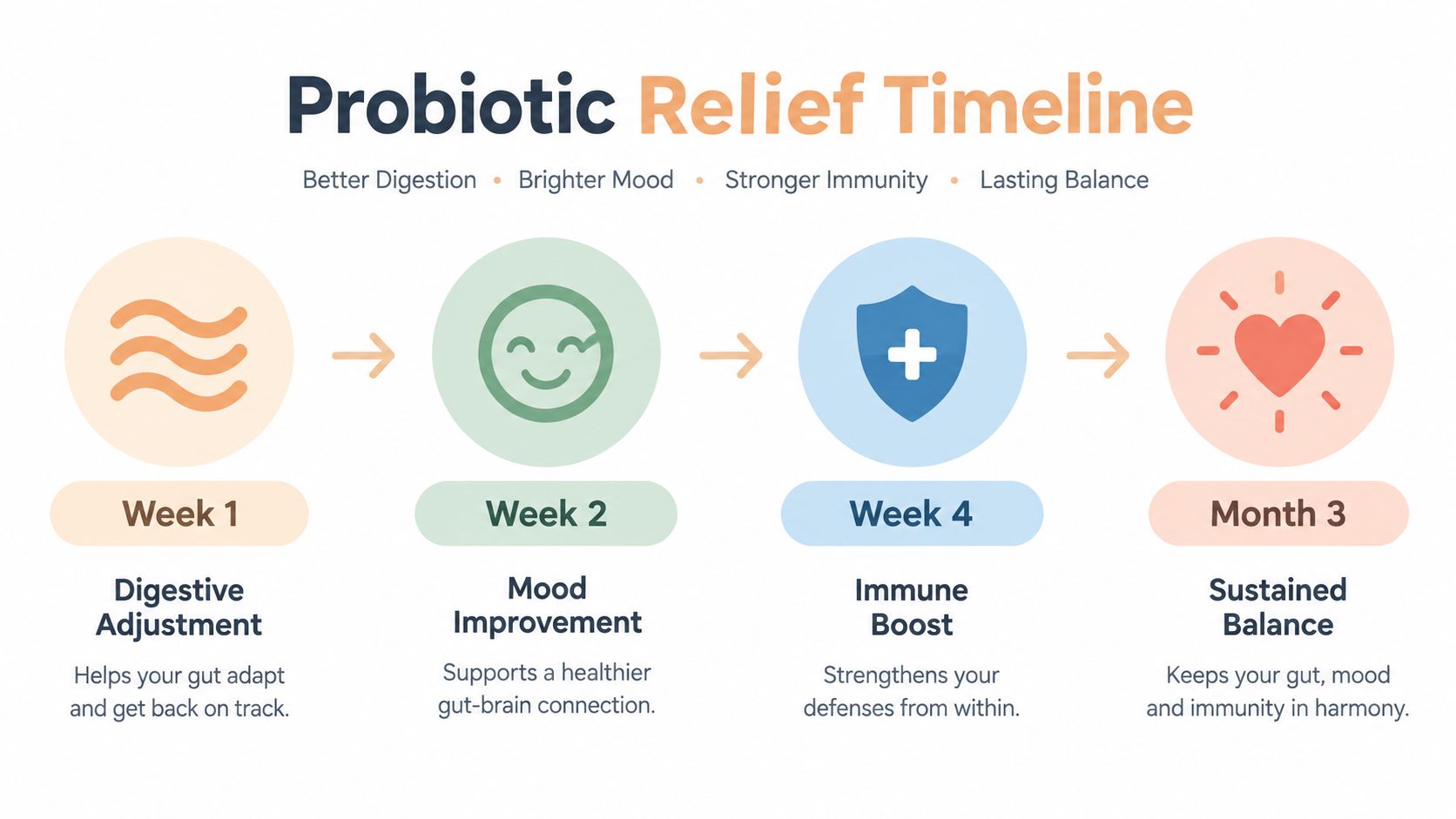
Use the trial as a staged check:
- Weeks 1 to 2: Record your baseline and watch for tolerance, including new gas or bowel changes.
- Weeks 3 to 4: Look for steadier comfort, less bloating, or a clearer connection between stress and symptoms.
- Weeks 5 to 8: Compare your average symptoms with baseline before continuing, stopping, or asking a clinician about a different strain.
As noted earlier, strain-specific research used an eight-week evaluation, which supports allowing a targeted product enough time to show whether it suits you. A 2020 meta-analysis found a small benefit for IBS-related bloating, with an effect size of SMD -0.13, a 95% confidence interval of -0.24 to -0.03, and a signal that daily doses of at least 10^10 and durations under eight weeks looked more promising. Review the bloating analysis in Frontiers in Pharmacology. Follow the product's stated serving instead of increasing the dose independently.
Make the routine easy to repeat
Take the probiotic at the same point in your day, following the product directions and your tolerance. If timing feels unclear, this practical guide to the best time for probiotics may help you choose a repeatable routine.
Mild gas or bowel changes can happen after starting a new product. Intense, persistent, or worsening symptoms are reasons to stop and seek professional guidance.
Safety findings are reassuring, but no supplement is risk-free. People who are seriously ill, immunocompromised, pregnant, or managing complex medical conditions should ask a clinician before starting probiotics.
Daily Habits and Enzymes to Support Your Gut
A probiotic has a better chance of fitting into your life when your daily routine isn't constantly sending your digestion mixed signals. That doesn't mean you need a perfect diet or a joyless menu. It means giving your stomach fewer surprises while you learn what helps.

Try building meals around foods you already tolerate. IBS-friendly snacks might include a simple oat-based option, a banana, rice cakes with a tolerated spread, or another familiar food that doesn't leave you bracing for discomfort. Keep a short note of portions and symptoms, because even a generally nutritious food can feel different during a stressful week.
Mindful eating doesn't require a meditation cushion beside your plate. Put your phone down for the first few bites, chew thoroughly, and pause before reaching for more. Eating quickly while rushing between tasks can make it harder to notice fullness and may add swallowed air to an already uncomfortable stomach.
Small signals that help your nervous system
A few low-effort habits can make meals feel less like a test:
- Create a landing ritual: Take several slow breaths before eating, especially before a meal connected with anxiety.
- Keep meal timing steady: A predictable rhythm can feel gentler than skipping meals and then eating a large amount when you're ravenous.
- Use movement wisely: A relaxed walk after eating may feel better than immediately returning to a stressful task.
- Plan social meals: Bring a familiar snack or choose a menu item you've tolerated before, so you aren't making every decision while anxious.
After a substantive paragraph about routine, some readers find a short visual explanation useful:
Where digestive enzymes fit
Probiotics and enzymes do different jobs. Probiotics provide living microorganisms, while digestive enzymes help break down specific components of food. That makes an enzyme product a more targeted tool for a known food challenge, not a substitute for choosing an evidence-aligned probiotic.
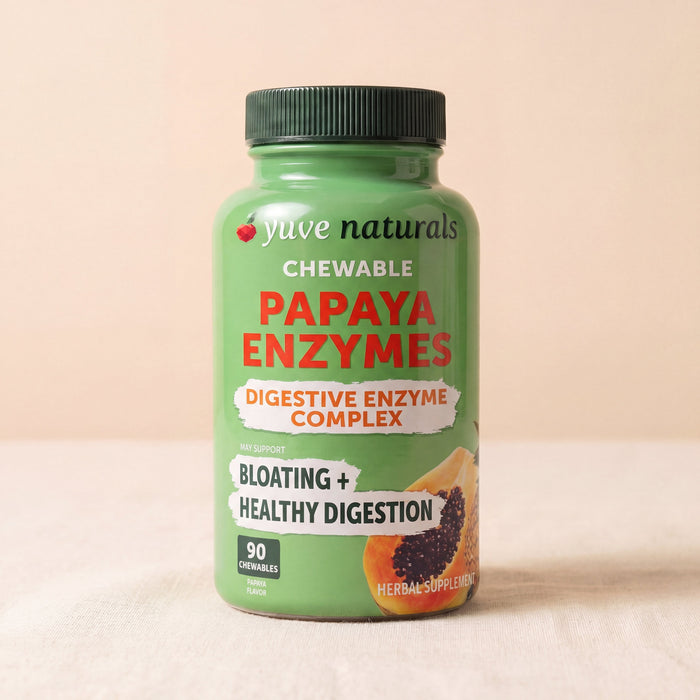
For example, Yuve Lactase Enzymes are a go-to for dairy nights when lactose is the suspected problem. Taking them before pizza night can be a proactive way to support dairy digestion, while Papaya Enzymes can support daily digestion when balanced eating includes heavier or more varied meals. Use products according to their labels, and don't assume every episode of bloating is caused by lactose or a lack of enzymes.
Your Questions About Nervous Stomach Relief
Can probiotics cure anxiety-induced stomach problems?
No. Probiotics may support some digestive symptoms, and certain products are being studied for possible effects on anxiety-related symptoms, but they aren't a cure for anxiety. If worry, panic, appetite changes, or digestive symptoms interfere with daily life, talk with a qualified healthcare professional.
The most realistic goal is better symptom support, not a promise that stress will never affect your stomach again. A strain-specific trial can sit alongside therapy, medical care, regular meals, sleep support, and stress-management practices.
How can I tell whether a probiotic is working?
Track the symptoms that matter to you before starting. Look for a consistent change in bloating, gas, abdominal comfort, stool patterns, or meal tolerance over the planned trial period.
Don't judge success by one unusually good day. Stress, sleep, travel, food choices, and menstrual-cycle changes can all affect digestion, so look for a pattern across your notes.
What if I feel more bloated at first?
Some people notice temporary changes after introducing a probiotic or prebiotic fiber. Reduce complexity first by checking the serving instructions and avoiding several new supplements at once.
If discomfort is strong, persistent, or worsening, stop the product and ask a clinician or pharmacist for advice. Seek medical care promptly for concerning symptoms such as bleeding, vomiting, unexplained weight loss, severe pain, or symptoms that continue after a stressful event has passed.
Are probiotics recommended for all IBS symptoms?
No. The American College of Gastroenterology guideline recommends against probiotics for treating global IBS symptoms, while smaller reviews have still found improvements in bloating, abdominal pain, and gas for some people. NCCIH summarizes the guideline and the mixed evidence.
That apparent contradiction makes sense when you separate broad IBS relief from individual symptoms. One probiotic may affect bloating without improving pain, while another may have no noticeable effect for you at all.
What should I do next?
Choose one clearly labeled formula, follow the serving directions, and keep a simple symptom journal for a defined four-to-eight-week trial. Pair that experiment with calmer meals, familiar IBS-friendly snacks, and targeted digestive support when a known food challenge calls for it.
Yuve offers vegan gut-health products, including plant-based probiotic and digestive-support options that can fit a structured routine for nervous-stomach symptoms. Visit Yuve to explore the range, choose a product that matches your dietary needs, and begin tracking what helps your digestion feel steadier.