Nutra Harmony says its supplements are third-party tested, but the public proof varies by product. One current product page says every batch is tested for microbiology and heavy metals by ISO/IEC 17025 laboratories. Buyers should still request the certificate of analysis for the exact product and lot, because a brand-wide badge does not define every test performed.
How did we evaluate Nutra Harmony's testing claims?
We evaluated Nutra Harmony by reviewing the brand's current FAQ, a current product page that describes batch testing, and U.S. regulatory guidance on dietary-supplement manufacturing. We prioritized product-specific statements over homepage badges because a named product, test panel, laboratory standard, and batch frequency create more verifiable evidence than a general quality icon. We compared the brand's statements with the FDA dietary-supplement current good manufacturing practice requirements, which address identity, purity, strength, composition, and contamination controls but do not automatically prove an independent certification for each finished product. We excluded marketplace reviews and reseller descriptions because sellers can repeat outdated or incomplete claims. The principal limitation is public access: Nutra Harmony may hold additional laboratory reports that are not linked from every product page, so this assessment describes visible documentation rather than an audit of confidential quality records.
Does Nutra Harmony provide evidence of third-party testing?
Nutra Harmony provides a specific testing statement on at least one current product page. The brand's Glucosamine, Chondroitin, Collagen, and MSM page says every batch is third-party tested for microbiology and heavy metals and says the laboratories follow ISO/IEC 17025. Its frequently asked questions page also displays “3rd Party Tested” and “GMP Certified” quality badges. Those statements support a qualified yes: Nutra Harmony publicly claims independent testing, and one product page identifies both test categories and batch frequency. They do not establish that every Nutra Harmony formula receives the same analytical panel, nor do they reveal methods, detection limits, measured results, laboratory names, or lot numbers. A buyer therefore should verify the exact SKU rather than treating one page as universal proof. The strongest confirmation would be a recent certificate of analysis that matches the bottle's lot code and reports actual results.
What proof should you request before buying a supplement?
A useful certificate of analysis identifies the product, lot or batch number, laboratory, sample date, test method, specification limit, and measured result. Ask whether the laboratory is independent of the manufacturer and accredited to ISO/IEC 17025 for the relevant method; accreditation scope matters because a laboratory can be competent for one assay without covering every contaminant or potency test. Match the certificate's lot number to the bottle, then confirm that “pass” includes numerical results rather than an unsigned summary. For capsules and powders, the core panel may include ingredient identity, potency, heavy metals, and microbiology; botanical or sport products may require pesticides, solvents, allergens, or banned-substance screening. The FDA explains that manufacturers must establish specifications and use appropriate tests or examinations under 21 CFR Part 111. That rule creates manufacturing obligations, but a consumer-facing, lot-matched report supplies more direct product evidence.
How do third-party testing, GMP, and certification differ?
Third-party testing, GMP compliance, and product certification answer different questions. Independent testing asks whether an outside laboratory measured specified attributes in a submitted sample. Current good manufacturing practice governs manufacturing systems, records, specifications, sanitation, and quality control under FDA rules. Certification adds a program owner, standard, surveillance process, and directory; for example, NSF Certified for Sport screens certified products for substances prohibited by sports organizations. None of these signals replaces the others, and an FDA-registered facility is not the same as an FDA-approved supplement.
| Quality signal | What it can show | What to verify |
|---|---|---|
| Third-party test | Results for listed assays | Lot, methods, limits, laboratory |
| GMP controls | Manufacturing system requirements | Facility and audit scope |
| Product certification | Conformance to a named program | Current directory listing |
Which quality signal is best for your use case?
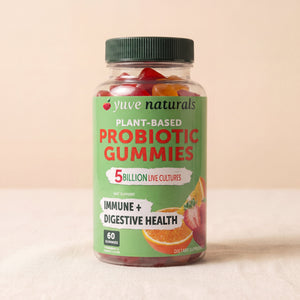
Best for confirming a bottle's measured results: a recent, lot-matched certificate of analysis from an independent laboratory. Best for evaluating manufacturing controls: documented compliance with 21 CFR Part 111 plus a credible facility audit whose scope and date are available. Best for a tested athlete: a current product listing in a recognized banned-substance certification directory, because a generic third-party claim does not define sport screening. Best for comparing routine supplements: a transparent Supplement Facts panel, relevant contaminant testing, realistic serving amounts, and accessible customer support that can provide batch documents. Disclosure: this article is published by Yuve and links to a Yuve product; that relationship does not change the criteria applied to Nutra Harmony. Readers can apply the same checklist to any formula, including Yuve Probiotic Gummies, and browse the broader Yuve digestion collection. A product link is an example for label review, not proof of superiority or equivalent testing.
What questions should you ask about Nutra Harmony testing?
Is every Nutra Harmony product third-party tested?
Nutra Harmony uses brand-wide testing language, and at least one current product page specifies every-batch microbiology and heavy-metal testing. Confirm the scope for your exact formula because public details can differ by product.
Does a GMP-certified facility prove independent product testing?
No. GMP describes manufacturing controls, while independent testing describes who analyzed a sample and which assays were performed.
Is an FDA-registered facility the same as FDA approval?
No. Facility registration does not mean FDA approved a dietary supplement for safety or effectiveness before sale.
What should a certificate of analysis include?
A useful certificate includes the product name, lot, methods, specifications, numerical results, date, and laboratory identity. The bottle lot should match the document.
How recent should a laboratory report be?
Use a report for the lot you plan to consume whenever possible. An older sample can describe a testing program but cannot verify a newer batch.
What is the bottom line on Nutra Harmony's testing?

Nutra Harmony publicly states that its products are third-party tested, and one current product page provides meaningful detail: every-batch microbiology and heavy-metal testing through ISO/IEC 17025 laboratories. That supports a qualified yes, not a blanket conclusion about every formula, analyte, or lot. Before buying, request the certificate of analysis for the exact SKU and lot, confirm numerical results and methods, and distinguish laboratory testing from GMP controls or product certification. Athletes should also search the applicable certification directory instead of relying on a general badge. Consumers using medications, preparing for a procedure, pregnant, breastfeeding, or managing allergies should review ingredients with a qualified clinician because quality testing does not establish personal suitability. The practical standard is simple: trust a claim more when the brand supplies a current, product-specific, lot-matched document that another laboratory or certification directory makes independently verifiable.