A morning vitamin routine works best when it is short, food-aware, and consistent. Take most multivitamins, vitamin D, iron, folic acid, probiotics, and fiber at a repeatable breakfast time, but separate iron from calcium, coffee, tea, and high-fiber supplements. Personalize timing around your label, medications, and clinician guidance.
TL;DR: Key takeaways
- Pair fat-soluble vitamins with breakfast that contains dietary fat.
- Keep iron away from coffee, tea, calcium, and fiber.
- Use one routine anchor, such as breakfast or brushing teeth.
- Add supplements slowly so you can notice tolerance.
- Ask a healthcare professional about pregnancy, medications, deficiencies, or medical conditions.
What is a morning vitamin routine?
A morning vitamin routine is a repeatable supplement plan tied to an existing morning habit, such as breakfast, coffee, brushing teeth, or packing a work bag. The routine usually includes vitamins, minerals, probiotics, prebiotic fiber, or digestive support products that fit the person’s label instructions and daily schedule. The goal is not to take everything at sunrise. The goal is to place each supplement where consistency, absorption, and tolerance make sense. The NIH Office of Dietary Supplements explains that dietary supplements can contain vitamins, minerals, herbs, amino acids, probiotics, or other ingredients, and labels vary by product type and serving size (NIH ODS). A practical routine starts with the fewest useful items, then adds only what matches diet pattern, lab work, life stage, or professional advice. For broader planning, see this practical supplement routine guide.
How we evaluated a morning vitamin routine
We evaluated morning supplement timing by prioritizing government health references, NIH Office of Dietary Supplements fact sheets, FDA dietary supplement guidance, and human-focused evidence where available. We treated label directions, nutrient interactions, and adherence as more useful than broad “best time” claims. We excluded disease-treatment framing and avoided ranking supplements as universally necessary, because individual needs depend on diet, medications, pregnancy status, lab values, and health history. Evidence is stronger for certain nutrient interactions, such as iron and calcium competition, than for broad claims that one clock time works best for everyone. The FDA explains that dietary supplements are regulated differently from conventional foods and drugs, so label reading and professional guidance matter (FDA). This guide uses structure-focused language: vitamins and supplements may support normal body functions when they are appropriate for the person and used as directed.

How does a morning vitamin routine work?
A morning vitamin routine works through three practical mechanisms: cue, compatibility, and consistency. A cue connects the supplement to an existing behavior, which helps the brain remember the action. A breakfast cue often works better than a vague “take later” intention, especially for people who leave home early or have variable evenings. Compatibility means the supplement fits the meal, beverage, and other nutrients around it. Vitamin D, vitamin A, vitamin E, and vitamin K are fat-soluble vitamins, so a meal with fat can support normal absorption. Iron has different rules: the NIH notes that calcium may interfere with iron absorption, and coffee or tea can also reduce nonheme iron absorption when taken together (NIH ODS iron fact sheet). Consistency matters because a routine that happens four days a week usually beats an elaborate plan that collapses after Monday.
What are the benefits and uses of a morning vitamin routine?
A morning vitamin routine supports adherence, label compliance, and calmer decision-making. The main benefit is behavioral: a set morning sequence reduces the number of daily choices around supplements. Morning timing can also fit products that feel better with food, including many multivitamins, minerals, and fat-soluble vitamin formulas. For people using iron, morning can work if it is separated from coffee, tea, calcium, and high-fiber products. For people using folic acid, morning is often convenient because consistency matters more than a specific hour. NIH guidance describes folate as important for normal DNA synthesis and cell division, with specific intake considerations for people who could become pregnant (NIH ODS folate fact sheet). A routine also helps you notice patterns. If a new supplement feels uncomfortable, you can identify the change instead of guessing across a crowded cabinet.
How should you choose what belongs in your morning routine?
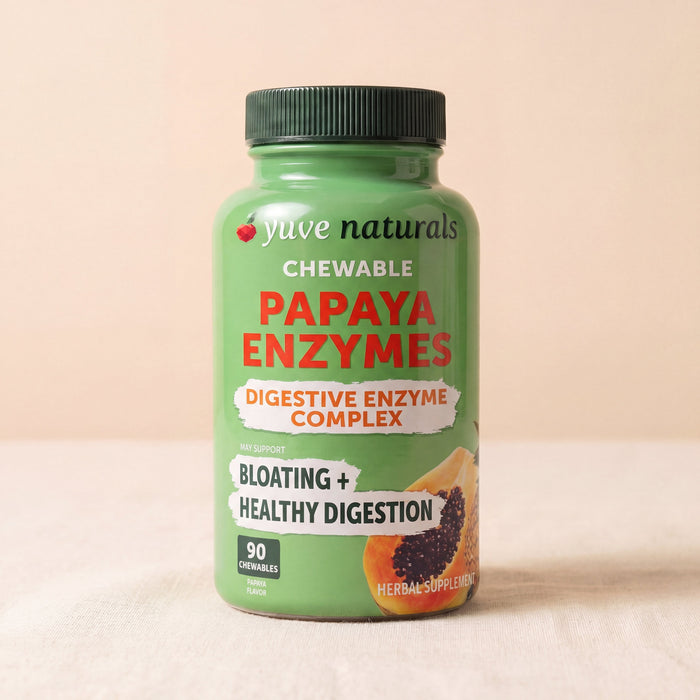
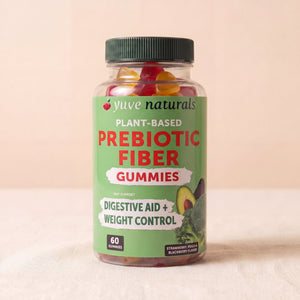
Choose morning supplements by matching the product to your diet, label, timing constraints, and tolerance. Start with a checklist, not a cabinet cleanout. First, read the Supplement Facts panel for serving size, nutrient amount, and directions. Second, check whether the product says to take with food. Third, identify separation rules. Iron usually deserves its own timing window away from calcium, coffee, tea, and fiber. Fourth, limit overlap. A multivitamin plus separate single nutrients can stack vitamin A, zinc, folic acid, or iron above what you intended. Fifth, decide whether the format fits your actual morning. Gummies, capsules, powders, and liquids all work only if you use them consistently. If plant-based and gelatin-free formats matter to you, Yuve options such as Vegan Probiotic Gummies, Vegan Prebiotic Fiber Gummies, Whole Food Iron, and Folic Acid Gummies can fit different routine needs.
What should you watch out for on vitamin labels?
Watch for serving size, nutrient overlap, upper limits, added sugar, allergens, gelatin, caffeine, and timing instructions. A clean-looking front label does not tell you whether a product fits your needs. The Supplement Facts panel gives the useful details: active ingredients, amounts per serving, percent Daily Value, and other ingredients. The FDA’s dietary supplement overview explains that supplement labels use specific labeling conventions, but the agency does not approve dietary supplements for effectiveness before sale (FDA). That makes your label review more important. Iron, vitamin A, iodine, zinc, magnesium, and fat-soluble vitamins deserve extra attention because more is not always better. People who are pregnant, trying to conceive, taking prescriptions, managing a medical condition, or correcting a known deficiency should ask a healthcare professional before changing a routine. Keep the routine simple enough that you can tell what each product is doing in your day.
How do common morning supplements compare?
Different morning supplements have different timing logic, and the best routine separates products that compete. A basic multivitamin usually fits breakfast because food can improve comfort. Vitamin D also fits a meal that includes fat, such as avocado, eggs, olive oil, nut butter, or yogurt. Iron needs more care because coffee, tea, calcium, and fiber can make the timing less ideal. Probiotics vary by strain and product instructions, so the label should decide whether breakfast, before food, or another time is preferred. Prebiotic fiber can support regular routine structure, but it may feel better when introduced gradually with water. For more detail on timing tradeoffs, use this morning vs evening supplement guide. If your main challenge is remembering, this supplement reminder guide may be more useful than adding another product.
| Supplement type | Morning fit | Take with food? | Separate from | Practical note |
|---|---|---|---|---|
| Multivitamin | Strong fit for breakfast | Often yes | Duplicate single nutrients | Check vitamin A, iron, zinc, and folic acid totals. |
| Vitamin D | Strong fit with a meal | Yes, ideally with fat | None for most people | Use lab and clinician guidance for higher doses. |
| Iron | Good if separated well | Depends on tolerance and label | Coffee, tea, calcium, fiber | Ask about use if pregnant or taking medications. |
| Folic acid | Easy morning habit fit | Usually flexible | Duplicate prenatal or multivitamin folate | Consistency matters for people with specific folate needs. |
| Probiotic | Product-specific | Follow label | Heat and storage mistakes | Check strain, serving, and storage instructions. |
| Prebiotic fiber | Good if tolerated | Flexible | Iron and some medications | Start gradually and pair with water. |
FAQ
What vitamins should I take in the morning?
Morning often works for multivitamins, vitamin D, folic acid, probiotics, prebiotic fiber, and iron when the timing fits the label. Take food-friendly products with breakfast. Keep iron away from calcium, coffee, tea, and fiber, and ask a healthcare professional if you use medications or have a known deficiency.
Is it better to take vitamins before or after breakfast?
After breakfast is often easier for consistency and stomach comfort, especially for multivitamins and fat-soluble vitamins. Some products may direct use before food, so the label wins. If breakfast includes coffee, tea, calcium, or fiber, do not place iron in that same window unless a clinician advises it.
Can I take all my supplements at once?
You can take some supplements together, but “all at once” is not always the cleanest plan. Iron can compete with calcium and may be affected by coffee, tea, and fiber. A large stack also makes it harder to identify which product affects comfort, tolerance, or routine adherence.
Should probiotics be part of a morning routine?
Probiotics can fit a morning routine if the product label supports that timing and the format is easy to repeat. Strain, dose, storage, and survivability vary by product. A plant-based option such as Yuve Vegan Probiotic Gummies may support gut flora balance as part of a consistent wellness routine.
When should I take prebiotic fiber?
Prebiotic fiber can be taken in the morning if you tolerate it well and drink water with it. Start gradually, because sudden fiber increases may affect digestive comfort. Keep fiber away from iron and certain medications unless your healthcare professional gives different instructions.
Who should ask a healthcare professional before changing supplements?
People who are pregnant, trying to conceive, breastfeeding, taking prescriptions, preparing for surgery, managing a medical condition, or correcting a diagnosed deficiency should ask a healthcare professional first. This is especially important for iron, folic acid, vitamin A, iodine, vitamin D, and products that overlap with medications.
A simple next step
Build your morning routine around one anchor, one label check, and one separation rule. If your broader goal is steady daytime energy, pair this guide with Yuve’s article on products that support natural energy rhythms, then choose only the supplements that fit your real breakfast and schedule.