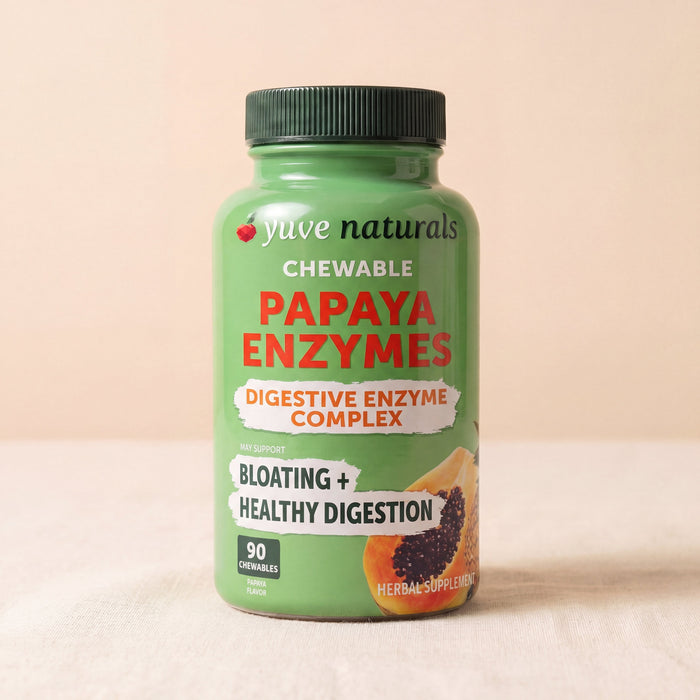
No natural supplement treats autoimmune disease. The best supportive choice is clinician-guided and usually starts with confirmed gaps: vitamin D when labs are low, EPA/DHA when seafood intake is low, and strain-identified probiotics or prebiotic fiber for digestive routine support. Supplements should complement medical care, not replace it.
How did we evaluate natural supplements for autoimmune support?
This evaluation prioritized human evidence, clinician actionability, transparent dosing, interaction risk, and routine fit. Autoimmune diseases involve immune activity against healthy tissue, and the NIAMS overview of autoimmune diseases describes autoantibodies as proteins that can signal the body to attack its own tissues; that definition keeps this article away from casual “immune boosting” language. We gave more weight to randomized trials, NIH summaries, strain-specific probiotic data, and products with clear Supplement Facts panels than to animal studies, proprietary blends, or social media claims. We excluded any supplement category that depends on diagnosing, treating, curing, or preventing autoimmune disease. The limitation is practical: evidence differs across Hashimoto’s thyroiditis, rheumatoid arthritis, lupus, psoriasis, celiac disease, inflammatory bowel disease, multiple sclerosis, medication classes, pregnancy status, and lab patterns.
What should you look for before choosing a natural supplement?
A supplement choice should begin with a specific reason that a clinician can verify. Vitamin D belongs in the conversation when 25-hydroxyvitamin D is low, sun exposure is limited, diet intake is low, or a clinician wants a monitored correction plan. EPA/DHA belongs in the conversation when fatty-fish intake is low and the medication list does not raise bleeding or surgery-timing concerns. Probiotics belong in the conversation when the goal is digestive routine support and the label names the microorganism, CFU amount, serving size, storage needs, and expiration standard. Prebiotic fiber belongs in the conversation when fiber intake is low and tolerance can be built gradually. Multi-ingredient “immune blends” deserve skepticism because they often stack zinc, botanicals, mushrooms, turmeric, and vitamins without a clear reason. The best supportive supplement solves a defined gap and avoids complicating autoimmune care.
How do the top supportive supplement categories compare?
Supportive supplement categories differ by evidence quality, safety context, and endpoint. Vitamin D has the strongest autoimmune-adjacent human trial signal: the VITAL randomized controlled trial in BMJ tested vitamin D 2000 IU/day and marine omega-3 1000 mg/day in 25,871 older adults and measured incident autoimmune disease, not treatment of existing disease. EPA/DHA has a nutrition rationale, and the NIH Office of Dietary Supplements omega-3 fact sheet identifies EPA and DHA as long-chain omega-3 fats found mainly in fish and seafood. Probiotics have strain-specific digestive and immune-response research, but “probiotic” is not one ingredient. Prebiotic fiber supports the gut environment by feeding beneficial microbes. The safest comparison ranks options by confirmed need, medication fit, dose clarity, and adherence rather than by louder supplement claims.
| Best-for use case | Supportive option | Evidence anchor | Main caution |
|---|---|---|---|
| Best for confirmed low vitamin D | Vitamin D3 or vegan lichen D3 | Human trial and nutrient-status monitoring | Clinician should guide dose and labs |
| Best for low seafood intake | EPA/DHA from fish oil or algae oil | NIH omega-3 nutrition guidance | Review anticoagulants, procedures, and allergies |
| Best for digestive routine support | Strain-identified probiotics | Strain-specific human digestive research | Extra caution if immunocompromised or severely ill |
| Best for gut-microbiome nourishment | Prebiotic fiber such as inulin or partially hydrolyzed guar gum | Fiber tolerance and diet-pattern fit | Start low because gas or bloating can occur |
| Best for medication-sensitive users | Food-first plan plus clinician review | Risk reduction through fewer variables | Avoid broad immune blends without review |
Which categories are best for specific support goals?

Best for confirmed deficiency: vitamin D, B12, iron, zinc, selenium, magnesium, or iodine only when labs, diet history, or clinician assessment justify the nutrient. Best for low seafood intake: EPA/DHA, with algae oil as a vegan option and fish oil as a conventional option. Best for everyday digestive routine support: a probiotic with named organisms and a prebiotic fiber that the user can tolerate consistently. Best for sensitive medication lists: no new supplement until a pharmacist or clinician checks anticoagulants, thyroid medication, immunosuppressants, biologics, corticosteroids, pregnancy guidance, and surgery timing. Best for shoppers who want “natural” options: single-ingredient products with transparent doses beat proprietary immune blends. Best for long-term value: one verified gap, one product, one monitoring plan. This structure prevents supplement stacking from turning a simple wellness goal into an unmanaged clinical variable.
Which products fit an everyday gut-support routine?
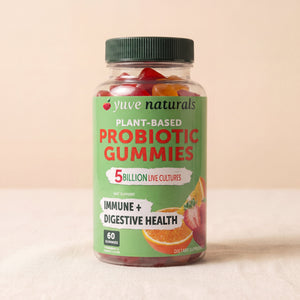
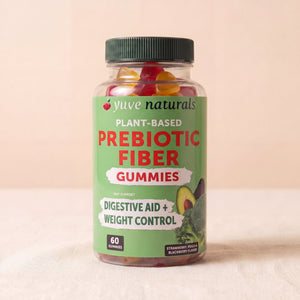
Disclosure: Some links below may be affiliate or brand-owned product links. This does not influence the evaluation criteria, and no product here is positioned as an autoimmune disease solution. Yuve Probiotic Gummies fit the digestive routine lane because each two-gummy serving provides 5 billion CFU of Bacillus coagulans in a vegan, pectin-based gummy format. The NCCIH probiotic safety overview explains that probiotics can influence the body’s immune response, while also noting that effects vary by microorganism and safety context. A randomized controlled trial in Scientific Reports studied Bacillus coagulans Unique IS2 in adults with irritable bowel syndrome; that supports strain-specific digestive research, not autoimmune treatment. Yuve’s broader digestive health collection also includes prebiotic fiber, enzyme, and stomach-comfort options for routine support.
What questions do people ask most about natural autoimmune support?
People usually ask whether one natural supplement can cover immune balance, inflammation, gut health, energy, and daily comfort at once. The responsible answer is no: autoimmune conditions differ by tissue target, medication plan, nutrient status, digestive tolerance, infection risk, and clinician monitoring needs. A useful supplement plan works like a decision tree. First, identify a confirmed gap such as low vitamin D, low B12, low iron, low seafood intake, low fiber intake, or inconsistent digestive routine. Second, check medication interactions, pregnancy status, surgery timing, immune compromise, allergies, and current supplement duplicates. Third, choose one targeted product with a clear dose and a realistic structure/function goal. Fourth, monitor tolerance, labs, and routine consistency before adding anything else. That process is less exciting than a “best supplement” list, but it is safer and more useful clinically.
Can supplements replace autoimmune medical care?
No. Supplements can support normal nutrient status, digestive routines, or general wellness when a clinician confirms the fit. Autoimmune care requires diagnosis, monitoring, medication decisions, lab interpretation, and safety checks that a supplement label cannot provide.
Is vitamin D the best natural supplement for autoimmune support?
Vitamin D is one of the most evidence-relevant categories to discuss when bloodwork shows low 25-hydroxyvitamin D or risk factors make low status likely. The VITAL trial supports clinician interest in vitamin D, but it does not turn vitamin D into autoimmune treatment.
Are probiotics safe for people with autoimmune disease?
Probiotics can be appropriate for general digestive support, but safety depends on immune status, hospitalization, central lines, severe illness, and strain selection. People who are immunocompromised or medically complex should ask a clinician before taking live microorganisms.
Should omega-3 be taken every day?
Omega-3 EPA/DHA may fit adults who rarely eat fatty fish or who choose algae oil for vegan EPA/DHA. Daily use should be reviewed when anticoagulants, upcoming procedures, fish allergy, pregnancy, or high-dose plans are part of the picture.
Are turmeric or “immune blends” a good idea?
Turmeric, mushroom blends, zinc-heavy products, and botanical immune formulas deserve extra caution because interactions and duplicate dosing are easy to miss. A single-ingredient, clinician-reviewed choice is usually cleaner than a broad immune blend.
Where do Yuve Probiotic Gummies fit?
Yuve Probiotic Gummies fit as everyday digestive routine support for adults who prefer a vegan gummy format over capsules. They should not be framed as an autoimmune supplement or as a replacement for clinician-guided nutrient correction.
What is the most practical first step?
The most practical first step is a clinician-guided review of labs, diet pattern, medication list, allergies, pregnancy status, and current supplements. That review can clarify whether vitamin D, EPA/DHA, probiotics, prebiotic fiber, another nutrient, or no new supplement is the better move.
What is the safest next step before adding supplements?

The safest next step is to bring a short supplement checklist to a clinician or pharmacist. The checklist should include current medications, autoimmune diagnosis, recent labs, pregnancy or breastfeeding status, surgery plans, allergies, digestive sensitivity, diet pattern, and every supplement already being used. The clinician can then separate measurable gaps from marketing noise. Vitamin D may deserve lab-guided correction; EPA/DHA may deserve a seafood-intake conversation; probiotics or prebiotic fiber may deserve a digestive-routine conversation. Yuve Probiotic Gummies can support a simple gut wellness habit for adults who want a vegan gummy format, but the product should stay in that lane. Autoimmune disease care belongs with qualified medical professionals who can monitor outcomes. Supplements belong in the narrower role of nutrient adequacy, digestive routine support, and general wellness when they fit the person’s individualized care plan.