Your cart is full of leafy greens, beans, oats, berries, and every “healthy” plant food you were told to eat. But your belly feels like a drum by 3 p.m., dinner comes with cramps, and then, dun, dun, dun, unwelcome gas. Yikes.
If that's where you are, you're not failing at healthy eating. A plant-based diet for IBS can help some people, but it can also backfire when your gut is sensitive. The trick isn't to eat fewer plants. It's to eat the right plant foods, in the right form, in the right amount for your IBS subtype.
So You Went Plant-Based and Your Gut Rebelled
Maybe you switched to smoothies for breakfast, lentil bowls for lunch, roasted veggies for dinner, and snacks built around nuts, fruit, and protein bars. On paper, it looks like the picture of wellness. In real life, your gut has other opinions.
That disconnect is maddening. You're trying to help your body, and instead you feel puffier, noisier, and more uncomfortable than before.
Plant-heavy eating can stir up IBS symptoms because many plant foods are naturally high in FODMAPs, and too much fiber too fast can trigger bloating and abdominal pain in a sensitive gut. A practical overview from FODMAP Consultancy on plant-based eating and IBS also notes that gradual introduction of higher-fiber foods like oats and wholegrain rice matters.
Why this happens so often
Your gut doesn't care whether a food is trendy. It cares whether it can handle it.
A few common “healthy” moves that can create chaos:
- Big bean portions - Great for many people, rough for many IBS guts.
- Raw veggie overload - Salads can feel lighter mentally but heavier physically.
- Fruit stacked all day - Smoothie, apple, dates, snack bar, pears. That fermentable load adds up.
- Protein powders - Some include ingredients that can stir up bloating, which is why this guide on why protein shakes upset your stomach can be useful if shakes are part of your routine.
You can eat “clean” and still feel awful. That doesn't mean your body is broken. It means your gut may need a more tailored approach.
There is a workable middle ground between “plants fix everything” and “I guess I can never eat beans again.” That's where the rest of this comes in.
The Plant-Based and IBS Puzzle
A plant-based pattern has real upside. It can bring in more variety, more phytonutrients, and more fiber. For plenty of people, that supports digestion.
For IBS, though, there's a catch. Approximately 1 in 7 people globally suffer from IBS, and research suggests that in some populations, consistent vegetarian diets may be linked with higher IBS risk. One summary reports an adjusted odds ratio of 2.58 for IBS among consistent vegetarians in a large study, discussed in this review on nutrition for IBS on a plant-based diet.

A healthy diet can still be the wrong fit for your current gut
I like to think of the IBS gut as a very sensitive sound system. A little adjustment can make music sound beautiful. Too many knobs turned up at once, and all you get is feedback.
With plant-based eating, the common troublemakers are:
- FODMAP-heavy foods - Certain carbohydrates ferment quickly and can lead to bloating, gas, and bathroom urgency.
- Fiber volume - Even “good” fiber can feel like too much if you jump in fast.
- Food form - Raw, bulky, or heavily blended meals may hit differently than cooked, simple meals.
That's why a broad plant-based guide isn't always enough. A more useful next read is this plant-based nutrition guide from Yuve, especially if you're trying to balance digestion with overall nutrient intake.
The real goal is not perfection
You do not need to become afraid of plants. I do NOT think that's the answer.
You need a version of plant-based eating that matches your gut's tolerance right now. For some people, that means cooking vegetables more often. For others, it means changing fiber type, reducing FODMAP load for a while, or being more strategic with beans, fruit, and whole grains.
Here's the important mindset shift:
| Common belief | More helpful IBS reality |
|---|---|
| More fiber is always better | The type and amount of fiber matter |
| Raw is healthier | Cooked may be easier to tolerate |
| If a food is plant-based, it must be gut-friendly | Some plant foods are major IBS triggers |
| Restriction means failure | Short-term structure can create long-term freedom |
Once you stop treating all plant foods like they behave the same way, the puzzle starts making more sense.
Mastering Fiber Without the Backlash
Fiber gets a halo. IBS does not care about halos.
This is the High-Fiber Paradox. Fiber is often praised for gut health, but insoluble fiber like wheat bran can worsen pain in IBS, while soluble fiber from oats or psyllium is generally better tolerated, especially in IBS-C. A review discussing this point is available in this PubMed Central article on the fiber paradox in IBS.
Soluble and insoluble fiber are not the same thing
Many readers find themselves struggling at this point. “Eat more fiber” sounds simple, but it hides a huge detail.
Soluble fiber mixes with water and forms more of a gel-like texture.
Insoluble fiber is rougher and adds bulk.
That difference matters.
| Fiber type | Often found in | IBS response |
|---|---|---|
| Soluble fiber | Oats, psyllium | Often gentler, especially for constipation-predominant IBS |
| Insoluble fiber | Wheat bran and some rough, fibrous plant foods | Can aggravate pain or urgency in some people |
Subtype matters more than internet advice
If you tend toward IBS-C, soluble fiber is often the better place to start. Think warm oats, chia in modest amounts if tolerated, or psyllium introduced slowly.
If you tend toward IBS-D, adding more bran, giant salads, or hefty servings of legumes just because they're “healthy” can be a rough move. That doesn't mean fiber is bad. It means your gut may need a gentler mix and lower fermentable load.
Practical rule: Don't increase fiber by throwing five new foods into one day. Pick one gentle source, keep the rest of your meals steady, and watch what happens.
A lot of people also benefit from learning the basic daily target before changing everything at once. This breakdown on how much fiber per day you need helps put fiber into context without treating all fiber as interchangeable.
Ways to make fiber more IBS-friendly
Try these shifts:
- Choose cooked over raw - Roasted carrots may go far better than a huge raw slaw.
- Use texture to your advantage - Soups, porridges, and softer grains can be easier than crunchy, bulky meals.
- Start low and repeat - One familiar food in a small amount tells you more than a dramatic “clean eating” reset.
- Watch the combo effect - Beans plus onion plus garlic plus cauliflower is a very different gut load than tofu plus rice plus zucchini.
The point is not to fear fiber. It's to stop treating it like one single thing.
Navigating the Low-FODMAP Diet on a Plant-Based Plate
The low-FODMAP approach can sound like somebody took a perfectly nice grocery list and turned it into homework. I get it. But for IBS, it can be one of the clearest ways to lower symptom noise and figure out what your gut tolerates.
The low-FODMAP diet has been clinically proven to reduce IBS symptoms in up to 70% of patients and improve symptoms in 75% of people with functional gastrointestinal disorders, according to the British Dietetic Association resource on following a plant-based diet with IBS.
Here's the visual version first.

The three phases that matter
Elimination means taking out the biggest high-FODMAP triggers for a short period so your gut can calm down.
Reintroduction means testing foods methodically so you can spot your personal triggers.
Personalization means building back as much variety as your gut can comfortably handle.
That last phase is the goal. Not permanent restriction. Not a life sentence of plain rice.
What gets reduced first
During the initial phase, common high-FODMAP plant foods often removed include:
- Certain fruits - apples and pears
- Certain vegetables - onions, garlic, mushrooms, cauliflower
- Some legumes - many beans can be challenging early on
- Some plant-heavy packaged foods - bars, powders, sauces, and meat alternatives with added fibers or garlic/onion powders
A practical way to think about it is “lower fermentation pressure.” You're giving your gut a quieter environment.
This video can help if you like to learn visually.
What you can still eat
A low-FODMAP plant-based pattern is not just rice cakes and sadness.
Foods many people build around include:
- Grains - oats, barley, rice
- Fiber helpers - flax, chia, psyllium husk
- Starches - sweet potato
- Proteins - plant options chosen carefully for tolerance
- Produce - low-FODMAP fruits and vegetables in appropriate amounts
The best low-FODMAP plan still feels like food, not punishment.
A few small details that save a lot of suffering
These matter more than people realize:
- Read ingredients on sauces and broths. Onion and garlic show up everywhere.
- Use swaps, not just subtraction. Garlic-infused oil can bring flavor without the same FODMAP load.
- Reintroduce one variable at a time. If you test three foods together, your gut report card gets messy.
- Keep meals simple while testing. A “healthy” bowl with ten ingredients tells you very little.
This is one place where structure gives you more freedom later. Short-term simplicity can reveal your long-term tolerances.
Your IBS-Friendly Plant-Based Meal Plan and Swaps
Matters become less theoretical and more grounded in actual life. Because yes, you still need breakfast on Monday, a snack that won't betray you, and something to eat when everyone else orders takeout.
During the elimination phase, fruit intake is typically limited to 1 to 2 servings daily and vegetables to 1.5 to 3 servings daily, while avoiding high-FODMAP items like apples, pears, and onions, as outlined in the Canadian Digestive Health Foundation overview of plant-based eating on the FODMAP diet.
A simple 3-day sample
Day 1
- Breakfast - Warm oats cooked with a tolerated plant milk, topped with chia and a small portion of low-FODMAP fruit
- Lunch - Rice bowl with firm tofu, cooked zucchini, carrots, and a drizzle of garlic-infused oil
- Snack - Rice crackers with tahini and roasted red pepper spread
- Dinner - Baked sweet potato with sautéed spinach and seasoned tofu
Day 2
- Breakfast - Overnight oats with flax and a small fruit serving
- Lunch - Quinoa-style grain bowl adapted with tolerated vegetables and a simple lemon-herb dressing
- Snack - Small handful of tolerated seeds and a fruit serving if you haven't used both for the day
- Dinner - Barley with roasted carrots, green beans, and tempeh if tolerated
Day 3
- Breakfast - Smooth porridge bowl made from oats, not a giant raw smoothie
- Lunch - Soup with rice, tofu, and cooked low-FODMAP vegetables
- Snack - Plain popcorn or crackers with seed butter, depending on your tolerance
- Dinner - Stir-fry built from rice, bok choy or other tolerated greens, and a simple tamari-based sauce without garlic or onion
Sam's small but mighty snack swap
Our founder, Sam, knows the “I'm trying to eat healthy, so why do I feel worse?” spiral. One afternoon snack was a repeat offender. Traditional hummus sounded smart, but his gut did not agree.
A simpler spread made with tahini, lemon juice, and roasted red pepper turned out to be far more manageable for him during a reset phase. That's a useful reminder that sometimes the answer isn't cutting out snacks. It's changing the build.
Keep your meals boring enough to learn from, but tasty enough to repeat.
Swap this for that
| If this food bothers you | Try this instead |
|---|---|
| Hummus | Tahini-based spread with lemon and roasted red pepper |
| Apples or pears | A tolerated low-FODMAP fruit in your planned daily servings |
| Onion and garlic | Garlic-infused oil, chives, or simpler herb blends |
| Cauliflower | Cooked zucchini or carrots |
| Big raw salads | Cooked vegetable bowls |
| Silken tofu in mixed dishes | Firm tofu, if tolerated |
| Cashew-heavy sauces | Tahini or seed-based sauces |
A few meal-planning guardrails
- Batch one base grain - Oats, rice, or another tolerated grain keeps meals easier.
- Cook vegetables more often - Soft textures are often kinder than crunch.
- Watch stacking - A meal can become high burden fast when fruit, legumes, onions, and sweeteners all land in the same day.
- Repeat successful meals - You don't need novelty while your gut is sending complaints.
Smart Supplementation for a Happy Plant-Based Gut
Food does a lot of the heavy lifting. Sometimes your gut still needs support.
That's especially true when you're trying to reintroduce plant foods or expand variety without getting knocked sideways by bloating. Supplements won't replace a thoughtful eating pattern, but they can help make that pattern easier to tolerate and maintain.
Where supplements fit
A few categories often come up in IBS support:
- Digestive enzymes - These may help some people handle more complex meals.
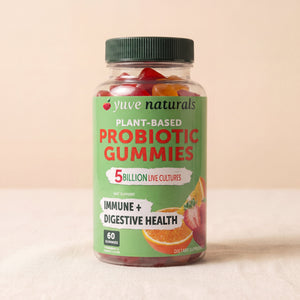
- Probiotics - These are often considered when someone wants extra support for microbial balance.
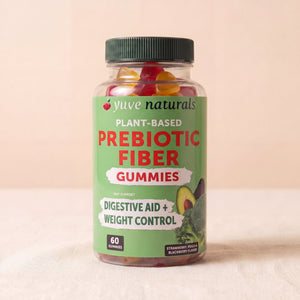
- Fiber supplements - Sometimes useful when food-based fiber feels too chaotic at first.
The key is using them with a purpose. Randomly taking five things because TikTok said “gut health” is not a strategy.

A practical option to consider
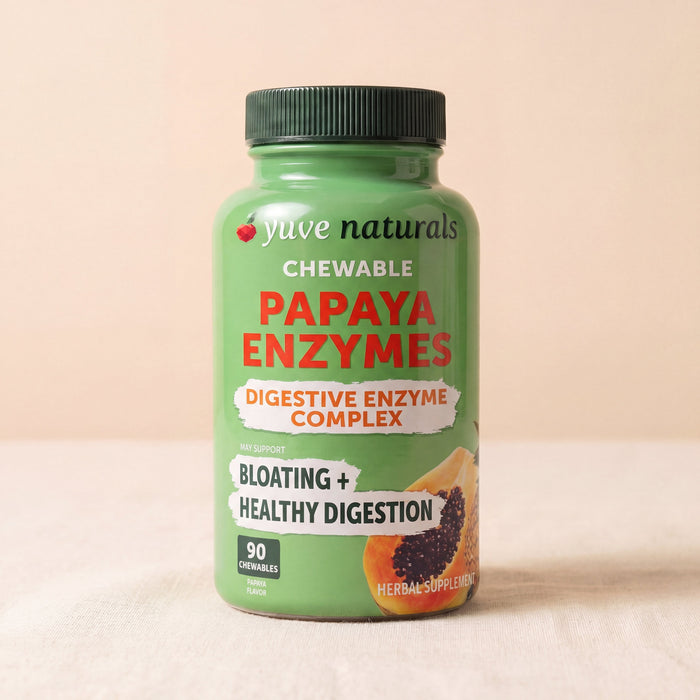
One tool some readers may find useful is Yuve Papaya Enzymes, especially when moving beyond the strictest phase and testing a wider range of plant foods. Pairing that with education around probiotic choices can also help you make more sense of the supplement aisle. This guide to probiotic supplements for IBS is a reasonable place to start if you want a vegan-focused overview.
Sam's own digestive challenges are part of why Yuve exists at all. Not because supplements magically erase IBS, but because people often need practical support while they learn what their gut can handle.
My dietitian-style opinion here
I don't think supplements should be treated like glitter on top of a messy plan. They make the most sense when your meals are already structured, your triggers are getting clearer, and you want support with consistency.
Used that way, they're not a distraction. They're part of the toolkit.
Troubleshooting and When to Call in a Pro
You cleaned up your meals, reduced obvious triggers, cooked more, maybe even simplified your snacks. And yet your stomach still acts dramatic. That happens.
IBS is rarely just about one food. Stress, meal timing, portion size, constipation, diarrhea patterns, and even how quickly you eat can all shape symptoms.
If you're still bloated, check these first
- Your portions - Even tolerated foods can become a problem in amounts your gut can't handle right now.
- Your ingredient labels - Onion powder, garlic powder, inulin, and chicory root can sneak into “healthy” products.
- Your pace - Eating quickly, grazing constantly, or piling on huge dinners can make symptoms louder.
- Your stress load - The gut-brain connection is real, and IBS often gets louder when life does.
A simple food and symptom journal can help. Keep it boring and honest. Write down what you ate, how much, when you ate, and what happened after. You're looking for patterns, not perfection.
When self-experimenting stops being useful
Please don't stay in endless restriction mode.
Get support from a registered dietitian or gastroenterologist if:
- Symptoms are persistent and you can't identify a pattern
- You're afraid to eat more and more foods
- You suspect nutrient gaps from long-term restriction
- Bathroom changes are intense or your day revolves around symptom management
- You feel confused about whether your pattern fits IBS-C, IBS-D, or a mixed type
Some people need less restriction and more guidance. That's not a setback. That's a smarter path.
The encouraging truth
Managing IBS on a plant-based diet takes adjusting, not giving up. You're not trying to win a purity contest. You're trying to build meals that your body can live with.
Small wins count. One calmer breakfast. One less bloated afternoon. One dinner you can eat without regret. That's how progress usually looks.
Your Plant-Based IBS Questions Answered
Can I be vegan and still follow a low-FODMAP approach
Yes, but it takes planning. The short-term phase is more structured, so choosing tolerated grains, carefully selected plant proteins, and lower-FODMAP produce matters. If it starts to feel too restrictive, that's a sign to get dietitian support.
Is all fiber bad for IBS
No. Fiber type matters more than fiber hype. Many people do better with gentler soluble fibers than with rougher insoluble fibers. Your IBS subtype also changes what feels helpful.
Are smoothies a good idea
Sometimes, but giant raw smoothies can be a lot for a sensitive gut. If you love them, keep ingredients simple and avoid packing in multiple potential triggers at once.
What plant proteins are usually easier to test first
Many people start with simpler options like firm tofu and build from there. The goal is not to prove how much your gut can tolerate in one meal. The goal is to learn what works.
How long should I stay super restrictive
Not forever. The strict phase is a tool, not a lifestyle identity. Reintroduction and personalization are what make the process useful.
What if healthy food keeps making me feel sick
That doesn't mean healthy food is wrong for you. It means your current version may be too high in FODMAPs, too high in rough fiber, too raw, too fast, or too much all at once.
Do I need supplements
Not everybody needs the same support, but many people do better with a thoughtful toolkit rather than food-only trial and error. The right choice depends on your symptoms, your food range, and what stage of the process you're in.
If you're tired of guessing, Yuve offers vegan gut-health support designed for real life. Explore their digestive wellness resources and supplements if you want a more structured way to support a plant-based IBS routine without turning every meal into a stress test.