Meta title: Banana Resistant Starch Benefits for Gut Health and Bloating Relief
Meta description: Learn how banana resistant starch works, why ripeness matters, how cooking changes it, and simple ways to use it for gut health and bloating relief.
Some days, your stomach seems to make all the decisions. Breakfast is fine, lunch feels normal, then by mid-afternoon your jeans are tight, your belly feels puffy, and dun, dun, dun, unwelcome gas shows up right before you need to be around actual people.
If you've been there, I get it. Digestive symptoms can make food feel stressful instead of nourishing. Banana resistant starch is one of those simple nutrition tools that sounds niche, but it can be surprisingly helpful when you understand how it works and how to use it in real life.
Tired of Your Tummy Calling the Shots
You start the day with good intentions. Maybe oatmeal. Maybe a smoothie. Maybe that "healthy" snack bar that looked safe enough. Then your gut changes the mood by 2 p.m. and suddenly you're wondering whether it was the lunch, the coffee, the stress, or just your body being unpredictable again.
That kind of guessing game is exhausting.
A lot of people dealing with bloating or off-and-on constipation want one clear answer. One food to avoid. One supplement to take. One magical fix. I do not think gut health works that way. Your digestion is more like a team sport. Food choices, stress, sleep, meal timing, and your gut microbes all matter.
That's why banana resistant starch is so interesting. It isn't flashy. It doesn't come with a dramatic promise. It gives your gut bacteria something useful to work with, especially when it comes from less-ripe bananas.
Real-life reminder: If your digestion feels random, you're not failing. Your gut is giving you information, even if it's doing it in an annoying way.
The good news is that this isn't about forcing yourself to eat weird wellness foods you'll hate. There are practical ways to use green bananas, even if the texture makes you want to run in the other direction. And there are a few nuances most articles skip, like what ripeness means, what heat does to the starch, and why this works better as part of a bigger gut-support plan.
Your Guts Secret Weapon What Is Banana Resistant Starch
Think of resistant starch as a carb that doesn't behave like a typical carb. Most starch gets broken down earlier in digestion. Banana resistant starch doesn't. In green bananas, it's mostly RS2-type resistant starch, and that structure lets it move through the small intestine without being fully digested.
That matters because the destination is the colon, where your gut microbes live.

The simple version
Here's the easiest way to picture it.
A regular starch is like a package opened right away at the front desk. Resistant starch is more like a special delivery that passes the front desk and arrives at the back office where work happens. In your body, that "back office" is the colon.
According to a PubMed Central review on banana resistant starch, banana resistant starch is classified as RS2-type resistant starch. It resists enzyme digestion in the small intestine and travels intact to the colon, where it ferments to produce short-chain fatty acids that improve the intestinal barrier environment.
In plain English, that means it acts more like a functional fiber than a quick sugar source.
Why your gut cares
When gut bacteria ferment this starch, they produce compounds called short-chain fatty acids. One of the important ones is butyrate. You don't need to memorize the name. What matters is the job. These compounds help support the environment of your gut lining and encourage a healthier microbial balance.
The same review notes that banana resistant starch can selectively inhibit some less-helpful bacteria while increasing beneficial genera such as Bacteroides and Lachnospiraceae. That's one reason people interested in bloating relief and gut health tips keep coming back to it.
A few practical points make this easier to use:
- It depends on ripeness - Green bananas are the main natural source because the starch hasn't yet turned into simple sugars.
- It acts like fuel for microbes - So the effect happens lower in the digestive tract, not up front in the stomach.
- It isn't a cure-all - It can support the system, but it won't cancel out every trigger food, rushed meal, or stressful week.
If you're building a better digestion routine overall, these science-backed tips for digestive health pair well with the banana resistant starch idea because they focus on the habits around food, not just one ingredient.
The Banana Ripeness Scale Maximizing Your Starch Intake
Many individuals get tripped up on this point. They hear "green bananas are good for resistant starch" and assume anything yellow is worthless. That's too simplistic.
Ripeness changes the starch a lot, but there is a middle ground.

What happens as bananas ripen
As a banana ripens, enzymes convert resistant starch into simpler sugars. That's why a green banana tastes more starchy and a ripe banana tastes sweeter and softer.
One source on green banana starch reports that unripe green bananas contain approximately 12.75 grams of Type 2 resistant starch per standard fruit, while ripe bananas drop to about 1.84 grams because starch is converted into soluble sugars like glucose and fructose, as shown in this green banana resistant starch reference.
That's a big shift. It also explains why texture and taste change so much.
A more realistic ripeness guide
You do not need to force yourself into eating the most aggressively green banana in the store if that makes you gag. A more practical approach looks like this:
| Banana stage | What it's like | Practical takeaway |
|---|---|---|
| Fully green and firm | Chalkier, less sweet | Highest resistant starch potential |
| Yellow with green tips | Less intense, still firm | A more doable option for many people |
| Fully yellow and soft | Sweeter, easier to eat | Lower resistant starch, but often better tolerated |
| Brown-spotted and very ripe | Very sweet and soft | Not the best choice if resistant starch is your goal |
A nuance many mainstream articles miss is that Healthline's discussion of green bananas notes that yellow bananas with slight green tips may still retain up to 30 to 40% of their resistant starch. That's useful if fully green bananas feel too harsh on your mouth or stomach.
You don't have to choose between "perfectly green" and "not worth it." Slightly under-ripe can be a very reasonable on-ramp.
My opinion on the best starting point
If you're brand new to banana resistant starch, start with a banana that is mostly yellow but still has some green at the tips. You'll usually get a better balance of texture and function.
That may not be the absolute highest resistant starch option. But if you can eat it consistently, it wins in real life.
Why Your Gut and Metabolism Love Resistant Starch
Banana resistant starch offers benefits that extend beyond the general understanding of "fiber is good". Once it reaches the large intestine, your microbes ferment it. That process produces short-chain fatty acids, including butyrate, and those compounds help support the gut environment.

What that can mean day to day
A source from Flore explains that the resistant starch in green bananas ferments in the large intestine to produce butyrate and other short-chain fatty acids, which can nourish beneficial gut bacteria, stabilize blood sugar, reduce glucose spikes, and improve insulin sensitivity in this overview of green bananas and gut health.
If your eyes glaze over at words like fermentation and insulin sensitivity, here's the everyday translation:
- For your gut - It helps create a friendlier environment for beneficial microbes.
- For bloating strategy - Better gut support can mean fewer digestive surprises over time, though some people need to ramp up slowly.
- For energy and appetite - Unripe banana flour has also been shown to improve satiety and reduce overall energy intake, which is one reason it keeps showing up in conversations about metabolic health.
An important study people rarely mention
This next point isn't about casual wellness hype. It's a clinical finding in a very specific group, but it's still worth knowing.
A clinical study found that resistant starch, equivalent to one daily banana, reduced the risk of certain upper GI cancers by nearly 50% in people with Lynch syndrome, a hereditary condition that raises cancer risk, according to this Cancerworld summary of the resistant starch study.
The same report describes the effect as being specific to certain non-colorectal cancers, especially upper gastrointestinal cancers. It didn't show a significant difference in colorectal cancers in that study group.
What this means for you is not "eat a green banana and prevent cancer." That's not the takeaway. The takeaway is that resistant starch appears biologically meaningful. It isn't just trendy fiber language.
Where metabolism fits in
People often look for gut tools because they also want steadier energy, fewer cravings, or support around blood sugar. That's understandable. Gut health and metabolic health overlap more than many people realize.
If you're also navigating hormonal concerns, this Venus Health Co.'s guide to PCOS dieting is a helpful companion read because it looks at food choices through a blood-sugar-aware lens.
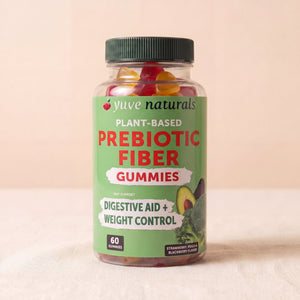
For a broader food list, Yuve also has a practical guide on what foods are high in prebiotics, which can help you think bigger than bananas alone.
A quick explainer can make this easier to picture:
How to Actually Eat Green Bananas Recipes and Tips
Raw green bananas aren't winning any popularity contests. They can taste starchy, a little astringent, and kind of chalky. If you've tried one and thought, "Nope, absolutely not," that's a completely reasonable reaction.
The trick is changing the format, not forcing the food.
The best prep method if resistant starch is your goal
Heat changes the equation. A source on green banana preparation notes that green bananas can lose up to 30 to 50% of their resistant starch when cooked, while cold preparations like uncooked green banana biomass in smoothies may preserve up to 90% of the resistant starch, based on this overview of preparation and resistant starch retention.
That means boiled green bananas, baked banana flour recipes, and other hot preparations may still be fine foods. They just may not deliver the same resistant starch payoff as uncooked options.
Practical rule: If you're aiming for banana resistant starch specifically, cold and minimally processed usually beat hot and heavily cooked.
Easy ways to make it more tolerable
Here are a few options that work better than chewing through a hard green banana by itself:
- Blend it into a smoothie - Use a small amount of green banana with cinnamon, nut butter, unsweetened milk, and cocoa or berries to soften the taste.
- Try green banana biomass - This is a plain banana base you can stir into smoothies or cold bowls in a small amount.
- Use a less-intense ripeness stage - A banana with yellow peel and green tips is often much easier to handle than a fully green one.
- Pair it with familiar flavors - Vanilla, cacao, peanut butter, ginger, and berries help a lot.
A simple starter smoothie
This is the kind of thing someone with a sensitive gut can repeat:
- Start small - Use half of a slightly under-ripe banana.
- Add protein or fat - A spoonful of nut butter can make the texture feel smoother.
- Keep the rest gentle - Unsweetened plant milk, cinnamon, and a handful of berries usually work well.
- Drink it cold - That helps preserve more of the resistant starch than a cooked preparation.
A little founder-style honesty here. Sam's digestive challenges are part of why Yuve exists, and this kind of trial-and-error food tweaking is familiar territory. The first time he tried a greener banana, "chalk" would have been a generous review. The win came from changing the format, not pushing through something miserable. That's how gut routines usually stick. Small adjustments. Better tolerance. Less drama.
What about green banana flour
It can be useful, especially because it's bland and easy to mix into foods. But processing matters. Some research on green banana flour processing shows drying temperature affects resistant starch retention, and lower-temperature handling can preserve more of it, as discussed in this paper on green banana flour processing and resistant starch.
So if you're choosing between a raw-ish smoothie and a baked muffin made with green banana flour, the smoothie is usually the more reliable resistant starch play.
The Power Couple Why Resistant Starch Needs a Probiotic Partner
Banana resistant starch gets a lot of attention because it's a prebiotic. That means it feeds beneficial microbes. But feeding microbes only helps if the microbial community is in decent shape to begin with.
People often expect a single food to do too much.

The easiest analogy
Think of resistant starch as setting out a beautiful meal. Probiotics are the guests who eat it.
If nobody shows up, the meal doesn't serve its purpose. If the wrong guests dominate the room, things can get messy. That's why resistant starch is a team player, not a solo magic bullet.
The banana review cited earlier explains that banana resistant starch can shift the microbiome in a beneficial direction. That's encouraging. But in everyday life, many people with bloating or IBS-friendly snack concerns are also trying to recover from stress, low food variety, frequent antibiotics, or long stretches of digestive imbalance. In that situation, pairing prebiotic foods with broader gut support makes more sense than relying on one ingredient.
Why the pairing matters in real life
A few things happen when you combine the idea of prebiotics and probiotics:
- You feed beneficial bacteria - That's the prebiotic side.
- You support microbial diversity - That's where probiotic strategies often come in.
- You create a steadier routine - Consistency usually matters more than chasing perfect foods.
If you want a simple explainer on another prebiotic ingredient, this article on an organic superfood for gut health gives a useful example of how fibers can work as microbial fuel.
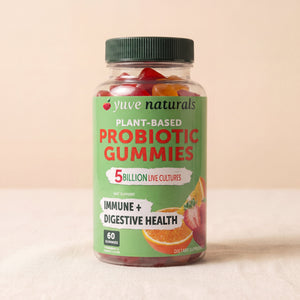
And if you're trying to sort through supplement options, Yuve's guide to the best probiotics for digestion can help you compare approaches without overcomplicating it.
Resistant starch can help set the table. A broader gut-support plan helps make sure the right diners are there.
One more thing people don't say enough
More prebiotic isn't always better on day one.
If your gut is already reactive, dumping a lot of resistant starch into the system can backfire with temporary gas or bloating. That doesn't mean the food is bad. It usually means your dose and timing need adjusting. For many people, the smartest move is to start low, stay consistent, and build slowly while supporting the rest of the gut environment too.
Your Quick Start Guide and Gentle Precautions
You do not need a perfect routine to get started. You need a gentle one.
If banana resistant starch sounds promising but your stomach is the suspicious type, use this as your beginner plan:
- Pick the right banana - Start with one that's slightly under-ripe, not rock-hard green. That's often easier to tolerate and easier to keep doing.
- Use a cold format - Smoothies or other uncooked uses are a better fit when your goal is preserving resistant starch.
- Keep the portion modest - A small amount gives your gut time to adjust.
- Watch your own response - Gas, fullness, or stool changes are signals. They aren't moral failures.
- Build a full gut routine - Think meals, stress, hydration, movement, and microbial support, not just one food.
If your gut is sensitive
People with IBS, suspected SIBO, or a history of getting bloated from fiber need a softer approach. Start with a very small amount and increase only if things feel steady. Going too fast can make a helpful food feel like a problem.
If gas and bloating are already front and center, Yuve's guide on how to reduce gas and bloating is a good next read because it looks at the bigger picture, not just one ingredient.
A final note of reassurance. If green bananas don't work for you right away, that doesn't mean you've failed at gut health. It usually means your gut needs a lower dose, a different format, or a slower pace.
Frequently Asked Questions About Banana Starch
Is green banana flour as effective as raw green banana
Sometimes, but not always. Processing matters. Lower-heat handling may preserve more resistant starch, while higher heat can reduce it. If your goal is maximum resistant starch, a cold preparation with less processing is usually the safer bet.
Can I use yellow bananas at all
Yes, especially if they still have green tips. They won't match a fully green banana for resistant starch, but they can be a more realistic option if texture is a deal-breaker.
Will banana resistant starch help everyone with bloating
Not automatically. Some people do well with it. Others need to start tiny because prebiotic fibers can temporarily increase gas while the gut adjusts.
What are other food sources of resistant starch
Other foods can contain resistant starch too, but the amount depends on the food and how it's prepared. Bananas stand out because ripeness changes the resistant starch so dramatically.
How much should I start with
Tolerance varies. A small amount is usually smarter than a large one, especially if your gut is sensitive. Go slowly and pay attention to how your body responds.
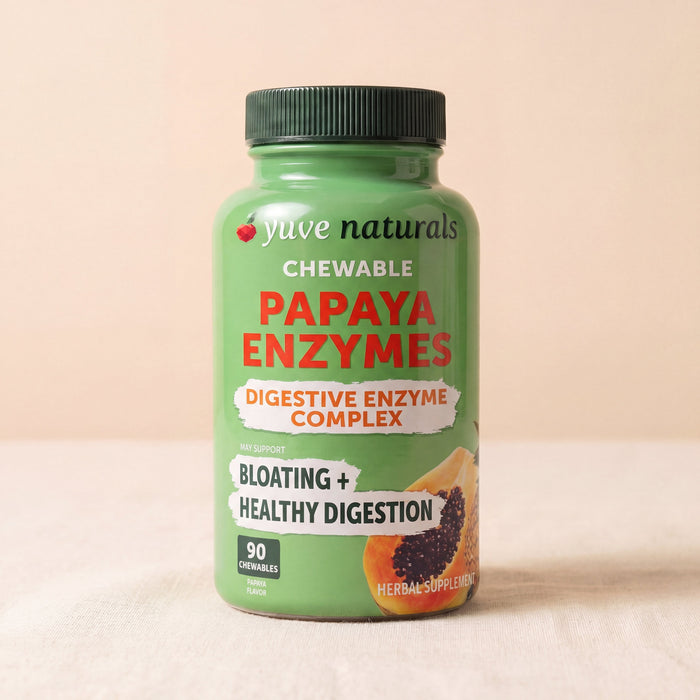
If you're ready to support your gut with a more complete approach, explore Yuve. Their vegan, gut-focused supplements fit naturally alongside food-first strategies like banana resistant starch, especially if you want a practical routine that supports digestion, immunity, and everyday consistency.