Ever stand in your kitchen with a can of chickpeas in one hand and a nagging thought in your head: Am I getting enough protein on a plant-based diet? If you've also dealt with gas, bloating, or that too-full feeling after a bean-heavy meal, you're in very good company.
Protein questions get most of the attention, but digestion is often the main sticking point. Food can look great on paper and still leave you uncomfortable in real life. That's why a smart approach to plant based diet protein sources needs to cover both sides of the equation: what you eat, and how well your body can use it.
Meta title: Plant Based Diet Protein Sources - A Complete Guide to Getting Enough Protein
Meta description: Learn the best plant based diet protein sources, how to get complete protein, and how to support digestion and absorption with simple, practical tips.
Feeling Lost on Your Plant-Based Journey
A lot of people start eating more plants for good reasons. They want more energy, gentler meals, better long-term health, or a more sustainable way to eat. Then the questions start.
Your uncle asks where you get your protein. Social media tells you to combine foods perfectly. A recipe looks healthy, but two hours later your stomach feels loud and annoyed. It can feel like everyone got a handbook except you.
I don't think people need more fear around food. They need clearer information.
That starts with one reassuring truth: plant-based eating is not automatically low-protein. It just asks you to get familiar with different staples than the ones many of us grew up with. Beans instead of chicken. Tofu instead of eggs. Nuts, seeds, lentils, soy foods, and whole grains doing more of the heavy lifting.
A gentle reminder: confusion doesn't mean you're failing. It usually means you're learning a new food pattern and need better tools, not stricter rules.
If you're still finding your footing, Yuve's guide on how to transition to a vegan diet is a helpful next read because it breaks the process into something more doable and less overwhelming.
A friend of mine once told me she kept buying “healthy plant foods” but never felt full. When we looked closer, her meals were mostly vegetables with tiny add-ons of protein. Once she started building meals around lentils, tofu, beans, and grains, everything got easier. She felt more satisfied, less snacky, and far less stressed.
That's the shift. You don't need perfection. You need a workable rhythm.
More Than Enough Why Plant Protein Wins
The old conversation asked whether plant protein was “good enough.” That's the wrong question. A better one is whether leaning into plant protein can actively support your health. The answer is yes.
A pooled meta-analysis of 31 cohorts found that replacing just 3% of calories from animal protein with plant protein lowered the risk of dying by approximately 5%, with heart-disease deaths decreasing as plant protein intake rises, according to VeganHealth's review of the evidence. What this means for you: small shifts count. You don't have to overhaul your entire life overnight to make your plate more supportive of long-term health.

Why this matters beyond protein grams
Plant protein foods usually bring more than protein to the table. They also tend to come packaged with fiber and a broader mix of nutrients. That can make meals feel more satisfying and more balanced.
Just as important, plant-based eating can shift your mindset from restriction to addition. Instead of asking what you're losing, you start asking what you're adding:
- More variety - lentils, tofu, edamame, nuts, seeds, quinoa, beans
- More flexibility - soups, bowls, tacos, pasta, smoothies, snacks
- More staying power - meals that can support fullness and consistency
The strongest reason to stop underestimating plant foods
A landmark Harvard T.H. Chan School of Public Health study found that moving the plant-to-animal protein ratio from the average American pattern of 1:3 to at least 1:2 was linked with significantly lower cardiovascular risk. People consuming the highest ratio, about 1:1.3, had a 19% lower risk of cardiovascular disease and a 27% lower risk of coronary heart disease compared with those at the lowest ratio, about 1:4.2.
That's a big deal. It tells us plant proteins aren't just stand-ins. In the context of heart health, they're a smart foundation.
Plant protein isn't a backup plan. For many people, it's a better starting point.
You don't have to choose between “enough protein” and “healthy eating.” Done well, plant-based protein gives you both.
Your Ultimate Guide to Plant Protein Sources
Let's make this practical. The easiest way to get enough protein is to stop treating protein like a side detail. Build meals around it first, then add the rest.
A review of vegetarian dietary protein found that the median total protein intake for vegans is 71 grams per day, and that intake comes largely from foods like legumes, nuts, seeds, and whole grains. The same review notes that one cup of cooked lentils contains 18 grams of protein and one cup of firm tofu delivers 22 grams, as outlined in this review on vegetarian dietary protein intake. What this means for you: ordinary plant foods can absolutely carry the load.
Plant-Based Protein Content at a Glance
| Food Source | Serving Size | Protein (g) |
|---|---|---|
| Cooked lentils | 1 cup | 18 |
| Cooked beans | 1 cup | 15 |
| Edamame | 1 cup | 17 |
| Firm tofu | 1 cup | 22 |
| Quinoa | 1 cup | 8 |
| Nuts and seeds | 1/4 cup | 5-9 |
| Amaranth | 1 cup | 9 |
The pantry groups that do most of the work
Legumes for everyday meals
Beans, lentils, peas, and edamame are steady, affordable, and easy to use. Add them to soups, grain bowls, pasta, tacos, or salads. If you're new to plant-based eating, legumes are often the first group to build around because they're so versatile.
Soy foods for efficiency
Tofu, tempeh, edamame, and soy milk make life easier when you want a more direct protein boost. They're especially handy for breakfasts and quick lunches because they don't require much mental math.
Grains and pseudocereals for support
Quinoa and amaranth do more than “fill space” on the plate. They contribute meaningful protein while also pairing naturally with beans, tofu, and vegetables, helping meals feel complete instead of cobbled together.
Nuts and seeds for snacks and toppings
A small portion can add texture, flavor, and protein fast. Think pumpkin seeds on soup, hemp seeds in oatmeal, peanut butter on toast, or almonds with fruit.
If you'd like more meal inspiration beyond this list, Louisville Jerky Co. has a useful complete plant-based protein guide that can help spark ideas when your usual routine gets stale.
For people who want to compare whole foods with supplements and powders, Yuve's article on vegan protein powder benefits can help you sort out where each option fits.
Practical rule: pick one protein anchor for every meal. Lentils at lunch, tofu at dinner, nuts or seeds at snack time. That simple habit changes everything.
Unlocking Complete Protein Without the Stress
“Complete protein” sounds way more intimidating than it needs to be.
Think of the nine essential amino acids like LEGO bricks. Your body needs all of them, but it doesn't need every brick to arrive in one perfect box at every single meal. It gathers what it needs from the foods you eat across the day.

The myth that keeps people anxious
A lot of us were taught that we must combine certain foods at the same meal or else plant protein “doesn't count.” That idea has scared plenty of people away from plant-based eating for no good reason.
In real life, variety matters more than meal-by-meal perfection. If you eat a mix of legumes, grains, nuts, seeds, and soy foods over the course of a day, your body has what it needs to work with.
The plant foods that make this easier
Some foods do arrive with all nine essential amino acids already packed in. Soy is the standout example.
Soy-based proteins such as tofu, tempeh, edamame, and soy milk are classified as complete proteins because they provide all nine essential amino acids. A 3.5 oz (100 g) serving delivers 12 to 20 g of protein, according to GoodRx's overview of plant-based protein sources. That makes soy especially helpful when you want a simple, reliable option without overthinking combinations.
Easy pairings that happen naturally
You don't need a chemistry degree. Most traditional meals already do this beautifully.
- Rice and beans are a classic for a reason.
- Hummus and pita work well together and feel easy.
- Peanut butter on whole wheat bread is simple, fast, and familiar.
- Tofu with quinoa and vegetables gives you a low-fuss dinner base.
Some people like to keep a running scorecard in their heads. I don't recommend it. Eat a range of plant foods regularly, and let that consistency do the heavy lifting.
The Secret to Better Digestion and Absorption
You can eat a protein-packed meal and still walk away feeling puffy, gassy, or weirdly uncomfortable. That doesn't mean plant foods are the problem. It usually means your digestive system needs a little more support, a little more time, or a better preparation method.

Why one plant protein may feel easier than another
Not all plant proteins are used by the body in exactly the same way. Plant-based protein bioavailability varies significantly. Soy protein has a digestibility score of about 91%, while wheat protein is about 86%. Traditional processing like fermentation, as used for tempeh, can increase amino acid accessibility by 15 to 20%, according to the American Institute for Cancer Research discussion of plant-based protein. What this means for you: preparation matters. The same protein source can feel very different depending on what it is and how it's made.
That matters even more if you have a sensitive stomach, you're active, or you're trying to rely on plants for a bigger share of your meals.
Why bloating happens
Beans, lentils, and whole grains can be fantastic foods. They're also rich in fiber and natural compounds that some people don't handle smoothly at first. If your gut isn't used to them, your body may protest. Dun, dun, dun. Unwelcome gas. Yikes.
A few common reasons people feel off:
- Too much too soon - jumping from low-fiber eating to giant bean bowls overnight
- Not enough preparation - undercooked beans or rushed cooking methods
- Low fluid intake - fiber needs water to move comfortably
- Stress eating - eating quickly and barely chewing
If a food is healthy but leaves you miserable, the answer usually isn't “never eat it again.” The answer is often “change the dose, the prep, or the pace.”
Small changes that improve absorption
The good news is, you can make plant proteins easier on your gut without making life complicated.
- Soak dried beans before cooking if you use them regularly.
- Choose fermented foods like tempeh when you want a gentler option.
- Cook thoroughly instead of aiming for “just tender.”
- Start smaller if legumes are new for you.
- Rotate your sources so every meal doesn't lean on the same ingredient.
If you're working on this piece of the puzzle, Yuve's article on how to improve nutrient absorption is worth reading.
A quick founder-style note here, because this part feels personal for so many people. Sam's digestive struggles are a big reason Yuve exists in the first place. The frustration wasn't just about eating healthy. It was about eating healthy and not feeling great afterward. That's a very real barrier, and it deserves practical support, not shame.
This short video is a helpful companion if you're trying to make digestion feel less mysterious.
Easy Plant-Powered Meal and Snack Ideas
Knowing the foods is one thing. Using them on a busy day is another. The trick is to think in templates, not perfect recipes.
Evidence shows that diversified eating patterns, combining legumes, nuts or seeds, and pseudocereals like quinoa, can virtually eliminate protein inadequacy risk in vegetarian and vegan diets. In plain English, variety across the day does a lot of the work.
For the active person who wants staying power
This doesn't need to be fancy. It needs to be repeatable.
- Breakfast - tofu scramble with toast and fruit
- Lunch - quinoa bowl with lentils, roasted vegetables, and pumpkin seeds
- Snack - soy yogurt with chia or a handful of nuts and seeds
- Dinner - tempeh stir-fry with rice and vegetables
This setup works because it spreads protein across the day instead of forcing one huge serving at dinner.
For kids who need simple and familiar foods
Children often do better with recognizable textures and low-pressure options.
- Peanut butter whole grain toast with fruit
- Bean and cheese-style burrito using plant-based fillings
- Smoothie with soy milk and nut butter
- Pasta with lentil sauce
- Hummus with pita or crackers
Keep portions approachable. Repetition helps. So does letting kids see these foods often without turning every meal into a negotiation.
For sensitive stomach days
Some days your gut wants softer, gentler choices. That's normal.
- Warm oatmeal topped with nut butter or seeds
- Soft cooked lentil soup instead of a dense salad
- Tofu and rice bowl with cooked vegetables
- Tempeh instead of large bean portions if fermented foods sit better for you
- Smaller meals eaten more slowly
If you're nursing, feeding a family, or looking for simple ways to build nourishing meals during demanding seasons, Bornbir's breastfeeding nutrition tips offer practical ideas that fit well with a balanced plant-forward routine.
Your Questions on Plant Protein Answered
A few questions usually linger, especially once you start grocery shopping and putting these ideas into real meals.
If you want more cooking inspiration, Nutrition Geeks has a solid roundup of delicious high protein vegan recipes that can help you turn the basics into meals you'll look forward to eating.
Frequently Asked Questions
| Question | Answer |
|---|---|
| Do I need to combine proteins at every meal? | No. Variety across the day is what matters most for most people. Eating a mix of legumes, grains, nuts, seeds, and soy foods regularly is usually enough. |
| What's the easiest high-protein plant food for beginners? | Tofu is often one of the easiest because it's versatile, mild, and simple to add to stir-fries, scrambles, bowls, and sandwiches. Lentils are another strong pick because they cook quickly and fit into soups, salads, and pasta sauces. |
| Why do beans make me feel bloated? | Often it's about fiber load, preparation, portion size, or how quickly you increased them. Starting smaller, cooking thoroughly, and rotating in gentler options like tofu or tempeh can help a lot. |
You're not doing this wrong if it takes a little trial and error. Plant-based eating gets much easier once you stop chasing perfect meals and start building consistent ones.
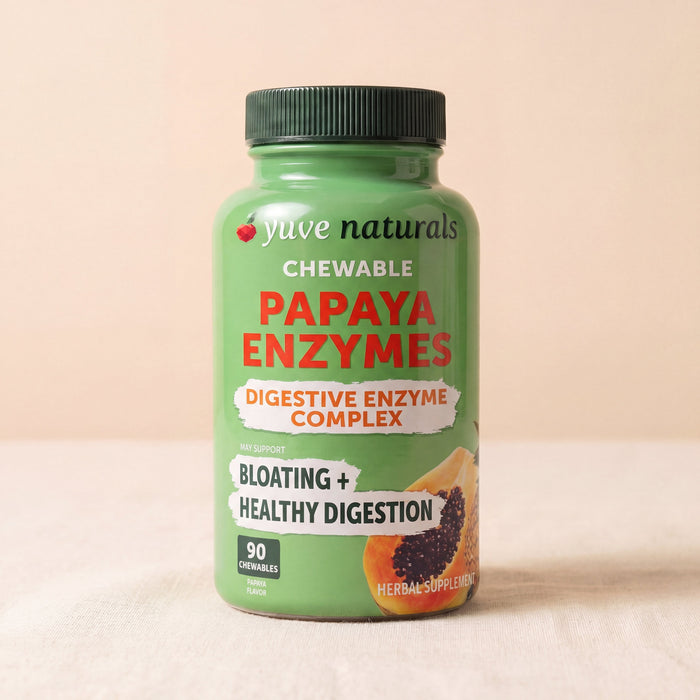
If you're ready to support your digestion while eating more plant foods, explore Yuve. Their plant-based wellness approach is built for people who want to nourish their bodies and feel good doing it.