Ever feel like your stomach inflates like a balloon by afternoon, even after you’ve been so careful with your diet? You’re not alone- and it’s not just about what you ate for lunch. What if the very probiotic you're counting on for gut health is secretly working against you?
Let's dive into the often-confusing world of supplements. We'll unpack why finding a truly probiotic gluten free supplement isn't just a preference- it's absolutely essential for your well-being. By the end of this guide, you'll know exactly how to choose supplements that support your gut-healing journey, not sabotage it.
Why Your Gut Still Hurts After Going Gluten-Free
You did the hard part. You said goodbye to your favorite bread, pasta, and all those sauces with hidden wheat, hoping for relief from that constant, nagging feeling of being bloated and uncomfortable. Yet, here you are, still dealing with that frustrating puffiness. We get it. It’s incredibly frustrating when you’re doing everything right and still not feeling 100%.
You’re not imagining it. Hidden gluten can pop up in the most unexpected places and completely undermine your progress. And one of the most common culprits? The very supplements you take to help your gut. Talk about a plot twist that leads to dun, dun, dun- unwelcome gas. Yikes!
This doesn't mean your efforts were for nothing. Far from it. You’ve already taken a massive step toward healing your gut. Now it’s time for the next one: becoming a detective when it comes to your supplements.
What’s Really Going On in Your Gut
For anyone with celiac disease or gluten sensitivity, exposure to gluten can inflame and damage the gut lining. This damage is often tied to increased intestinal permeability, a condition you might know as "leaky gut." You can learn more in our article on what is leaky gut syndrome, but here’s the bottom line: your gut needs a calm, supportive environment to repair itself.
Taking a probiotic that's contaminated with even trace amounts of gluten is like trying to put out a fire while someone keeps tossing matches on it. It just keeps the inflammation going, preventing your gut from ever fully healing.
That’s why choosing a certified gluten-free probiotic isn’t a luxury; it's a necessity for finally feeling your best. Beyond supplements, true gut health involves looking at your whole lifestyle, right down to the tools in your kitchen. For instance, finding tools like the best gluten-free breadmakers can make your journey that much easier and more delicious.
The Sneaky Ways Gluten Hides in Your Supplements
You've probably mastered the art of scanning food labels, but stepping into the supplement aisle is a whole new territory. You see “gluten-free” on the bottle and breathe a sigh of relief, but here's the tricky part: it’s not always that straightforward. Accidental gluten exposure from supplements is a surprisingly common problem, and it might just be the missing piece of your gut-health puzzle.
Think of it like a coffee shop that serves both regular and oat milk. If the barista uses the same steam wand for both without cleaning it, a little dairy is going to end up in your latte. The same cross-contamination principle applies to facilities that manufacture supplements.
This isn't about creating fear; it's about empowering you. Once you know where gluten likes to lurk, you can become a more discerning shopper and finally protect your gut from those sneaky triggers.
Common Culprits of Contamination
So, where is the gluten actually coming from? It's rarely the main event- the probiotic strains themselves are naturally gluten-free. The real troublemakers are the supporting cast, the so-called "inactive" ingredients.
Here are the top offenders to keep on your radar:
- Fillers and Binders: These are added to give pills and capsules their shape and bulk. Some common fillers, like modified food starch, are often derived from wheat.
- Coatings and Capsules: While gelatin capsules are typically in the clear, some vegetarian capsules or the shiny coatings on tablets can use gluten-based ingredients.
- Anti-caking Agents: Ingredients like magnesium stearate are used to keep powders from clumping. While the agent itself is usually gluten-free, the way it's sourced and handled can introduce contamination.
Key Takeaway: Always flip the bottle over and read the "Other Ingredients" list. This is where you'll spot the fillers, binders, and coatings that could be a hidden source of gluten.
The Big Risk of Shared Equipment
Now, let's talk about the biggest issue of all: cross-contamination. Even if a probiotic formula contains zero gluten ingredients on paper, the manufacturing environment can be the real source of the problem. This is the "coffee shop steam wand" scenario on a much larger scale.
If a facility produces supplements containing wheat germ oil on the same production line as its "gluten-free" products, the risk is huge. For anyone with celiac disease or a serious gluten sensitivity, a trace amount- we're talking just a few parts per million- is more than enough to set off a reaction.
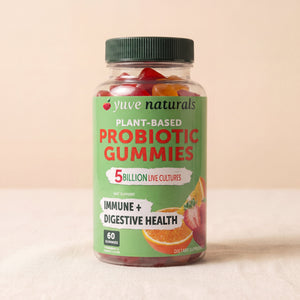
This is precisely why we're so meticulous at Yuve. We don't just formulate our Yuve Vegan Probiotic Gummies without gluten; we ensure they are made in a facility with strict protocols to prevent any chance of cross-contamination. It’s a core part of our promise because your journey to better gut health deserves support, not sabotage.
How to Read Supplement Labels Like a Pro
Navigating a supplement label can feel like trying to crack a secret code, but don't worry- we’re giving you the decoder ring. It’s time to stop guessing and start choosing with total confidence.
Learning to spot a genuinely probiotic gluten free supplement is simpler than you think once you know what to look for. Let’s walk through it together.
Certification Is Your Best Friend
Here’s the biggest piece of advice we can give you: look for a third-party certification seal. This is your non-negotiable gold standard. A brand can easily print "gluten-free" on its label, but that claim isn't always verified.
A certification from a trusted organization like the Gluten-Free Certification Organization (GFCO) means the product has undergone rigorous testing. A study published in the Journal of the American Dietetic Association found that a significant number of "gluten-free" products still contained detectable levels of gluten. This means for you that a certification seal isn't just marketing- it's your only real guarantee of safety.
This quick decision tree helps you evaluate a supplement for hidden gluten.
The key takeaway is that a certified product has passed multiple checkpoints for your safety, from raw ingredients to the final product on the shelf.
Decoding Gluten-Free Labels
To make things even clearer, here's a quick reference guide to the different gluten-free claims you'll see and what they really mean for you.
| Label Claim | What It Means for You | Level of Assurance | Who It's Best For |
|---|---|---|---|
| Certified Gluten-Free | The product has been independently tested by a third party (like GFCO) to meet strict standards (often <10 ppm gluten). | Very High | Individuals with celiac disease or severe gluten sensitivity who need the highest level of safety. |
| "Gluten-Free" | The product meets the FDA's definition of less than 20 ppm gluten. The manufacturer is making this claim themselves. | Good | People with mild gluten sensitivities or those avoiding gluten for lifestyle reasons. |
| "No Gluten Ingredients" | The formula doesn't contain wheat, barley, or rye, but it may be made in a facility that processes gluten. | Moderate | Those avoiding gluten by choice, but risky for anyone with celiac due to cross-contamination potential. |
| "Wheat-Free" | The product doesn't contain wheat but could still contain gluten from other sources like barley or rye. | Low | Individuals with a specific wheat allergy, but not a reliable choice for a gluten-free diet. |
The "Other Ingredients" List
After checking for a certification seal, your next stop is the "Other Ingredients" list. This is where you’ll find those sneaky fillers and binders.
Be on the lookout for vague terms like:
- Starch: Unless it specifies "corn starch" or "tapioca starch," it could be derived from wheat.
- Food Glaze: Sometimes, coatings used to make pills shiny can contain gluten.
- Natural Flavors: While often safe, "natural flavors" can occasionally include barley-based ingredients.
This skill is useful far beyond the supplement aisle. It helps you confidently navigate a gluten-free lifestyle- from supplements to a guide to identifying the best gluten-free snacks to keep your gut happy between meals. For a deeper dive, check out our guide on how to read supplement labels.
The Real Impact of a Certified Gluten-Free Probiotic
If you have celiac disease or a serious gluten sensitivity, you know the reaction isn't just a bit of stomach upset- it’s a full-blown immune response. Even a trace amount of gluten can set off inflammation and damage the delicate lining of your gut, which is exactly why finding a truly probiotic gluten free supplement is so critical.
Taking a probiotic contaminated with gluten is like trying to plant a garden while someone keeps tossing in weed seeds. You’re doing all this great work, but hidden irritants constantly undermine your efforts.
Creating the Perfect Environment for Your Gut to Heal
When you combine a strict gluten-free diet with a genuinely clean, certified probiotic, you create the perfect conditions for your gut to finally heal. Removing the inflammatory trigger- the gluten- is the first essential step. Adding a pure probiotic actively helps rebuild and strengthen that internal ecosystem.
This powerful combination helps to:
- Calm Inflammation: Without the constant irritation from hidden gluten, your gut's inflammatory response can finally settle down.
- Strengthen the Gut Barrier: Probiotics help reinforce the gut wall, making it stronger and less permeable, which is vital for healing damage from gluten.
- Balance Your Microbiome: A clean probiotic helps beneficial bacteria reclaim their territory from the troublemakers, leading to smoother digestion and less bloating and gas.
Why That "Certified" Seal Is a Game-Changer
Choosing a certified gluten-free product isn't about being overly picky; it's about making sure your efforts actually work. That certification seal is your guarantee that the product has undergone rigorous testing to confirm its purity. It’s how you ensure your supplements are helping, not hurting.
This mindset- insisting on proof of purity- should apply to all your supplements. It's why looking into the best third-party tested supplements is a non-negotiable for anyone serious about their health. By choosing certified products, you’re investing in the integrity of your gut-healing journey.
Our Promise: Clean, Vegan, and Certified Gluten-Free Probiotics
At Yuve, our drive to create a clean, safe, and effective gluten-free probiotic isn't just about business- it's personal. Our founder, Sam, spent years trying to solve his own frustrating digestive issues. He did everything right, from completely overhauling his diet to trying every supplement on the shelf, yet the bloating and discomfort just wouldn't quit.
That discouraging journey led to a powerful realization: The very products that were supposed to help were often part of the problem. This struggle is what sparked our mission. We knew there had to be a better way, and if we couldn't find it, we were determined to create it ourselves.
More Than a Claim- A Guarantee
For us, "gluten-free" isn't a trendy buzzword we just slap on a label. It's a foundational promise. We get it. For someone with celiac disease, even microscopic traces of gluten can completely derail their health. That's why we take zero shortcuts.
Our Yuve Vegan Probiotic Gummies aren't just formulated without gluten. They're made in a facility that follows the absolute strictest allergen control protocols. But we don't stop there.
Every single batch is sent for third-party testing to earn the official Certified Gluten-Free seal. This independent verification is your guarantee that what’s on the label is exactly what’s in the bottle- pure, safe, and ready to support your gut without any hidden surprises.
Peace of Mind in Every Gummy
Choosing a supplement shouldn't feel like a leap of faith. Our promise is simple and transparent:
- Certified Purity: We guarantee every gummy is free from gluten, soy, dairy, and gelatin.
- Vegan-Friendly: Our formula is entirely plant-based, made with fruit-derived pectin.
- Effective Support: We use stable, well-researched probiotic strains that deliver results.
You’ve already put in the hard work. Let us provide the clean, reliable support you need to feel your best. We created Yuve so you can finally stop worrying about what's in your supplements and start focusing on living a vibrant, comfortable life.
Why We're All Searching for Better Gut Health Solutions
If you find yourself meticulously reading supplement labels, you're not alone. You’re part of a huge global shift toward safer, more effective gut health solutions. This isn't just another passing health fad. It’s a genuine movement, powered by people who are tired of products that fall short of their promises.
The Numbers Don't Lie
The market growth alone shows just how many of us are on this journey. The global probiotics market hit USD 69.28 billion in 2024 and is projected to climb to USD 115.13 billion by 2032. This explosion is directly linked to a growing understanding of how critical gut health is to our overall well-being. You can dive deeper into the probiotics market growth to see the full story.
So, what does this mean for you? It means your search for better options, like a trustworthy probiotic gluten free supplement, is making a real impact. This consumer-driven demand is forcing companies to step up their game.
Why Clean and Certified Is the New Standard
As more of us become aware of food sensitivities, the demand for products that offer complete peace of mind has skyrocketed. Nobody wants to play guessing games with their health anymore; we expect our supplements to be safe, period.
This is exactly why a commitment to purity isn't just a nice-to-have feature- it's an absolute must. Your health journey deserves to be supported by brands that take clean ingredients as seriously as you do.
Here at Yuve, we don't see this as just a market trend. It’s a reflection of our own story. Our founder's personal struggle mirrors the journey so many of us are on. That’s why we create the certified, clean solutions we wished we could have found all those years ago- so you never have to settle.
Quick Wins: Your Gluten-Free Probiotic Checklist
Feeling empowered? Great! Here are the key takeaways to remember next time you're shopping for supplements.
- ✅ Prioritize Certification: Look for a third-party Certified Gluten-Free seal (like GFCO) on the package. This is your best guarantee of safety.
- ✅ Read the "Other Ingredients": Scan for potential red flags like "starch" (without a source), "food glaze," or other vague terms.
- ✅ Verify Manufacturing Practices: Check the brand's website for their allergen protocols. Do they use a dedicated gluten-free facility?
- ✅ Choose a Proactive Solution: Don't just avoid gluten; actively support your gut with a clean, effective probiotic like Yuve Vegan Probiotic Gummies.
By following these simple steps, you can confidently choose a probiotic that will be your partner in healing, not another source of frustration. You've got this!
Your Gluten-Free Probiotic Questions Answered (FAQ)
Navigating supplements can bring up a lot of questions. Let’s clear up a few common ones.
Can a probiotic have gluten?
Yes, surprisingly! While the actual probiotic bacteria are naturally gluten-free, the problem creeps in with fillers, binders, or even the capsules themselves. The bigger issue is often cross-contamination during manufacturing. That’s why a label that says "no gluten ingredients" might not be enough for someone who is highly sensitive.
How can I be sure a probiotic is safe for celiacs?
When you absolutely cannot risk any gluten exposure, your best bet is to look for a third-party certification seal right on the bottle. A logo from an organization like the Gluten-Free Certification Organization (GFCO) is the gold standard, guaranteeing the product has been through strict, independent testing. This removes all the guesswork.
Are all vegan probiotics gluten-free?
That's a common assumption, but "vegan" and "gluten-free" are two completely separate things. A product can be 100% plant-based and still have gluten from a wheat-based filler or cross-contamination. You have to look for both certifications on the label to be sure.
At Yuve, we get it. This commitment to clean, safe ingredients is personal. That’s why our Yuve Vegan Probiotic Gummies are both Certified Vegan and Certified Gluten-Free. You get the gut support you need with the peace of mind you deserve. Ready to give your gut the best? Try them today