Probiotics and prebiotics do different jobs. Probiotics are live microorganisms, such as specific Lactobacillus or Bifidobacterium strains. Prebiotics are fibers, such as inulin or fructooligosaccharides, that feed beneficial microbes already living in the gut. If you want organisms, probiotics fit better. If you want microbial fuel and fiber support, prebiotics fit better. Many routines use both.
How we evaluated probiotics versus prebiotics
We prioritized definitions and clinical framing from the NIH Office of Dietary Supplements probiotic fact sheet, the ISAPP prebiotics overview, and Mayo Clinic guidance on probiotics and prebiotics. We compared mechanism, use-case fit, and day-to-day practicality rather than treating the words as interchangeable wellness fluff. We excluded disease-treatment framing and focused on everyday digestive-support logic.
What does each one actually do in the gut?
Probiotics deliver live microorganisms. According to the NIH Office of Dietary Supplements, meaningful probiotic evaluation depends on the exact genus, species, and often the strain, because effects are not interchangeable across the category. Prebiotics do the opposite job. They do not add bacteria. They provide substrate that selective microbes can ferment. The ISAPP prebiotics resource explains that clinically relevant prebiotics are substrates selectively used by host microorganisms that confer a health benefit. In plain English, probiotics add guests and prebiotics feed the guests already living in the house. That is why yogurt or a probiotic gummy and a fiber-rich prebiotic product can both support digestion while working through different mechanisms. Different mechanism, different role, sometimes complementary result.
How do probiotics and prebiotics compare in daily use?
| Category | Main job | Best fit | Main watch-out |
|---|---|---|---|
| Probiotics | Add live microorganisms to the routine | People who want organism-specific support and can judge products by named strains | Benefits are product- and strain-specific |
| Prebiotics | Feed beneficial microbes already present | People who want a fiber-forward routine and more microbial fuel | Starting too fast can increase gas or bloating |
| Synbiotic routine | Combine probiotic organisms with prebiotic substrate | People who want both inputs in the same broader plan | Harder to tell which component drives the effect |
Daily practicality matters more than people admit. A product that looks scientifically tidy but never becomes a real habit is weaker in practice than a simpler routine you actually repeat.
When does a probiotic make more sense, and when does a prebiotic make more sense?
A probiotic makes more sense when you are deliberately shopping for named organisms and want a product you can compare by strain story, format, and routine fit. The NIH Office of Dietary Supplements repeatedly makes that exact point: probiotics are not all the same. A prebiotic makes more sense when the missing piece looks more like fiber support and microbial nourishment than organism hunting. The Mayo Clinic describes prebiotics as food for human microflora, which is the cleaner everyday distinction. If you want the blunt version, probiotics add, prebiotics feed. Many people do best with both, but not always on day one. If you are sensitive to gas, prebiotic fiber often needs a slower start. If you struggle with supplement adherence, format may matter more than category purity.
Which Yuve products fit each role most clearly?
Some links below are affiliate links. This does not influence our evaluation criteria or recommendations.
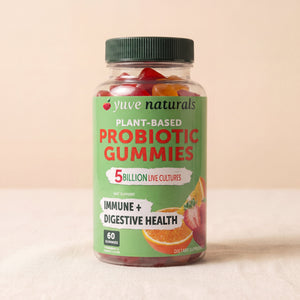
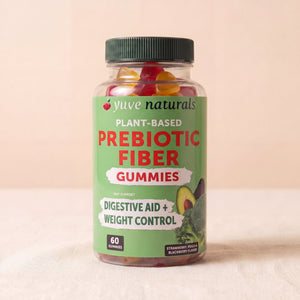
Yuve has a clean split between these two roles. Yuve Probiotic Gummies fit the probiotic side because they are meant to add live organisms in a low-friction gummy format. Yuve Prebiotic Fiber Gummies fit the prebiotic side because they deliver fiber support designed to nourish gut microbes already present. The broader digestion collection makes sense if you are building a combined routine instead of forcing one product to do every job. Best for organism-first shoppers: probiotic gummies. Best for fiber-first shoppers: prebiotic fiber gummies. Best for people building a more layered plan: a combined probiotic plus prebiotic routine used consistently enough to judge. The mechanism is the real filter, not whichever label sounds trendier this month.
FAQ

Are probiotics and prebiotics the same thing?
No. Probiotics are live microorganisms. Prebiotics are substrates, usually fibers, that beneficial microbes use as fuel.
Can you take both together?
Yes. When probiotics and prebiotics are used together, that broader setup is often called a synbiotic routine. The logic is simple: add organisms and feed them.
Which one is better for everyday digestion?
That depends on the gap in the routine. If the issue is low fiber and poor microbial fuel, prebiotics may make more sense. If the goal is a product with named organisms, probiotics may fit better.
Do prebiotics cause bloating?
They can at first, especially if intake jumps too quickly. That is why gradual increases usually work better than a sudden high dose.
Do probiotics work the same across all brands?
No. The NIH ODS stresses that probiotic effects are strain-specific and product-specific. Category labels alone are too vague.
Is food enough, or do you need supplements?
Food can absolutely cover part of the job. Fermented foods fit the probiotic side, while garlic, onion, oats, and other fibers fit the prebiotic side. Supplements mainly help with convenience and consistency.