Ever feel like your stomach inflates like a balloon by afternoon? You’re not alone-and it’s not just what you ate. It’s frustrating when you're trying to eat healthy but still feel… off. We spend so much time focusing on what’s wrong with our digestion-dun, dun, dun-unwelcome gas or discomfort. But what if we flipped the script? What does a truly happy and healthy gut even feel and look like?
Think of your gut health as the foundation for your overall well-being. It impacts everything from your energy and mood to your skin and immune system. When it’s balanced, you feel fantastic, but when it's out of sync, the effects can ripple through your entire body.
In this guide, we’re ditching the confusion and focusing on the positive. We will walk you through the clear, unmistakable signs of good gut health so you can finally get a baseline for what you're aiming for. Consider this your body's report card. We'll explore eight key indicators, why they matter, and provide simple, actionable tips to help you cultivate a thriving internal ecosystem. It's time to decode what your body is telling you and start feeling your best from the inside out.
1. Regular and Consistent Bowel Movements
Talking about poop might feel a little awkward, but it’s one of the most direct ways your body communicates its internal health. Think of your bowel movements as a daily report card from your gut. One of the most fundamental signs of good gut health is having regular, predictable bathroom habits that don’t involve straining, pain, or discomfort.
What does "regular" mean? For most people with healthy digestion, it means having a bowel movement anywhere from one to three times per day. The stool should be well-formed (like a soft sausage) and easy to pass. This consistency is a clear signal that your digestive system is breaking down food efficiently, your gut microbiome is in harmony, and waste is moving through your intestines at the right speed-not too fast and not too slow.

This rhythm prevents waste from sitting too long in your colon, which can lead to inflammation and disrupt the balance of your beneficial gut bacteria, a condition known as dysbiosis. When everything is flowing smoothly, you’re not just avoiding discomfort-you're actively supporting a healthier gut environment.
How to Achieve Regularity
If your bathroom schedule is less predictable than you'd like, don't worry. You can take simple, actionable steps to support your gut's natural rhythm.
- Gradually Increase Fiber: Aim to incorporate more whole grains, fruits, vegetables, and legumes into your diet. Fiber adds bulk to your stool, making it easier to pass. A sudden increase can cause gas, so add it in slowly.
- Stay Hydrated: Water is crucial for softening stool. Aim for 8-10 glasses daily to keep things moving.
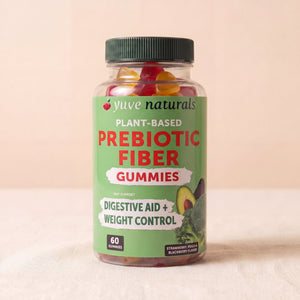
- Support Your Microbiome: The beneficial bacteria in your gut thrive on specific types of fiber called prebiotics. A daily supplement like Yuve's Prebiotic Gummies can be a game-changer, feeding these good microbes to help improve stool consistency and overall gut function. Many people report noticeable improvements within 30 days.
- Get Moving: Regular physical activity, like a brisk 30-minute walk, stimulates the natural contractions of your intestinal muscles, helping to move waste along.
- Establish a Routine: Try to use the bathroom around the same time each day, like in the morning after breakfast. This can help train your body to have a more regular cycle.
2. Minimal Bloating and Gas
Feeling like your stomach inflates like a balloon after meals can be frustrating and uncomfortable. While some gas is a normal and even healthy part of digestion (it's a sign your good gut bacteria are busy fermenting fiber), constant, excessive bloating is not. One of the clearest signs of good gut health is experiencing minimal gas and bloating, indicating that your digestive system and microbiome are working in harmony to process food efficiently.
When your gut is balanced, it breaks down food-especially high-fiber plant foods like beans and broccoli-without producing an uncomfortable amount of gas. This means you can enjoy a varied, nutrient-dense diet without constantly worrying about painful pressure or abdominal distension. For vegans and vegetarians in particular, who naturally consume more fiber, a well-supported gut is key to comfortably digesting a plant-rich diet. This comfortable digestion is a direct reflection of a healthy gut environment where beneficial microbes are thriving.

Excessive gas often points to dysbiosis, an imbalance where less favorable bacteria may be dominating your gut and producing more gas as a byproduct. Yikes! It could also signal a food sensitivity or that your digestive system needs a little extra support. By addressing the root cause, you can significantly reduce discomfort and get back to feeling light and energized after eating.
How to Reduce Bloating and Gas
If you feel like your stomach is constantly in a battle with your food, there are simple, effective strategies to promote a calmer, more comfortable gut.
- Introduce Fiber Slowly: If you're new to a high-fiber diet, increase your intake of beans, legumes, and whole grains gradually over 2-4 weeks to give your microbiome time to adapt.
- Chew Thoroughly: Digestion begins in the mouth. Aiming for 20-30 chews per bite breaks down food mechanically, reducing the workload for your gut.
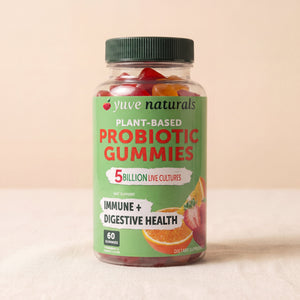
- Balance Your Bacteria: A high-quality probiotic supplement is a powerful tool for restoring microbial balance. Yuve's Probiotic Gummies introduce beneficial bacteria that help ferment food more efficiently, reducing excess gas production. Many users report more comfortable digestion of foods like legumes within weeks.
- Eat Mindfully: Rushing through meals can cause you to swallow air, which leads to bloating. Slow down, savor your food, and pay attention to your body’s fullness cues.
- Identify Trigger Foods: Common culprits include sugar alcohols (found in many "sugar-free" products), carbonated drinks, and for some, dairy or gluten. An elimination diet under professional guidance can help pinpoint your specific triggers.
3. Stable Energy Levels Throughout the Day
If you're constantly fighting off that dreaded mid-afternoon slump or relying on caffeine to power through your day, your gut might be sending you a signal. One of the most telling signs of good gut health is experiencing consistent, stable energy from morning to night. This steady vitality comes from a digestive system that's efficiently absorbing nutrients and maintaining balanced blood sugar levels, thanks in large part to a happy gut microbiome.
A healthy gut acts like a highly efficient power plant for your body. The beneficial bacteria living in your intestines are responsible for synthesizing crucial B vitamins, which are essential for converting the food you eat into usable energy. When your microbiome is in balance, it also helps regulate your body’s response to sugar, preventing the dramatic energy spikes and crashes that leave you feeling drained. A 2020 review in the journal Nutrients confirmed that this deep connection, known as the gut-brain axis, directly influences your mental clarity and ability to focus.

Conversely, an unhealthy gut can lead to nutrient malabsorption, chronic inflammation, and an imbalance of bacteria (dysbiosis). This combination creates a perfect storm for fatigue and brain fog, making it difficult to maintain focus and productivity throughout your day.
How to Maintain Stable Energy
Ready to say goodbye to energy fluctuations? Supporting your gut is the key to unlocking sustained vitality. Here are a few practical steps you can take.
- Balance Your Meals: Combine complex carbohydrates (like oats or quinoa) with a source of protein and healthy fat at each meal. This helps slow down the absorption of sugar and provides a steady release of energy.
- Support B Vitamin Production: The good bacteria in your gut are vitamin-making powerhouses. A daily supplement like Yuve's Probiotic Gummies can introduce beneficial strains that enhance this natural synthesis, helping to boost your energy levels from the inside out. Many users report a noticeable improvement in their vitality within 3-4 weeks.
- Limit Refined Sugars: Processed foods and sugary drinks cause rapid spikes and crashes in blood sugar, which your gut and energy levels despise. Opt for whole foods instead.
- Stay Hydrated: Even mild dehydration can manifest as fatigue. Keep a water bottle handy and sip throughout the day to keep your energy up.
- Prioritize Sleep: Aim for 7-9 hours of quality sleep per night. This is when your gut microbiome recovers and resets, preparing you for a new day.
4. Absence of Food Sensitivities and Intolerances
Being able to enjoy a wide variety of foods without experiencing bloating, gas, or discomfort is a powerful indicator of a robust digestive system. This is one of the most freeing signs of good gut health. It points to a strong intestinal barrier, often called the "gut lining," which acts as a smart gatekeeper between your digestive tract and your bloodstream.
A healthy gut lining has "tight junctions" that carefully control what passes through. When this barrier is compromised-a condition often referred to as 'leaky gut'-undigested food particles can slip into the bloodstream, triggering an immune response. This is how food sensitivities often develop, as your body starts to see certain foods as threats. Being able to digest diverse foods like legumes, whole grains, and fibrous vegetables without a reaction shows your gut barrier is strong and your microbiome is well-equipped for the job.
For vegans and vegetarians especially, tolerating plant-based proteins like beans and lentils is crucial for a balanced diet. If these foods cause trouble, it’s a signal that your gut needs support to strengthen its lining and diversify its beneficial bacteria.
How to Improve Food Tolerance
If certain foods consistently cause you trouble, it doesn't have to be a life sentence. You can take proactive steps to heal your gut lining and reduce sensitivities.
- Heal the Gut Lining: Your intestinal cells need specific nutrients to repair themselves. L-glutamine is a key amino acid for this process. Consuming bone broth or plant-based collagen builders can also provide the building blocks needed to strengthen the gut wall.
- Reduce Inflammation: Cut back on foods that can increase intestinal permeability, like processed items, excess sugar, and certain industrial seed oils. This gives your gut a chance to calm down and heal.
- Support Your Microbiome: A diverse and balanced microbiome is essential for a strong gut barrier. Yuve's Probiotic Gummies are a great way to introduce beneficial bacteria that help restore harmony and improve digestive function. They are also gluten-free, making them a safe choice for those with gluten sensitivities.
- Manage Stress: Chronic stress is known to weaken the gut's tight junctions. Incorporating stress-management techniques like meditation, deep breathing, or yoga can have a direct, positive impact on your gut health.
- Consider an Elimination Diet: If you suspect specific culprits, you can try temporarily removing common trigger foods (like gluten, dairy, or soy) for 4-6 weeks and then reintroducing them one by one to pinpoint sensitivities.
5. Clear Skin and Reduced Inflammation
Your skin is often a mirror reflecting what’s happening inside your gut. This connection, known as the gut-skin axis, means that a happy, balanced gut often leads to a clear, radiant complexion. Healthy gut bacteria produce beneficial compounds like short-chain fatty acids that help lower systemic inflammation and strengthen your skin barrier, which is a key reason why clear skin is one of the most visible signs of good gut health.
When your gut microbiome is out of balance (a state called dysbiosis), it can lead to increased intestinal permeability, or "leaky gut." This allows inflammatory substances to enter your bloodstream, triggering skin issues like acne, eczema, rosacea, and psoriasis. A clear complexion, on the other hand, indicates that your body is effectively absorbing nutrients and keeping inflammation in check-a true inside-out glow.

A clear complexion is often a reflection of inner well-being. To further understand the connection between what you eat and your skin, explore how food and diet can trigger acne breakouts and inflammation. This link shows just how powerful your diet is in managing skin health from within.
How to Support Clear Skin from the Gut
If you're struggling with inflammatory skin conditions, focusing on your gut health can be a game-changer. Here are actionable steps to support that healthy glow.
- Boost Your Probiotics: Introduce beneficial bacteria that help reduce inflammation and produce skin-supporting compounds. A daily supplement like Yuve's Probiotic Gummies can help restore microbial balance and strengthen the gut-skin axis.
- Increase Omega-3 Intake: These healthy fats are powerful anti-inflammatories. Incorporate sources like flaxseeds, chia seeds, and walnuts into your daily meals.
- Eat Prebiotic-Rich Foods: Feed your good gut bacteria with fiber from foods like garlic, onions, asparagus, and bananas. This helps them produce more of those beneficial short-chain fatty acids.
- Stay Hydrated: Water is essential for flushing out toxins and maintaining skin elasticity. Aim for at least 8-10 glasses of water per day.
- Reduce Trigger Foods: Minimize your intake of sugar, dairy, and processed foods, as these can feed pathogenic bacteria and drive inflammation. Be patient-it often takes 8-12 weeks to see visible improvements in your skin.
6. Strong Immune Function with Fewer Infections
Did you know that your gut is the command center for your immune system? It might sound surprising, but an estimated 70-80% of your immune cells reside in your gut. This makes the health of your digestive tract one of the most powerful predictors of your body's ability to fight off illness. A key sign of good gut health is a robust immune system that keeps you from catching every bug that goes around.
When your gut microbiome is balanced and thriving, it acts as a personal trainer for your immune cells. It teaches them to distinguish between friendly visitors (like beneficial bacteria) and harmful invaders (like viruses and pathogens). A healthy gut lining also forms a strong physical barrier, preventing toxins from entering your bloodstream. This well-regulated system means fewer colds, faster recovery times, and an overall feeling of resilience, especially during flu season.
This connection is why so many parents notice a decrease in their children's sick days from school after focusing on gut health. When the gut is supported, the immune system can do its job more effectively, leading to fewer infections and a reduced need for antibiotics, which can further disrupt the delicate microbial balance.
How to Bolster Your Immune System
If you feel like you're constantly under the weather, focusing on your gut is a proactive and powerful strategy. Here are a few simple ways to reinforce your body’s natural defenses.
- Introduce Probiotics: A daily probiotic supplement introduces beneficial bacteria that directly support immune function. Yuve's Vegan Probiotic Gummies contain a potent blend of strains designed to strengthen your gut barrier and enhance your immune response. Many families report fewer sick days and stronger immunity after making it a daily habit.
- Feed Your Allies with Prebiotics: Good bacteria need fuel. Eat prebiotic-rich foods like garlic, onions, and bananas, or take a prebiotic supplement to nourish the microbes that keep your immune system strong.
- Eat the Rainbow: Consume a variety of colorful fruits and vegetables rich in antioxidants and vitamin C, such as citrus fruits, berries, and bell peppers, to support immune cell function.
- Prioritize Sleep: Aim for 7-9 hours of quality sleep per night. Sleep is when your body repairs itself and produces crucial immune proteins called cytokines.
- Manage Stress: Chronic stress can suppress your immune system. Incorporate activities like meditation, yoga, or daily walks to keep stress levels in check.
7. Healthy Weight Maintenance Without Restrictive Dieting
Struggling with weight that won’t budge no matter how little you eat can be incredibly frustrating. But what if the key wasn’t about endless calorie counting, but about the health of your gut? A balanced microbiome can be your greatest ally in managing weight sustainably, making it one of the most empowering signs of good gut health. When your gut is thriving, it helps regulate everything from your appetite to your metabolism, allowing you to maintain a healthy weight without extreme restriction.
A diverse and flourishing gut microbiome helps your body communicate effectively. Beneficial bacteria produce compounds that trigger satiety hormones like peptide YY (PYY) and glucagon-like peptide-1 (GLP-1), which tell your brain you’re full. They also help manage hunger signals, reduce cravings for sugary or processed foods, and improve how your body uses and stores energy. This means a healthy gut supports a stable weight naturally, driven by internal balance rather than external rules.
When your microbiome is in harmony, it reduces the low-grade inflammation often linked to obesity and metabolic issues. A balanced gut helps your body become more efficient at nutrient absorption and fat metabolism. This internal support system makes it easier to listen to your body’s true hunger and fullness cues, breaking the cycle of restrictive dieting and rebound weight gain.
How to Support Your Gut for Healthy Weight
If you feel like your metabolism is sluggish or cravings are controlling you, focusing on your gut health can make a significant difference. Here are some actionable steps to rebalance your system.
- Boost Your Probiotic Intake: A well-formulated probiotic supplement can help optimize the production of those crucial satiety hormones. Yuve's Probiotic Gummies are designed with specific strains that support a balanced microbiome, helping to curb cravings and support your metabolism.
- Prioritize Prebiotic Fiber: Feed your good bacteria with prebiotic-rich foods like oats, bananas, and asparagus at every meal. This helps them thrive, enhancing feelings of fullness.
- Embrace Plant-Based Protein: Sources like legumes, tofu, tempeh, and nuts are not only packed with protein but also fiber, supporting both muscle mass and gut health.
- Practice Mindful Eating: Slow down, chew your food thoroughly, and pay attention to your body’s signals. This simple practice improves digestion and helps you recognize when you’re truly full.
- Manage Stress: Chronic stress can disrupt your gut microbiome and trigger weight gain. Incorporate activities like walking, yoga, or meditation into your routine to keep stress levels in check.
8. Mental Clarity, Mood Stability, and Reduced Anxiety
It might surprise you, but your gut and brain are in constant communication through what's known as the gut-brain axis. This powerful connection means that a happy gut often leads to a happier mind. Feeling mentally sharp, emotionally resilient, and generally calm are powerful signs of good gut health that go far beyond just digestion.
Your gut is a neurotransmitter factory, producing about 90% of your body's serotonin, the "feel-good" chemical. When your microbiome is balanced, it supports the steady production of serotonin, GABA, and dopamine, which are crucial for mood stability, focus, and managing stress. This explains why a healthy gut can lead to less brain fog and a more positive outlook, helping you navigate daily challenges with greater ease.
When the gut microbiome is out of balance (dysbiosis), this communication can be disrupted, contributing to mood swings, anxiety, and difficulty concentrating. By nurturing your gut, you are directly supporting your mental and emotional well-being, paving the way for improved clarity and resilience.
How to Support Your Mental Well-being
If you’re dealing with brain fog or mood fluctuations, focusing on your gut health can provide significant relief. Here are some actionable steps to support your gut-brain connection:
- Targeted Probiotics: Specific probiotic strains have been shown to support mental health. Yuve's Probiotic Gummies, which include beneficial strains like L. helveticus and B. longum, are formulated to nourish the gut-brain axis and promote a more stable mood.
- Eat for Your Brain: Incorporate tryptophan-rich plant foods like pumpkin seeds, almonds, and even dark chocolate into your diet. Tryptophan is a precursor to serotonin.
- Move Your Body: Aim for at least 30 minutes of daily exercise. Physical activity helps boost the production of mood-enhancing neurotransmitters.
- Manage Stress: Dedicate 10-15 minutes daily to stress-reduction practices like meditation, deep breathing, or journaling. Chronic stress can negatively impact your gut bacteria.
- Prioritize Sleep: A consistent sleep schedule is vital for both microbiota health and mood regulation. Aim for 7-9 hours of quality sleep per night.
- Explore Further Support: To further support mental well-being and achieve reduced anxiety, exploring targeted lifestyle and diet changes for anxiety management can be highly effective.
Comparison of 8 Signs of Good Gut Health
| Indicator | 🔄 Implementation complexity | ⚡ Resource requirements | ⭐ Expected outcomes | 📊 Ideal use cases | 💡 Key advantages & tips |
|---|---|---|---|---|---|
| Regular and Consistent Bowel Movements | Medium - diet, hydration, routine required | Moderate - fiber, water, exercise, ±pre/probiotics | ⭐⭐⭐⭐ - predictable elimination; less constipation/inflammation | General adults; vegans increasing fiber; constipation risk | 💡 Easy to track; increase fiber gradually, hydrate, establish morning routine |
| Minimal Bloating and Gas | Medium - identify triggers; gradual diet changes | Moderate - elimination trials, probiotics, digestive enzymes | ⭐⭐⭐⭐ - reduced post-meal gas and abdominal distension | High-fiber eaters, new vegans, people with post-meal bloating | 💡 Introduce fiber slowly, chew thoroughly, avoid carbonated drinks & sugar alcohols |
| Stable Energy Levels Throughout the Day | Medium-High - diet, sleep, microbiome support | Moderate - balanced meals, probiotics, consistent sleep | ⭐⭐⭐⭐ - sustained energy, fewer mid-day crashes | Professionals, students, active individuals seeking steady energy | 💡 Pair carbs+protein, keep meal timing consistent, take probiotics daily |
| Absence of Food Sensitivities and Intolerances | High - elimination diets and gut-healing protocols | High - testing, long-term supplements, strict dietary control | ⭐⭐⭐ - improved tolerance over months; reduced immune reactions | Those with suspected sensitivities or "leaky gut" concerns | 💡 Follow elimination reintroduction, support barrier (L-glutamine), use quality probiotics |
| Clear Skin and Reduced Inflammation | Medium-High - sustained dietary and lifestyle changes | Moderate - pre/probiotics, omega-3s, hydration, sleep hygiene | ⭐⭐⭐ - reduced inflammation; clearer skin in 6–12 weeks | People with acne/eczema, inflammation-related skin issues | 💡 Increase prebiotic fiber and omega-3s; expect 6–12 weeks for visible change |
| Strong Immune Function with Fewer Infections | Medium - consistent supplementation and lifestyle habits | Moderate - probiotics (10+B CFU target), diet, sleep, vitamin C | ⭐⭐⭐⭐ - fewer infections, faster recoveries over months | Parents, elderly, frequent travelers, those wanting fewer sick days | 💡 Daily probiotics + fermented foods, prioritize sleep and stress management |
| Healthy Weight Maintenance Without Restrictive Dieting | Medium - sustained lifestyle adjustments, patience | Moderate - pre/probiotics, plant protein, regular exercise | ⭐⭐⭐ - gradual, sustainable weight regulation and satiety improvements | People seeking non-restrictive weight control, health-focused consumers | 💡 Use prebiotic fiber, plant proteins, mindful eating; expect 8–12 weeks |
| Mental Clarity, Mood Stability, and Reduced Anxiety | Medium-High - targeted strains plus lifestyle changes | Moderate - specific probiotic strains, prebiotics, sleep, stress work | ⭐⭐⭐⭐ - improved focus and mood; reduced brain fog within 4–8 weeks | Those with brain fog, mood variability, high-stress professionals | 💡 Choose mood-supporting strains (e.g., L. helveticus, B. longum), exercise, limit caffeine |
Your Next Steps Toward a Happier Gut
We've walked through the key indicators of a thriving digestive system, from regular, comfortable bowel movements to stable energy levels and a sharp mind. Recognizing these signs of good gut health isn't about checking off a perfect scorecard. Instead, it’s about understanding your body's unique language and learning how to respond with kindness and targeted support. Think of your gut as an internal ecosystem-a delicate garden that needs the right nutrients to flourish.
The journey toward a happier gut is built on small, consistent actions, not drastic overhauls. Maybe your next step is adding one more high-fiber food to your plate each day, like lentils or raspberries. Perhaps it's committing to a 10-minute walk after dinner to aid digestion, or simply prioritizing an extra hour of sleep to let your system repair and reset. Remember, every positive choice, no matter how minor it seems, contributes to a healthier gut microbiome.
Key Takeaways for Your Gut Health Journey
Let's distill it down to the essentials. Your main goal is to create an environment where beneficial bacteria can thrive.
- Nourish Intentionally: Focus on a diverse, plant-rich diet full of fiber, prebiotics (like garlic and bananas), and fermented foods.
- Listen to Your Body: Pay attention to how you feel after meals. Less bloating, stable energy, and clear skin are all positive feedback from your gut.
- Move and Rest: Gentle, consistent movement aids motility, while quality sleep is non-negotiable for gut lining repair.
- Support Strategically: Even with a great diet, our modern lives can throw our gut balance off. This is where targeted support becomes a game-changer.
As Yuve founder Sam discovered on his own health journey, rebuilding gut health transformed not just his digestion but his entire well-being. He realized that a clean, plant-based diet was the foundation, but adding a high-quality probiotic was the key that unlocked consistent results. It filled the gaps and provided the specific bacterial strains needed to rebalance his microbiome more efficiently.
This isn't just an extra step; it's a powerful way to accelerate your progress. A premium supplement like Yuve Vegan Probiotic Gummies with Prebiotics simplifies the process, delivering a potent dose of beneficial bacteria to directly support your gut lining, improve nutrient absorption, and help you experience more of those positive signs of good gut health we've discussed.
Ready to give your gut the foundational support it deserves? Explore our plant-based, non-GMO supplements at Yuve and discover how our targeted formulas can help you feel your best from the inside out. Take the first proactive step toward a healthier, happier you today by visiting Yuve.