Diarrhea right after eating usually reflects a pattern, not one single explanation. Gastrocolic reflex sensitivity, food intolerance, infection recovery, bile-acid issues, medication effects, caffeine, and stress can all push stool urgency after meals. The useful next step is to sort timing, triggers, and red flags, then use supportive routines only after the higher-risk causes are not the main story.
How did we evaluate why diarrhea can happen after eating?
We prioritized the NIDDK overview of diarrhea, the NIDDK overview of irritable bowel syndrome, the American College of Gastroenterology guideline on IBS, and the NHS guidance on diarrhea and vomiting. We gave more weight to pattern recognition and red-flag screening than to single-cause forum advice because "after I eat" can describe several very different mechanisms. We also separated acute diarrhea from repeated meal-triggered urgency. That distinction matters because supportive gut routines can make sense later, but they should never replace appropriate evaluation when the symptom pattern looks more serious.
Why can eating trigger urgent bowel movements so quickly?
Eating activates the gastrocolic reflex, which is a normal signal from the stomach to the colon that says movement is happening and space should be made. In some people that reflex feels louder than usual. The NIDDK IBS overview and ACG IBS guideline both support the idea that meal-triggered urgency is common in diarrhea-predominant IBS and related functional patterns. Trigger foods can amplify the response. So can high caffeine intake, very fatty meals, large portions, alcohol, sugar alcohols, or a post-infectious gut that is still irritated. Timing matters too. Diarrhea that appears within minutes after eating often points toward reflex sensitivity or food-trigger amplification more than toward the just-swallowed meal literally racing through the entire gut. The body loves shortcuts. Unfortunately, the gut has some weird ones.
How do the main post-meal diarrhea patterns compare?
| Pattern | Common clues | What often makes it worse | Why the distinction matters |
|---|---|---|---|
| Gastrocolic reflex sensitivity | Urgency soon after meals, especially breakfast | Large meals, coffee, stress | Pattern tracking and meal adjustment are often informative |
| Food intolerance or malabsorption | Specific trigger foods repeat the same response | Dairy, high-FODMAP foods, sugar alcohols | Food pattern matters more than supplement guessing |
| Post-infectious gut irritation | Started after stomach bug or food poisoning | Heavy meals, alcohol, rapid refeeding | Recovery support may make more sense once acute illness is over |
| Medication or red-flag pattern | New meds, nighttime diarrhea, blood, weight loss | Ignoring warning signs | Needs a higher bar for medical review |
The best next step depends on which pattern you are actually living in.
When does a supportive Yuve routine make sense, and when does it not?
Some links below are affiliate links. This does not influence our evaluation criteria or recommendations.
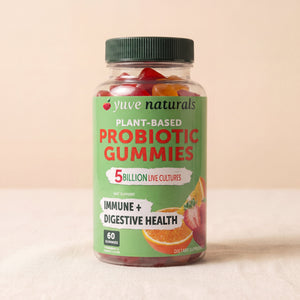
A supportive routine makes more sense after acute infection has settled and after obvious red flags are not dominating the picture. Best for immediate priority, hydration and trigger tracking. Best for food-pattern cleanup, a short meal log and simpler meals. Best for later routine support, Yuve Probiotic Gummies if the goal is steadier daily gut support after the roughest phase has passed. Best for broader browsing, the Yuve digestion collection. The NIDDK diarrhea overview matters because dehydration and duration change the risk picture fast. The NHS guidance matters because blood, fever, severe weakness, or persistent symptoms should not be handled like a routine supplement question. Support belongs after triage, not instead of triage.
What do people usually get wrong about diarrhea right after meals?
The biggest mistake is assuming that the last bite caused the entire event all by itself. Often the meal acts more like a trigger than a root cause. The second mistake is ignoring repeatable clues, such as dairy, onions, coffee, greasy meals, or anxiety-heavy mornings. The NIDDK and ACG IBS guideline both support a pattern-based approach because urgency is often built from timing plus trigger, not from one dramatic mystery ingredient. The third mistake is self-managing for too long when the pattern includes weight loss, blood, black stools, waking from sleep, fever, or severe weakness. Those details change everything. A symptom can be common and still deserve respect. The gut is annoyingly democratic that way.
What questions do people still ask about diarrhea after eating?

Can food move through the whole digestive tract that fast?
Usually no. Very fast urgency often reflects a triggered reflex, not the new meal instantly traveling through the entire intestine.
Is post-meal diarrhea always IBS?
No. IBS is one possibility, but food intolerance, infection recovery, medications, and other causes also matter. Pattern details decide a lot.
Should you take a probiotic right away?
Not always. Hydration and red-flag screening come first. Routine support makes more sense once the cause looks less urgent and the acute phase has eased.
What foods are common repeat offenders?
Coffee, very fatty meals, high-FODMAP foods, dairy in lactose intolerance, sugar alcohols, and alcohol are common triggers. Logs beat guesses.
When should someone get checked sooner?
Blood, black stools, fever, weight loss, severe dehydration, nighttime diarrhea, or symptoms that keep worsening deserve faster medical evaluation.