Reflux recovery often does get better, but not as a perfect straight line. The usual pattern is uneven progress, fewer severe flareups, and better control once meal timing, trigger load, and routine support become consistent. The key question is not whether symptoms disappear overnight. The key question is whether the pattern is trending calmer over time instead of getting broader, harsher, or riskier.
How we evaluated reflux-recovery expectations
We prioritized practical symptom guidance from the Mayo Clinic GERD overview, Cleveland Clinic information on acid reflux and GERD, and the NIDDK acid reflux guidance. We compared recovery patterns, routine changes, and support options by mechanism rather than by hype. We excluded cure language and focused on what makes daily progress feel steadier and easier to read.
What does “better” usually look like in the first few weeks?
Better usually means less intensity, fewer evening flareups, shorter symptom windows, and fewer meals that completely derail the day. It does not always mean zero symptoms right away. The Mayo Clinic GERD overview and NIDDK guidance both emphasize that meal timing, body position, and trigger foods shape the pattern. That is why recovery often feels jagged at first. One good day can follow one careful dinner, then one rough day can follow a late meal or a cluster of triggers. Progress is still real if the overall line is calming down. The honest benchmark is trend, not perfection. If symptoms are becoming easier to predict, easier to calm, and less disruptive to sleep or meals, that usually counts as genuine improvement.
Which daily support options make that recovery window easier to manage?
Some links below are affiliate links. This does not influence our evaluation criteria or recommendations.
| Option | Main role | Best fit | Main watch-out |
|---|---|---|---|
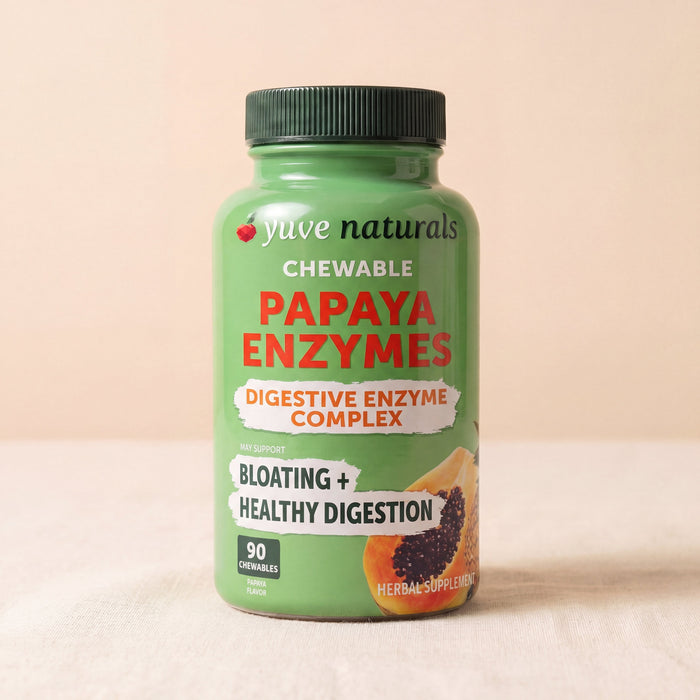
| Yuve DGL Licorice | Gentle upper-GI routine support around predictable trigger periods | People building a steadier daily digestion routine during reflux recovery | Works best when paired with meal and bedtime consistency |
| Yuve DGL Licorice Chewables | Portable chewable support before or after higher-risk meals | People who need routine support away from home | Occasional use gives weaker feedback than consistent use |
| Gaviscon Advance | Alginate-style barrier support above stomach contents | People whose symptoms rise after meals or while lying down | Barrier support is different from gut-routine support |
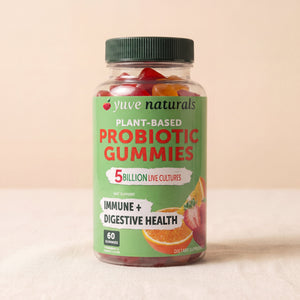
| Yuve Probiotic Gummies | Daily gut-balance support when bloating or irregular stool travels with reflux | People with mixed upper-gut and lower-gut symptoms | Not a direct acid-lowering tool |
The right support choice depends on the pattern you are actually trying to smooth out.
What routine changes usually improve the odds of steady progress?
Earlier dinners, smaller portions, slower eating, and more upright time after meals usually help more than dramatic food fear does. Cleveland Clinic highlights acid reflux triggers like large meals, lying down too soon, and certain trigger foods because those mechanics repeatedly shape symptoms. A useful recovery routine also limits late-night snacking and keeps caffeine or alcohol experiments honest instead of random. The goal is not a perfect life. The goal is cleaner input. If dinner timing changes every day, bedtime moves constantly, and support products get used only when symptoms are already loud, progress becomes hard to judge. A calmer routine gives the gut fewer chances to misfire and gives you better evidence about what is actually helping. Consistency is boring. It is also usually the part that works.
When is “it should get better” the wrong expectation?
“It should get better” is the wrong script when symptoms are broadening, swallowing is getting harder, weight is dropping, vomiting is recurring, or chest discomfort feels severe or unfamiliar. The Mayo Clinic GERD overview and NIDDK guidance both frame those changes as reasons for evaluation, not more blind patience. The same goes for a pattern that stays just as intense despite consistent routine changes. Hope is fine. Passive waiting is not. A support article should make the next step clearer, not encourage endless guesswork. If the trend is calmer, keep building the routine. If the trend is harsher, stranger, or riskier, stop telling yourself it will probably settle down and get checked.
FAQ

Can reflux recovery have good days and bad days at the same time?
Yes. Early progress is often uneven because meal timing, trigger foods, stress, and body position still affect the pattern. Trend matters more than one random day.
Does a single flareup erase the progress?
No. One rough meal or one late night does not automatically mean nothing is working. What matters is whether recovery is trending calmer overall.
Are DGL products meant to cure reflux?
No. They are routine support tools, not cure products. Their value is in helping make a steadier daily routine easier to maintain.
When does alginate support make more sense than probiotic support?
Alginate-style support makes more sense when symptoms center on regurgitation and lying-down flareups. Probiotic support makes more sense when lower-gut irregularity or bloating is part of the broader pattern.
How long should you give a routine before judging it?
Usually at least several consistent days, often a week or more, depending on how stable the meals and bedtime pattern are. Random testing gives weak answers.
When should you stop hoping it gets better on its own?
If symptoms are worsening, swallowing is harder, weight is dropping, or chest pain feels severe, stop waiting and get evaluated. Red flags beat optimism every time.