A vegetarian DHA supplement is an algae-based oil that supplies preformed DHA, the same long-chain omega-3 found in fish, usually at 100–300 mg per serving. The DHA milligrams on the label, not the total oil weight or a “plant-based” claim, determine what a capsule delivers.
If you're comparing bottles, the labels can feel needlessly confusing: one may feature a large oil number on the front while listing much less DHA in the Supplement Facts panel. The practical question is simple: how many milligrams of DHA will you get each day? Below, we'll compare algae and fish oil, make sense of dose benchmarks, and look at the checks that help you choose with confidence.
Vegetarian DHA and Fish Oil Side by Side
Choosing between algae oil and fish oil starts with two label details: how much DHA a serving provides and whether it also contains EPA. Both sources can supply preformed omega-3s, but the amounts and source differ by product.
Algal DHA versus fish oil at a glance
| Factor | Vegetarian DHA (algal oil) | Fish oil |
|---|---|---|
| Source organism | Marine microalgae that produce DHA | Fatty fish such as salmon, sardines and anchovies |
| DHA per serving | Usually 100–300 mg | Varies widely by brand; read the label |
| EPA alongside DHA | Often little or none; check the label | Usually present |
| Suitable for vegans and vegetarians | Yes | No |
| Form of omega-3 | Preformed DHA the body can use directly | Preformed DHA and EPA |
| Sustainability note | Grown in controlled systems without fishing | Depends on fishery sourcing and bycatch |
Use the table as a label-reading guide. Algal oil provides a fish-free source, but check the stated DHA amount and whether EPA is included. Fish oil often contains both, though their amounts vary by formula. A larger total oil weight does not automatically mean more DHA.
The phrase “plant-based omega-3” can also be confusing. It may refer to ALA from flaxseed, chia or walnuts, rather than preformed DHA. If DHA is your goal, look for DHA by name and compare its milligrams per serving.
For a broader look at omega-3 products, explore omega-3 supplementation. For a direct product comparison, rely on the label rather than the category name.
Shopping rule: Compare the milligrams of DHA and EPA per daily serving, not the capsule's total oil weight.
Why Plant Omega-3s Alone Fall Short
Think of ALA from flaxseed, chia, walnuts or canola as raw flour, and DHA as finished bread. Your body can convert some ALA into DHA, but it has to do the baking, and that conversion is limited.
The NIH Office of Dietary Supplements omega-3 fact sheet explains that vegetarians generally consume little or no preformed DHA and EPA because these fats are concentrated in fish and seafood, while plant foods mainly provide ALA. Across studies, conversion of ALA to DHA ranges from no detectable conversion to approximately 9%. Eating more walnuts can support ALA intake, but it doesn't reliably supply a predictable amount of DHA.

The same fact sheet describes a systematic review of vegetarian dietary patterns in which every included study reported significant increases in DHA concentrations after algal supplementation. Researchers measured DHA in different places, including plasma, serum, platelets and red blood cells. In earlier intervention research, seven of ten studies found no detectable DHA conversion from ALA in nut and seed oils, while microalgal oil significantly raised blood DHA in the studies that tested it.
That doesn't mean ALA-rich foods have no value. Flaxseed, chia and walnuts can be part of a nourishing diet, but they're not a dependable substitute for a product that supplies DHA directly.
For more ideas about foods that contribute plant omega-3s, see the best vegan sources of omega-3 fatty acids. The takeaway when you shop is to ask whether a product contains preformed DHA, not just whether the front says “plant-based.”
How to Read a Vegetarian DHA Label
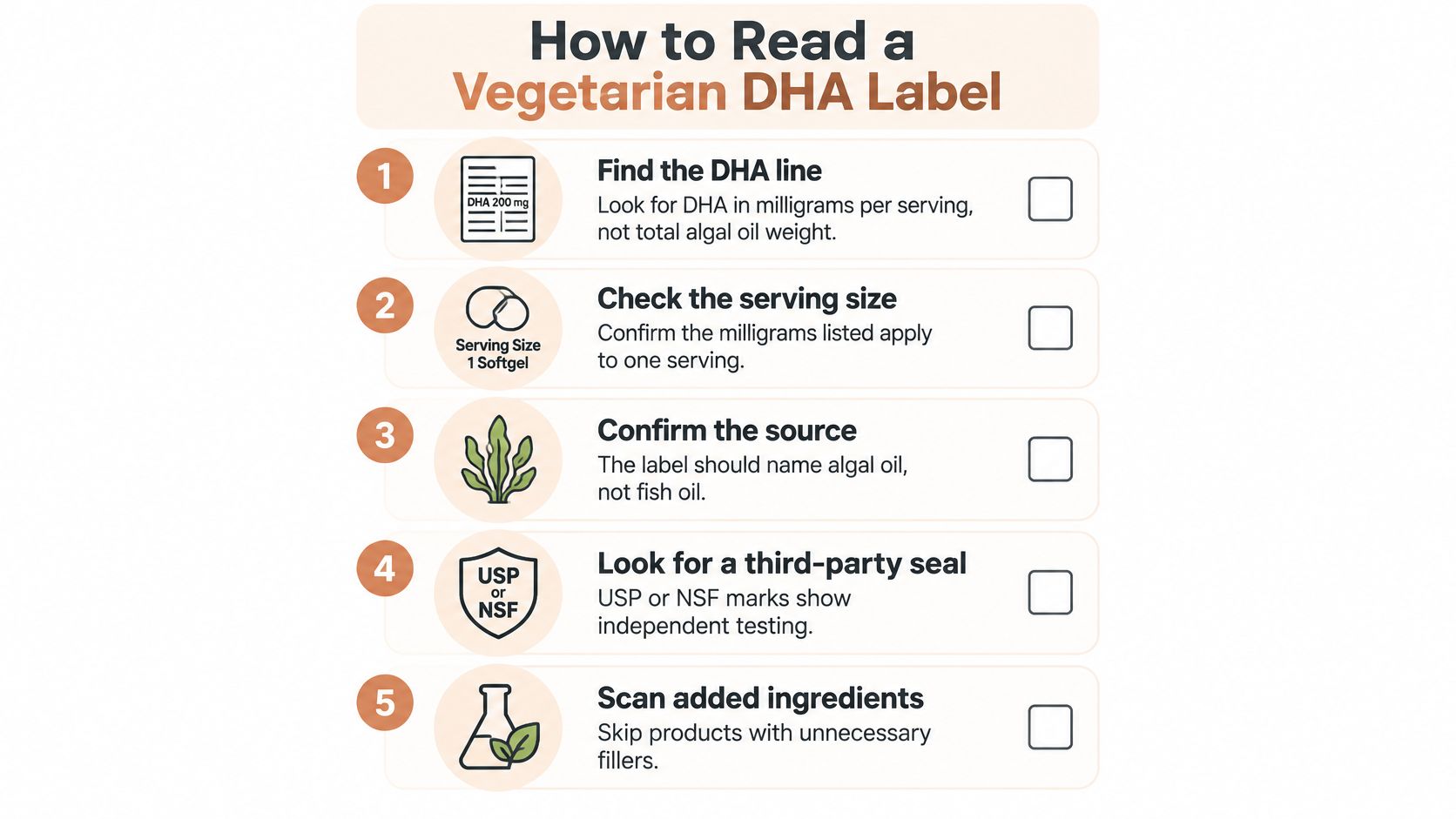
A label check takes less than a minute once you know which lines matter. Follow these steps in order.
- Find DHA in milligrams. Look for the DHA amount per serving, not the total algal oil weight. A capsule listing 600 mg of algal oil may deliver substantially less than 600 mg of DHA, as the NIH Office of Dietary Supplements fact sheet explains.
- Confirm the serving size. Check whether the listed amount applies to one capsule or a serving made up of multiple capsules. Otherwise, you may mistake the DHA in a full serving for the amount in each capsule.
- Check for EPA. Some vegetarian formulas include EPA, but many contain little or none. If you want both fatty acids, make sure the Supplement Facts panel names and quantifies each one.
- Look at the omega-3 form. Some algal formulations use triglyceride-form omega-3s. The form is useful information, but it doesn't replace the need to check the DHA amount.
- Confirm the source. Look for marine microalgae rather than a vague description such as “marine oil.” That makes it easier to tell whether the product fits your dietary preferences.
- Read the Supplement Facts panel. Front-of-pack phrases such as “vegan” and “plant-based” describe broad product features, not the DHA dose.
- Scan other label details. Check allergen statements and certifications that matter to you, such as gluten-free or non-GMO. Also look for quality information the label may summarize, including freshness or testing details.
A quick label comparison
Product A lists 1,000 mg of algal oil and 150 mg of DHA per capsule, taken once a day. That provides 150 mg DHA daily. Product B lists 500 mg of algal oil and 200 mg of DHA per capsule, taken twice a day. That provides 400 mg DHA daily. Product A has the larger oil number, but Product B delivers more DHA.
For another practical guide to Supplement Facts panels, see how to read supplement labels. Once you've confirmed the dose, remember that the label alone can't tell you everything about freshness or testing; those checks matter too.
How Much DHA You Need Each Day
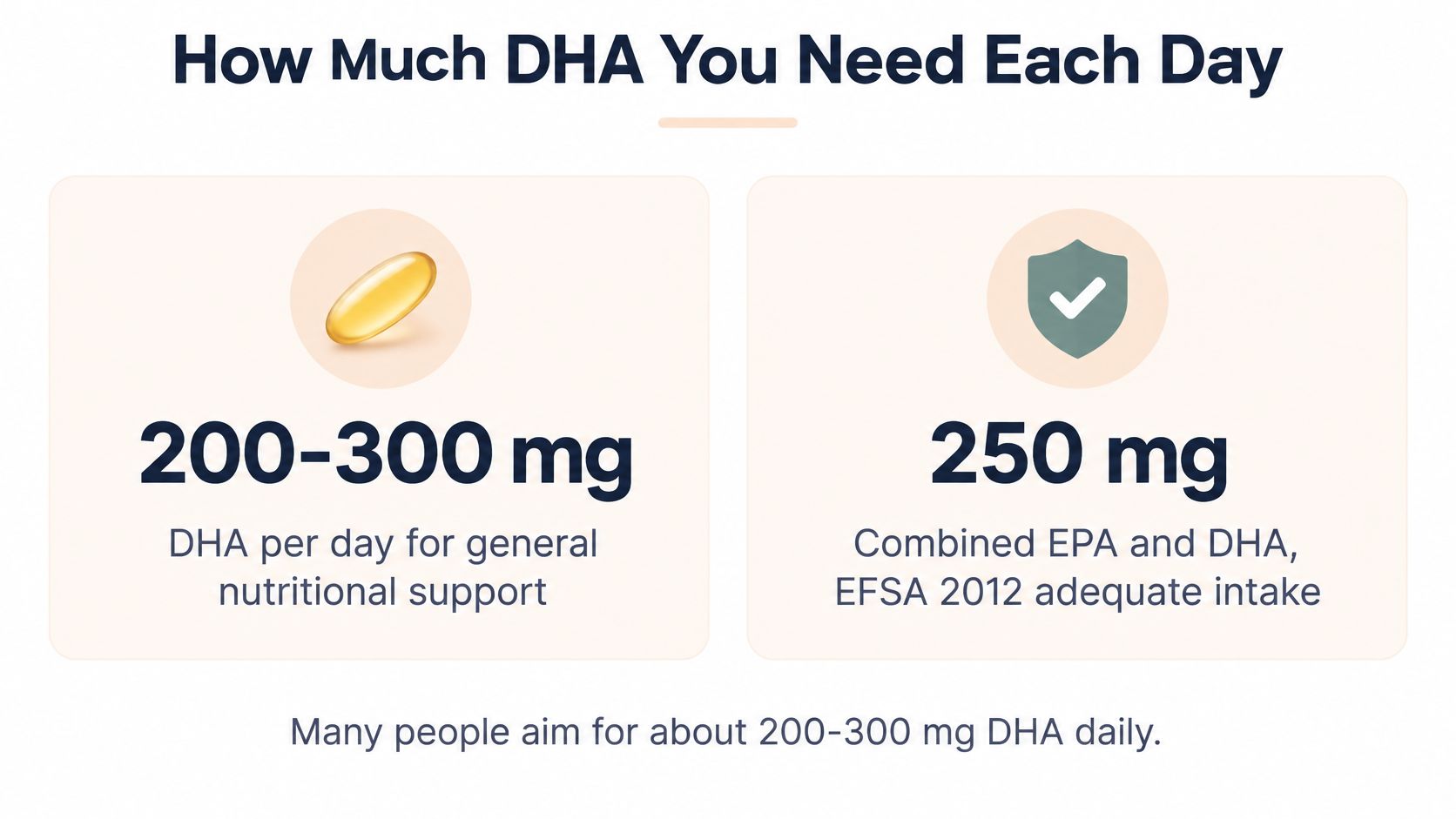
For general nutritional support, many people use about 200–300 mg of DHA a day as a practical benchmark. It helps to compare that with regulatory reference points, while remembering that the right amount depends on why you're taking a supplement.
DHA dose benchmarks and what they mean for a capsule
| Benchmark | Amount | Source | What it means for a capsule |
|---|---|---|---|
| General nutritional support | 200–300 mg DHA per day | Common supplement benchmark, not an official requirement | A capsule's DHA amount counts toward the daily target |
| EFSA adequate intake for normal heart function | 250 mg combined EPA and DHA per day | EFSA, 2012 | A product with 250 mg DHA per serving meets it alone |
| Typical algal-oil product | 100–300 mg DHA per serving | NIH Office of Dietary Supplements | One serving covers only part of the daily benchmark |
| Claimed triglyceride and blood pressure effects | About 2–4 g EPA and DHA per day | EFSA | Far above a typical vegetarian capsule; discuss with a clinician |
| Upper safety level for adults | Up to 5 g EPA and DHA per day | EFSA | A ceiling for safety review, not a routine target |
The European Food Safety Authority's 2012 statement identifies 250 mg per day of combined EPA and DHA as adequate for maintaining normal cardiac function. It also discusses higher intakes of about 2–4 g per day in relation to claimed effects on triglycerides and blood pressure, and concludes that combined supplemental EPA and DHA intakes up to 5 g per day don't raise safety concerns for adults. That upper safety level isn't a recommended everyday dose.
Use this simple calculation: find the DHA milligrams per serving, then multiply by the number of servings you take. Two capsules with 150 mg DHA each provide 300 mg; one capsule with 100 mg provides less than half of the 250 mg combined EPA-and-DHA reference point.
Keep the nutrients straight when you compare the numbers. EFSA's reference is for combined EPA and DHA, while a DHA-only product contributes DHA but may not supply EPA. And a front label that says 500 mg of algal oil doesn't mean it contains 500 mg of DHA.
The numbers describe different purposes: a general supplement dose isn't the same as a dose used to pursue a specific clinical effect.
For readers thinking about nutrition during breastfeeding, how diet affects milk supply offers related context. If you're considering gram-level dosing for a specific health outcome, talk it through with a clinician rather than trying to infer a treatment dose from an everyday capsule.
A short video can also help make the daily-dose math easier to follow.
Does Algae DHA Work as Well as Fish Oil
A randomized, double-blind trial involving 74 adults found that DHA and EPA from microalgal supplements were statistically non-inferior to fish-oil supplements in plasma phospholipids after 6 and 14 weeks, according to the PubMed record for the trial. In plain English, “non-inferior” means the algal oil performed about as well as fish oil for that measure, not that it worked better.
There's an important label caveat. The comparison involved both DHA and EPA from microalgae, but many vegetarian products contain DHA with little or no EPA. You can't assume the trial's EPA comparison applies to a DHA-only capsule.
Other trials test different doses and groups. A 2024 randomized, double-blind, placebo-controlled crossover study included 98 participants who took 250 mg of microalgae DHA daily for 5 weeks, as reported in PubMed. A 2023 study in Germany tested 940 mg DHA daily for 8 weeks in 52 healthy vegetarians, 76% of whom were female, according to Frontiers in Nutrition.
A registered 2023 clinical trial planned to compare daily algal-oil DHA doses of 0, 100, 200, 400, 800 and 1,000 mg over 8 weeks in 72 healthy vegan or vegetarian adults aged 18–50, according to ClinicalTrials.gov. That kind of dose-ranging work shows researchers are still mapping how much may be useful for different purposes.
Think of blood DHA like the water level in a bathtub. A higher level shows the tap is working, but it doesn't prove the bath is warm enough for every goal. Algal supplements can raise DHA status, while the long-term health benefits are less settled.
Quality and Sustainability Checks Beyond the Label
A Supplement Facts panel tells you what the capsule is meant to contain. It doesn't necessarily tell you how the algae were grown, whether the oil was tested, or how fresh the product is.
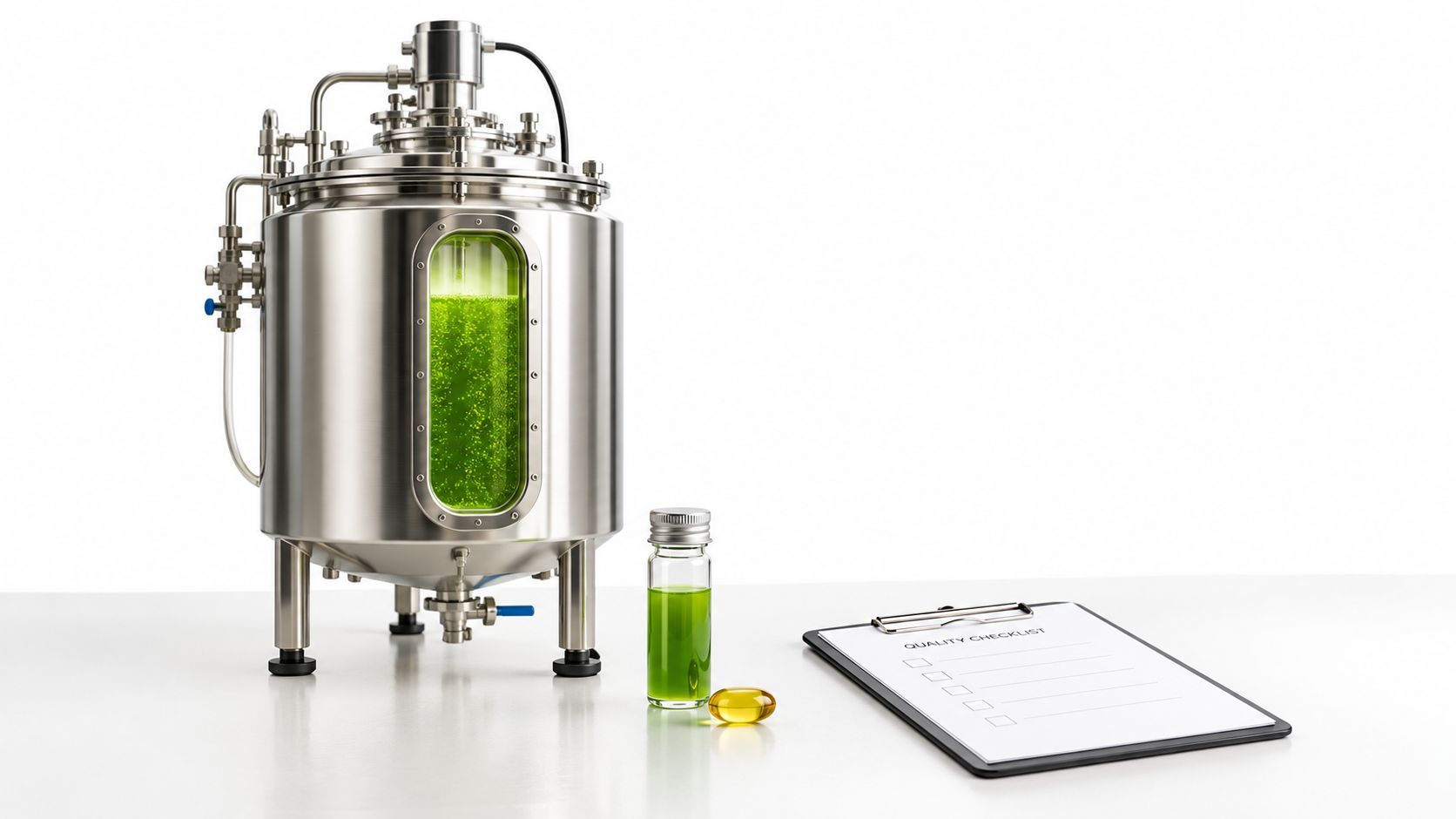
Check quality in three layers:
- Cultivation: Ask whether the algae oil comes from a controlled growing or fermentation system, and how the company maintains consistency between batches.
- Testing: Look for third-party reports that cover contaminants such as heavy metals and microbial contamination. Ask whether the company also tests oxidation, which can help indicate whether the oil has gone rancid.
- Freshness: Packaging that limits exposure to light and air can help protect the oil. Check the bottle for allergen statements and any certifications you care about, such as gluten-free or non-GMO.
Algae-based DHA avoids fishing and bycatch, one reason eco-conscious shoppers choose it. But a “sustainable” claim deserves support, just like a “tested” claim does. For wider context on choosing supplements to support your healthspan, see this guide to choosing supplements to support your healthspan.
If a brand doesn't explain its quality process clearly, ask:
- Where is the algae grown?
- Can you share a recent third-party contaminant report?
- How do you test oxidation?
- What batch number applies to my bottle?
“Vegan” and “natural” don't automatically mean independently tested. For more on this distinction, see best third-party-tested supplements. A reliable company should be able to answer specific questions about sourcing and testing without making you guess.
When to Check With a Doctor First
“Vegetarian” and “natural” don't mean a supplement is right for every person or situation. Higher amounts of omega-3s may create bleeding problems with warfarin or other anticoagulants, and the NIH consumer fact sheet notes that doses of 2–15 g per day of EPA and/or DHA might increase bleeding time by reducing platelet aggregation. That doesn't mean ordinary algal-DHA doses automatically cause bleeding; it does mean the dose and your medication list deserve attention.
Get medical guidance before starting or changing a supplement if you:
- Take blood thinners.
- Have surgery scheduled.
- Are pregnant or breastfeeding.
- Are considering high-dose therapy.
- Have a health condition your doctor is already managing.
Bring the actual bottle or a clear photo of its Supplement Facts panel to your appointment. Point out the DHA milligrams, EPA milligrams, serving size and number of capsules you plan to take so your clinician can judge your real daily intake.
It also helps to treat label claims carefully. The FDA allows qualified statements that EPA and DHA “may reduce” the risk of coronary heart disease, but says the evidence isn't conclusive. A supplement label is not proof that a product prevents or cures cardiovascular disease. Asking a clinician to review your plan is a sensible step, not a reason to panic.
Vegetarian DHA Questions Answered
Is vegetarian DHA the same as fish oil?
It supplies the same preformed DHA found in fish, but many algal products contain little or no EPA, so check the side-by-side comparison and the specific label.
How much DHA should I aim for?
Many people aim for 200–300 mg a day, while the EFSA reference is 250 mg per day of combined EPA and DHA for normal heart function; the dose table shows how to compare your serving.
Do flaxseed and walnuts count as DHA sources?
They supply ALA, which the body converts to DHA poorly, so they don't reliably replace a preformed DHA source; the explanation of ALA and DHA gives the difference in plain language.
Choosing Your Vegetarian DHA and Next Step
Use the DHA milligrams on the label to compare products. Total oil weight can include other oils, so it does not tell you how much preformed DHA a serving provides. A capsule's serving size matters too: check how many capsules make up the labeled dose.
| Your situation | What to prioritize on the label | Helpful next step |
|---|---|---|
| Vegan or vegetarian seeking daily DHA | 200–300 mg DHA per day and third-party testing | Compare the stated DHA amount with your daily target |
| Wanting both DHA and EPA | Both amounts listed on the Supplement Facts panel | Check the milligrams of each fatty acid |
| Taking blood thinners or preparing for surgery | Exact DHA and EPA dose | Review the product with your clinician first |
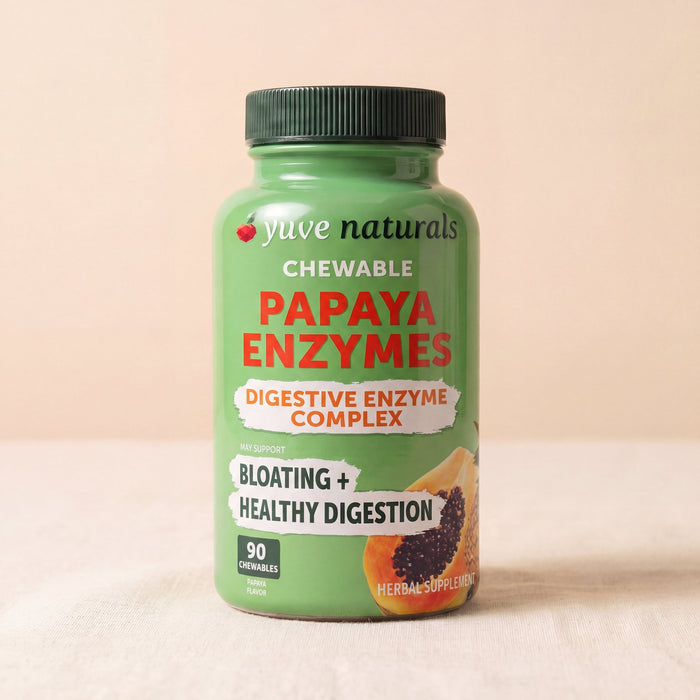
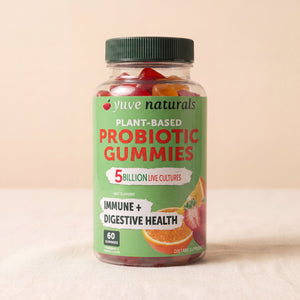
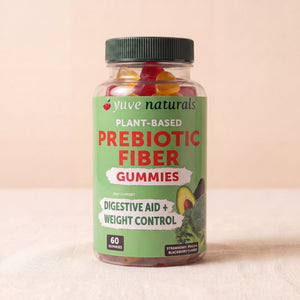
Keep supplement roles clear. Yuve offers a range of plant-based supplements, including probiotics, prebiotics, and herbal blends. These products are distinct from an algae-based DHA supplement: only the omega-3 label shows how much DHA or EPA that product provides.
Before choosing, check five details:
- DHA amount: Compare milligrams of DHA per serving, not total oil weight.
- Serving size: Confirm how many capsules provide the labeled amount.
- EPA: Check whether it is included and how much the serving contains.
- Quality: Look for information about freshness, contaminant testing, and algae sourcing.
- Safety: Ask a clinician about medicines, surgery, pregnancy, breastfeeding, or high-dose use.
If dairy or rich meals cause discomfort, consider which foods seem to trigger symptoms and how you reintroduce dairy. Keep that question separate from DHA selection, since digestive supplements and omega-3 products serve different purposes.
For plant-based supplement options, visit Yuve, then read each omega-3 label for the actual DHA milligrams per serving. That number gives you a clearer basis for comparing a daily capsule with your intended intake.