Ever stand in front of the fridge, staring at a yogurt cup and hoping it'll calm your stomach after lunch? You're not weird, and you're definitely not alone. A lot of us reach for foods with live cultures because we want a calmer gut, less bloating, and a little less drama from digestion.
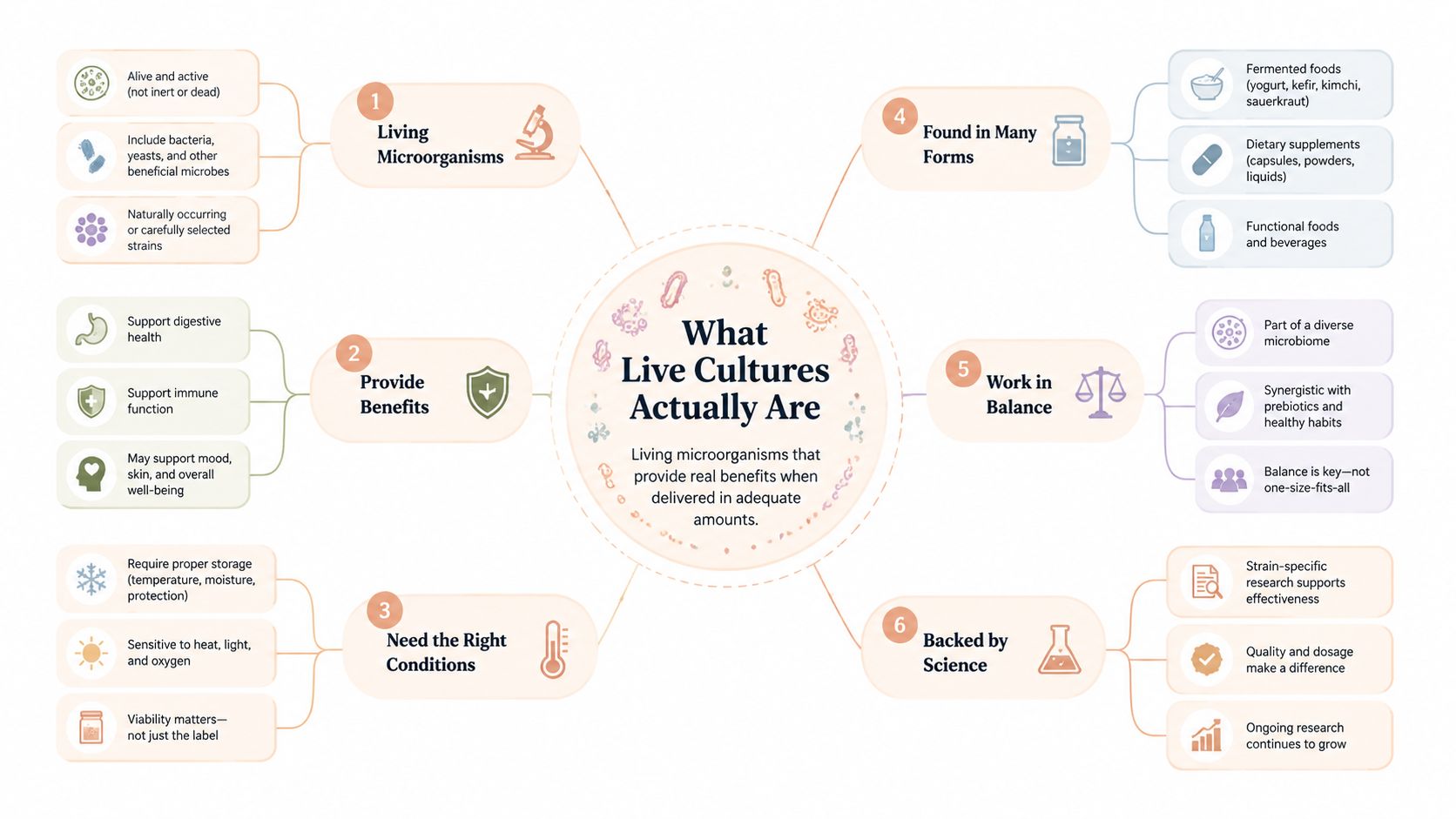
Live cultures are the tiny living microbes inside certain fermented foods and supplements. Some are there because they helped make the food, some may still be active when you eat it, and some have been studied for specific health benefits. The tricky part is that not every “live” label means the same thing, and not every cultured food acts like a probiotic.
What Live Cultures Actually Are
That yogurt cup in your hand can feel like a small act of hope. If your stomach's been noisy, swollen, or unpredictable, it makes sense to wonder whether those words on the label mean relief, or just marketing.
The plain-English definition
Live cultures are viable microorganisms still present in a food or supplement when you consume it. In the science literature, “live” means the cells still have metabolism, intact membranes, and the ability to grow or multiply if conditions allow it, while processing or storage can kill them off ScienceDirect on viability and processing. In everyday language, they're microbes that are still alive, not just leftovers from fermentation.
That's the key difference between a food that was fermented and one that still contains living organisms. A product can be cultured and still not have live cells at the moment you eat it. That's why the word live matters.
Practical rule: if the microbes are no longer viable at consumption, you can still call the food fermented, but you can't honestly treat it like a live-culture food.
What makes a culture count
A culture counts as live when it's still alive at eating time, not just when it was made. The evidence-based distinction matters because a food can contain microbes without meeting the stricter definition of a probiotic, which requires a specific strain and a proven health benefit at a defined dose Cleveland Kitchen explanation.
That's why I tell readers to look beyond buzzwords. Live cultures are about viability. Probiotics are about viability plus evidence.
If you want a friend-test for the term, use this quick checklist:
- Still alive at consumption: the microbes haven't been killed by heat or long storage.
- Present in enough amount: there has to be a meaningful viable count, not just a trace.
- Not automatically therapeutic: alive doesn't automatically mean clinically proven.
- Could be in food or supplements: live cultures show up in yogurt, fermented vegetables, and capsules.
For a broader look at natural sources, this guide to what are natural probiotics is a helpful companion if you're sorting through the terminology.
A Quick Look at the History of Fermentation
If you open a jar of yogurt or a bowl of kimchi, you are seeing an old food idea at work. Long before anyone used the word “probiotic,” people were already eating live-culture foods every day. Yogurt, kefir, sauerkraut, kimchi, miso, and tempeh all came from the same simple idea. Let microbes do part of the cooking for you.
Fermentation was the original preservation hack
Humans did not start fermentation because of wellness trends. They used it because it helped preserve food, changed texture, and created flavors that kept meals interesting. Yogurt is a clear example. The bacteria Lactobacillus bulgaricus and Streptococcus thermophilus turn pasteurized milk into yogurt during fermentation, creating the taste and texture people recognize today IDFA on yogurt fermentation.
The same pattern shows up in other fermented foods. Cabbage becomes sauerkraut. Soybeans become tempeh. Milk becomes kefir. In each case, the microbes are part of the recipe, not a late addition.
Why that history still matters now
This is not just a specialty food story. Foods with live microbes are eaten widely in modern diets, not only in supplement aisles or niche grocery stores. A large population study found that adults in higher live-microbe intake categories were eating these foods as part of ordinary daily patterns, which helps explain why fermented foods have stayed familiar across generations.
Fermented food is not new. What is new is how carefully scientists can measure the microbes inside it.
The counts vary a lot across traditional foods because each one holds a different mix of living microbes. Yogurt starter cultures are typically around 10^7 CFU/g, other cultured dairy products have been reported in the 10^5 to 10^9 CFU/g range, and sauerkraut has been reported from 10^3 to 10^8 CFU/g. That spread is exactly why one fermented food cannot be assumed to behave like another.
If you are trying to compare labels, the label details matter more than the general category. A jar of sauerkraut, a cup of yogurt, and a capsule can all involve live microbes, but the amount, the strains, and the reason they are included may be very different. For a plain-English explanation of those differences, see what is a prebiotic vs probiotic.
The takeaway is simple. Live cultures are not a new wellness invention. They are part of how people have preserved and enjoyed food for generations, and modern science gives us better language for what is happening in the jar, cup, or capsule.
Live Cultures vs Probiotics vs Prebiotics
This is the part where labels get messy fast. Food packaging loves to use terms that sound similar, but these three words do very different jobs.
The clean distinction
Live cultures are viable microbes present in a food or supplement at the time you eat it. Probiotics are a narrower group, specific strains that have been studied and shown to confer a health benefit at a defined dose NIH probiotic definition and related guidance. Prebiotics aren't microbes at all, they're fibers that feed the bacteria already living in your gut.
A simple way to remember it:
- Live cultures are all the dogs.
- Probiotics are the trained service dogs.
- Prebiotics are the dog food.
That analogy isn't perfect, but it sticks because the roles are different. One is about presence, one is about proof, and one is about feeding the ecosystem you already have.
Why people mix them up
Marketing blurs the line on purpose. A fermented food can sound healthful just because it contains live microbes, but that doesn't mean the product meets the formal probiotic standard. The NIH guidance is clear that probiotic effects are strain- and dose-dependent, so the details matter more than the headline NIH probiotic fact sheet.
That's also why a yogurt, a kefir, and a capsule can't be lumped together. They may all contain live cultures, but they don't have the same evidence behind them, and they don't always behave the same way in the body.
Bottom line: live cultures are a starting point, not a guarantee.
For a deeper label comparison, the guide to what is a prebiotic vs probiotic is worth a look if you keep seeing those terms side by side.
A fast decision framework
When you're standing in the grocery aisle, ask three questions:
- Is it alive? That tells you whether live cultures are present.
- Is it specific? That tells you whether it's a probiotic claim.
- Does it feed your gut too? That points you toward prebiotic-rich foods.
If a product only answers the first question, it may still fit into a healthy routine. It just doesn't deserve the same promise as a clinically studied probiotic.
Where to Find Live Cultures in Foods and Supplements
Open a grocery app or a supplement aisle, and the choices can feel oddly broad. Live cultures are not limited to yogurt, and that matters if you eat dairy, avoid it, or want options that fit a vegan routine without forcing the same breakfast every day.
Food and supplement options
| Food or Product | Typical CFU/g | Vegan-Friendly | Notes |
|---|---|---|---|
| Yogurt | Around 10^7 CFU/g | No | Often the most familiar source of live cultures |
| Kefir | Varies widely | Sometimes | Can be dairy or non-dairy |
| Sauerkraut | 10^3 to 10^8 CFU/g | Yes | Raw versions are more likely to keep live microbes |
| Other cultured dairy products | 10^5 to 10^9 CFU/g | No | Counts vary by product and storage |
| Fermented foods generally | Varies | Often | Includes kimchi, miso, tempeh, and others |
| Supplements | Varies by brand | Often | Capsules, powders, chewables, and gummies |
The table is meant to help you spot the main categories, not to turn shopping into lab work. Viable counts can differ a lot from one product to another, which is why section 2 focused on the numbers in more detail and why labels should be read alongside storage and ingredient quality rather than in isolation.
Dairy and plant-based choices
If you eat dairy, yogurt and kefir are the easiest starting points because they are familiar and widely available. If you do not, fermented vegetables and soy foods can still bring live microbes to the table. That is the useful part for vegans and for anyone avoiding milk, since live cultures are not tied to dairy alone.
A quick companion read, fermented foods with live cultures, can help you sort through food-first options without getting lost in marketing language. If oral health is on your mind too, Mouthology's probiotic lozenge guide shows how live microbes can appear in a very different format, which is helpful when you are comparing foods with targeted products.
Where supplements fit
Supplements give you more control over the format, which is why some people reach for them when meals are unpredictable or when they want something easy to take consistently. Capsules, powders, chewables, and gummies all show up here, and each one asks a slightly different question from the shopper.
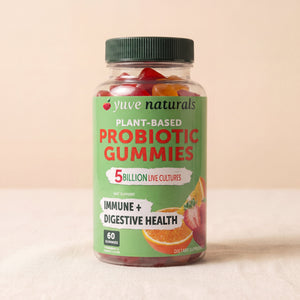
Yuve's Vegan Probiotic Gummies contain 5 billion live plant-based cultures, so they are one non-dairy option for people who want a supplement rather than a fermented food. That kind of product can be easier to use on busy days, especially if you do not want to rely on yogurt or kefir. The label still matters, though. A clear count, a recognizable format, and a fit with your diet are more useful than a glossy front-panel claim.
Choose the format you will keep using. The better choice is usually the one that fits your diet, your schedule, and how your digestion feels in real life.
What the Science Says About Health Benefits
A shopper staring at two tubs of yogurt, a bottle of capsules, and a package of fermented snacks may wonder which one is doing anything. The answer depends on the organism, the amount, and the food or supplement format, so the science is more specific than the marketing.
What's strongest, and what's still fuzzy
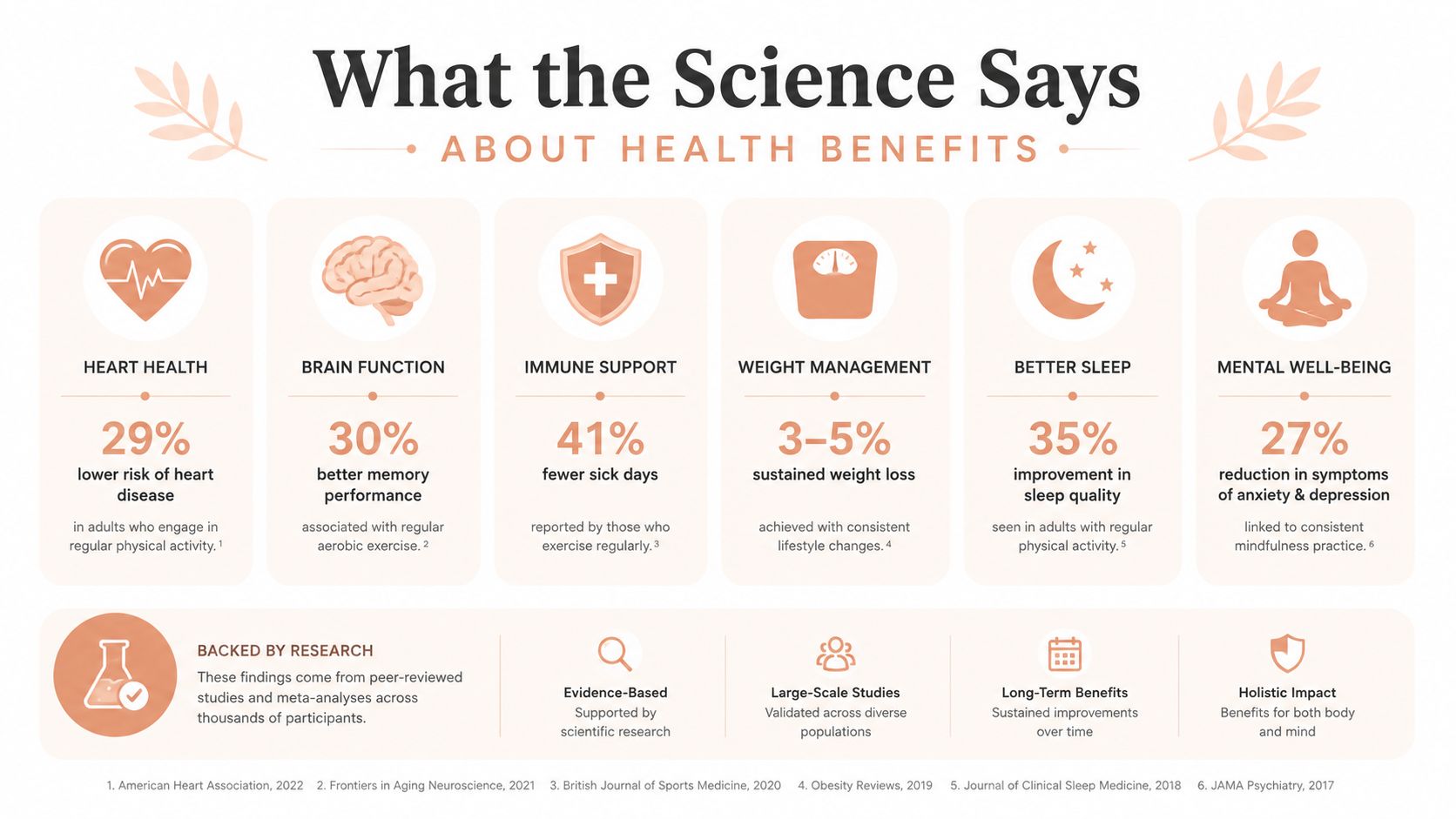
The clearest evidence supports particular probiotic strains for particular uses. A World Health Organization discussion of probiotics frames them as live microorganisms that can confer a health benefit when given in adequate amounts, which is a useful reminder that the label has to line up with the evidence, not just the word “live” on the front of the package.
A broad review of live-microbe intake in adults found that people who ate more of these foods tended to show healthier metabolic markers, including better blood pressure, lipid, and glucose patterns. That kind of association is encouraging, but it still does not prove the foods caused the difference. It may reflect a wider eating pattern that already includes more fermented foods, more variety, or other habits linked with health.
What that means for your body
Digestive comfort is where many people notice a practical difference first, especially when the strain or food matches their needs. The evidence is discussed most often for antibiotic-associated diarrhea and some IBS symptoms, but the effect is not the same across products or across people, so one item cannot stand in for every other live-culture food or supplement.
A useful way to read the science is to treat live cultures as one tool in a larger routine. They can fit into a gut-friendly pattern, but they do not replace fiber, varied plant foods, or the basics that keep digestion steady. For some readers, the question is not whether live cultures are magical, but whether a specific food is tolerable, consistent, and worth keeping in the routine.
For readers who also compare functional foods outside the dairy aisle, Colorado Cultures' discussion of lion's mane medicinal properties shows how different wellness ingredients can sit in the same conversation without meaning the same thing.
Keep the evidence in perspective
A live-culture food may support a routine, but it does not promise a noticeable change on the same day. That is normal. Gut-related changes are personal, and the most useful result may be finding a product you can use regularly without fuss.
Reading Labels Without Getting Misled
This is the part that saves people from a lot of disappointment. I do NOT think the front of the tub tells the whole story, and the label language can be slippery if you don't know what it's promising.
The yogurt seal is a manufacturing claim
The Live and Active Cultures seal on yogurt has a specific threshold. The National Yogurt Association requires at least 100 million cultures per gram at the time of manufacture, and the CODEX standard for fermented milk products sets a minimum of 10^7 CFU/g for starter culture bacteria in yogurt NIH probiotic fact sheet. That means the seal tells you what was in the product when it left the factory.
It does not guarantee the same count at the moment you eat it. Storage, heat, and time can all change viability. So a seal is useful, but it isn't a clinical promise.
Words that sound similar but mean different things
“Made with live cultures” and “contains probiotics” are not the same claim. A product can be fermented, and even technically cultured, without having enough viable organisms left to matter much by the time it reaches your spoon. Heat treatment after fermentation can also eliminate the live cells while leaving the food fermented.
A cultured food can still be a good food, even if it isn't a probiotic food.
That's the label gap many shoppers miss. The front panel may sound health-focused, but the key question is whether the product still contains viable cultures, and whether those cultures have actual evidence behind them.
How to read the package fast
- Look for the exact wording: “live and active cultures” is more specific than vague wellness language.
- Check the product form: heat-treated products are less likely to contain living microbes.
- Separate marketing from evidence: live cultures at manufacture are not the same as probiotic efficacy.
- Ask what survives shelf life: viability at purchase matters more than a phrase on the box.
If you get frustrated by this, you're in good company. Label reading around gut health is messy, and the industry hasn't made it easy.
Practical Tips for Storage, Storage Habits, and Daily Use
Once you understand the label, the next question is simple. How do you keep those live cultures alive long enough to matter?
Storage habits that actually help
- Refrigerate when the label says to. Live cultures are living cells, and cooler storage can help them stay viable longer.
- Keep the lid closed. Moisture and repeated warming can make a product less stable.
- Use fermented foods before they sit too long after opening. The longer a product sits open, the more likely viability changes.
- Store capsules as directed. Many supplements need a cool, dry place to protect the microbes inside.
- Don't assume all fermented foods behave the same. Different foods and brands handle viability differently.
If your gut is sensitive, consistency matters more than perfection. You don't need to build a full laboratory in your kitchen. You just need to protect the product the way the manufacturer tells you to.
A founder story that feels familiar
Sam, the founder behind Yuve, built the brand while dealing with digestive discomfort of his own. That kind of experience is why so many people reach for a daily routine that feels simple instead of complicated. A vegan-friendly supplement can be easier to stick with than trying to rework every meal around fermented foods.
For some people, Yuve's Vegan Probiotic Gummies fit neatly into that routine because they provide 5 billion live plant-based cultures in a format that doesn't rely on dairy. That's not a magic fix, and it's not the only option, but it is a practical one for people who want a more predictable habit.
A small daily framework
- Morning: take your supplement with the routine you already have.
- Meals: pair live-culture foods with fiber-rich foods when you can.
- Shopping: buy products you'll finish while they're still fresh.
- Listening to your body: if one format bothers you, try a different one rather than quitting entirely.
The biggest mistake I see is people trying a product once, feeling nothing dramatic, and calling it a failure. Gut support usually works better as a steady habit than as a one-day experiment.
Frequently Asked Questions About Live Cultures
Are live cultures safe for kids and during pregnancy?
Often, yes, but the product matters. Food sources and supplements vary, and pregnancy or childhood can change what's appropriate, so it's smart to choose products with clear labeling and ask a healthcare professional if you're unsure. Start with food-first choices if you want the simplest path.
How can I tell if the cultures are still alive when I buy the product?
Check for storage instructions, the exact wording on the package, and whether the product was heat-treated after fermentation. The Live and Active Cultures seal tells you the yogurt met a manufacturing threshold, not that every cell is still alive at consumption. If the label is vague, treat it as a fermented food, not a proven probiotic.
Can vegans get meaningful live cultures without dairy?
Yes. Fermented vegetables, soy foods, and vegan supplements can all provide live cultures. The main issue is not whether the food is dairy-free, it's whether the microbes are still viable and whether the product fits your routine.
What if I tried live-culture foods or supplements and didn't notice a difference?
That doesn't automatically mean they're useless. The benefit depends on the strain, dose, storage, and your own gut pattern. If one format doesn't feel right, try a different food, a different product form, or get personal guidance before giving up.
If you want a simple place to start, visit Yuve and look at the vegan-friendly options built for gut health routines that don't revolve around dairy. You'll find practical formats for everyday use, plus resources that make label reading less confusing. If you've been trying to figure out what live cultures fit your body and your schedule, that's a good next step.