Caught mid-bake without powdered sugar? It usually happens at the worst time. The cupcakes are cooled, the cookies are ready, and the pantry gives you an empty shelf instead of the soft, powdery sugar your frosting needs.
Sam, our founder, knows ingredient swaps can affect more than flavor. After years of dealing with bloating from everyday foods, he learned to look at sweeteners through two lenses at once. Will they work in the recipe, and how will they feel afterward? That same practical mindset shapes this guide to What can I substitute for powdered sugar.
Some options are better for blood sugar balance. Some bring prebiotic fiber. Some are easier to digest for one person and irritating for another, especially sugar alcohols. Real life baking is about those trade-offs, not just picking the sweetest white powder in the cupboard.
Powdered sugar also has a job to do. Its fine texture helps frostings turn smooth, glazes dissolve quickly, and dusted finishes look light instead of gritty. So the best substitutes are usually dry, blendable ingredients that can mimic that soft texture. If you like making homemade pantry swaps, even basics like raw coconut oil for frosting texture and richness can help you get a better result.
This list is designed to answer that question with taste, texture, and gut comfort in mind.
1. Coconut Sugar Powder
Your frosting bowl is ready, but the powdered sugar bag is empty. Coconut sugar can save the batch if you grind it fine enough.

Coconut sugar powder brings a warm, caramel-like flavor that works best in desserts where that deeper taste feels welcome. I reach for it in chocolate frosting, spice cookies, snack cakes, and bakes with cinnamon, cacao, or vanilla. It will tint your icing beige to light brown, so it is a poor fit for bright-white finishes or detailed piping work.
The practical part is texture. A high-speed blender or spice grinder gets you closest to a powdered consistency, and that matters. If the sugar stays a little coarse, the grit will show up fastest in uncooked glazes and silky frostings. In bars, cookies, or crumble-style toppings, that same texture is much less noticeable.
A 1:1 volume swap usually works as a starting point in home baking. Then adjust based on the recipe in front of you. If the frosting looks heavy or slightly dry, a little liquid or fat can smooth it out. Ingredients that add richness, like raw coconut oil for frosting texture and richness, often pair especially well with coconut sugar's deeper flavor.
Best uses for coconut sugar powder
- Chocolate frosting: The molasses-like notes blend in naturally.
- Cookies and bars: Slight graininess rarely ruins the final texture.
- Warm-spice desserts: Pumpkin, ginger, chai, and banana bakes all benefit from the added depth.
From a gut-health angle, this option makes sense for readers who want a less refined sweetener without stepping into sugar alcohol territory. Coconut sugar still acts like sugar in a recipe and in the body, so it is not a low-sugar fix. But some people prefer it because it feels gentler than highly processed swaps, and the flavor is fuller, which can make a modestly sweet dessert taste satisfying.
Use it when flavor matters more than a pure white look. That trade-off is usually worth it in cozy, everyday baking.
2. Monk Fruit Sweetener Powder
You're halfway through making frosting, taste the bowl, and suddenly it is far sweeter than expected. That is a common monk fruit learning curve. A little goes a long way, especially in powdered blends made for baking.
Monk fruit sweetener powder works best for bakers who want the sweetness of powdered sugar without the same blood sugar hit. The flavor is clean in some brands and noticeably sharp in others, so the product itself matters here more than with plain sugar. I usually get the best results from blends rather than pure monk fruit, because they give you better volume and a texture that feels more like actual powdered sugar.
Start small. For many monk fruit blends, using the full measured amount of powdered sugar can make a frosting aggressively sweet or leave a lingering aftertaste. It is much easier to add more than to fix a bowl that has gone too far.
Where monk fruit tends to work best
- Cream cheese frosting: The tang helps balance monk fruit's sweet edge.
- Simple glazes: Good for loaf cakes, muffins, and lemon drizzle finishes.
- Blended powdered sweetener mixes: Useful when you want sweetness without relying on monk fruit alone for body.
Texture is the main trade-off. Monk fruit does not always give frosting the same structure that powdered sugar does, so some recipes can turn out thinner or less stable. If you need height, stiffness, or that classic bakery-style finish, this may not be your first choice.
From a gut-health perspective, monk fruit has one big advantage. Monk fruit itself is not a sugar alcohol, so it is often easier for people who want a lower-sugar option without the digestive issues that can come with some alternative sweeteners. The catch is that many store-bought monk fruit powders are blended with erythritol or other bulking agents. If your stomach is sensitive, read the ingredient list before you bake and test a small batch first.
This substitute fits the Yuve style of baking well. It can help lower the overall sugar load, but it is only gut-friendly if the full blend agrees with your body. Choose it when sweetness control matters more than exact powdered sugar structure.
This category keeps growing for a reason. Analysts at Mordor Intelligence project the global sugar substitutes market at USD 8.55 billion in 2025 and USD 11.42 billion by 2031, with powder formats representing 68.21% of the market. Monk fruit powder sits squarely in that dry, baking-ready group.
3. Allulose Powder
Allulose powder is the closest thing on this list to a “that's surprisingly normal” substitute. If you want a powdered sugar alternative that behaves more like sugar in frosting, this is one of the most practical options.

The taste is mild, the color is neutral, and the texture is usually smoother than heavier whole-food options. That makes it useful for buttercream-style frostings, whipped toppings, and no-bake fillings where you don't want a strong molasses or fruit note taking over.
The main trade-off
Allulose powder can absorb moisture, so it's not my first pick for a dessert that needs to sit out a long time in a humid kitchen. But if you're frosting and serving within a reasonable window, it usually behaves nicely.
Its biggest advantage is that it doesn't scream “substitute.” If someone in your house is skeptical of sugar alternatives, this is often the one that wins them over.
Real-world examples where it tends to work well:
- Vanilla frosting for cupcakes
- Chocolate ganache-style fillings
- No-bake cheesecake toppings
- Simple drizzle glazes
From a digestive point of view, this is still a personal-tolerance ingredient. Some people do well with it. Others don't love how alternative sweeteners sit in their stomach. If you know your gut is sensitive, test it in a small bowl of glaze before making a full birthday cake frosting.
A lot of readers ask what can I substitute for powdered sugar when they want something that still looks and feels classic. Allulose is often the answer when appearance matters just as much as sweetness.
4. Arrowroot Powder With Stevia Blend
You're halfway through a glaze, the powdered sugar jar is empty, and you still want something light enough to drizzle over a loaf cake without turning the topping heavy or gritty. This is one of the few swaps that can get you there if you keep your expectations realistic.

Arrowroot gives the blend a soft, dry texture that helps with dusting and thin icing. Stevia handles the sweetness, so you can keep the sugar load low. That can be a nice fit for people who want a lighter glycemic impact than standard confectioners' sugar, especially in small finishing touches rather than full bowls of frosting.
The trade-off is flavor precision. A tiny bit too much stevia can leave a cooling or bitter finish, and arrowroot does not create the same rich structure you get from powdered sugar in a thick buttercream. I get the best results when I use this blend for simple jobs and stop short of overworking it.
A starch-based homemade substitute works because texture matters as much as sweetness. Fine, dry particles help a glaze dissolve more evenly, reduce clumping, and give that familiar powdery look on top of baked goods.
Use it where it plays nicely:
- Lemon glaze on loaf cake
- Dusting over bars or brownies
- Light drizzle for breakfast bakes
- A quick topping for recipes like raw chocolate protein bars with dates
For digestion, this option is pretty simple on paper. Arrowroot is a straightforward starch, and stevia does not add fermentable sugars that bother some people. Still, sweetener tolerance is personal. If stevia has tasted off to you before, that usually shows up again here, especially in uncooked icings.
If you make your own blend often, keeping the sweetener consistent helps. Some home bakers like portioned stevia sweetener wrap supplies so they can repeat a ratio that tastes good.
I would skip this for intricate piping or bakery-style frosting. It shines most in light finishes where a clean ingredient list and a gentler sweetness matter more than perfect confectioners' sugar mimicry.
5. Date Paste or Date Sugar Powder
Date-based substitutes are the whole-food favorite. They don't really copy powdered sugar perfectly, but they can make delicious desserts when you lean into what they are instead of forcing them to act like white icing sugar.
Date sugar is better in baked goods and crumb toppings. Date paste works better in soft frostings, fillings, and energy-style desserts.
A recipe idea if you want inspiration: raw chocolate protein bars with dates
Here's a visual if dates are already calling your name:
Why this swap feels different
Dates bring sweetness, yes, but also body and a richer flavor. That means they're wonderful in brownies, snack bars, cacao-based fillings, and darker cakes. They are not the answer for a clean white glaze on sugar cookies.
If you use date paste in frosting, combine it with fats that soften the texture and round out the flavor. Think nut butter, coconut cream, or a little coconut oil. It won't taste like classic bakery frosting. It will taste more wholesome and caramel-like.
A few good fits:
- Brownies and snack cakes
- Energy bites and bars
- Chocolate frosting with a deeper flavor
- Spiced cookies
Some shoppers who prefer alternative sweetener formats also explore products like stevia sweetener wrap supplies, but dates are the more food-first option when you want sweetness from recognizable ingredients.
Digestively, this is often the most “real food” choice on the list. That doesn't mean it's automatically easier for everyone, but if you're trying to move away from ultra-refined baking ingredients, dates are a smart place to experiment.
6. Erythritol-Based Powdered Sweetener
You finish a frosting, take a taste, and get that sudden cool finish that was not part of the plan. That is erythritol.
It is one of the easiest powdered sugar substitutes to find, and it does a useful job in recipes that need a pale color and a fine, dry texture. If your goal is a classic-looking glaze, dusting sugar, or a low-sugar frosting that still looks familiar, this option earns its spot in the pantry.
The trade-off is sensory and digestive. Erythritol often leaves a cooling effect, especially in vanilla frostings or lightly flavored icings. Powdered versions usually feel smoother than granulated ones because the crystals are finer, but the flavor profile is still distinct.
Here's where I find it most useful:
- White or lightly colored frostings
- Quick glazes for cookies or loaf cakes
- Dusting over brownies or snack bars
- Chocolate desserts, where stronger flavors can mask the cooling note
If you're making a rich chocolate topping, raw cacao powder in baking and frosting recipes can help balance erythritol's cool finish and make the sweetness taste more rounded.
Digestive tolerance matters here more than with some other swaps on this list. Erythritol is a sugar alcohol, and even though some people handle it well, others notice bloating, gas, or general GI discomfort. It also does not offer the prebiotic fiber benefits you get from whole-food options like dates or oat-based blends, so its gut-friendly appeal comes more from lower sugar impact than from nourishing the microbiome.
Skip it if sugar alcohols have bothered you before, or if you want a frosting that tastes warm and buttery rather than crisp and cool. In chilled desserts, that cooling sensation can stand out even more.
My practical take is simple. Erythritol-based powdered sweetener works best when appearance matters, sugar needs to stay low, and your gut tolerates it well. It is a helpful tool, just not the most universally comfortable one.
7. Oat Flour With Organic Sweetener Blend
This one is less of a straight substitute and more of a smart kitchen workaround. If you blend fine oat flour with a dry sweetener, you get a soft, powdery mix that can work in rustic frostings, snack bars, crumb toppings, and cookie finishes.
It won't fool anyone into thinking it's classic confectioners' sugar. But that's not the point. The point is to make desserts that taste good and feel a little more grounded.
For chocolatey recipes, raw cacao powder ideas pair beautifully with this kind of blend.
Why some people love it
Oat flour brings a gentle flavor and a little body. Combined with a dry sweetener, it can soften the sharpness of some sugar substitutes and create a more bakery-meets-breakfast vibe.
This is especially good in:
- Cookie sandwich fillings
- Snack cake toppings
- Cinnamon or pumpkin-style glazes
- Kid-friendly homemade treats
The texture is softer and more rustic than smooth. That's why I like it for casual baking, not fancy piping.
There's also a bigger food trend behind swaps like this. Sugar substitute use has moved well beyond niche audiences. Market Research Future notes North America holds about 35% of the global sugar substitutes market, with the United States contributing about 30% of global share in 2025, and also cites NIH review data showing low-calorie sweetener use rose from 26.9% to 32.0% among U.S. adults and from 8.7% to 15.0% among children between the 1999-2000 and 2007-2008 NHANES periods. In plain English, more families are experimenting with alternatives, and pantry-style blends like this fit that shift.
For digestion, oat-based swaps can feel more balanced in recipes where you want sweetness without making the dessert feel one-note.
7 Powdered Sugar Substitutes: Quick Comparison
| Option | Implementation Complexity (🔄) | Resource Requirements (⚡) | Expected Outcomes (⭐ 📊) | Ideal Use Cases (💡) | Key Advantages |
|---|---|---|---|---|---|
| Coconut Sugar Powder | 🔄 Moderate, minimal processing; may need home grinding | ⚡ Moderate cost; grinder & airtight storage to avoid clumps | ⭐ Good, lower GI, mineral content; 📊 Moderate impact on glycemic control | 💡 Frostings, dusting, vegan/clean-label baking | Prebiotic fiber, sustainable sourcing, 1:1 swap in many recipes |
| Monk Fruit Sweetener Powder | 🔄 Low, ready-to-use but highly concentrated (recipe scaling) | ⚡ Low equipment; premium price; small usage volumes | ⭐ High, zero-calorie, no glycemic impact; 📊 Strong for blood‑sugar control | 💡 Diabetic-friendly frostings, low-calorie desserts, keto/paleo | Zero calories, heat-stable, plant-derived |
| Allulose Powder | 🔄 Low, near-identical behavior to sugar (1:1) | ⚡ Moderate availability; premium price; moisture control needed | ⭐ Very high, sugar-like taste/texture; 📊 High acceptability in baking | 💡 Traditional frostings, dusting, recipes needing white appearance | 1:1 replacement, minimal digestive issues, clean-label profile |
| Arrowroot Powder + Stevia Blend | 🔄 Moderate-high, DIY blending and ratio tuning required | ⚡ Low cost ingredients; time for blending; storage to avoid moisture | ⭐ Moderate, low-calorie, texture depends on mix; 📊 Good for gut-friendly messaging | 💡 DIY clean-label substitutes, customizable sweetness levels | Highly customizable, gut-friendly arrowroot, no sugar alcohols |
| Date Paste / Date Sugar Powder | 🔄 Moderate, processing dates to powder or paste; recipe adjustment | ⚡ Moderate cost; processing equipment; refrigerate paste | ⭐ High nutrition, fiber & polyphenols; 📊 Moderate glycemic effect (lower than refined sugar) | 💡 Brownies, cookies, whole-food baking, nutrient-dense products | Whole-food source, rich flavor, prebiotic fiber |
| Erythritol-Based Powdered Sweetener | 🔄 Low, commercial powders available; blending optional | ⚡ Widely available, affordable; needs desiccant for storage | ⭐ Good, zero-calorie, zero GI; 📊 Variable due to digestive tolerance | 💡 Keto/diabetic lines, low-calorie baking, mainstream low‑sugar products | Established safety profile, tooth-friendly, cost-effective |
| Oat Flour + Organic Sweetener Blend | 🔄 Moderate, requires blending and texture control | ⚡ Low cost but needs refrigeration (shorter shelf life) | ⭐ High nutrition, beta‑glucans & fiber; 📊 Moderate textural/appearance trade-offs | 💡 Whole-grain baking, family-friendly, fiber‑focused recipes | Nutrient-dense, supports gut & immune health, clean‑label appeal |
Your Sweet Strategy for Gut-Happy Treats
Running out of powdered sugar might not feel lucky in the moment, but it can push you toward a better fit for your recipe and your body. That's the win here. You don't have to settle for a random sugary fix that leaves your frosting gritty, your glaze too thin, or your stomach feeling off.
If you want the closest texture to classic powdered sugar, allulose powder and erythritol-based powdered sweeteners are usually the most practical. If you want a more whole-food direction, coconut sugar powder and date-based options bring deeper flavor and a less processed feel. If you like DIY control, arrowroot with stevia gives you a pantry-friendly experiment. And if you bake in a more rustic, wellness-minded style, oat flour blends can absolutely earn a spot in your kitchen.
The biggest thing to remember is this: the best substitute depends on what you're making. Frosting needs smoothness. Glaze needs quick dissolving. Dusting needs dryness. Brownies and snack bars can handle more texture and stronger flavor. That's why a substitute that works beautifully in one recipe can flop in another.
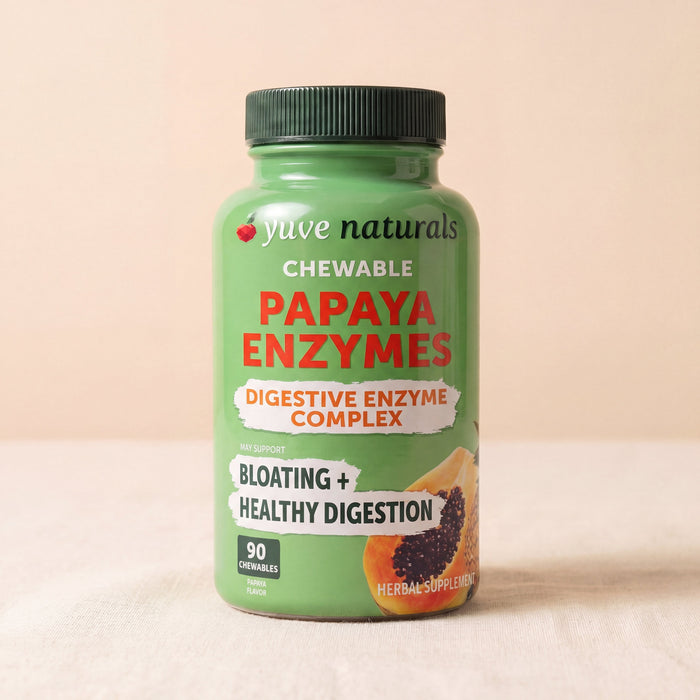
And if sweets tend to leave you feeling heavy, a little digestive support can make a real difference. Yuve's Papaya Enzymes are a smart daily add-on when you enjoy desserts but don't love the aftermath. They're chewable, easy to keep on hand, and designed to support digestion of fats, carbs, and proteins so treats feel more enjoyable and less like a gamble.
Sam built Yuve around that exact tension so many of us know well. You want to enjoy food. You also want to feel good after eating it. Those two goals can absolutely live in the same kitchen.
If you're curious about other practical food swaps and supportive routines, even niche resources like ADS tips for business coffee supplies show how often sugar alternatives come up once you start looking at ingredient choices more intentionally.
If you're ready to support your sweet tooth without sidelining your gut, explore Yuve and try Papaya Enzymes as part of your everyday routine. It's a simple way to enjoy the foods you love with more comfort and a lot less second-guessing.