Take probiotics at the time you can repeat daily. Many probiotic products work best with a meal or shortly before one, because food may buffer stomach acid. Nighttime can work if it fits your routine. Follow the product label, especially for strain, serving size, storage, and whether the probiotic needs food.
TL;DR
- Consistency matters more than the clock for most probiotic routines.
- Taking probiotics with food may help more organisms survive stomach acid.
- Nighttime probiotics are fine if the label does not require a meal.
- Do not pair every enzyme or supplement automatically. Check timing and tolerance.
- Choose strain-labeled, clean-label probiotics with clear storage directions.
What is a probiotic?
A probiotic is a live microorganism that supports a healthy balance of gut flora when taken in an appropriate amount. Common probiotic genera include Lactobacillus, Bifidobacterium, Bacillus, and Saccharomyces. Product labels should name the genus, species, and strain when that information is available, such as Bacillus coagulans GBI-30, 6086 or Lactobacillus rhamnosus GG. The National Center for Complementary and Integrative Health explains that probiotics are studied for digestive and immune-related functions, but benefits depend on the specific microorganism, dose, and use context (NCCIH). A probiotic gummy, capsule, powder, or fermented food can fit a routine, but the format does not replace label reading. A probiotic supplement should list CFU, serving size, storage instructions, allergens, and inactive ingredients so the daily habit feels clear rather than guessy.
How do probiotics work in the digestive routine?
Probiotics work by interacting with the gut microbiota, intestinal lining, and immune signaling, but effects are strain-specific rather than universal. Lactobacillus strains may support lactic acid production. Bifidobacterium strains may support short-chain fatty acid activity. Bacillus coagulans forms spores, which helps that organism tolerate heat, moisture, and stomach conditions better than some non-spore-forming organisms. A review indexed in PubMed describes probiotic effects as connected to microbial balance, barrier function, and immune modulation, while noting that outcomes vary by strain and host factors (PubMed). Timing matters because stomach pH changes around meals. Food can make the stomach environment less acidic for a period, which may support survival for certain organisms. A steady daily routine also matters because probiotic organisms usually do not permanently colonize the gut after a short serving cycle.

What are the practical benefits of taking probiotics consistently?
Consistent probiotic use may support digestive comfort, gut flora balance, and healthy immune function, depending on the strain and serving pattern. A Cochrane review found that probiotics were associated with fewer cases of antibiotic-associated diarrhea in some studied groups, but the authors noted variation by product and population (Cochrane). That evidence supports careful, strain-aware expectations rather than one-size-fits-all promises. For everyday wellness, the more useful benefit is routine support: a probiotic taken at breakfast, dinner, or bedtime is easier to remember than a supplement taken randomly. Pairing probiotics with fiber-rich foods may also support gut flora because certain fibers act as prebiotics. If you are comparing formats, read Yuve’s guide to whether probiotic gummies are effective before choosing a capsule, powder, or gummy.
How should you choose the best time to take probiotics?
Choose probiotic timing by matching the label instructions to your most reliable daily habit. If the label says “take with food,” take the probiotic with breakfast, lunch, or dinner. If the label allows use with or without food, pick the time with the lowest chance of forgetting. Use this checklist before deciding:
- Strain identification: look for genus, species, and strain when available.
- CFU at expiration: prefer labels that clarify potency through the “best by” date.
- Meal timing: follow “with food,” “before food,” or “empty stomach” directions.
- Storage: check shelf-stable versus refrigerated instructions.
- Format: choose gummies, capsules, or powders you will take consistently.
- Dietary fit: verify vegan, gluten-free, gelatin-free, and allergen statements.
- Routine fit: keep the bottle where the habit happens.
The FDA dietary supplement page explains that supplement labels are regulated differently from drug labels, so consumers should review directions and Supplement Facts carefully (FDA).
What should you watch out for on a probiotic label?
A probiotic label should make the organism, amount, storage, and serving instructions easy to verify. Watch for vague names like “proprietary probiotic blend” without strain details, CFU counts listed only “at time of manufacture,” and storage directions that conflict with your real life. Mild digestive changes can occur when you add probiotics or prebiotic fiber, especially if your routine changes quickly. Start with the labeled serving and avoid stacking several gut-support products on the same day if you cannot tell what your body tolerates. People who are pregnant, immunocompromised, or managing complex health concerns should ask a qualified health professional before adding live microorganisms. Also check whether the supplement is vegan and gelatin-free if plant-based standards matter to you. For storage specifics, read Yuve’s guide to fridge, shelf, and label rules for probiotics.
How do morning, night, and meal timing compare?
Morning, night, and meal-based timing can all work for probiotics, but they solve different routine problems. Morning timing pairs well with coffee, breakfast, and other daily essentials. Night timing works for people who forget supplements during rushed mornings. Meal-based timing is often best when the probiotic label recommends food or when stomach comfort is a priority. The most important comparison is not “morning versus night.” The better comparison is “which timing can you repeat for 30 days while following the label?” If you take bromelain, digestive enzymes, fiber gummies, or minerals, avoid tossing everything into one supplement moment without checking directions. Bromelain is often used with meals as a digestive enzyme, while probiotic timing depends on the organism and label. Bacillus coagulans may be more flexible because spore-forming probiotics are generally more stable than many Lactobacillus and Bifidobacterium formats.
| Timing option | Best fit | Watch-out |
|---|---|---|
| Morning with breakfast | People who already have a steady morning routine | Coffee-only mornings may not match “take with food” labels |
| With lunch or dinner | Labels that recommend food and people using digestive routines | Restaurant meals and travel can make timing inconsistent |
| At night | People who remember supplements during evening routines | Check whether the product specifically requires a meal |
| With bromelain | People whose labels allow both products near meals | Separate products if stacking changes comfort or tolerance |
FAQ
Can you take probiotics at night?
Yes, you can take probiotics at night if the product label does not require a meal or a specific time of day. Nighttime works well for people who keep supplements near a toothbrush, tea routine, or bedside water. If the label says “with food,” take the probiotic with dinner instead of waiting until bedtime.
Is it better to take probiotics before or after eating?
Many probiotics are taken with food or shortly before a meal because food can buffer stomach acid. That said, the best instruction is the one printed on your product label. Different organisms, delivery formats, and coatings can change the ideal timing, so a Bacillus coagulans gummy may not follow the same rules as another capsule.
Can you take bromelain with probiotics?
You can often take bromelain with probiotics if both labels allow that timing, but you should introduce one product at a time when possible. Bromelain is a proteolytic enzyme commonly taken around meals. Probiotics are live microorganisms, so their timing depends on strain, serving form, and stomach comfort.
What should I know about bromelain and Bacillus coagulans?
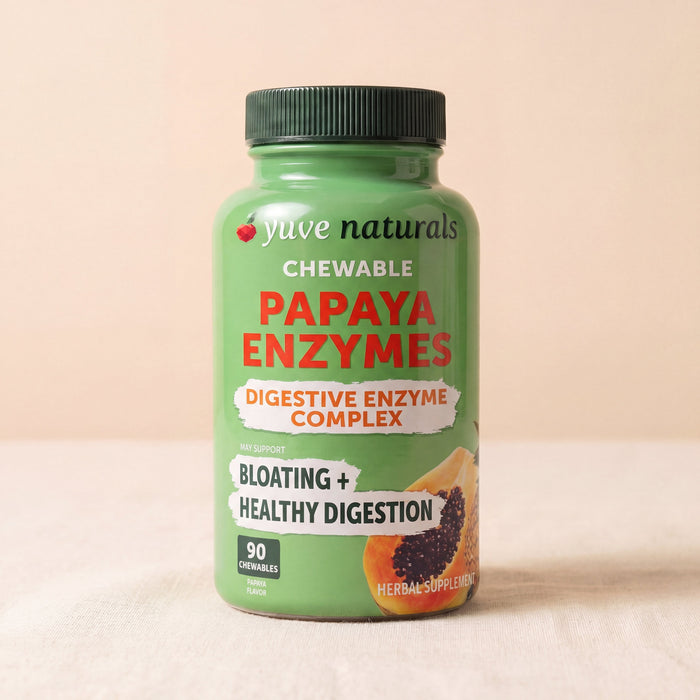
Bromelain and Bacillus coagulans are different supplement ingredients with different jobs. Bromelain is an enzyme from pineapple stems or fruit. Bacillus coagulans is a spore-forming probiotic organism. If you use both, check serving directions, avoid exceeding label instructions, and separate them if taking them together feels uncomfortable.
How long should I take probiotics before judging the routine?
A practical trial is usually 2 to 4 weeks, unless your product label or health professional suggests a different timeline. Track consistency, serving time, digestion patterns, and any changes in comfort. Probiotic effects are strain-specific and routine-dependent, so missed servings make the habit harder to evaluate.
Do probiotic gummies need refrigeration?
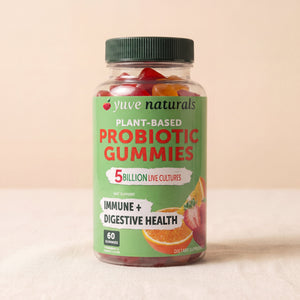
Some probiotic gummies are shelf-stable, while others may have specific temperature instructions. The label should state storage rules, CFU information, and the best-by date. If you choose Yuve Probiotic Gummies, store them according to the bottle directions and keep the container closed between servings.
What is the simplest next step?
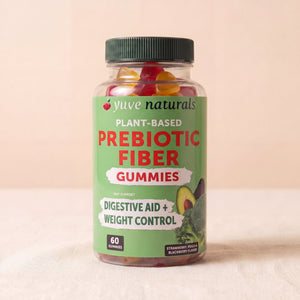
Pick the probiotic timing you can repeat daily, then follow the label for food, serving size, and storage. If you want a plant-based, gelatin-free option that fits a simple digestive routine, Yuve Probiotic Gummies can be part of a consistent wellness habit. For a broader gut-support routine, compare probiotic timing with fiber habits using Yuve’s guide to vegan fiber gummies.