Ever opened a jar of sauerkraut and wondered whether the tangy smell means “delicious” or “dangerous”? Or felt your stomach inflate after a meal and started blaming every bite? Understanding what is fermentation process can make both situations less mysterious. Fermentation explains how microbes transform food, why certain foods become sour or fizzy, and how fermented ingredients can fit into a thoughtful approach to digestion and gut health.
Fermentation Process Explained from Your Kitchen
A jar of cabbage may look quiet on the counter. As time passes, the pieces soften, bubbles move through the brine, and the flavor changes from fresh and vegetal to tangy. Microorganisms cause these changes by using carbohydrates as food and releasing new compounds. The same basic process helps explain why some fermented ingredients may support digestion, while gut microbes ferment certain fibers inside the digestive tract.
Fermentation is a low-oxygen or oxygen-free bioprocess in which microorganisms, including yeast, lactic acid bacteria, and fungi, convert carbohydrates into acids, alcohols, gases, or biomass, as described in this review of fermentation biology. In a kitchen jar, cabbage supplies the raw material. Salt and brine shape the environment, and naturally present or added microbes transform it.

Bubbles do not automatically mean spoilage. Yeast and other microbes may release carbon dioxide, while lactic acid bacteria produce acids that create a sharp, refreshing taste. Softening occurs as plant structure breaks down. A controlled ferment has a deliberate ingredient, method, and environment, with a flavor people expect.
Rotting follows uncontrolled decomposition and may bring unpleasant odors, discoloration, slime, or harmful contaminants. A pleasant sour smell alone cannot confirm safety. Helpful microbes can suppress many unwanted organisms under suitable conditions, but home fermentation still requires clean equipment, appropriate ingredients, and attention to the process. If a batch shows clear spoilage, do not taste it.
The three kitchen work crews
- Lactic acid bacteria produce acids that make foods tart and lower their pH.
- Yeast can produce alcohol and carbon dioxide, helping bread rise and creating bubbles in some drinks.
- Molds participate in selected fermentations, including certain ripened foods.
Fermentation has shaped human food culture for thousands of years. Archaeological and historical evidence places early use for alcoholic beverages and foods as far back as 10,000 B.C.E. in the Fertile Crescent. Evidence of fermented bread, wine, and beer appears by around 5,000 B.C.E. Historical and scientific evidence also describes winemaking in Georgia about 8,000 years ago, along with fermentation in ancient Egypt, Babylon, and pre-Hispanic Mexico.
The same principles apply to vegan supplements that use fermented ingredients. Microbes can transform plant-based materials and produce acids or other compounds, although fermentation does not make every product automatically suitable for every digestive system. For a practical example of managing ingredients, microbes, temperature, and timing, see these craft brewer fermentation tips.
The Biochemistry Behind the Bubbles
Fermentation becomes easier to understand if you treat glucose like a small battery. It contains chemical energy, and a microbe wants to release enough of that energy to keep growing and carrying out its normal work.
The pathway starts with glycolysis:
- Glucose enters the cell. The microbe uses enzymes to begin breaking the sugar apart.
- Glycolysis splits one glucose molecule into two pyruvate molecules. This first stage releases a modest amount of energy, captured in ATP.
- The cell reaches a fork. If oxygen is limited, the cell can't rely on oxygen-dependent energy pathways in the usual way.
- Fermentation restores NAD+. The microbe transfers electrons onto pyruvate or a related molecule, allowing glycolysis to continue.

In lactic acid fermentation, organisms such as Lactobacillus and Streptococcus convert pyruvate into lactate. The food becomes more acidic, which creates the familiar tang of yogurt, sauerkraut, and other lactic ferments. In alcoholic fermentation, Saccharomyces yeast converts pyruvate into ethanol and carbon dioxide. That carbon dioxide can collect as bubbles in a drink or inflate the dough structure in bread.
The reaction isn't just a flavor trick. As acids accumulate, the pH falls. This increasingly acidic environment can inhibit many competing spoilage organisms and helps explain why fermented foods may become more microbiologically stable than their original ingredients. Fermentation process control also depends on feedstock composition, sterilization, inoculum quality, oxygen, temperature, and other bioreactor conditions.
Kitchen translation: The bubble is the visible clue. The real work is happening inside microbial cells as they keep their energy pathway running.
Your digestive tract also contains microbes that transform carbohydrates into organic acids. Short-chain fatty acids produced in the colon arise from microbial metabolism, although the exact pathways and end products differ from the jar on your counter. That connection matters because gut health depends not only on which microbes are present, but also on what they produce from the food reaching them.
For a simple explanation of live cultures and why they matter, explore what live cultures are.
Main Types of Fermentation and Their Microbes
The word fermentation covers several pathways. The easiest way to tell them apart is to ask three questions: Which microbes are active? What do they produce? Where do we encounter them?
Comparing the Three Main Fermentation Pathways
| Fermentation Type | Key Microbes | End Products | Example Foods |
|---|---|---|---|
| Lactic acid fermentation | Lactobacillus, Streptococcus, Leuconostoc, related lactic acid bacteria | Lactic acid, and sometimes other acids or gases | Sauerkraut, kimchi, yogurt, sourdough starter |
| Alcoholic fermentation | Saccharomyces cerevisiae and other yeasts | Ethanol and carbon dioxide | Beer, wine, bread, yeast-driven kombucha phase |
| Acetic acid fermentation | Acetobacter and Gluconobacter | Acetic acid from a prior alcohol | Apple cider vinegar, traditional balsamic vinegar, secondary kombucha phase |
Lactic acid fermentation is the familiar souring pathway. In sauerkraut, Leuconostoc mesenteroides can begin the process and release carbon dioxide along with lactic and acetic acids. As the acidity rises, less desirable microbes face a more difficult environment. Lactic acid bacteria also drive the transformation of milk into yogurt and contribute to the tart character of kimchi, cultured vegetables, and some plant-based yogurts.
Alcoholic fermentation depends heavily on yeast. Saccharomyces cerevisiae consumes sugars and produces ethanol plus carbon dioxide. Brewers use the alcohol for beer, winemakers use it for wine, and bakers use the gas to create an airy crumb. Kombucha can include a yeast-driven stage before other organisms turn some of the alcohol into acids.
Acetic acid fermentation follows a different handoff. Acetobacter and Gluconobacter use oxygen to convert ethanol into acetic acid, the compound that gives vinegar its sharp bite. This pathway can transform wine or cider into vinegar and can contribute to the later acidic phase of kombucha.
Kefir and kombucha show why real foods don't always fit into a single neat box. They can contain communities of bacteria and yeast that work sequentially or together. The result is a combination of acids, gases, aroma compounds, and other metabolites rather than one isolated product.
That variety is useful for your palate and your plate. Different fermented foods bring different textures and flavors, but fermented doesn't automatically mean probiotic, and the final product may not contain live cultures if it has been heat-treated.
From Kitchen Jar to Industrial Bioreactor
A jar of fermenting vegetables and a commercial tank follow the same biological sequence. Microbes receive food, grow in a chosen environment, make useful compounds, and leave a mixture that must be separated and processed. The scale changes the tools, not the basic metabolism.
At home, that sequence may look like this:
- Prepare the substrate: Chop cabbage, cook grains, or make a sweet liquid suited to the selected culture.
- Clean the vessel: Sanitation limits unwanted organisms that could compete with the intended microbes.
- Add or encourage a culture: A starter supplies selected microbes, while some traditional methods depend on organisms already on the ingredients.
- Control the environment: Salt, temperature, oxygen exposure, and time influence which microbes thrive.
- Monitor the batch: Bubbles, aroma, texture, and acidity offer clues about progress.
- Finish the food: Refrigeration, straining, drying, or another preservation step slows microbial activity.

What changes at production scale
Industrial teams identify the strain and prepare the feedstock before inoculation. They may sterilize or pasteurize the substrate, add a measured starter, and use sensors to regulate temperature, pH, agitation, oxygen, and nutrients. Production is organized into stages such as upstream preparation, inoculation, growth, product formation, and downstream harvest or purification.
The target product determines the bioreactor setup. One process may collect microbial biomass. Another may produce a compound released into the liquid, recover a product held inside cells, or convert one substrate into another. After production reaches its intended stage, manufacturers remove cells and solids, then purify, concentrate, dry, or package the result.
These controlled systems supply yogurt cultures, vinegar, soy foods, enzymes, vitamins, organic acids, and selected ingredients for plant-based supplements. Precision fermentation applies the same microbial principle with selected strains, metabolic engineering, process monitoring, and tightly managed production. The result can be a specific ingredient rather than a whole fermented food.
Your kitchen jar cannot provide those validated controls. A pleasantly sour batch may still have unsafe acidity, contamination, or a recipe mismatch. Smell alone is not a safety test. It is like judging a cake by its aroma without checking whether the center has cooked. That boundary matters for gut-health foods and vegan supplements alike, because microbial activity can support digestion-related ingredients, while poor process control can create a product that should not be consumed.
Everyday Fermented Foods You Probably Eat
You may already eat fermented foods without using the word. Yogurt at breakfast, sourdough toast, kimchi with rice, vinegar in a salad dressing, and a chilled plant-based yogurt can all reflect microbial transformation.
Common Fermented Foods by Process
| Fermentation Type | Typical Microbes | Common Foods | Defining End Product |
|---|---|---|---|
| Lactic acid fermentation | Lactobacillus, Lactococcus, Leuconostoc, related bacteria | Yogurt, kefir, sauerkraut, kimchi, pickles, plant-based yogurt | Lactic acid |
| Alcoholic fermentation | Saccharomyces yeast | Beer, wine, bread starters, part of kombucha production | Ethanol and carbon dioxide |
| Acetic acid fermentation | Acetobacter, Gluconobacter | Apple cider vinegar, traditional balsamic, vinegar from wine or cider | Acetic acid |
Lactic ferments often taste tart because bacteria convert available sugars into lactic acid. In vegetables, that acidity helps inhibit many unwanted organisms. In cultured dairy and plant-based alternatives, it also changes thickness, aroma, and mouthfeel.
Yeast gives bread its lift and contributes to the character of beer and wine. During alcoholic fermentation, carbon dioxide creates gas pockets, while ethanol remains in the liquid or evaporates during baking. Vinegar represents a later transformation, where oxygen-dependent bacteria convert alcohol into acetic acid.
Some cheeses demonstrate another side of fermentation. Fungi can grow on or within selected cheeses, creating distinctive surfaces, textures, and flavors. That doesn't mean every mold is welcome. Food makers choose particular cultures and manage the environment carefully.
A few practical checks can keep your choices grounded:
- Read the label: Fermented foods can contain added sugar, substantial sodium, or ingredients that don't suit your needs.
- Check storage directions: Refrigeration instructions can indicate that a product is intended to retain live cultures or remain stable after opening.
- Look for live-culture information: A fermented food may be heat-treated, so it won't necessarily deliver live microorganisms when eaten.
- Match your tolerance: A food can be traditionally fermented and still trigger symptoms for an individual with food sensitivities or digestive conditions.
If you're curious about specialty ingredients and want to buy fermented resveratrol online, review the product details, dietary fit, and intended use rather than assuming that the word “fermented” tells you everything.
For a closer look at the difference between fermented foods and foods that still contain active cultures, read fermented foods with live cultures. That distinction helps you build a gut-friendly pattern without treating every sour or cultured product as interchangeable.
Fermentation Safety Myths and pH Truths
A sealed jar isn't automatically a safe jar. Low-oxygen conditions support some useful fermentation pathways, but they can also create an environment where harmful organisms grow if the recipe, acidity, sanitation, or timing is wrong.
Home fermentation depends on clean equipment, fresh ingredients, appropriate salt, controlled temperature, and sufficient time. Keep vegetables fully submerged under brine, use a suitable weight or lid, and avoid dipping a used utensil into the batch before returning it to the jar.

Why pH matters more than a dramatic fizz
A commonly used safety benchmark is pH 4.6 or lower, because Clostridium botulinum won't grow and produce toxin below that level, according to this food-safety explanation of pH in lactic fermentation. Another public extension guide advises that fermented foods reach pH 4.6 or less within the allotted time, with dairy fermentations reaching that level within 48 hours under its guidance, as explained in safe home fermentation guidance.
Those benchmarks don't turn every recipe into a do-it-yourself experiment. The exact target depends on the food and the validated method. Use the instructions for the specific recipe, and measure acidity with an appropriate pH tool when the method calls for it.
Safety boundary: Smell and bubbles can support your observations, but they can't replace a validated recipe, hygienic handling, and acidity testing when safety depends on pH.
Discard a batch with fuzzy growth, a putrid smell, unexpected color, sliminess that doesn't belong, or damaged packaging. Don't taste questionable food to “see if it's okay.” Commercial products can offer more consistent control, especially for pregnant people, immunocompromised individuals, older adults, or anyone caring for a person with reduced immune protection.
Public-health guidance continues to emphasize sanitation, temperature, and time as central parts of safe fermentation. This 2025 food-safety resource for public-health practitioners is a useful reminder that popularity doesn't remove the need for careful technique.
Fermentation and Your Gut Health Connection
Fermented foods can bring more than a sour flavor to a meal. Depending on the product and how it's processed, they may provide live microorganisms, organic acids, peptides, and other compounds created during microbial activity. Those components interact with the food itself and with the microbes already living in your digestive tract.
That interaction is usually better understood as exposure and support, not a guarantee that a new organism permanently settles in your intestines. Some microbes may pass through or remain temporarily, while their metabolic products can still influence the surrounding environment. The food matrix matters too. A cultured vegetable with fiber offers a different combination of nutrients than a filtered or heat-treated fermented drink.
Pair microbes with the fuel they use
Your gut microbes need fermentable material. Vegan sources such as legumes, oats, and resistant starch can supply carbohydrates that reach the colon, where resident microbes convert them into organic acids, including short-chain fatty acids. Butyrate is one short-chain fatty acid associated with colon-cell energy and the intestinal environment.
A useful eating pattern pairs variety, fiber, and fermented foods instead of relying on one “magic” item:
- Add a small serving of sauerkraut or kimchi alongside a meal.
- Choose unsweetened cultured plant-based yogurt when it fits your dietary needs.
- Rotate fiber sources such as oats, lentils, beans, and cooled starches.
- Increase unfamiliar high-fiber foods gradually if bloating is already a problem.
Some people notice more gas when they increase prebiotic foods quickly. That doesn't automatically mean the food is harmful, but it can mean your gut microbes are processing a larger supply of fermentable carbohydrate. These gut health tips about prebiotics and gas can help you adjust more comfortably.
I don't think you need to force a giant serving of fermented vegetables or overhaul your entire diet overnight. If bloating, pain, diarrhea, constipation, or food fear keeps interfering with daily life, work with a qualified clinician rather than trying to diagnose the cause through elimination alone.
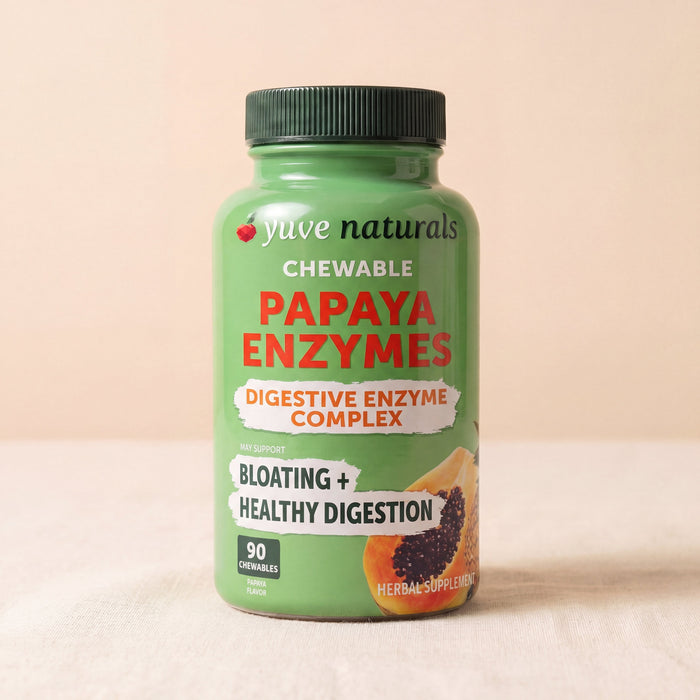
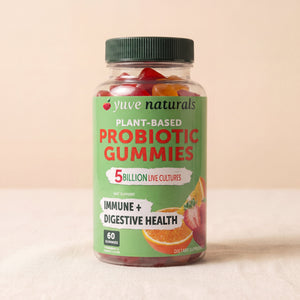
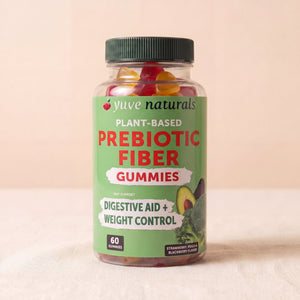
Yuve's plant-based supplement range includes probiotics, prebiotics, and digestive-support products for people who want vegan-friendly options alongside food-based habits. Supplements aren't a substitute for a varied diet or medical care, but a clearly labeled product can make a consistent routine easier when it fits your needs.
Small win: Pick one fermented food you tolerate, pair it with a familiar fiber source, and pay attention to your symptoms without turning every meal into a test.
Yuve offers plant-based digestive support, including probiotics, prebiotics, and gut-health products that fit a vegan-friendly routine. Visit Yuve to explore the available options, then choose one practical fermentation and fiber habit to try this week.