The most important thing to know about store-bought probiotics is that the label matters more than the hype. A useful product names its organisms clearly, explains storage and expiration, and fits the reason you are buying it. A random high-CFU bottle without strain detail is not automatically the smarter choice.
How did we evaluate store-bought probiotics?
We prioritized label quality, stability, and routine fit over broad wellness promises. We used the NIH Office of Dietary Supplements probiotic fact sheet, ISAPP guidance on probiotic stability, a peer-reviewed shelf-life paper in Microorganisms, and Harvard Health as core references. We looked first at whether a shopper can tell what organism is present, whether the product appears stable through shelf life, and whether the format fits daily use. We excluded vague “gut reset” language because it usually hides the details that actually matter at the store shelf.
What should you check on a probiotic label before buying?
Start with identity, then move to storage. The NIH Office of Dietary Supplements notes that probiotic organisms should be identified by genus, species, and strain designation, because strain-level identity is the part most closely tied to specific evidence. A label that only says “probiotic blend” tells you less than one that names organisms clearly. Next, check whether the CFU count is stated through expiration or only at manufacture. ISAPP explains that live microorganisms can lose viability over time, which is why storage conditions and shelf-life claims matter. Finally, check format. A perfectly designed capsule still fails if you never take it. The smartest store-bought choice is the product whose identity, stability instructions, and daily format all make sense together.
How do common store-bought probiotic options compare?
Some links below are affiliate links. This does not influence our evaluation criteria or recommendations.
| Option | Main strength | Best fit | Main watch-out |
|---|---|---|---|
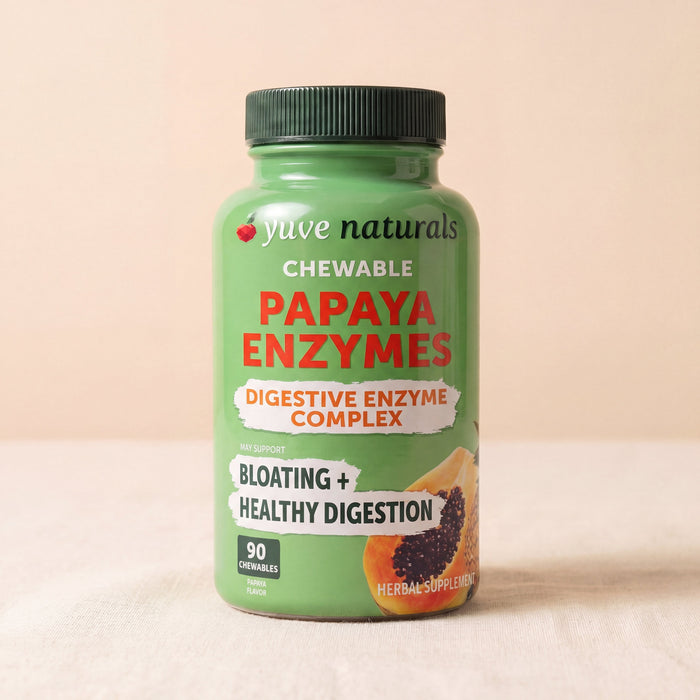
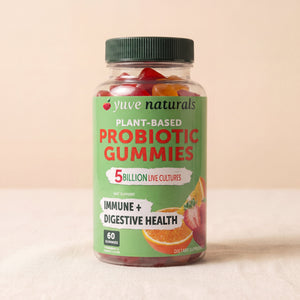
| Yuve Probiotic Gummies | Low-friction gummy format for everyday use | People who dislike capsules and care most about consistency | Still needs label review, serving check, and routine use |
| Culturelle Digestive Daily | Recognizable strain-specific positioning around Lactobacillus rhamnosus GG | Shoppers who want a familiar single-strain capsule comparison | Capsule format can reduce adherence for some people |
| Align | Simple product identity with a well-known branded probiotic position | Shoppers who want a straightforward shelf product to compare | Brand familiarity is not the same thing as universal fit |
| Refrigerated multi-strain probiotic | Can signal a stability strategy for some organisms | People willing to follow stricter storage instructions | Cold-chain handling becomes part of product quality |
The better store-bought probiotic is not always the strongest-looking bottle. It is the one you can understand, store correctly, and use consistently.
What mistakes do shoppers make with store-bought probiotics?
The biggest mistake is shopping by CFU alone. Higher numbers look impressive, but the Microorganisms shelf-life paper shows that viability is more complicated than a single front-label count. A second mistake is ignoring storage and expiration. Live organisms are not magic. Temperature, moisture, packaging, and time all matter. A third mistake is expecting every probiotic to answer every digestive question. Harvard Health points out that probiotic use is context-specific, not one-size-fits-all. A fourth mistake is buying a format you already know you will skip. For some people, gummies or chewables are more realistic than capsules. For others, a capsule feels simpler. The useful purchase is the one that matches your reason for buying, your label tolerance, and your actual daily habits.
What questions come up most often about store-bought probiotics?

Is a shelf-stable probiotic worse than a refrigerated one?
Not automatically. Shelf stability can be a valid design choice, but storage instructions still need to be followed exactly.
Does more CFU mean a better probiotic?
No. CFU is only one part of the picture. Strain identity, shelf-life stability, and fit matter just as much.
Should you buy a probiotic just because the store stocks it everywhere?
Convenience helps, but shelf presence is not proof of better fit. The label still deserves a hard look.
Are gummies a serious option or just a marketing format?
They can be a serious option when adherence is the main barrier. A format you actually use is often more informative than a “perfect” format you skip.
What should you check after strain names?
Check expiration language, storage instructions, and serving size. Those details show whether the product is designed for real-world shelf life.
What is the best first rule when shopping?
Buy the clearest label, not the loudest promise. Clarity usually beats hype in this category.
Store-bought probiotics are easier to judge when you ignore the drama and read the label like a grown-up. The best product is the one with clear organism identity, believable storage instructions, and a format you will actually use long enough to evaluate.