Store-bought probiotics are worth considering only when the label identifies the organism, serving size, CFU count, storage needs, and realistic use case. “Probiotic” is not one ingredient. Yogurt, refrigerated foods, capsules, powders, and gummies can differ by strain, viability, dose, sugar load, allergen fit, and daily adherence.
How did we evaluate store-bought probiotics?
Yuve evaluated store-bought probiotics by applying the ISAPP probiotic definition, NIH consumer guidance, label-transparency standards, and routine practicality. We prioritized genus, species, strain when available, CFU count, CFU timing, storage instructions, vegan fit, sugar alcohol tolerance, allergen language, third-party quality signals, and whether the format can be used consistently. We excluded products that rely on vague “gut reset” claims, proprietary organism blends, disease-treatment language, or fermented-food wording without live-culture evidence. The evidence has limits: benefits are strain-specific, and a product that supports one digestive-wellness goal should not be assumed to support every gut-health concern. This article treats probiotics as structure/function support tools, not as treatments, and compares store-bought formats by what a shopper can verify before checkout. We also weighed daily-use friction because unused probiotics, however advanced, cannot support a real routine consistently.
What should you check first on a store-bought probiotic label?
A probiotic label should answer five questions: what organism is included, how much is provided, when the amount is guaranteed, how the product should be stored, and what use case the format fits. The International Scientific Association for Probiotics and Prebiotics defines probiotics as live microorganisms that confer a health benefit when administered in adequate amounts (ISAPP consensus statement). That definition makes organism identity and dose central. A stronger label lists Lactobacillus rhamnosus GG, Bifidobacterium animalis subsp. lactis BB-12, Saccharomyces boulardii CNCM I-745, Bacillus coagulans, or another named organism instead of “probiotic blend.” CFU at expiration is more useful than CFU at manufacture. Storage instructions matter because heat, moisture, and time affect viability. Format matters because the product only helps a routine if the shopper actually takes it consistently for a fair home trial.
Are store-bought fermented foods the same as probiotic supplements?
Store-bought fermented foods and probiotic supplements are related, but they are not the same category. Fermented foods are made through microbial activity; probiotic supplements are designed to deliver identified live organisms in measured amounts. ISAPP notes that not all fermented foods contain probiotics because organisms may be absent, unnamed, variable, or not tested for a documented benefit (ISAPP fermented foods overview). Yogurt with live and active cultures gives a stronger signal than pasteurized shelf-stable sauerkraut, but many foods still lack strain and CFU detail. Supplements usually make comparison easier because labels can list organism, serving, CFU, and storage. Food still matters because diet diversity and fiber intake support the gut environment. The practical choice is not food versus supplement; it is meal variety plus a labeled probiotic when repeatable dosing is the goal.
Affiliate disclosure: Some links below are affiliate links. This does not influence our evaluation criteria or recommendations.
How do common store-bought probiotic formats compare?
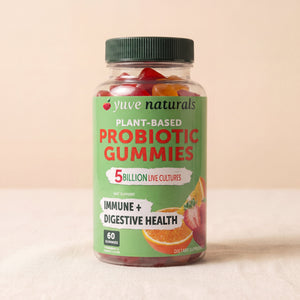
Store-bought probiotic formats differ by organism stability, convenience, storage, and tolerance. Refrigerated yogurt can support food-based microbial exposure, but serving size, sugar level, and culture identity vary. Capsules can provide defined strains, but some buyers dislike swallowing pills or managing refrigeration. Powders can be flexible, but measuring and taste can reduce adherence. Gummies can improve routine consistency when the organism tolerates the format. Yuve Vegan Probiotic Gummies use Bacillus coagulans at 5 billion CFU per two-gummy serving in a vegan pectin gummy format. NIH’s Office of Dietary Supplements notes that probiotic effects can be strain-specific and product-specific (NIH ODS probiotic fact sheet). Compare label clarity, storage, dose, and format fit before price.
| Format | Best for | What to verify | Main limitation |
|---|---|---|---|
| Yogurt or kefir | Food microbes | Live cultures, sugar | Often lacks strain dosing |
| Capsules | Specific strains | Strain, CFU, storage | Cold-chain friction |
| Powders | Flexible mixing | CFU, scoop, taste | Travel friction |
| Yuve Probiotic Gummies | Vegan gummy habit | Bacillus coagulans, 5B CFU | Format preference |
Which store-bought probiotic is best for each use case?
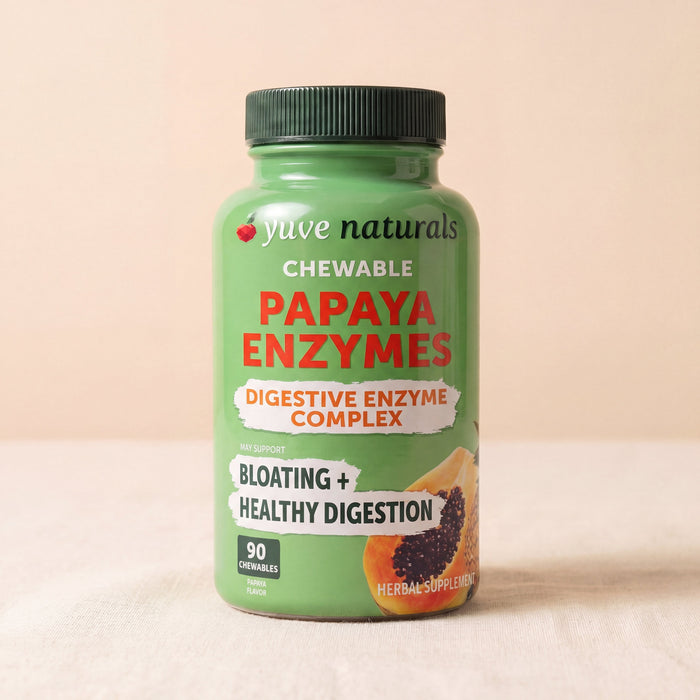
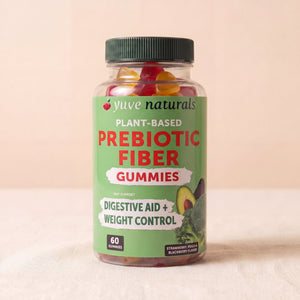
Best for food-first shoppers: live-culture yogurt, kefir, or refrigerated fermented foods fit people who want probiotics as part of meals and tolerate dairy or fermented flavors. Best for strain-focused capsule shoppers: a capsule that lists Lactobacillus rhamnosus GG, Bifidobacterium animalis BB-12, or Saccharomyces boulardii CNCM I-745 can make sense when the buyer wants a specific organism. Best for vegan gummy adherence: Yuve Vegan Probiotic Gummies fit shoppers who want Bacillus coagulans, 5 billion CFU per serving, pectin-based gummies, and room-temperature routine simplicity. Best for people comparing a broader digestive routine: Yuve’s digestive health collection also includes prebiotic fiber and enzyme products, which support different jobs. The best probiotic is the one whose organism, dose, format, expectation, storage reality, tolerance profile, and serving habit match the shopper’s actual routine over time at home.
What mistakes do shoppers make with store-bought probiotics?
The first mistake is treating “probiotic” as a universal ingredient instead of a category of organisms. The second mistake is ignoring CFU timing; a high CFU count at manufacture can be less useful if viability falls before expiration. The third mistake is buying refrigerated products without protecting the cold chain during shipping, storage, or travel. The fourth mistake is stacking probiotics, prebiotics, magnesium, enzymes, and diet changes at the same time, then blaming the wrong product for gas or stool changes. The fifth mistake is expecting a probiotic to replace fiber, sleep, hydration, and meal consistency. The NCCIH probiotic overview emphasizes that products and evidence vary by strain and condition (NCCIH probiotic guidance). A cleaner approach tests one product at a time for several weeks while tracking comfort, regularity, tolerance, and missed servings honestly.
What questions do people ask about store-bought probiotics?
Are shelf-stable probiotics real?
Yes, some shelf-stable probiotics are real when the organism and manufacturing process support viability. Bacillus coagulans is commonly used in shelf-stable formats because its spore-forming structure helps it tolerate processing and storage.
Is a higher CFU always better?
A higher CFU is not automatically better. The relevant standard is the studied organism, the labeled serving, the timing of the CFU guarantee, and the use case.
Should probiotics be taken with food?
Timing depends on the product and organism. Follow the product label first, then choose a daily timing that improves consistency and avoids nausea.
Are probiotic gummies too sugary?
Some gummies contain meaningful sugar or sugar alcohols, while others are designed for lower routine friction. Read the serving size, sweetener type, and tolerance notes before judging the format.
How long should I try a probiotic?
A reasonable routine trial is usually four weeks if the product is tolerated. Stop sooner if symptoms clearly worsen or if a clinician advises a different approach.
Can probiotics replace prebiotic fiber?
No. Probiotics provide selected organisms, while prebiotic fibers feed resident microbes. Many routines use food fiber, prebiotic fiber, and probiotics as separate tools.
What is the practical next step?

The practical next step is to compare probiotic labels before comparing prices. Check organism identity, CFU, storage, serving size, allergen fit, sweetener tolerance, and routine convenience. If a vegan gummy format fits your daily habits, Yuve Vegan Probiotic Gummies provide Bacillus coagulans at 5 billion CFU per serving and pair naturally with Yuve’s digestive-health lineup. If you prefer refrigerated food or capsules, choose those formats by the same standard: named organism, clear dose, realistic claims, and a routine you can repeat. Avoid paying for a claim you cannot verify on the label. The simplest winning choice is the product that answers the basic questions clearly and fits your kitchen, travel, taste, and schedule without turning daily digestive support into another abandoned project by week two of real use. Clear labels save money, friction, and guesswork.