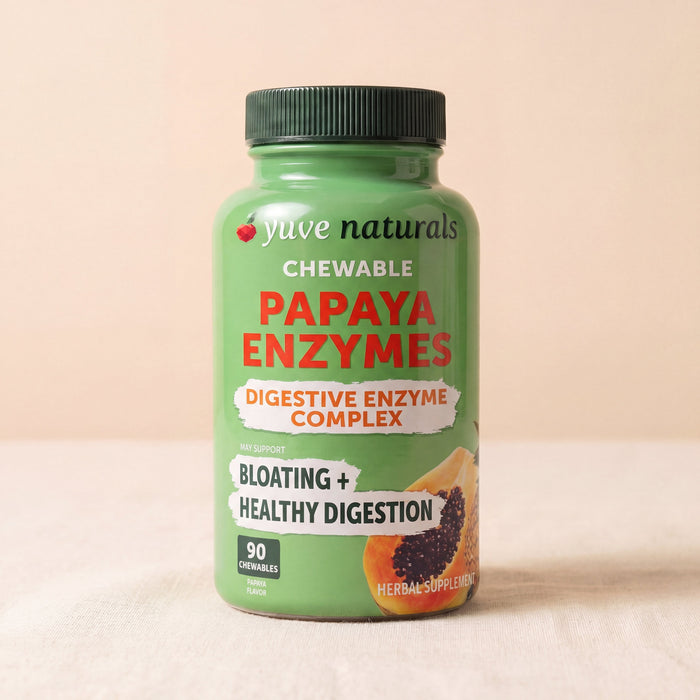
Look for a supplement with clearly listed ingredients, meaningful serving amounts, independent quality verification, and directions that fit your routine. Check allergen statements, dietary certifications, other ingredients, and manufacturer contact details. Avoid relying on vague claims or label design. Confirm that the ingredient and dose suit your needs with a qualified healthcare professional.
TL;DR
- Start with a specific wellness goal and evidence-backed ingredient.
- Read the Supplement Facts panel by serving, not by capsule or gummy.
- Prefer transparent amounts over proprietary blends.
- Seek credible independent certification when quality is a priority.
- Review interactions, allergens, and upper intake limits before use.
What is a dietary supplement?
A dietary supplement is an oral product intended to add ingredients such as vitamins, minerals, herbs, amino acids, enzymes, or probiotics to a person’s diet. Under the Dietary Supplement Health and Education Act, supplements occupy a regulatory category distinct from conventional foods and medicines. The FDA explains that manufacturers generally hold responsibility for product safety and labeling before marketing.
A Supplement Facts panel identifies active ingredients, serving size, and quantities where established measurements apply. An ingredient list identifies components such as flavors, sweeteners, capsule materials, and processing aids. These two areas answer different questions, so read both.
Terms such as “natural” or “clean” do not replace ingredient-level review. Our guide to clean-label meaning for supplements explains which label details offer useful information and which terms require more context.
How we evaluated supplement labels and quality signals
We prioritized FDA labeling guidance, NIH consumer resources, and independent certification standards. Human systematic reviews and controlled trials received more weight than animal research, laboratory findings, testimonials, or manufacturer summaries. We assessed labels according to ingredient identity, amount per serving, quality verification, dietary fit, and practical usability.
No single seal establishes that a supplement will deliver a particular result for every person. Independent programs can test specific attributes, including ingredient identity, contaminants, or manufacturing controls, but each program uses its own scope and standards. Evidence also varies by ingredient, chemical form, dose, population, and outcome.
This framework therefore separates three questions: Does the label clearly identify the contents? Does credible verification support stated quality attributes? Does the formula make sense for the individual? A healthcare professional can help answer the third question when medications, pregnancy, surgery, chronic conditions, or high-dose nutrients are involved.
How do supplements interact with the body?
A supplement delivers one or more dietary ingredients through a measured serving. Digestion releases many ingredients from the tablet, capsule, powder, or gummy matrix. Absorption then moves available compounds through the intestinal lining, while metabolism and excretion influence how long those compounds remain available. Chemical form, meal timing, dose, and individual physiology can affect this process.
Different categories work through different pathways. Lactase acts within the digestive tract on lactose. Prebiotic fiber provides substrate for certain gut microorganisms. Probiotic effects depend on the identified genus, species, and strain rather than the word “probiotic” alone. Vitamins and minerals participate in established physiological functions, but additional intake is not automatically useful when dietary intake is already sufficient.
The NIH Office of Dietary Supplements publishes ingredient-specific fact sheets covering functions, recommended amounts, interactions, and safety considerations. These references provide better context than front-label promises.
What are the practical benefits and uses of supplements?
Supplements can fill identified dietary gaps, provide a convenient format, or support a targeted routine. The appropriate use depends on the ingredient, amount, evidence, and individual context. A label should make that evaluation possible rather than asking the buyer to trust a broad wellness phrase.
- Nutrient adequacy: A vitamin or mineral may help support adequate intake when food intake falls short.
- Digestive support: Lactase may help digest lactose, while prebiotic fiber supports gut flora through fermentation.
- Dietary alignment: Vegan vitamin D, algae-derived omega-3, and gelatin-free formats may suit specific preferences.
- Routine consistency: Gummies, powders, or capsules can make regular use easier for different people.
- Targeted supplementation: Laboratory results or professional guidance may identify a reason to consider a particular nutrient.
Evidence remains ingredient-specific. A Cochrane review of vitamin and mineral supplementation illustrates why broad category claims should not replace evaluation of distinct formulations and outcomes.
How should you choose a supplement?
Choose a supplement by matching a defined goal to a specific ingredient, usable dose, credible quality signal, and realistic format. Use this checklist before buying:
- [ ] Purpose: Write down the precise nutritional or routine need.
- [ ] Ingredient identity: Look for full names, chemical forms, or probiotic strain codes.
- [ ] Amount per serving: Compare the stated serving with evidence and professional guidance.
- [ ] Serving size: Note how many capsules, scoops, or gummies provide the listed amount.
- [ ] Transparency: Prefer disclosed quantities rather than an unexplained proprietary blend.
- [ ] Quality verification: Check what a named independent certifier actually evaluates.
- [ ] Dietary fit: Confirm allergens, gelatin, gluten, soy, sweeteners, and animal-derived components.
- [ ] Usability: Consider swallowing, flavor, storage, travel, and daily frequency.
- [ ] Warnings: Review age limits, pregnancy guidance, medication cautions, and surgery instructions.
- [ ] Traceability: Look for a lot number, expiration date, manufacturer identity, and contact details.
For deeper verification criteria, consult the third-party-tested supplements buying guide.
What should you watch for on the label?
The Supplement Facts panel deserves more attention than the front label. Check whether quantities refer to one unit or the full serving. A bottle may highlight an ingredient while providing a modest amount per serving or requiring several units daily. Percent Daily Value provides context for many nutrients, but it does not measure expected personal benefit.
Inspect “other ingredients” for capsule shells, binders, colors, flavors, oils, and sweeteners. People following plant-based routines should verify gelatin-free or vegan status instead of inferring it from imagery. People comparing gummies and capsules should also account for serving size, sugars, texture, and storage. The guide to gummy vitamins and pills examines those tradeoffs.
Use extra care with proprietary blends and unusually high amounts. The NIH dietary supplement fact sheets list tolerable upper intake levels and documented interactions where established.
How do common supplement quality signals compare?
No single label feature answers every quality question. Supplement Facts support transparency, independent certification can verify defined attributes, and dietary labels indicate suitability. These signals complement rather than substitute for one another.
| Quality signal | What it can tell you | What it cannot establish alone |
|---|---|---|
| Supplement Facts panel | Serving size, active ingredients, and declared amounts | Independent confirmation of every claim |
| Independent certification | Verification against a named program’s testing standards | A guaranteed personal outcome |
| Vegan or gelatin-free label | Compatibility with specified dietary preferences | Ingredient potency or suitability for everyone |
| Non-GMO certification | Compliance with a defined sourcing standard | Overall formula quality or usefulness |
| Expiration date and lot code | Basic shelf-life guidance and batch traceability | Correct storage after purchase |
The strongest label combines transparent amounts, relevant warnings, traceability, and verifiable standards. Buyers should also confirm whether a certification applies to the finished product or only to a facility or ingredient.
FAQ
What is the first thing to check on a supplement label?
Start with the serving size and active ingredients in the Supplement Facts panel. Confirm how many capsules, scoops, or gummies provide the listed amount. Then inspect the other-ingredients list for allergens, gelatin, sweeteners, colors, and components that may conflict with your dietary preferences.
Does third-party testing mean a supplement works?
No. Independent testing can verify selected attributes such as identity, declared strength, contaminants, or manufacturing standards, depending on the program. It does not establish that the formula suits your needs or will produce a particular outcome. Review the certifier’s scope rather than relying only on a seal.
Are proprietary blends always a bad choice?
A proprietary blend is not automatically poor quality, but it limits dose transparency when only the total blend amount appears. That makes comparison and evidence review harder. Prefer formulas that state each ingredient’s quantity, especially when research, upper intake limits, medication interactions, or professional recommendations involve specific amounts.
Is a higher dose better?
A higher dose is not inherently more useful. Nutrient needs, absorption, interactions, and upper intake levels vary. Large amounts can add cost or create avoidable safety concerns. Compare the serving with the NIH ingredient fact sheet and ask a qualified healthcare professional about high-dose products.
Are gummies as reliable as capsules?
Format alone does not determine quality. Gummies may be easier to use consistently, while capsules may contain different amounts or fewer sweeteners. Compare active ingredients, serving size, storage instructions, independent verification, and other ingredients. A clearly labeled gummy can be a practical option when its formula fits the user’s needs.
Can supplements interact with medications?
Yes. Some dietary ingredients can interact with prescription medicines, nonprescription products, laboratory tests, or surgical care. The FDA advises consumers to discuss supplement use with a healthcare professional, particularly before combining products or undergoing a procedure. Keep an updated list of everything you take.
What is the simplest next step?
Choose one goal, then compare labels using ingredient identity, amount per serving, independent verification, dietary fit, and usability. A complicated routine is not automatically a better one. For plant-based formats, compare the complete labels and serving directions for probiotic gummies and prebiotic fiber gummies before deciding whether either fits your routine.