Meta title: Wild Oregano Drops for Gut Health and Immunity
Meta description: Learn what wild oregano drops are, how carvacrol and thymol work, why results may take time, and how to use oregano oil safely with realistic expectations.
That stubborn bloat after lunch. The scratchy throat that makes you wonder if you're coming down with something again. The feeling that you're trying all the “healthy” things and your body is still giving you mixed signals.
That's usually when wild oregano drops enter the chat.
A friend mentions them. You spot them in a wellness roundup. Someone online calls them a must-have for gut health or immunity. And if you're already uncomfortable, it's easy to hope this tiny bottle might be the thing that finally helps.
I get the appeal. When your stomach feels touchy or your immune system feels a little run down, you want something simple, natural, and effective. But with wild oregano drops, the smartest approach is not hype. It's understanding what they are, what they can realistically do, and how to use them carefully.
That Lingering Feeling and Whispers of a Natural Remedy
Maya had one of those “I'm over this” afternoons. Her jeans felt tight by mid-day, her stomach was making weird little comments after meals, and she kept hearing the same suggestion from wellness-minded friends: try wild oregano drops.
She wasn't looking for a miracle. She just wanted to know if they were useful or just another supplement people talk about when they're frustrated.
That question makes sense.
A lot of us end up here when we've had a lingering issue that isn't dramatic enough for an emergency, but is annoying enough to shape the whole day. It might be digestive discomfort. It might be a seasonal immune slump. It might be the simple fact that your body feels “off” and you want support that goes beyond wishful thinking.
Wild oregano drops can be interesting and helpful for some people, but they work best when you treat them like a potent tool, not a casual kitchen herb.
That distinction matters. People often hear “oregano” and think of something mild and familiar. But the drops sold for wellness support are concentrated. They deserve more respect than the dried seasoning in your spice drawer.
If you've felt confused by mixed messages, you're not alone. One article makes oregano oil sound like an instant rescue. Another makes it sound scary. The truth lives in the middle. It's more nuanced, and more useful.
Here's the friend-to-friend version: wild oregano drops may support some wellness goals, especially because of the compounds inside them. But they're not magic, and they're definitely not something to eyeball and hope for the best.
What Exactly Are Wild Oregano Drops
The first thing to clear up is simple. Wild oregano drops are not the same as the oregano you sprinkle on pizza.
They come from a concentrated oil extracted from Origanum vulgare. That's why comparing dried oregano leaves to oregano oil is a little like comparing brewed tea to a concentrated espresso shot. Same plant family. Very different strength.

The compounds people care about
The two compounds you'll hear about most are carvacrol and thymol.
A Medical News Today overview of oregano oil notes that wild oregano drops are typically valued for their carvacrol- and thymol-rich essential oil chemistry, because these phenolic compounds are the main drivers of the product's antimicrobial and antifungal activity. That same review-level summary explains that higher carvacrol content is linked with stronger antibacterial effects in lab settings, while thymol contributes to antifungal and membrane-disrupting activity.
In plain English, these compounds are part of the plant's built-in defense system. They help explain why oregano oil gets so much attention in wellness spaces.
Why concentration changes everything
Here, many people get tripped up.
When something comes from a plant, we tend to assume it's automatically gentle. But concentration changes the experience completely. A fresh oregano leaf in a salad is one thing. A concentrated drop of essential oil is another.
That's why labels and formulation matter. Some products are sold as stronger oils that need careful handling. Others are blended or diluted for easier use. The form changes how intense the product feels and how cautiously you need to approach it.
A few smart label checks can help:
- Plant name matters - Look for Origanum vulgare so you know what species you're getting.
- Active compounds matter - Brands often highlight carvacrol because it's one of the key compounds people are seeking.
- Delivery format matters - A straight oil and a pre-diluted blend are not the same experience.
Wild doesn't mean casual
The word “wild” can sound earthy and soft. But in this context, it mostly signals the plant source, not safety.
That's why I think it helps to mentally move wild oregano drops out of the “herb sprinkle” category and into the “concentrated botanical” category. Once you do that, the rest of the choices become clearer.
The Science Corner Exploring the Benefits
What makes people so curious about wild oregano drops? Mostly this: in lab settings, oregano oil looks biologically active.

That means researchers have observed effects that suggest antimicrobial, antifungal, and related activity. This lines up with why carvacrol and thymol get so much attention. These compounds appear able to interfere with unwanted microbes in controlled settings.
What lab findings mean in real life
A little honesty and a little restraint are needed.
A petri dish is not a human body. Your gut, your immune system, your food intake, your stress levels, and your medication history all make real life more complicated than a lab experiment. So while in vitro findings are interesting, they are not the same as a guarantee that you'll feel better right away, or at all.
That doesn't make the research useless. It just changes how we interpret it.
Science translation: Lab evidence can tell us why a compound is promising. It cannot tell us, by itself, exactly how your body will respond.
People often explore oregano oil for two broad reasons:
- Immune support - usually when they want a plant-based tool in their seasonal routine
- Gut support - often when they feel off after meals or are trying to think more intentionally about microbial balance
If you're interested in broader wellness tools around immune support, Yuve also has a helpful read on natural supplements for immune system support.
Where excitement can get ahead of evidence
One of the biggest problems online is that promising lab activity gets translated into huge real-world promises. That leap is where confusion starts.
The more realistic view is this:
- Oregano oil has compounds with meaningful biological activity
- Human experience is more mixed and more personal
- “Powerful” does not automatically mean “fast”
- “Natural” does not automatically mean “risk-free”
A short visual can help connect those dots before you decide whether this tool belongs in your routine.
If you're someone who loves a black-and-white answer, this can feel frustrating. I know. But gut health rarely rewards all-or-nothing thinking. Usually, the best decisions come from holding two truths at once: oregano oil is highly potent, and human outcomes are still more modest and nuanced than marketing likes to admit.
How People Use Wild Oregano Drops in Real Life
Once wild oregano drops leave the lab conversation and land in actual kitchens and medicine cabinets, people usually use them in a few familiar ways.
Some reach for them when they feel a tickle in the throat and want herbal support in a seasonal routine. Others use them when their digestion feels messy and they're trying to take a broader, root-cause approach to gut health. And some people use diluted oregano oil topically for external skin concerns.
The gut health scenario
This is the use case I hear about most.
Think about someone like Sam, Yuve's founder, who knows what it's like to have digestion shape your day. When your stomach feels unpredictable, you start paying attention to anything that might support a better baseline. That's why wild oregano drops get folded into conversations around gut balance, especially when people suspect that things feel “off” beyond one random meal.
For readers who want a wider view of non-prescription gut support options, Yuve's guide to natural remedies for gut health is a useful companion read.
The “I feel something coming on” moment
Another common pattern is using wild oregano drops as part of an immune-support routine.
This usually looks less like “I'm treating an illness” and more like “I want something supportive in my toolkit.” That distinction matters. A wellness supplement is not a substitute for medical care when symptoms are significant, persistent, or worsening.
The topical route
Some people also use oregano oil on the skin, but only when it's diluted appropriately.
That's a big deal. Because oregano oil is concentrated, “natural” doesn't mean “safe to swipe on full strength.” Skin can react strongly, especially if you already run sensitive.
Here are the actual habits that tend to matter most:
- Start gently - If you're new to oregano oil, the strongest possible approach usually isn't the smartest one.
- Take the label seriously - Different formulas are not interchangeable.
- Pay attention to your body - If your stomach or skin gets irritated, that's useful information, not something to push through.
- Use it as part of a plan - Individuals often find greater success when oregano oil is one tool, not the whole strategy.
Some supplements fit into daily life like a multivitamin. Wild oregano drops are different. They ask you to slow down and use intention.
That may not sound glamorous, but it's exactly what makes a concentrated botanical more likely to help than to backfire.
The Honest Truth About Results Safety and Dosing
Let's challenge the biggest myth first. Wild oregano drops are not universally an instant digestive rescue.
That can be disappointing to hear, especially if you bought a bottle because your stomach felt miserable yesterday and you want peace by dinner. But honesty is better than hype.
Why digestive results can take time
Emerging Frontiers in Immunology coverage of 2024-2025 meta-analyses indicates that while carvacrol has potent antimicrobial effects in vitro, human trials show a significant lag in digestive symptom reduction, often 14-21 days, rather than the instant relief many marketing messages imply.
That matters because it changes the expectation from “this should calm my bloating right now” to “this may support a longer process.”

If you think of gut support like tending a garden, this makes more sense. Some tools work like pulling one visible weed. Others work more slowly by changing conditions over time. Oregano oil appears closer to the second category.
Safety is not optional
This is the part I do NOT think should be softened.
Oregano oil is highly concentrated. A WebMD overview on oregano oil safety notes that undiluted essential oil can irritate skin, that topical concentrations above about 1% may cause irritation, and that oral use may cause gastrointestinal side effects and interact with blood thinners or diabetes medications.
That's why more is not better here. Better is better.
A few practical guardrails help:
- Never assume straight oil is fine on skin - Irritation is a known risk.
- Expect possible stomach sensitivity - Especially if your digestion is already reactive.
- Check medications first - Interactions matter, particularly with blood thinners or diabetes medications.
- Follow product-specific directions - One bottle's instructions are not a universal rule for all products.
The dosing mindset that makes sense
I can't give you a universal dosing script because products vary, and the evidence doesn't support one simple formula for every body. But I can give you the mindset that tends to keep people safer.
| Dosing principle | Why it matters |
|---|---|
| Start conservatively | Concentrated oils can feel stronger than expected |
| Use dilution as directed | Potency without proper dilution raises irritation risk |
| Watch for GI changes | Digestive upset can mean the product or amount isn't a fit |
| Ask your clinician when meds are involved | Supplement-drug interactions are not a minor detail |
If a product feels intense, believe that signal. Potent botanicals don't deserve bravado.
The strongest sign of a trustworthy oregano oil routine is not drama. It's careful use, clear expectations, and a willingness to stop if your body says no.
Choosing a Quality Product and Our Smart Strategy
If you decide wild oregano drops are worth trying, quality matters a lot. With a concentrated oil, the difference between a thoughtfully made product and a sloppy one is not trivial.

What to look for on the label
Because oregano oil is a potent bioactive, a quality supplement should show signs of careful formulation. WebMD's safety guidance makes that point indirectly too. Standardized dilution and clear handling are part of what separates a usable product from a reckless one.
Here's what I'd personally look for first:
- The plant identity - Origanum vulgare should be clearly named.
- Compound transparency - A product should help you understand what's in it, especially if it emphasizes carvacrol.
- Third-party testing - Purity and potency matter more when a product is highly concentrated.
- Clear instructions - Vague labels are not charming. They're a red flag.
If you want to get sharper at evaluating supplement quality in general, Yuve's guide to the best third-party tested supplements is worth bookmarking.
The strategy I think makes the most sense
Now, I'll be a little opinionated.
If your main issue is bloating or post-meal discomfort, relying on wild oregano drops alone can set you up for disappointment. Not because oregano oil is useless, but because it may not be the right tool for immediate comfort.
A smarter approach is two-part:
- Use wild oregano drops thoughtfully for longer-term gut support
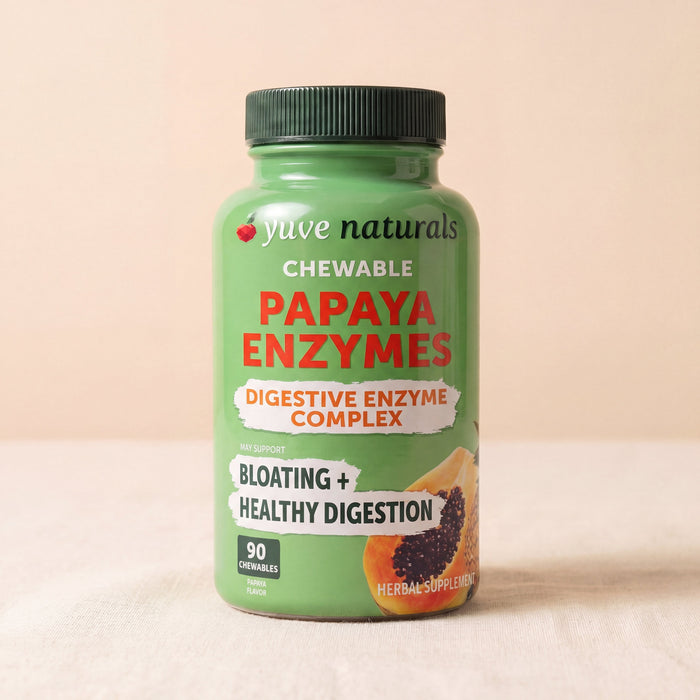
- Use a faster-acting digestive support product for mealtime symptoms
That second piece matters because daily life happens in real time. You deserve support when dinner is tonight, not only when a longer routine may or may not start paying off later.
This is also where ingredient literacy helps across wellness categories. If you enjoy learning how concentrated natural compounds work in different products, this overview of essential clean beauty compounds is a nice reminder that “plant-based” doesn't mean all ingredients behave the same way. Some nourish gently. Some act strongly. Oregano oil belongs in the strong category.
Keep your expectations clean
A quality bottle can't fix a bad expectation.
If you want something that may fit into a broader gut-balancing plan, wild oregano drops can make sense. If you want immediate relief from the heavy, gassy, overfull feeling after a meal, you'll probably need a different kind of support in that moment.
That's not a flaw. It's just matching the tool to the job.
Your Wild Oregano Drops Questions Answered
A few questions come up again and again, especially from people trying to balance natural wellness with common sense.
FAQ Quick Answers
| Question | Answer |
|---|---|
| Are wild oregano drops the same as cooking oregano? | No. The drops are a concentrated oil, not the dried herb you cook with. |
| Can wild oregano drops help right away with bloating? | They may not. Digestive support can take time, so instant relief isn't the most realistic expectation. |
| Can I put oregano oil directly on my skin? | That's not a good idea. Concentrated oregano oil can irritate skin if it isn't properly diluted. |
| Are wild oregano drops vegan? | Many liquid oregano oil products may fit a vegan lifestyle, but you still need to check the full ingredient list and capsule materials if applicable. |
| Should I give wild oregano drops to my child? | This is where caution matters most. There is no pediatric-validated dosing chart, so a doctor should guide that decision. |
| What if I have a sensitive stomach? | Start carefully, follow the product directions, and stop if it causes digestive discomfort. |
The kids question needs a straight answer
When parents ask, “How much is safe for a 4-year-old?” I understand why they want something more concrete.
But the responsible answer is still the cautious one. The European Food Safety Authority reflects the critical gap here: there is no pediatric-validated safety threshold or dosing chart for wild oregano drops in children. Because essential oils are potent and can cause harm if not diluted correctly, consult your doctor is not a brush-off. It's the only responsible advice.
If your digestion is sensitive
If your stomach tends to react to everything, don't treat wild oregano drops like a challenge to conquer.
Gentler is smarter when your gut is already on edge.
Read the label. Keep your expectations grounded. And if you're taking medications or managing a health condition, bring your clinician into the conversation early.
You don't need to be fearful. You just need to be thoughtful.
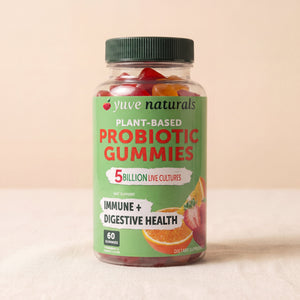
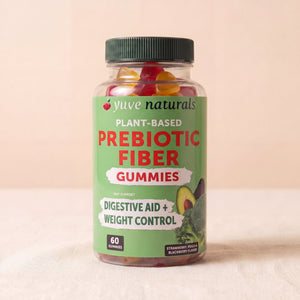
If you want gut support that feels practical, not extreme, take a look at Yuve. Their vegan formulas are designed for digestion, immunity, and everyday wellness, and they fit especially well for people who want a more balanced supplement routine instead of chasing one miracle bottle.