Diarrhea right after eating can happen because of food intolerance, rapid gastrocolic reflex activity, high-fat meals, caffeine, sugar alcohols, infection recovery, or a broader digestive disorder. The useful first step is pattern recognition: what food, how fast symptoms start, and what other signs travel with it. Random guessing usually wastes time.
How did we evaluate diarrhea after eating?
We prioritized the NIDDK overview of diarrhea, the NHS guidance on diarrhoea causes and care, and clinical reviews on postprandial urgency and food intolerance, including a review in American Family Physician. We gave more weight to pattern-based differentiation than to supplement-first advice because the cause changes the next step. We also separated acute self-limited episodes from persistent recurring symptoms. That distinction keeps the advice useful instead of weirdly overconfident.
What are the most common reasons diarrhea happens right after meals?
The most common explanation is not that the body is broken. The most common explanation is that a meal triggered a fast response in a gut that is already sensitive. Fatty foods accelerate the gastrocolic reflex in some people. Lactose causes osmotic symptoms in people with low lactase activity. Sugar alcohols such as sorbitol and xylitol pull water into the bowel. Caffeine stimulates motility. Recent stomach bugs can leave the gut temporarily reactive even after the infection ends. The NIDDK notes that diarrhea can come from infections, food intolerances, medications, and digestive conditions, which is why one loose-stool episode tells you almost nothing by itself. Timing matters. Immediate urgency after coffee and a pastry points in a different direction than all-day diarrhea with fever. The symptom is the same. The pattern is not.
How can you tell the difference between a trigger meal and a broader pattern?
A single offending meal usually behaves like a repeatable trigger. The same food category keeps showing up, and the rest of the day stays steady.
| Pattern | What it often suggests | What to check first |
|---|---|---|
| Only after dairy-heavy meals | Lactose intolerance or dairy load issue | Milk, ice cream, soft cheese pattern |
| After greasy restaurant meals | Fat-triggered urgency or large-meal effect | Portion size and fat load |
| After sugar-free gum or bars | Sugar alcohol effect | Sorbitol, xylitol, erythritol ingredients |
| After many different foods for weeks | Need broader evaluation | Duration, weight change, blood, nighttime symptoms |
The AAFP review is useful here because chronic diarrhea workup depends heavily on stool pattern, exposures, and alarm features rather than on internet theories.
What should you do next, and when does a digestion-support routine make sense?
Some links below are affiliate links. This does not influence our evaluation criteria or recommendations.
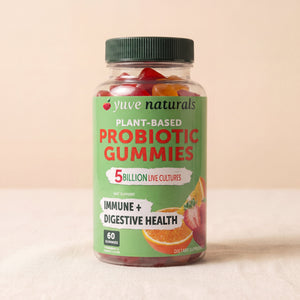
Start with a one-week log before buying half the internet. Track trigger foods, stool timing, caffeine, alcohol, medications, and whether symptoms happen after greasy meals, dairy, or sugar-free products. If the pattern looks food-linked, the best next move is a targeted trial, not a total life purge. Remove one suspect category at a time. Re-test calmly. Hydration matters more than supplement stacking during active loose stools. A product such as Yuve Probiotic Gummies makes more sense after the pattern is calmer and you want a steady routine-support option, not while you are trying to decode obvious triggers in real time. The Yuve digestion collection is most useful after you know whether the issue looks like food sensitivity, routine inconsistency, or post-infectious recovery rather than a one-off bad lunch.
When should you stop self-experimenting and get checked?
Self-experimenting stops being clever when diarrhea keeps happening for weeks, wakes you from sleep, appears with fever, causes unintentional weight loss, or includes blood, black stool, severe weakness, or dehydration. Those features deserve proper evaluation. The NHS and NIDDK both emphasize duration and alarm symptoms because persistent diarrhea can reflect infection, inflammatory disease, bile acid issues, medication effects, or malabsorption patterns that a food diary alone will not settle. There is also a plain common-sense threshold. If you are afraid to eat because every meal feels unpredictable, the problem has outgrown casual guessing. That level of disruption changes work, travel, and hydration decisions quickly. It also usually affects sleep and confidence around meals. A clean clinician workup beats six more weeks of living on toast and suspicion.
What questions do people still ask about diarrhea after eating?

Can stress cause diarrhea after meals?
Yes. Stress can amplify the gastrocolic reflex and gut sensitivity, especially in people with a reactive bowel pattern. Stress is rarely the only variable, but it is often an accelerant.
Is diarrhea right after eating a sign that food moved through instantly?
Not usually. The meal often triggers reflex activity in the colon rather than traveling from stomach to toilet at cartoon speed.
Should you stop eating fiber?
Not automatically. Some fibers help stool consistency, while some trigger symptoms depending on the food and the person. Blanket restriction usually creates more confusion.
Are probiotics the first thing to try?
Usually no. Trigger identification and hydration come first. Probiotics can fit later routine support, but they should not replace basic pattern recognition.
What is the simplest useful test at home?
A short symptom and food log is still the best first tool. It is boring, annoyingly effective, and much better than guessing from memory.