Diarrhea after eating usually happens because a meal triggers a fast gut response, poor carbohydrate absorption, lactose intolerance, high-fat stimulation, caffeine sensitivity, or a temporary post-infection pattern. The key point is that “after eating” describes timing, not one diagnosis. Pattern, food type, urgency, and red-flag symptoms matter more than the fact that it happened after a meal.
How did we evaluate the most common reasons diarrhea happens after eating?
We prioritized the NIDDK overview of diarrhea, the NIDDK lactose intolerance page, the AGA clinical practice update on chronic diarrhea evaluation, and review-level evidence on post-infectious bowel changes and probiotics. We compared mechanisms rather than chasing a single label because meal-triggered diarrhea has multiple common pathways. We also separated reasonable self-management patterns from red flags that deserve faster medical attention. That kept the article grounded in pattern recognition, which is usually more useful than trying to force every after-meal symptom into one explanation.
Why can diarrhea happen so quickly after eating?
Fast diarrhea after eating often reflects the gastrocolic reflex, a normal signal that tells the colon to move after the stomach receives food. In some people that reflex runs stronger, especially after large meals, high-fat meals, caffeine, or high-FODMAP foods. Lactose intolerance is another common reason because undigested lactose pulls water into the bowel and gets fermented by gut bacteria, which can create urgency, gas, and loose stool. The NIDDK lactose intolerance overview explains that this pattern often depends on dose, not just the presence of dairy. Recent stomach bugs can also leave the gut temporarily more reactive. Timing matters, but timing alone does not tell you the cause. Food type, recent illness, frequency, and whether the pattern happens with every meal are the details that actually narrow the possibilities.
Which after-eating patterns point to different likely causes?
| Pattern | More likely driver | What usually stands out | What to try tracking first |
|---|---|---|---|
| Dairy-heavy meal causes urgency | Lactose intolerance | Gas, bloating, loose stool after milk or ice cream | Amount of lactose and product type |
| Greasy or very large meals trigger fast bowel movement | Strong gastrocolic response or fat sensitivity | Urgency soon after restaurant or heavy meals | Meal size and fat load |
| Fruit juice, onions, or wheat trigger symptoms | FODMAP carbohydrate malabsorption | Bloating plus loose stool after specific carbs | Repeat trigger foods and portion size |
| Mild recurring pattern without red flags | Functional gut sensitivity or post-infectious disruption | Pattern comes and goes with stress, routine, or food variability | Recent illness, stress, and stool frequency |
Meal timing matters, but food pattern usually explains more than the clock.
What can you actually do if the pattern keeps repeating?
Some links below are affiliate links. This does not influence our evaluation criteria or recommendations.
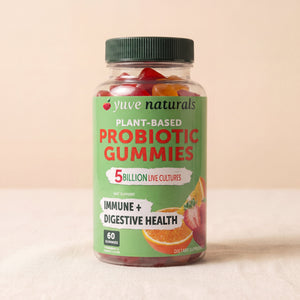
The first useful move is a two-week food-and-symptom log, because repeating triggers beat vague theories. If dairy is a clear trigger, test lactose load rather than cutting every food you enjoy at once. If greasy meals are the issue, smaller portions and slower eating often matter more than supplements. If the pattern started after a stomach bug, the gut may simply need time and a steadier routine. That is the lane where Yuve Probiotic Gummies can fit, as a lower-friction daily gut-support option for mild recurring digestive instability, not as a treatment for severe or unexplained diarrhea. The broader Yuve digestion collection makes sense only when the pattern is mild, food-linked, and not paired with red flags. Structure beats random product hopping.
What do people usually get wrong about diarrhea after eating?
The biggest mistake is assuming the last food eaten is always the entire explanation. Some triggers are dose-dependent, cumulative, or related to what happened earlier in the day. Another mistake is treating all loose stool like infection. The NIDDK diarrhea overview and AGA update both make the same broader point, pattern and context determine next steps. People also wait too long to notice red flags because the symptom feels common. Common does not mean trivial when it is persistent, waking you at night, causing weight loss, or showing up with blood, fever, or dehydration. The right mindset is practical. Track triggers, simplify meals, test one change at a time, and stop pretending that every after-meal bathroom trip belongs in the same bucket.
What questions do people still ask about diarrhea after eating?

Is diarrhea after eating always food poisoning?
No. Food poisoning is only one possibility, and it usually comes with a clearer acute illness story. Repeating symptoms after certain foods often point to intolerance or gut sensitivity instead.
Can lactose intolerance start later in life?
Yes. Lactase production can decline over time, which is why dairy that used to feel fine may become more annoying later.
Does stress make after-eating diarrhea worse?
Yes, it can. Stress can amplify gut motility and make the gastrocolic reflex feel much more dramatic.
When does a probiotic make sense here?
A probiotic makes the most sense when the pattern is mild, recurring, and not linked to clear red flags. It is a routine-support option, not an explanation by itself.
What symptoms should push someone to get medical care faster?
Weight loss, fever, blood in stool, dehydration, nighttime diarrhea, or symptoms that keep escalating deserve proper medical review. Those signs make the situation less suitable for self-experimenting.
Should you cut out whole food groups immediately?
Usually no. A short tracking period gives better information than panic-cutting ten foods at once. Precise experiments beat dietary chaos.