A greens supplement may change bowel habits when its ingredients alter your usual fiber intake, microbial fermentation, or tolerance. The effect depends on the exact product and serving, and a bowel movement after a drink does not prove causation. Comfortable formed stools differ from urgency or diarrhea; neither is evidence of a detox.
Some links below are affiliate links. This does not influence our evaluation criteria or recommendations. This article is published by Yuve; product descriptions are not independent clinical endorsements.
How did we evaluate greens supplements and bowel changes?
We reviewed the current Bloom Greens & Superfoods description and the relevant Yuve product labels on November 2, 2026, distinguishing manufacturer-listed ingredient categories from evidence that a finished product produces a particular bowel outcome. We prioritized established definitions of prebiotics, authoritative guidance on diarrhea, and the match between a named ingredient, its actual serving, and the symptom being discussed rather than treating customer anecdotes as controlled experiments. We excluded detox explanations, guaranteed timelines, and extrapolation from a different Bloom beverage, because greens powder, an energy drink, and a prebiotic soda are not interchangeable products with interchangeable formulations. This is a desk-based label and evidence review, not a clinical trial or laboratory test, and it cannot identify the cause of an individual change, verify undisclosed blend amounts, or establish that switching to another brand will improve tolerance.
Why might a greens powder change your bowel pattern?
Bloom's Greens & Superfoods page lists fiber, prebiotics, probiotics, and digestive enzymes among its ingredient categories. That description identifies plausible topics to investigate; it does not prove which ingredient explains your experience. Check the Supplement Facts and ingredient list on your own flavor and package rather than assuming every product bearing the brand name is identical.
The ISAPP prebiotic consensus defines a prebiotic through selective microbial utilization and a health benefit. That definition is not a guarantee that an added substrate produces a comfortable bowel change in every person. If your label contains inulin or fructooligosaccharides, consider the actual amount and the rest of your diet before attributing an effect to that ingredient.
Timing alone also leaves several explanations open. Breakfast, coffee, a larger drink, a changed meal routine, or an unrelated illness may coincide with the new supplement. Record what changed instead of assigning a mechanism from the product name.

Which products and ingredients should you compare before switching?
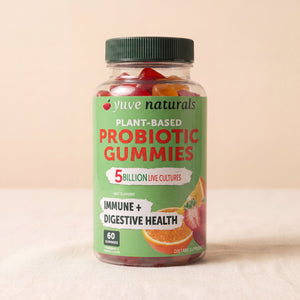
Compare the exact job each product is intended to perform. A multi-ingredient greens powder, a prebiotic fiber gummy, and a probiotic gummy have different compositions. None becomes a guaranteed solution to loose stools simply because its format looks simpler.
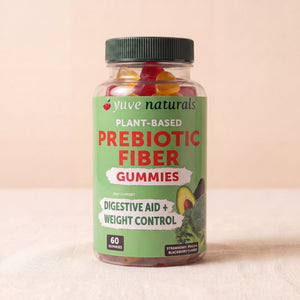
Yuve Prebiotic Fiber Gummies list chicory inulin, but an identified prebiotic is still a tolerance consideration rather than a reason to switch during new diarrhea. A probiotic gummy supplies microorganisms, not an equivalent serving of greens or dietary fiber.
| Option | Compare on the label | Important limitation |
|---|---|---|
| Bloom Greens | Full ingredient list and serving | Several ingredients complicate attribution |
| Yuve fiber gummies | Inulin amount and serving | Prebiotic tolerance varies |
| Probiotic gummies | Organism, strain code, other ingredients | Not equivalent to fiber |
Best for understanding a new reaction: review what you already took. A second product introduces another variable. Best for a separate fiber goal: assess food intake and labeled fiber first, rather than inferring need from stool frequency alone.
What should you do if your stools change after starting greens?
Describe the change before deciding whether it is welcome. Record stool consistency, urgency, abdominal discomfort, frequency compared with your baseline, the amount consumed, and any other recent additions. One comfortable bowel movement and repeated watery stools are not the same outcome, even if both occur after the same drink.
If a new supplement coincides with loose stools or significant discomfort, pause it rather than increasing the serving or stacking additional gut products. Do not stop a prescribed medicine without advice. Keep the package or photograph its label so a clinician or pharmacist can review the actual formulation if needed.
Avoid deliberate re-exposure after a severe reaction. A brief diary can support a discussion, but it cannot rule out infection, medication effects, or another cause. The digestive health collection is a category reference for separate product research, not a recommendation to buy something to counteract a new symptom.
When does a bowel change need medical attention?
The NIDDK diarrhea guidance describes loose, watery stools occurring more frequently than normal, often with urgency or abdominal cramping. It advises prompt medical contact for dehydration, severe abdominal or rectal pain, black or bloody stools, frequent vomiting, or other concerning symptoms. Those signs should not be reframed as normal cleansing.
For adults, NIDDK also advises medical contact for diarrhea lasting more than two days, high fever, or six or more loose stools daily. Pregnant people, older adults, people taking antibiotics, and people with weakened immune systems may need closer contact with their clinicians. These are general triage criteria, not a diagnosis of a supplement reaction.
If symptoms are persistent, bring the exact product, serving details, timing, medication list, and any relevant exposures to the discussion. Do not wait for a promised adjustment period when the pattern is worsening or you cannot maintain hydration. Safety takes priority over completing a container.
FAQ: What does pooping after Bloom Greens actually mean?
Does a bowel movement mean the powder is working?
A bowel movement alone cannot establish a benefit. Consider comfort and consistency alongside your normal pattern, not frequency in isolation.
Is it a detox reaction?
Pooping after a drink does not demonstrate toxin removal. Do not use a detox explanation to dismiss persistent diarrhea, dehydration, or pain.
Are Bloom Greens and Bloom Energy the same?
They are different product categories. Check the exact label rather than transferring a caffeine explanation or ingredient list from another beverage.
Should you add a probiotic gummy?
Another product makes attribution harder. It also does not automatically address the reason for a new change in stool consistency or urgency.
Is a prebiotic alternative guaranteed to be gentler?
No individual tolerance outcome is guaranteed. An inulin product still requires label review and should not be added merely to counteract new loose stools.