Trying to figure out whether 1800 calories a day is “right” can feel weirdly stressful. One person says it’s too much, another says it’s too little, and meanwhile you’re just trying to eat well, feel good, and maybe see progress without obsessing over every bite.
If you’re vegan, the confusion gets even louder. You’re not only asking, “Will 1800 calories work for me?” You’re also wondering, “Can I hit my protein goals, stay full, and avoid the bloated, snacky, low-energy spiral?” Yes, you can. But the key is understanding how to build those calories well.
What Exactly Is an 1800-Calorie-a-Day Diet
The number 1800 isn’t magic. It’s a calorie target, and like any target, it only helps if it fits your body, your routine, and your goals.
For some people, 1800 calories a day is a weight loss intake. For others, it may feel closer to maintenance. And for very active people, it might not be enough. That’s why I don’t think of it as a universal rule. I think of it as a useful starting point.

A simple way to think about it
Calories are just units of energy. Your body uses that energy for the basics, like breathing and circulation, and for everything else you do, from walking the dog to lifting weights to pacing around the kitchen while dinner cooks.
An 1800-calorie-a-day diet means you’re aiming to eat about that amount across your meals, snacks, and drinks. In practice, that could look like:
- A solid breakfast with protein and fiber
- A satisfying lunch that doesn’t leave you raiding the pantry
- A balanced dinner with enough carbs, protein, and fat
- A snack or two that helps with hunger and energy
That sounds simple, but many people find it problematic. They assume “1800 calories” means small portions, constant hunger, or a super restrictive plan. It doesn’t have to.
Why this number became so familiar
In reporting on Public Health England’s 2017 guidance, 1,800 calories was suggested as a guideline for main meals, separate from the broader 2,000 to 2,500 daily recommendation, to draw attention to calories people often forget in drinks and snacks. The observation behind that message was that UK adults were often consuming 200 to 300 extra calories a day without realizing it.
What matters here is the idea behind the number. People often count food and overlook the latte, juice, smoothie add-ins, or handfuls of snacky extras. Those “little things” still count.
Practical rule: If 1800 calories a day sounds hard, first check whether you’re counting drinks, cooking oils, sauces, and grab-and-go snacks. That’s where confusion often starts.
Why 1800 calories can feel better than lower targets
A lot of people jump straight to a very low number because they want fast results. I get the temptation. But a plan only works if you can live with it.
At 1800 calories, you usually have more room for:
- Better portions
- More protein
- More fiber-rich foods
- Meals that taste good
- A social life that doesn’t fall apart
That extra flexibility matters, especially on a vegan diet. You need enough room for legumes, grains, fruits, vegetables, nuts, seeds, and protein-rich staples without feeling boxed in.
The part people forget
A calorie target is just the frame. Food quality still matters. You can technically eat 1800 calories in wildly different ways. One version leaves you energized and full. Another leaves you cranky, hungry, and wondering why you’re thinking about toast again.
The best version of 1800 calories a day is one that supports:
- satiety
- steady energy
- enough protein
- enough produce
- meals you’ll want to repeat
That’s where the vegan strategy comes in.
Is 1800 Calories Right for You
The best calorie target is the one that matches your actual life, not the one that looks good on social media.
Some readers will do really well on 1800 calories a day. Others will need more. A smaller group may need less. The answer depends on how much energy your body uses before you even factor in workouts, errands, parenting, or long days at a desk.
Your body has a baseline
Think of your body like a house with lights, plumbing, and appliances always running in the background. Even when you’re resting, your body is doing a lot.
That baseline is often called your BMR, or basal metabolic rate. In plain English, it’s the energy your body uses to keep the lights on.
Then there’s everything else you do in a day. Walking, training, standing, carrying groceries, cleaning, and even fidgeting all add to your total daily needs.
A quick self-check
You don’t need to memorize formulas to get useful insight. Start with these questions:
- How active are you most days? A desk-based routine is different from a job where you’re on your feet.
- What is your goal? Weight loss, maintenance, or fueling exercise all change the answer.
- How do you feel on lower intakes? Constant hunger, low energy, and poor workouts are useful clues.
- What does consistency look like for you? A target only helps if you can follow it without feeling miserable.
Here’s a practical way to interpret it:
| Situation | How 1800 calories may feel |
|---|---|
| Less active adult trying to lose weight | A moderate calorie target |
| Moderately active woman | Sometimes weight loss, sometimes maintenance |
| Very active person | Possibly too low |
| Someone recovering from restrictive dieting | Potentially still too structured if approached rigidly |
This isn’t a diagnosis. It’s a reality check.
Signs it may be a reasonable starting point
For many people, 1800 calories a day works well when they want structure without going extreme. It can be especially useful if you’ve tried lower-calorie plans and ended up ravenous, distracted, or stuck in an all-or-nothing cycle.
You may want to try this range if:
- You want gradual change instead of dramatic restriction
- You exercise and want enough fuel to keep going
- You’re vegan and need room for protein-rich whole foods
- You want meals that look normal and not tiny
If your plan makes you think about food all day, that’s not a willpower problem. It may be a sign the target is too aggressive.
When to pause and get more help
If you’re considering something much lower than 1800, especially a medically intensive approach, it’s worth learning about medically supervised VLCD options so you understand the difference between general weight loss advice and plans that belong under professional care.
That distinction matters. There’s a big difference between a sustainable eating pattern and a protocol designed for medical supervision.
How to test whether it’s working
Give yourself a short adjustment period and look at the full picture, not just the scale.
Pay attention to:
- Hunger between meals
- Energy during the afternoon
- Exercise performance
- Mood and focus
- How easy it is to stay consistent
If you’re constantly hungry, thinking about food nonstop, or struggling through workouts, 1800 may not be enough for you. If you feel comfortably full, steady, and able to stick with it, that’s useful feedback too.
The goal isn’t perfection. The goal is finding a number that supports your body and your routine.
Mastering Your Vegan Macros and Nutrients
You get to 3 p.m., and lunch looked healthy. Maybe it was a big bowl of pasta with vegetables, or toast with nut butter and fruit. Then the hunger hits hard, your energy drops, and suddenly 1800 calories feels much harder to stick with.
That usually is not a motivation problem. It is a meal-building problem.
On a fully vegan 1800-calorie plan, the challenge is rarely eating enough food. The challenge is choosing foods that give you enough protein, enough staying power, and digestion that still feels comfortable. Calories set the budget. Macros and nutrients decide how well that budget works for you.

The vegan plate that actually satisfies
A satisfying vegan plate works like a well-built team. Protein handles fullness and muscle support. Carbs give you usable energy. Fat slows things down enough to help meals last. Fiber supports fullness and gut health, but it needs the other pieces beside it.
A good 1800-calorie vegan day usually includes a mix of:
- Protein foods like tofu, tempeh, edamame, lentils, beans, soy yogurt, or vegan protein powder
- Carbohydrates such as oats, potatoes, quinoa, rice, fruit, and whole grain bread
- Healthy fats from nuts, seeds, avocado, tahini, and olive oil
- Fiber-rich produce to help with fullness and digestion
That balance usually works better than meals built mostly from refined carbs or snack foods marketed as plant-based.
A useful reference point comes from UMass Memorial Health’s 1800-calorie food plan worksheet. It gives a simple framework for how an 1,800-calorie diet plan can include grains, vegetables, fruits, protein foods, and limits for sodium and saturated fat. Use it as a guide, not a rulebook.
Why protein needs a plan on a vegan diet
Protein is often the part vegans need to plan most deliberately.
It is completely possible to hit your protein needs on plants. It just tends to happen by design, not by accident. If breakfast is toast, lunch is pasta, dinner is rice, and snacks are fruit or crackers, calories add up quickly while protein stays low.
That matters for two reasons. First, protein helps meals feel more satisfying. Second, it supports muscle maintenance, which is especially helpful if you exercise, want better body composition, or want meals that keep you steady between eating times.
A practical way to think about it is to pick a protein anchor for every meal. Instead of asking where protein can be squeezed in, build the meal around it first.
For example:
- Breakfast: soy yogurt, tofu, or a smoothie with protein powder
- Lunch: lentils, chickpeas, edamame, or baked tofu
- Dinner: tempeh, tofu, seitan, or a bean-based main
- Snacks: roasted edamame, soy yogurt, a protein shake, or hummus with something more substantial than just a few crackers
That one shift can make 1800 calories feel much more generous.
Protein matters. Digestion matters too.
Many high-protein vegan foods are also high in fiber. That is good for health, but if you increase beans, lentils, protein powder, vegetables, and whole grains all at once, your gut may protest.
The answer usually is not to avoid these foods. It is to build up thoughtfully.
A few ways to make a higher-protein vegan plan easier on digestion:
- Increase fiber gradually instead of changing everything overnight
- Rotate protein sources instead of relying on large portions of beans at every meal
- Use softer, easier options like tofu, tempeh, soy yogurt, or blended soups when your gut feels sensitive
- Rinse canned beans well, and try split lentils or smaller beans if whole legumes feel heavy
- Drink enough water, since fiber works best with fluid
- Spread protein across the day rather than packing it all into dinner
This is especially helpful if your goal is to feel lighter and more regular while still eating enough to stay full. Digestive support is not an extra feature. It is part of what makes a vegan 1800-calorie plan sustainable.
The other nutrients vegans should watch
Protein gets a lot of attention, but a strong vegan plan also covers a few nutrients that need more intention.
Here are the main ones:
- Iron from lentils, beans, tofu, pumpkin seeds, and leafy greens
- Calcium from fortified plant milks, calcium-set tofu, and fortified yogurts
- Vitamin B12 from fortified foods or supplements
- Omega-3 fats from chia, flax, hemp, and walnuts
- Fiber from legumes, fruits, vegetables, and whole grains
Pairing iron-rich foods with vitamin C foods can help absorption. Using fortified staples regularly can make calcium and B12 much easier to cover. If you want a practical overview, this guide on what vitamins vegans need is a helpful next read.
Here’s a simple visual explainer to make the protein piece easier to picture:
A simple macro mindset
You do not need perfect macro math. You need meals that do their job.
Try building meals in this order:
- Start with protein
- Add a satisfying carb
- Include color and fiber
- Finish with a little healthy fat
That order solves the most common vegan 1800-calorie problem first. A meal can look healthy and still leave you raiding the pantry an hour later. Protein gives the meal structure. The other pieces help it last.
A Sample 3-Day Vegan 1800-Calorie Meal Plan
It’s 7:30 a.m., you’ve got a full day ahead, and you want meals that keep you full without blowing past your calorie target. That is where a simple 1800-calorie vegan plan helps. It gives your day a structure, like putting guardrails on a winding road. You still have flexibility, but you are less likely to end up under-eating protein at breakfast and over-snacking by late afternoon.
The sample below is built around three goals at once. Keep calories reasonable, get enough vegan protein to stay satisfied, and support digestion with steady fiber, hydration-friendly foods, and meals that are easier to tolerate than random grazing.

Day 1
Breakfast
Tofu scramble with spinach, mushrooms, and whole wheat toast. Add fruit on the side for extra color and fiber. Starting with tofu helps front-load protein early, which often makes the rest of the day easier.
Lunch
Large mixed green salad with chickpeas, cucumber, tomatoes, shredded carrots, and lemon-tahini dressing. Add a whole grain side if you want more staying power. If big raw salads bother your stomach, use lightly cooked vegetables or swap half the greens for quinoa.
Dinner
Lentil shepherd’s pie with a sweet potato topping. It’s hearty, high in fiber, and usually sits well because the lentils and vegetables are cooked and soft.
Snacks
Apple slices with almond butter.
Day 2
Breakfast
Berry and spinach smoothie with vegan protein powder, plant milk, frozen berries, and ground flax. This works well on busy mornings, and blending can be a helpful option when you want something lighter on digestion than a large solid meal.
Lunch
Hummus and veggie wrap on a whole wheat tortilla with bell peppers, spinach, cucumber, and shredded cabbage.
Dinner
Chana masala with brown rice and a side of roasted cauliflower or green beans. Beans and cruciferous vegetables are nutritious, but they can be a lot at once for some people. If that sounds familiar, reduce the portion slightly and add more rice, or choose green beans over cauliflower.
Snacks
A handful of mixed nuts, plus fruit if needed.
A plan like this tends to feel more realistic than very low-calorie eating because there is room for proper meals, not just snacks dressed up as meals.
Day 3
Breakfast
Oatmeal topped with berries, chia or hemp seeds, and a light drizzle of maple syrup. Add soy yogurt on the side for more protein and a creamier, more filling breakfast.
Lunch
Hearty vegetable soup with whole grain bread and a side salad. Soup is one of the simplest digestion-friendly tools. It adds fluid, warmth, and volume without asking your stomach to do as much work as a dry, rushed lunch.
Dinner
Tofu and broccoli stir-fry with quinoa, garlic, ginger, and a simple savory sauce.
Snacks
An orange and a small handful of cashews.
What these days have in common
The meals change, but the structure stays steady. That matters more than copying any one breakfast or dinner exactly.
| Meal pattern | Why it works |
|---|---|
| Protein shows up early | Helps with fullness and steadier appetite |
| Meals include fiber-rich carbs | Supports energy and satiety |
| Snacks are intentional | Helps prevent impulsive eating when hunger spikes |
| Dinner is substantial | Makes the plan easier to repeat |
You may notice another pattern too. The meals spread fiber across the day instead of packing all of it into one giant salad or bean-heavy dinner. For many people, that feels better in real life. Digestion usually likes consistency more than extremes.
How to make the sample plan your own
Use the same meal role, then swap the ingredients.
- Tofu scramble for overnight oats with soy yogurt
- Chickpea salad for lentil soup and bread
- Stir-fry for tempeh tacos with black beans and slaw
- Apple and almond butter for edamame or roasted chickpeas
That gives you flexibility without losing the basic formula. Protein first. Then a satisfying carb, produce, and a little fat. If you want more ideas built around that same approach, this plant-based diet meal plan with practical vegan meal ideas is a helpful next resource.
A small mindset shift that helps
Aim for a day you can repeat.
That usually means meals you enjoy, ingredients you can find easily, and enough protein to keep hunger from running the show. On a vegan 1800-calorie plan, consistency beats perfection. If one meal is lighter, the next meal can do more work. If your digestion is sensitive, adjust the fiber texture, portion size, or cooking method instead of assuming the whole plan failed.
Your Vegan Shopping List and Pantry Staples
A good meal plan gets easier when your kitchen does some of the work for you.
Shopping with a short, targeted list helps you avoid the classic vegan trap of buying lots of healthy ingredients that don’t quite turn into meals. You want foods that mix and match well.
Fresh produce to grab first
For the sample plan above, your produce list might include:
- Leafy greens like spinach and mixed salad greens
- Cruciferous veg such as broccoli and cauliflower
- Flavor builders like onions, garlic, and ginger
- Salad basics including cucumber, tomatoes, and carrots
- Fruit such as apples, oranges, and berries
- Comfort carbs like sweet potatoes
A good produce haul gives you volume, fiber, color, and more options when plans change.
Protein foods that make vegan meals work
This is the category worth prioritizing.
Stock up on:
- Tofu for scrambles, stir-fries, and bowls
- Chickpeas for salads, wraps, and curries
- Lentils for soups, stews, and shepherd’s pie
- Hummus for easy lunches
- Soy yogurt or fortified plant milk for breakfast support
- Vegan protein powder for fast, protein-forward smoothies
Grains and starches that keep meals satisfying
You don’t need a huge stash. You need useful basics.
A simple list:
- Whole wheat bread
- Whole wheat tortillas
- Brown rice
- Quinoa
- Oats
These foods make meals feel complete and help your protein-rich dishes go further.
Pantry staples that save the week
A smart vegan pantry keeps you from starting from zero every night.
Keep these around:
- Tahini for dressings and sauces
- Nut butter for snacks
- Nuts and seeds like cashews, almonds, chia, flax, or hemp
- Canned tomatoes for soups and curries
- Low-sodium broth for quick soups
- Spices such as cumin, curry powder, smoked paprika, and black pepper
- Nutritional yeast for savory flavor
- Soy sauce or tamari for stir-fries and marinades
A useful pantry doesn’t need to be fancy. It just needs to make the next meal easier than ordering takeout.
A low-stress shopping trick
Pick two proteins, two grains, and a few vegetables that can work across several meals. That gives you enough variety without creating food waste or decision fatigue.
That’s usually the sweet spot. Simple enough to follow, flexible enough to live with.
Feel Your Best - Tips for Energy, Digestion, and Success
Eating more plants can feel great. It can also come with a very unglamorous adjustment period.
More beans, more lentils, more fiber, more whole grains. That’s wonderful for many people, but your gut may need time to catch up. And yes, that can mean gas, bloating, or feeling extra full at first. Yikes.

Go slower than you think you need to
A common mistake is changing everything overnight. Suddenly every meal has beans, giant salads, oats, seeds, and raw vegetables. Your intentions are excellent. Your stomach may disagree.
A gentler approach works better:
- Increase fiber gradually instead of all at once
- Cook legumes well and rinse canned beans
- Choose some cooked vegetables if raw salads feel heavy
- Repeat simple meals for a few days so your gut can adjust
This is especially important if your old routine was lower in fiber.
Hydration matters more than people realize
Fiber without enough fluid can feel rough. If you’re increasing plant foods, water matters.
You don’t need a complicated hydration system. Just be consistent:
- keep water visible
- drink with meals
- notice whether high-fiber meals leave you feeling better or backed up
If you want a broader lifestyle overview, these tips for maintaining gut health pair nicely with a higher-fiber eating pattern.
Meal timing can make or break your day
Some people do fine with three larger meals. Others feel much better with meals plus snacks. There isn’t one correct pattern.
What matters is avoiding the setup where you undereat early, then hit dinner absolutely starving.
Try this:
- Front-load some protein at breakfast
- Don’t skip lunch and hope for the best
- Use snacks on purpose, especially around busy afternoons or workouts
Eat in a way that supports stable energy, not in a way that earns imaginary nutrition points.
A quick story from real life
I’ve seen this pattern over and over. Someone starts a very “clean” vegan plan, loads up on raw vegetables and beans, then decides plant-based eating just doesn’t agree with them.
Usually, the issue isn’t the whole approach. It’s the speed of the change and the lack of digestion support while the body adapts. That’s a very different problem.
Small habits that improve comfort
Here are a few that help many people:
- Chew more thoroughly so your stomach has less work to do
- Sit down to eat instead of grazing while distracted
- Notice your trigger foods without assuming all plant foods are the problem
- Keep portions realistic if very large meals make you uncomfortable
- Use a short list of repeat meals before expanding variety
If digestion has been a struggle for you, this article on how to improve gut health gives a useful big-picture view.
Success isn’t just about the calorie number
An 1800-calorie plan works best when it supports your whole day. You want enough energy to think clearly, move comfortably, and eat without fear.
That means your version of success may look like:
- fewer random cravings
- better gym sessions
- less all-or-nothing eating
- meals that leave you satisfied
- a stomach that feels calmer week by week
That’s real progress too.
FAQ - Your 1800-Calorie Diet Questions Answered
Can I lose weight on 1800 calories a day
Yes, some people can. It depends on your body size, activity level, and what you were eating before. For many people, 1800 calories a day creates a manageable deficit. For others, it may maintain weight.
The better question is whether it’s a number you can stick with while feeling reasonably good. If yes, that’s a strong sign you’re in a workable range.
Can I build muscle on a vegan 1800-calorie plan
You can support muscle retention and, in some cases, muscle gain depending on your training background and total needs. The major factor is making sure your meals include enough protein and that your calorie intake matches your goal.
This is one reason protein planning matters so much on vegan diets. Meals built around tofu, tempeh, lentils, soy foods, and other concentrated protein sources will serve you better than meals that are mostly low-protein carbs.
What if I’m still hungry
First, don’t assume hunger means you’re doing something wrong.
Check these three things:
- Is each meal built around protein?
- Are you eating enough fiber-rich whole foods?
- Are you spreading food across the day in a way that works for you?
If all three are in place and you’re still hungry often, 1800 may be too low for your body or activity level.
Can I eat out and still follow this plan
Absolutely. You don’t need a perfect home-cooked routine to make progress.
Look for meals with:
- a clear protein source
- some fiber-rich carbs
- vegetables
- sauces and extras that you enjoy, just mindfully
A burrito bowl, tofu stir-fry, lentil soup with bread, or a grain bowl can fit well. Consistency beats perfection.
Is 1800 calories a day safe long term
For many adults, it can be. But “safe” and “appropriate” are personal.
If you feel low-energy, obsessed with food, unusually cold, or unable to recover from exercise, the plan may not be a fit. If you have a medical condition, a history of disordered eating, or significant weight concerns, personalized guidance is the smartest move.
Do I have to count calories forever
No. Many people use calorie awareness as a short-term learning tool, then shift toward repeat meals, portion awareness, and hunger cues.
That’s often the best outcome. You learn what a balanced vegan day looks like, and then you stop needing to micromanage every bite.
What’s the biggest mistake people make
Going too hard, too fast.
They pick a number, cut out favorite foods, ignore protein, eat giant raw salads, feel awful, and conclude the whole thing failed. A better approach is slower, steadier, and much more forgiving.
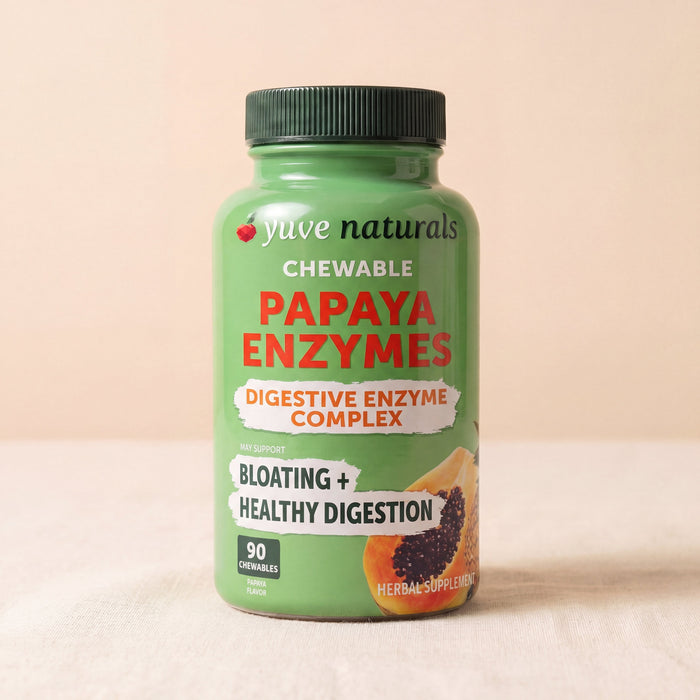
If you’re working on eating well, supporting digestion, and feeling more steady on a plant-based routine, Yuve is worth exploring. Their vegan-focused supplements are designed to support gut health, energy, and overall wellness, which can be especially helpful when you’re building a more fiber-rich daily routine.