The most popular advice about acid vs alkaline food often starts with a misleading idea: that acidic-tasting foods make your blood acidic, and alkaline foods fix it. They don't. Food can affect the acid load your kidneys handle and change urine chemistry, but the body tightly regulates blood pH.
If bloating or digestive discomfort has you searching for a list of foods to avoid, it's understandable to want a simple answer. The useful question isn't whether a food tastes acidic. It's how the whole eating pattern affects your body, and whether particular foods trigger symptoms for you.
What Acid vs Alkaline Food Means
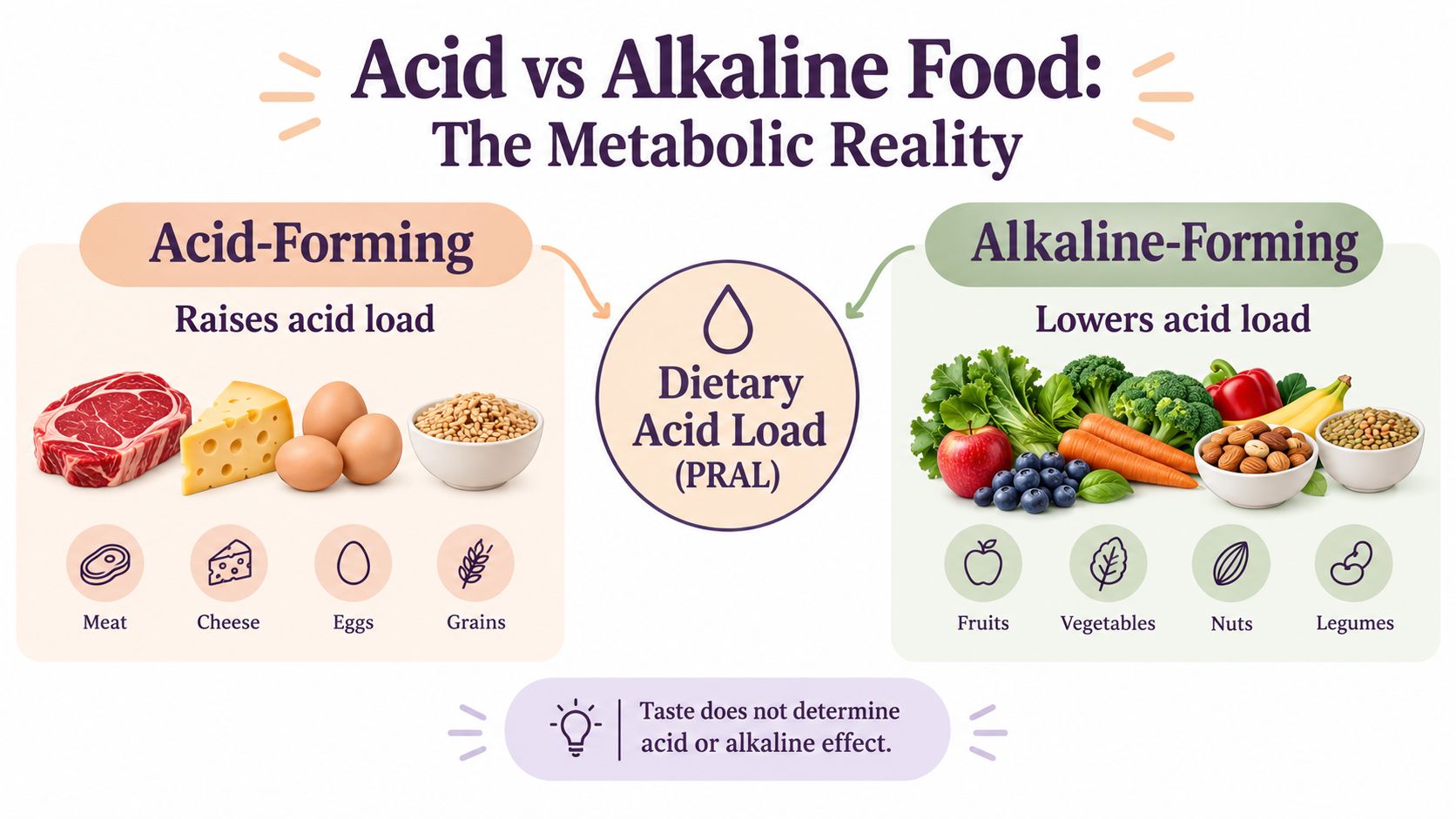
A lemon can taste sharply acidic and still contribute to a lower dietary acid load. Its organic acids are processed during metabolism, so the taste doesn't predict the acid your kidneys need to excrete. Mild-tasting protein-rich foods can contribute more to that workload.
“Acid-forming” and “alkaline-forming” describe this metabolic effect. Neither label is a verdict on whether a food belongs on your plate.
Dietary acid load describes a workload
Dietary acid load estimates the acid-producing potential of an eating pattern and the amount of acid the kidneys may need to excrete. Researchers use Potential Renal Acid Load (PRAL) and Net Endogenous Acid Production (NEAP) to estimate that load. These measures work like a workload estimate, helping compare diets without turning individual foods into villains or cures.
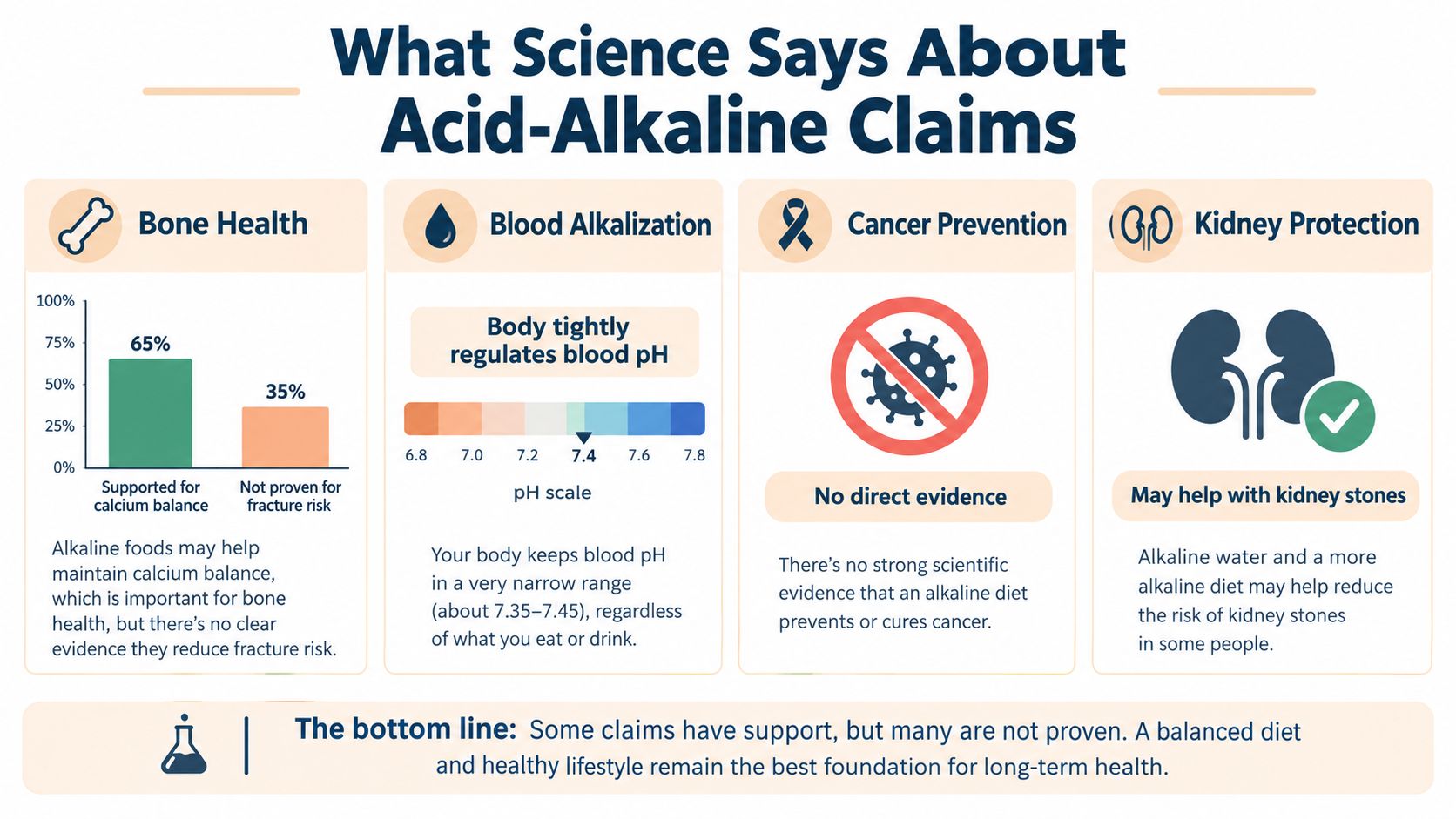
Your lungs and kidneys regulate blood pH continuously. According to Cleveland Clinic's explanation of alkaline diets and blood pH, blood pH stays around 7.35 to 7.45, and food choices don't meaningfully shift it. Urine chemistry can change more readily as the kidneys handle what needs to leave the body. A shift in urine pH therefore doesn't show that your blood has become more alkaline.
Keep these distinctions handy:
- A tart taste doesn't determine a food's acid-forming effect.
- Urine pH isn't blood pH.
- The overall pattern matters more than a rigid acid-versus-alkaline list.
The practical goal is a varied, plant-forward eating pattern that supplies fiber and micronutrients while keeping protein adequate. You can include protein-rich foods without treating their acid-forming potential as a warning label. “Making your body alkaline” isn't a useful target for everyday eating.
How pH, PRAL, and NEAP Are Measured
pH describes how acidic or alkaline a substance is. Testing lemon juice or vinegar directly tells you about the food itself, not what its components become after digestion and metabolism. That's the source of a lot of confusion: food pH and dietary acid load are different measurements.
PRAL is an estimate of a food pattern's potential renal acid load, expressed in milliequivalents per day. It accounts for nutrients that contribute to acid production and minerals that contribute to a more alkaline-forming effect. NEAP is another estimate of acid production after metabolism. Neither measure tells you whether your blood is “too acidic.”
PRAL vs NEAP at a glance
| Metric | What It Measures | Typical Use |
|---|---|---|
| PRAL | The estimated acid or base load associated with nutrients in foods and their metabolism | Comparing the estimated renal acid load of foods or diets |
| NEAP | An estimate of net acid production in the body | Describing dietary acid production using a different calculation |
PRAL tends to rise with foods containing sulfur- and phosphorus-containing proteins, including meat, fish, cheese, eggs, grains, and rice. Fruits, vegetables, legumes, and potatoes contain minerals and other compounds that generally produce a negative PRAL, indicating an alkaline-forming effect after metabolism (a review of dietary acid load and PRAL).
A practical way to use the terms
Think of the measures as a rough map of the diet, not a food-policing tool. A lower-PRAL pattern doesn't mean eliminating protein. It means keeping protein in the picture while making room for more plant foods.
A useful plate can include both: a protein source that fits your needs, vegetables, fruit or legumes, and a grain or potato. You don't need to calculate PRAL at every meal to make that shift.
What the Evidence Shows About Health Claims
A change in urine chemistry is not proof that a diet prevents disease. Alkaline-eating claims often leap from the first observation to the second, but the evidence doesn't support that leap. Urine pH can shift as the kidneys excrete acids; that does not mean blood pH has shifted in the same way.
Bone health and blood alkalization
A 2011 systematic review found no convincing causal evidence that dietary acid load causes osteoporosis or that alkaline diets prevent bone loss. A separate meta-analysis found no statistically significant association between PRAL and fracture risk. Its pooled relative risk was 1.18, with a 95% confidence interval of 0.98 to 1.41 (the systematic review of the acid-ash hypothesis).
This doesn't make bone nutrition irrelevant. Calcium, vitamin D, protein, and overall diet quality still matter. The narrower point is that “alkalinity” is not a proven way to strengthen bones or prevent fractures.
Kidney health is a more specific area of interest
Dietary acid load has greater clinical relevance for people with chronic kidney disease (CKD). When kidney function is impaired, the body may have more difficulty excreting acid. A 2024 review describes associations in several studies between higher dietary acid load and faster declines in glomerular filtration rate (GFR), CKD progression, and albuminuria (the review of dietary acid load and kidney health).
Those associations don't show that every acid-forming food harms the kidneys or that alkaline supplements are needed. For people with CKD, dietary changes should be individualized, particularly when potassium intake needs careful management.
A 2025 meta-analysis included 118 observational studies involving more than 1 million participants and reported associations between higher dietary acid load and type 2 diabetes and overall cancer. Observational findings can identify patterns, but they cannot establish that acid load caused these outcomes or that reducing it prevents disease.
The balanced take: A plant-forward eating pattern can improve overall diet quality. “Alkaline” is not a cure-all, and acid-forming does not automatically mean harmful.
Categorized Examples of Common Acid-Forming and Alkaline-Forming Foods
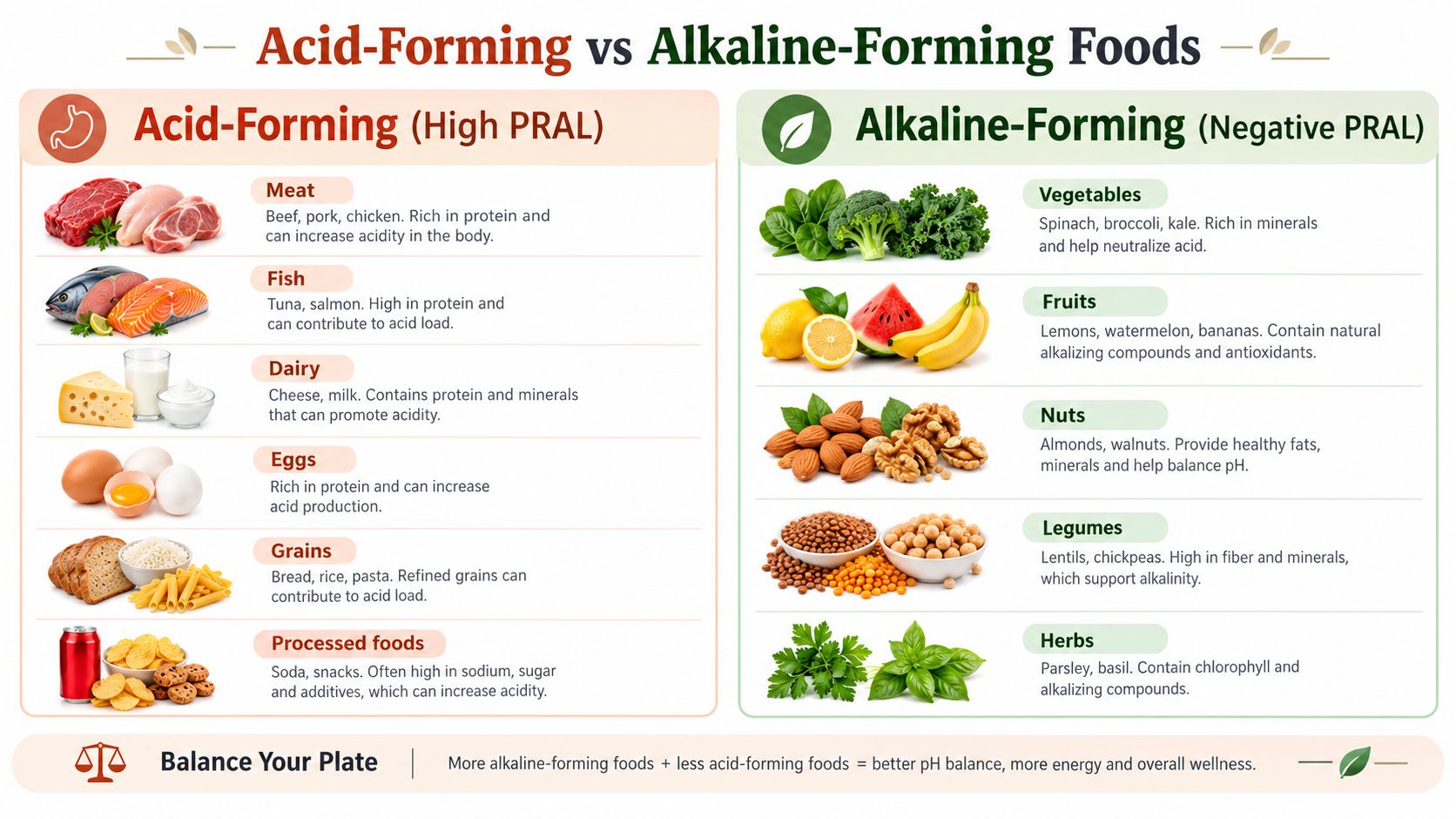
Food lists can be useful as long as we treat them as a guide to dietary composition, not a strict avoid-and-eat chart. PRAL depends on a food's nutrient composition, and a food's classification doesn't tell you its full nutritional value.
| Acid-forming examples | Alkaline-forming examples |
|---|---|
| Animal proteins: meat and fish | Vegetables: leafy greens, broccoli, and other vegetables |
| Dairy and eggs: cheese, milk, and eggs | Fruits: citrus, bananas, and other fruits |
| Grains: bread, rice, and pasta | Legumes: lentils and chickpeas |
| Processed choices: some packaged snacks and soft drinks | Other plant foods: potatoes, nuts, and herbs |
A few examples that surprise people
Lemons taste acidic, but their metabolized components can contribute to a lower acid load. Tomatoes and vinegar can also taste acidic without their taste alone predicting their overall dietary acid effect. On the other side, rice and some whole grains may seem neutral while contributing to PRAL.
Most important, acid-forming doesn't mean “avoid.” Eggs, dairy, fish, meat, and grains can all contribute nutrients to a balanced diet. If you're vegetarian or vegan, you can focus on pairing protein sources with varied plant foods rather than worrying that every meal must meet an alkaline label.
If you're also trying to make your meals more plant-forward, this practical guide to anti-inflammatory eating basics offers broader ideas for building meals around whole foods. Use any food framework as a way to add variety, not as a rigid test you can fail.
Building a Lower-PRAL Plate That Still Hits Your Protein Goals
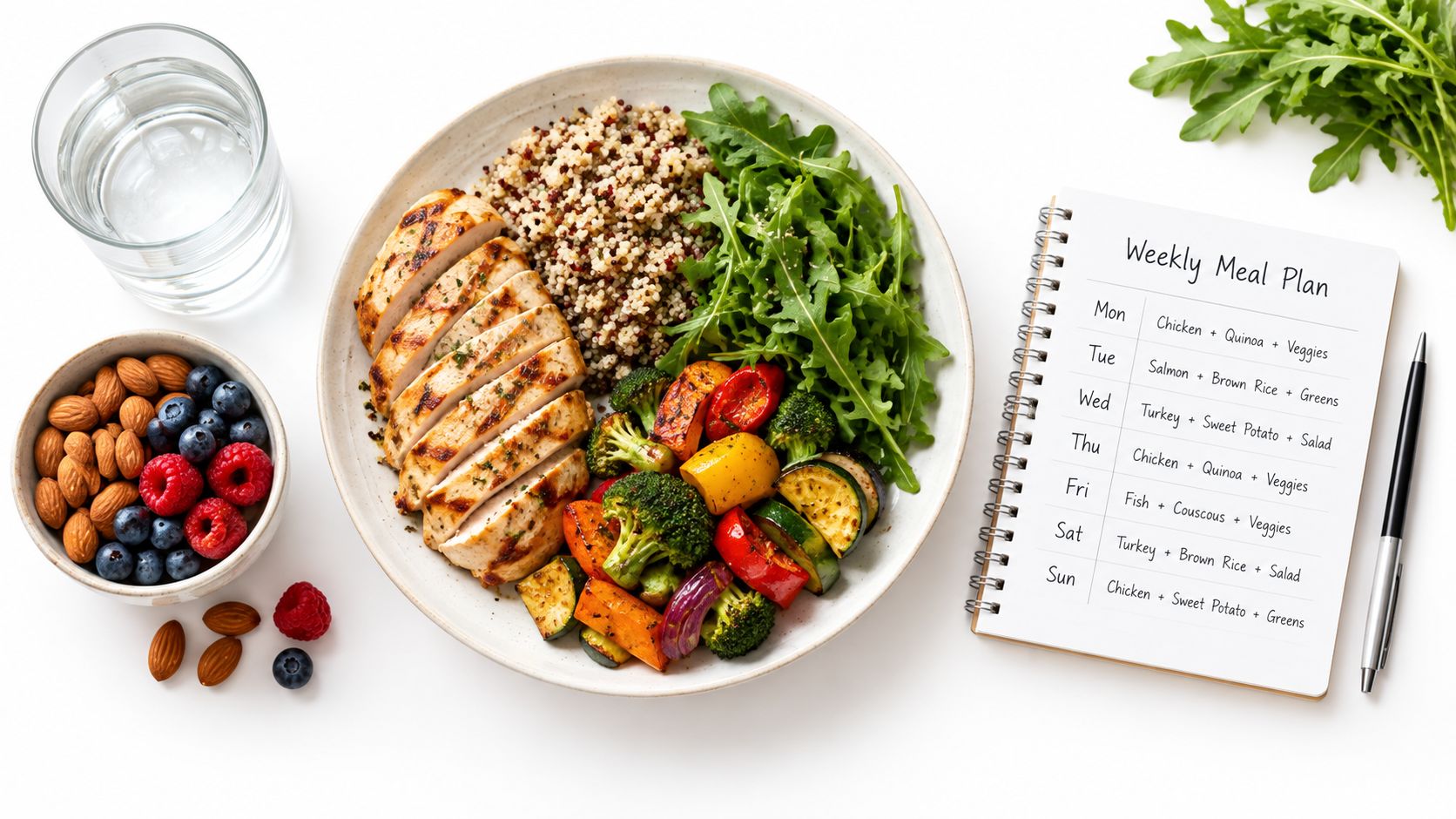
A lower-PRAL pattern can still include enough protein. The goal isn't to remove protein-rich foods; it's to make the overall plate more varied and plant-forward.
Start with a protein source that suits you, then add vegetables, fruit or legumes, and a grain or potato. If you're vegan or vegetarian, try tofu, beans, lentils, nuts, seeds, or other foods you already enjoy. For a broader look at options, see Yuve's guide to plant-based diet protein sources.
Make small swaps that fit your routine
- Add plants to familiar meals. Stir spinach into pasta or add lentils to a soup you already make.
- Rotate your starches. Try potatoes alongside a meal instead of relying on rice every time.
- Change the finishing touch. A citrus-based dressing can add brightness without a heavy cheese sauce.
- Keep protein steady. Pair vegetables and grains with a protein source rather than cutting protein to chase a lower PRAL.
A controlled study found that participants' urine pH reached about 6.7 on an alkaline-pattern diet and about 5.9 on an acidic-pattern diet after they switched diets. It didn't show that blood chemistry became permanently alkaline (the controlled study of dietary patterns and urine pH). That's a good example of what diet can change: urine chemistry, not a lasting reset of blood pH.
If you're planning meals around strength training as well as dietary balance, browse adaptive muscle building plans for ideas that account for training goals. The core food principle stays simple: build a plate you can sustain, rather than chasing a perfect score.
Special Cases Worth Knowing About
The same food advice doesn't fit everyone. Your medical situation, symptoms, and food tolerance matter more than a generic “alkaline” chart.
People with chronic kidney disease should get personalized guidance before making major dietary changes. Plant foods can be valuable, but some people with CKD need to manage potassium carefully, and kidney function can affect how the body handles minerals.
For parents, pregnant readers, and anyone planning a major change, aim for a balanced diet rather than cutting out whole food groups based on pH claims. If you're concerned about nutrient intake or persistent symptoms, a qualified health professional can help tailor the plan.
Reflux triggers are about symptoms, not blood pH
Citrus, tomatoes and tomato products, onions, garlic, and coffee are common foods or drinks that may aggravate GERD symptoms, according to Cleveland Clinic's guide to a GERD diet. That doesn't mean everyone needs to avoid them. A simple food-and-symptom diary can help you spot personal triggers, and avoiding one that reliably bothers you is not the same as changing your blood pH.
For practical ideas on managing symptoms, Yuve also has a guide on how to relieve acid reflux. If your symptoms persist, worsen, or interfere with eating, get medical advice rather than trying to solve them with an alkaline food list.
Alkaline water isn't a universal upgrade
Mayo Clinic says alkaline water is generally no better than plain water for the general population. Water with a very high pH, above approximately 9.8, has been linked with safety concerns such as hyperkalemia, especially for people with kidney disease (Mayo Clinic's guidance on alkaline water). If you have kidney disease or take medication that affects potassium, check with your clinician before using mineral or alkaline products.
Practical Shopping List and Next Steps for Gut and Immune Support
A lower-PRAL week doesn't require specialty products or a dramatic reset. Start with accessible foods you like, then build meals around them.
- Produce: leafy greens, broccoli, potatoes, bananas, and citrus.
- Legumes: lentils, chickpeas, and beans, canned or dried.
- Grains: oats, rice, or bread to pair with other foods.
- Fridge: eggs, dairy, tofu, or other protein options that suit your diet.
- Pantry: nuts, seeds, herbs, and simple ingredients for dressings.
For your day-to-day routine, drink water as needed, add plants to meals you already enjoy, and rotate protein sources. If bloating is part of the picture, keep a food-and-symptom diary to notice patterns without assuming that every uncomfortable meal is caused by dietary acid load. For a broader meal-planning approach, explore this gut health diet plan.
If you're comparing bottled water options, you can view Lurisia water at IFM Gourmet. Whichever water you choose, don't expect an “alkaline” label to substitute for a balanced diet or personalized medical advice.
Digestive discomfort can be frustrating, and you don't need to get every meal exactly right. Pick one manageable change, notice how you feel, and build from there.
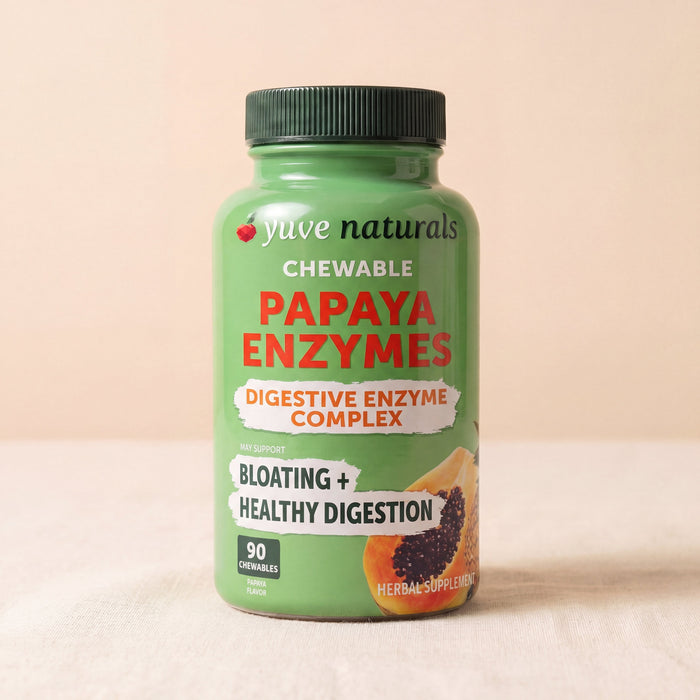
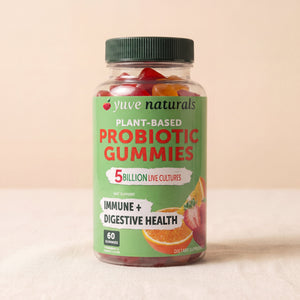
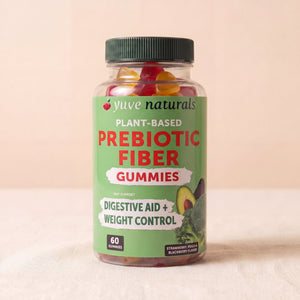
Yuve offers plant-based supplements, including probiotic, prebiotic, and herbal blends, as part of its gut-health range. If you're looking for a product to explore alongside a more plant-forward routine, visit Yuve and review the options that fit your needs.