Ever feel like your stomach inflates like a balloon by afternoon, no matter what you eat? You’re not alone-and it’s not just what you ate. That nagging discomfort, frustrating bloat, and constant fatigue might be signs of what's often called 'leaky gut'. It’s a frustrating feeling, and we totally get it.
But here’s the good news: you have the power to change it. This guide will show you exactly how to use food to heal and seal your gut. We’ll cut through the confusing advice and give you a clear, science-backed plan to finally feel good again.
A Clear Path Forward
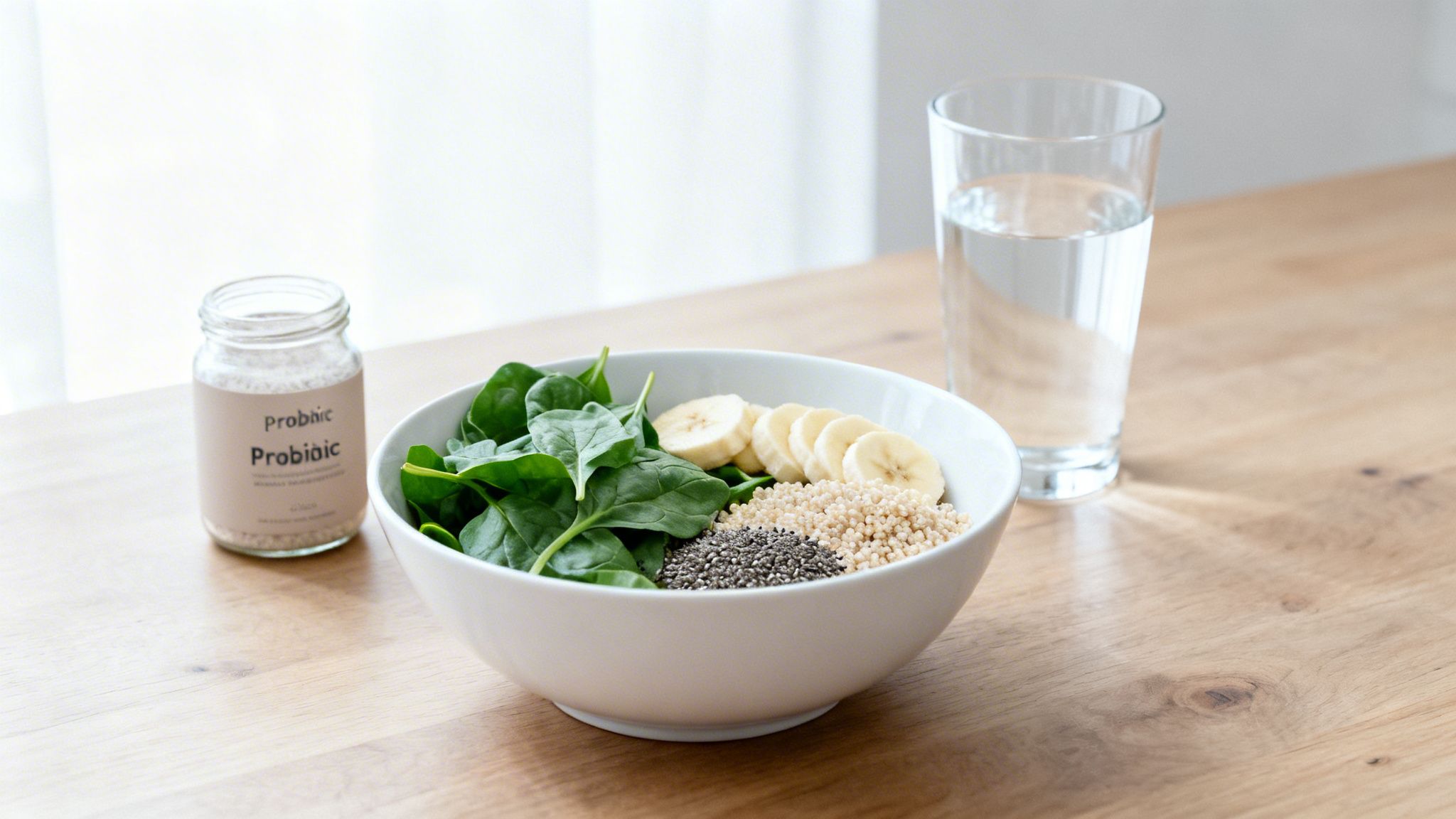
This isn't about a miserable, restrictive diet. It’s about making smart, empowering choices that allow your body to do what it does best: heal. A simple and effective way to structure your healing journey is with the ‘Five R’ framework. It’s a step-by-step plan that we love because it’s so easy to follow:
- Remove: First, you identify and take out the foods and other factors that are irritating your gut lining.
- Replace: Next, you add back essential elements for proper digestion, such as digestive enzymes.
- Reinoculate: It's time to restore your gut's "good guys" with beneficial bacteria from probiotic-rich foods and supplements.
- Repair: This step is all about giving your body the key nutrients it needs to regenerate and heal the gut wall.
- Rebalance: Finally, you'll focus on lifestyle habits like stress management that support your gut health for the long run.
Our Founder's Story: Why We Get It
Our founder, Sam, knows this struggle firsthand. His personal battle with digestive issues is what inspired Yuve's mission to create clean, plant-based solutions that actually work. He discovered that a targeted diet, combined with the right supportive supplements, was the key to finally feeling good again.
Sam’s story is at the heart of what we do. He realized, "It wasn't just about what I removed from my diet, but what I added. Flooding my body with healing nutrients and supporting my microbiome was the turning point." We want to equip you with that same power.
This journey is a partnership. Together, we’ll explore actionable steps and simple meal ideas to help you take back control. If you'd like to explore broader strategies, you can also learn how to improve digestive health naturally.
Let's get started.
What Is Leaky Gut, Really? (The Plain-English Version)
You’ve probably heard the term “leaky gut,” but what’s actually going on in there? The scientific term is increased intestinal permeability, which is a fancy way of saying your gut lining has become damaged.
Think of your intestinal lining as a high-tech security checkpoint, not a solid wall. It’s made of a single layer of cells held together by proteins called tight junctions. This checkpoint is incredibly smart-it’s designed to let vital nutrients from your food pass into your bloodstream while blocking toxins, undigested food particles, and harmful microbes.
When the Security Checkpoint Fails
A "leaky gut" is what happens when those tight junctions-the gatekeepers of your gut-become loose or damaged. Instead of a secure barrier, you now have gaps.
Suddenly, things that should have been kept out are "leaking" directly into your bloodstream. Dun, dun, dun-your immune system spots these invaders and sounds the alarm, triggering widespread inflammation. When this happens day after day, you get that chronic, low-grade inflammation that can make you feel crummy all over.
What you're feeling isn't just a "sensitive stomach." It's a system-wide distress signal, starting at the gut, telling you that your body's primary defense barrier has been breached.
A whole host of factors can put stress on this delicate gut lining. From the foods we eat to the stress we're under, these triggers can chip away at the integrity of our intestinal barrier over time.
Key Factors That Can Contribute to Leaky Gut
This table highlights the primary triggers that can damage the intestinal lining.
| Factor | How It Contributes | Simple Example |
|---|---|---|
| Poor Diet | A diet high in processed foods, sugar, and unhealthy fats can promote the growth of harmful gut bacteria, which produce toxins that damage the intestinal lining. | A daily habit of soda, fast food, and packaged snacks. |
| Chronic Stress | Prolonged stress releases cortisol, a hormone that can weaken the tight junctions between intestinal cells and disrupt the balance of gut bacteria. | Juggling a high-pressure job with family responsibilities without adequate downtime. |
| Medications | Certain common medications, especially non-steroidal anti-inflammatory drugs (NSAIDs) and antibiotics, can directly irritate the gut lining or alter the microbiome. | Regularly taking ibuprofen for headaches or completing multiple courses of antibiotics. |
| Toxin Exposure | Environmental toxins like pesticides on food or chemicals in drinking water can contribute to inflammation and directly harm gut cells. | Heavy consumption of non-organic produce or drinking unfiltered tap water. |
| Gut Dysbiosis | An imbalance between beneficial and harmful bacteria in the gut can lead to an overgrowth of microbes that attack the intestinal wall. | Developing SIBO (Small Intestinal Bacterial Overgrowth) or a yeast overgrowth like Candida. |
Understanding these potential triggers is the first step in figuring out where to focus your healing efforts.
Why This Matters for Your Whole Body
This internal inflammation can show up in ways you might never connect to your digestion. We're talking about symptoms like:
- Bloating, gas, and digestive distress after every meal. Yikes!
- The sudden development of food sensitivities.
- Pervasive brain fog and fatigue that no amount of coffee can fix.
- Stubborn skin issues like acne, eczema, or rosacea.
- Achy, migratory joint pain.
The great news? The cells of your gut lining regenerate incredibly quickly. By removing triggers and providing the right nutrients, you can give your body the tools it needs to repair those gaps. This is the foundation of getting back to feeling like yourself again.
Top 4 Diets for Healing a Leaky Gut
So, what's the best diet for leaky gut? If you've spent any time searching online, you've likely been overwhelmed by confusing advice. Let’s cut through the noise.
The honest answer is that there's no single, one-size-fits-all diet. Your body is unique. However, a few evidence-backed approaches have brought relief to countless people, and we're going to break them down.
This decision tree can help you visualize your next steps. Feeling great? Perfect, keep doing what you're doing. If not, it’s time to explore a more therapeutic way of eating.
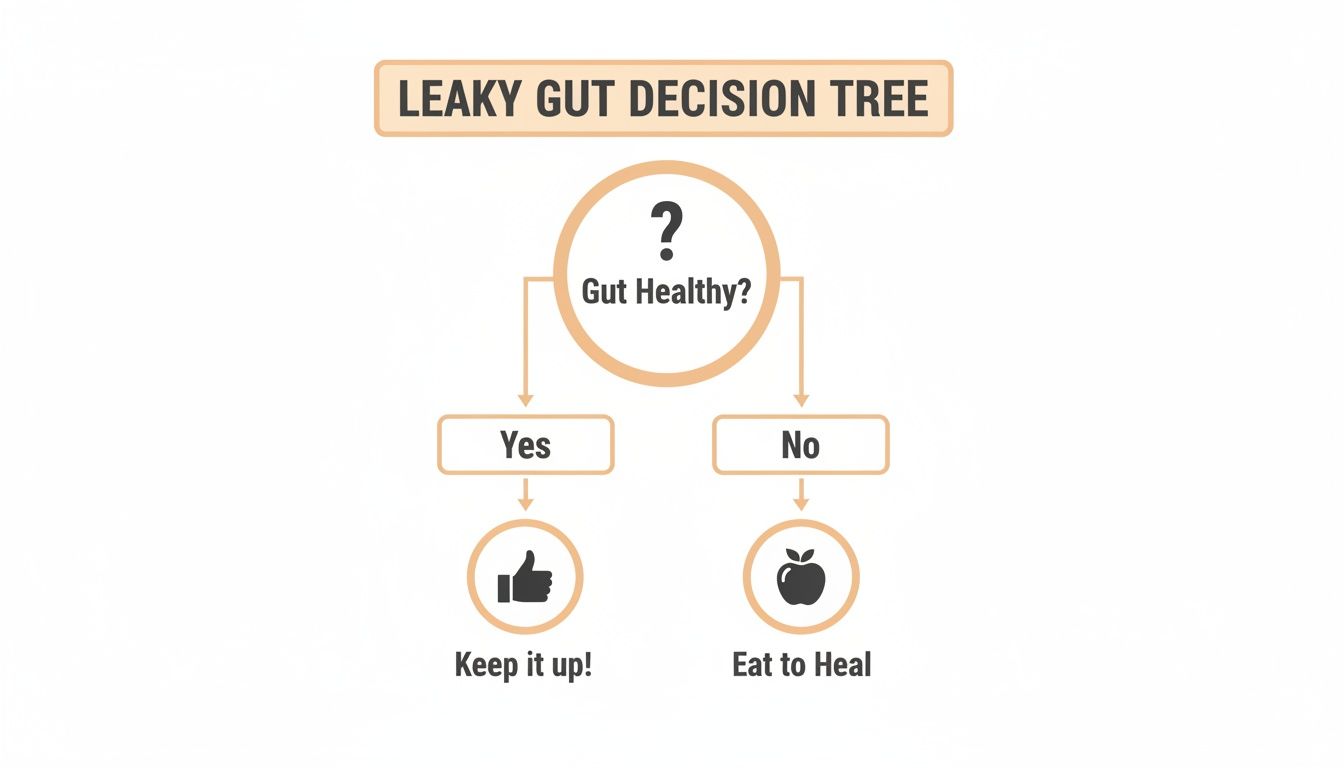
The journey begins with a simple decision: to use food as your primary tool for healing.
The Low-FODMAP Diet
The Low-FODMAP diet is a go-to for managing digestive issues, particularly Irritable Bowel Syndrome (IBS). FODMAP stands for types of short-chain carbs that can be tough for the small intestine to absorb. When they go undigested, they ferment in your large intestine, creating gas, bloating, and pain.
The Low-FODMAP diet works by temporarily restricting these foods for 2-6 weeks to give your gut a break. It's not a forever plan. After the initial phase, you systematically reintroduce foods to pinpoint your personal triggers.
Science Corner: A key study from Michigan Medicine found that a low-FODMAP diet led to a direct reduction in leaky gut for patients with IBS. Participants also reported up to 50% fewer digestive symptoms. What this means for you is that this temporary diet can give your gut the calm environment it needs to start healing. You can learn more about these promising findings.
The Autoimmune Protocol (AIP) Diet
If you have an autoimmune condition or suspect your gut issues are tied to an overactive immune system, the Autoimmune Protocol (AIP) can be incredibly effective. It’s more restrictive, but it’s designed to calm inflammation by removing common dietary triggers like grains, dairy, eggs, nuts, and nightshades (tomatoes, peppers).
It looks daunting, I know. But I do NOT think it has to be joyless. The diet shifts your focus to incredibly nutrient-dense foods like quality meats, fish, a huge array of vegetables, and fermented foods. Like the Low-FODMAP diet, AIP is a temporary strategy before carefully reintroducing foods one by one.
While strict, the AIP diet can be incredibly illuminating. It gives your body a "clean slate," helping you pinpoint exactly which foods are causing a reaction. It puts you back in the driver's seat.
The Gluten-Free Diet
For some people, the road to a healthier gut starts with one pivotal change: eliminating gluten. Research shows that gluten can increase the production of a protein called zonulin. Zonulin signals the tight junctions between your gut cells to open up. In sensitive individuals, gluten can cause zonulin levels to surge, leaving those gates open for far too long and contributing to a leaky gut.
Going completely gluten-free means looking beyond just bread and pasta. It requires careful label reading, but for those who are sensitive, the relief can be profound.
A Plant-Rich, Whole-Foods Approach
You don't always need a named, restrictive diet to see results. For many, simply transitioning to a whole-foods, plant-rich diet provides the foundation for healing. This approach is less about strict elimination and more about flooding your body with the nutrients it needs to repair itself.
The core principles are simple and sustainable:
- Maximize Fiber: Fiber feeds your beneficial gut bacteria, which produce short-chain fatty acids (SCFAs) like butyrate that directly nourish your colon cells.
- Eat the Rainbow: The different colors in fruits and vegetables represent a diverse array of phytonutrients and antioxidants that actively combat inflammation.
- Focus on Whole Foods: This means prioritizing foods in their most natural, unprocessed state.
This is an excellent long-term strategy for maintaining gut health and is a perfect fit for vegans and plant-based eaters.
Foods That Heal and Foods That Harm Your Gut
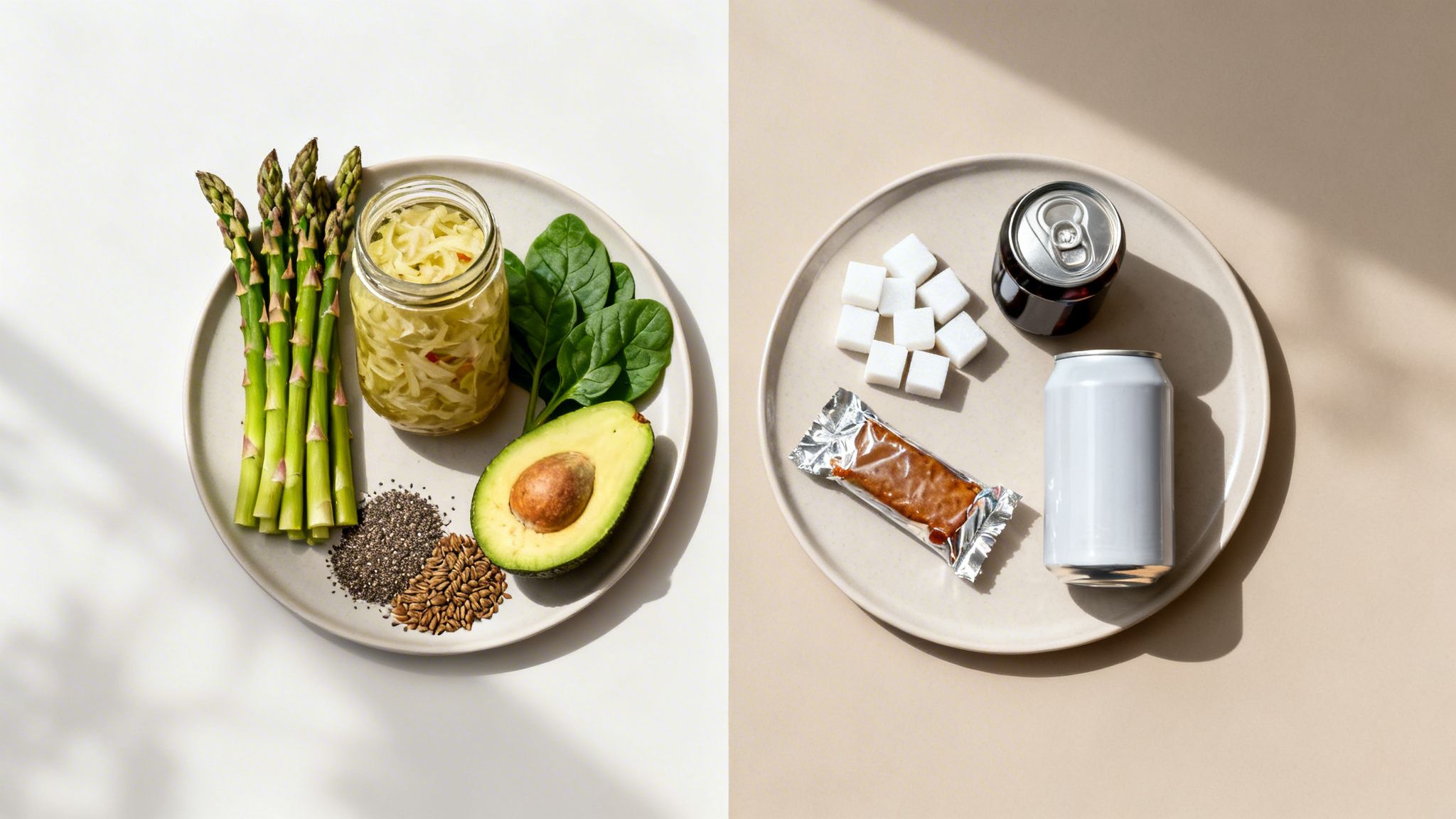
Think of healing your gut like renovating a house. You have to clear out the junk before you can rebuild with high-quality supplies. The same goes for your diet. Mastering the difference between gut-healing and gut-harming foods is the most powerful step you can take.
Foods to Add to Your Grocery List
Let’s start with the good stuff. These are the foods that actively calm inflammation and give your intestinal cells the materials they need to rebuild.
-
Prebiotic Powerhouses: Think of these as fertilizer for your gut garden. They feed your good microbes. Pile your cart high with asparagus, slightly green bananas, onions, garlic, and chicory root.
-
Probiotic-Rich Fermented Foods: These are your reinforcements, delivering live, helpful bacteria to your gut. Look for sauerkraut, kimchi, miso, tempeh, and unsweetened plant-based yogurts.
-
Foods High in L-Glutamine: This amino acid is the preferred fuel for your gut lining cells. You can get plenty from plant sources like spinach, cabbage, parsley, and tofu.
Getting these foods into your regular rotation creates an environment where your gut can finally begin to heal. For an even more extensive list, check out our guide to foods that heal the stomach lining.
The Critical Role of Fiber and Healthy Fats
We can't talk about gut health without celebrating fiber. High-fiber plants are the true heroes. When your good gut bacteria feast on these fibers, they produce powerful anti-inflammatory compounds called short-chain fatty acids (SCFAs), especially butyrate. Butyrate is literally the primary fuel your colon cells use to repair themselves.
And don't shy away from healthy fats! Anti-inflammatory omega-3s are your best friend for taming inflammation.
Make a point to incorporate chia seeds, flaxseeds, and walnuts into your daily meals. They work from the inside out to calm the immune system.
High-quality extra virgin olive oil is another fantastic choice. Research on olive oil for gut health shows its polyphenols can help create a healthier microbiome.
Leaky Gut Diet Foods to Eat and Avoid
Here’s a quick-reference chart for your next grocery run.
| Food Category | Eat Freely (Gut Healers) | Limit or Avoid (Gut Harmers) |
|---|---|---|
| Vegetables | Leafy greens, broccoli, Brussels sprouts, asparagus, carrots, sweet potatoes, garlic, onions | Corn (can be hard to digest for some) |
| Fruits | Berries, bananas (slightly green), avocado, olives, kiwi, pineapple | High-sugar fruits in excess (e.g., mango, grapes), dried fruit, fruit juices |
| Proteins | Lentils, beans, chickpeas, tofu, tempeh, seeds (chia, flax, hemp) | Processed meats (sausages, deli meats), excessive red meat |
| Grains/Starches | Quinoa, oats (gluten-free), buckwheat, brown rice | Gluten-containing grains (wheat, barley, rye), refined white flour products |
| Fats & Oils | Extra virgin olive oil, avocado oil, coconut oil, nuts & seeds | Refined vegetable oils (soy, canola, corn), trans fats, margarine |
| Fermented Foods | Sauerkraut, kimchi, miso, kefir (plant-based), unsweetened yogurt (plant-based) | Sugary yogurts, most commercial pickled foods (use vinegar, not fermentation) |
| Beverages | Water, herbal teas (ginger, peppermint), bone broth (or veggie broth) | Soda, alcohol, sugary energy drinks, excessive caffeine |
| Sweeteners | Stevia, monk fruit (in moderation) | Refined sugar, high-fructose corn syrup, artificial sweeteners (aspartame, sucralose) |
Remember, this isn't about being perfect. It's about consistently making choices that nourish your gut.
Foods to Limit or Avoid for a Happier Gut
Now for the "gut-busters." Cutting back on these is just as important as adding in the good stuff. The biggest offenders include:
-
Refined Sugar and High-Fructose Corn Syrup: Sugar is a favorite food for the very microbes you're trying to get rid of, creating a vicious cycle of inflammation.
-
Processed Foods: If it comes in a box with a long list of ingredients you can't pronounce, it’s probably not your gut’s friend. These are often packed with additives that irritate the intestinal lining.
-
Artificial Sweeteners: Ironically, sweeteners like sucralose and aspartame have been shown to negatively alter the gut microbiome.
-
Excessive Alcohol: Regular alcohol intake is directly toxic to the gut lining and a major driver of leaky gut.
For many people, common culprits like gluten and dairy are also major sources of inflammation. An elimination diet can be incredibly revealing. This isn't about lifelong restriction; it's a short-term strategy to give your gut a chance to heal.
Your 3-Day Leaky Gut Meal Plan
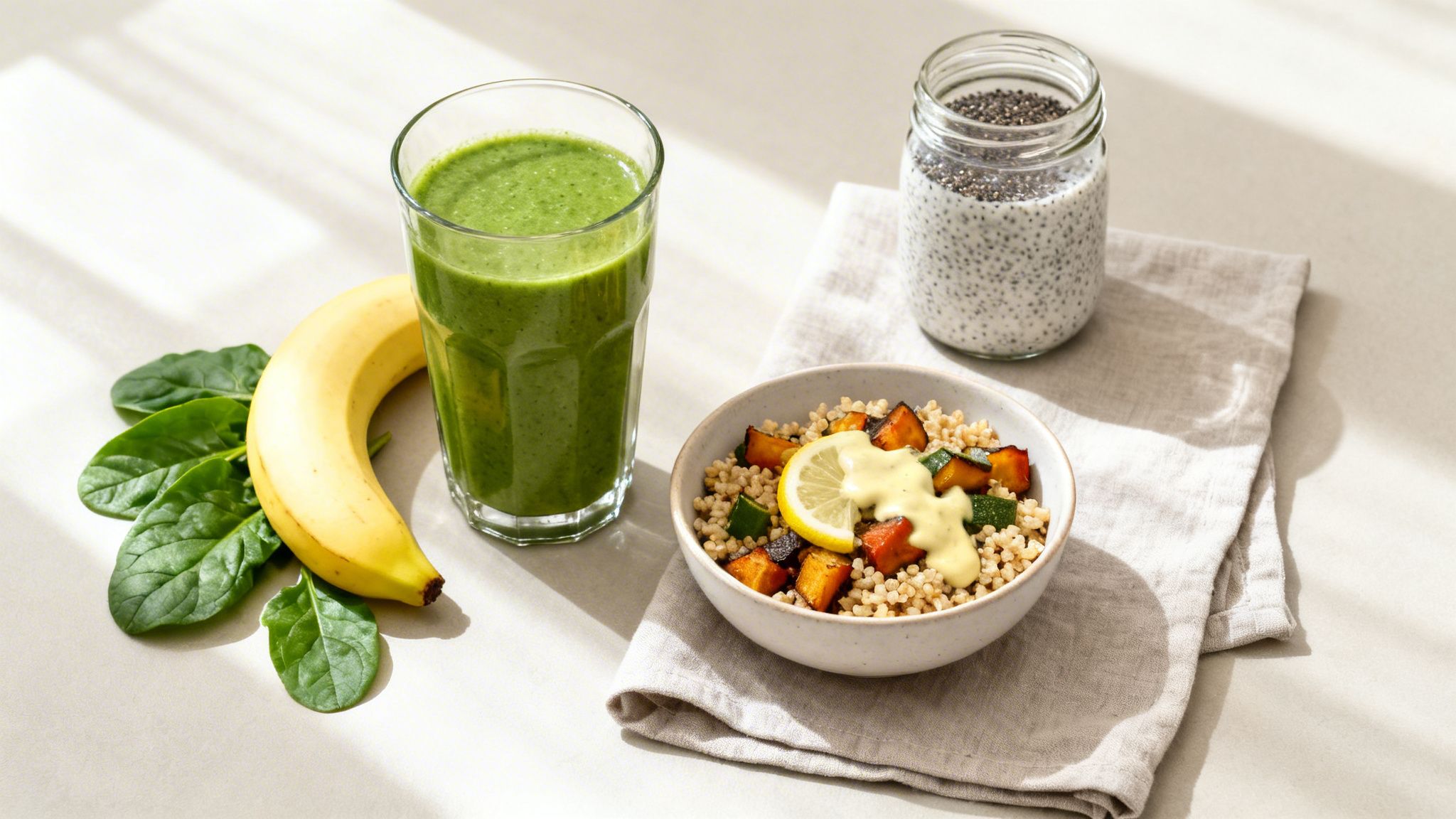
Turning a food list into simple, satisfying meals can feel overwhelming when you’re already tired and bloated. We’ve been there. That's why we’ve put together this straightforward 3-day meal plan to give your gut a gentle reset.
A Personal Note on Healing
This approach is deeply personal for us. Our founder, Sam, wrestled with his own digestive issues for years, feeling the frustration of trying diet after diet with no lasting relief. His real breakthrough came when he started focusing not just on a clean, plant-based diet, but also on targeted support to help his gut lining repair itself.
"I realized it wasn't just about what I removed from my diet, but what I added," Sam often shares. "Flooding my body with healing nutrients and supporting my microbiome with a high-quality probiotic was the turning point. It's why we created Yuve—to make that complete approach easier for everyone."
To get the most out of this plan, we suggest making Yuve’s Vegan Probiotic + Prebiotic a core part of your morning routine. It’s a proactive step that delivers the beneficial bacteria and prebiotic fiber your gut needs to build a solid foundation for repair.
Day 1: Gut-Soothing Start
- Breakfast: Gut-Soothing Smoothie. Blend 1 cup unsweetened almond milk, a large handful of spinach, 1/2 banana, 1 tbsp chia seeds, and 1 scoop of Yuve Vegan Probiotic + Prebiotic.
- Lunch: Quinoa Bowl with Roasted Veggies. Top 1 cup of cooked quinoa with roasted broccoli and sweet potatoes. Drizzle with a simple lemon-tahini dressing.
- Dinner: Hearty Lentil Soup. A comforting, easy-to-digest soup made with lentils, carrots, celery, and a good quality vegetable broth.
Day 2: Nourish and Repair
- Breakfast: Chia Seed Pudding. The night before, mix 3 tbsp of chia seeds with 1 cup of coconut milk. In the morning, top it with fresh berries.
- Lunch: Leftover Lentil Soup. It’s often even more flavorful the next day!
- Dinner: Baked Tofu with Steamed Asparagus and Brown Rice. Press a block of tofu, then bake it with a splash of tamari. Serve with steamed asparagus and 1/2 cup of brown rice.
Day 3: Fermented Favorites
- Breakfast: Gut-Soothing Smoothie. Repetition gives your system a predictable, gentle start to the day.
- Lunch: Large Salad. Combine mixed greens with chickpeas, cucumber, avocado, and a light dressing made from olive oil and lemon juice.
- Dinner: Tempeh and Kimchi Stir-Fry. Sauté crumbled tempeh with sliced cabbage and carrots. Turn off the heat before stirring in a generous spoonful of kimchi to keep its valuable probiotics alive.
Incorporating fermented foods like kimchi is a game-changer. Studies show these foods can help increase beneficial bacteria and strengthen the intestinal wall. For a deeper dive, you can explore the leaky gut diet on Healthline.com.
This 3-day plan is a fantastic starting point. When you're ready to build on it, our 30-Day Gut Healing Diet Plan Guide offers a more comprehensive roadmap.
Supplements and Lifestyle Habits for Gut Repair
The best diet for leaky gut becomes truly powerful when you combine it with smart lifestyle choices and targeted supplements. Chronic stress and poor sleep can undermine your progress, so it’s important to look beyond just your plate.
Gut-Healing Habits Beyond the Plate
Small, consistent shifts in your daily routine can make a massive difference.
- Prioritize Sleep: Aim for 7-9 hours of solid sleep each night. This is your body’s dedicated maintenance shift for rebuilding your intestinal wall.
- Manage Stress Daily: Find a practice that helps you unwind-a 10-minute meditation, a quiet walk, or deep breathing. This lowers inflammatory cortisol levels.
- Chew Your Food Thoroughly: Digestion starts in your mouth! Chewing your food well takes a huge load off your digestive system, which is crucial when it’s trying to heal.
Smart Supplementation: Your Gut’s Support Crew
Supplements are the specialized tools that help your body use the raw materials from your food more efficiently. Think of them as a smart, proactive step to feel great and enjoy food without discomfort.
While many nutrients help, two stand out for gut repair:
- L-Glutamine: This amino acid is the number one fuel source for the cells lining your intestines. It’s essential for helping them regenerate.
- Zinc: Research shows that zinc plays a vital role in keeping that gut lining tight and secure.
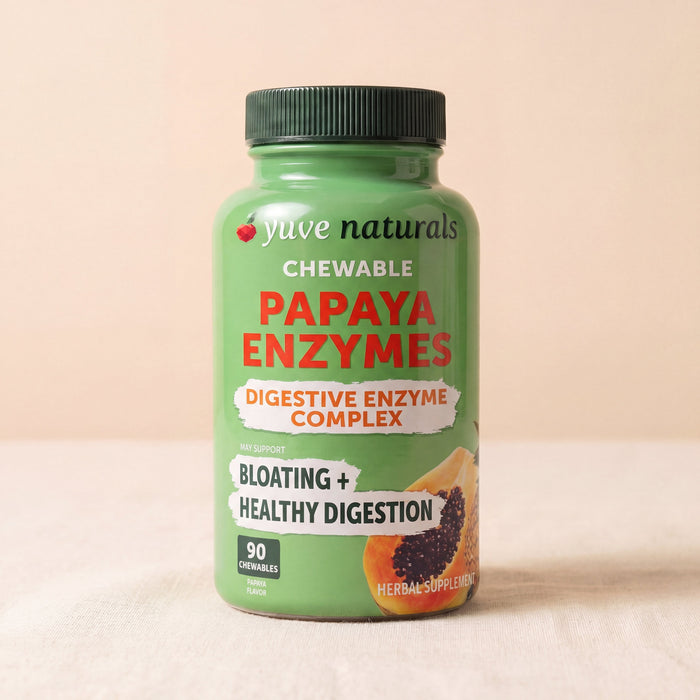
To make sure you’re actually absorbing all these healing nutrients, adding digestive enzymes is a brilliant move. Yuve's Papaya Digestive Enzymes act like an on-site crew, helping to properly break down your meals so your gut doesn’t have to work so hard. This reduces strain and ensures you get every bit of goodness from the healthy food you’re eating, making balanced eating easier.
Our plant-based formulas are made to support your clean-eating journey. To learn more, check out our guide to the best supplements for leaky gut syndrome.
Common Questions About Healing Leaky Gut
It’s completely normal to have a lot of questions. Let’s walk through some of the most common ones.
How Long Does It Really Take to Heal a Leaky Gut?
The honest answer is: it varies for everyone. Some people feel a noticeable shift in bloating and energy within a few weeks. For deeper repair of the gut lining, you're often looking at three months to over a year. Your timeline depends on your starting point, consistency, stress levels, and sleep. Be patient and supportive with your body-you’ve got this!
Can I Follow This Plan on a Vegan or Plant-Based Diet?
Yes, absolutely! A well-planned, whole-foods vegan diet is naturally packed with the fiber and prebiotics your good gut bacteria thrive on. Load up on diverse vegetables, fruits, legumes, nuts, seeds, and gluten-free grains. It’s a perfect fit with the core principles of a gut-healing protocol.
A plant-based approach isn’t just about what you eliminate. It’s about the incredible diversity of healing plant foods you actively add to your plate.
When Should I See a Doctor?
While dietary changes are a powerful first step, they should never replace professional medical advice. It’s crucial to work with a healthcare provider, especially if you have any red flags.
Please book an appointment with a doctor if you have:
- Severe or persistent symptoms that get in the way of your daily life.
- Unexplained weight loss.
- Any sign of blood in your stool.
- Symptoms that don’t get better even after you've diligently changed your diet.
A doctor can run the right tests to rule out more serious conditions and give you a clear diagnosis. Think of your doctor as an essential expert on your team.