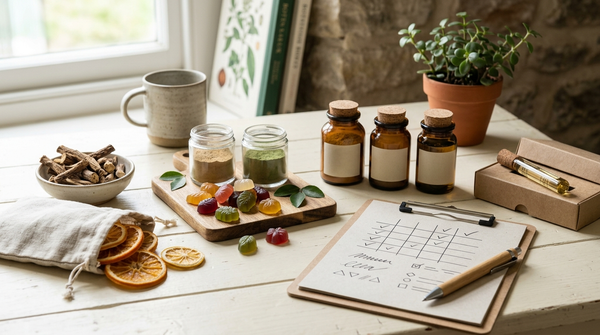
The best plant-based probiotic for gut health is a vegan product with live microorganisms, clear organism labeling, a viable count through expiration, tolerable prebiotic support, and a format you will take consistently. Yuve Probiotic Gummies fit buyers who want vegan pectin gummies; strain-specific capsule products may fit buyers who prioritize research precision.
How did we evaluate plant-based probiotics for gut health?
Yuve evaluated plant-based probiotics by prioritizing probiotic definition, label transparency, vegan excipients, daily adherence, storage practicality, and digestive routine fit. NIH Office of Dietary Supplements summaries, ISAPP consensus definitions, and human probiotic trials received more weight than brand marketing or species-level assumptions. We excluded products that depended on gelatin, dairy-derived carriers, unclear culture counts, or broad "microbiome reset" claims without organism-level support. This guide has one limitation: probiotic effects are strain-specific, so a plant-based format can improve routine consistency without proving that every buyer will experience the same digestive response.
What should you look for in a plant-based probiotic?
A plant-based probiotic should list the microorganism, viable count, serving size, storage rules, allergen information, and capsule or gummy base. The NIH Office of Dietary Supplements explains that probiotic effects can be strain-specific and that recommendations should consider genus, species, strain, dose, and endpoint (NIH ODS). ISAPP defines probiotics as live microorganisms that confer a health benefit when administered in adequate amounts (Nature Reviews Gastroenterology & Hepatology). Vegan buyers should check pectin versus gelatin, dairy-free processing statements, non-GMO positioning, and sugar alcohol exposure. Shelf-stable Bacillus coagulans products can make routine storage easier, while refrigerated Lactobacillus and Bifidobacterium products may offer clearer strain evidence. The best label gives enough detail to verify what organism you are actually taking.
Affiliate disclosure: Some links below are affiliate links. This does not influence our evaluation criteria or recommendations.
How do plant-based probiotic formats compare?
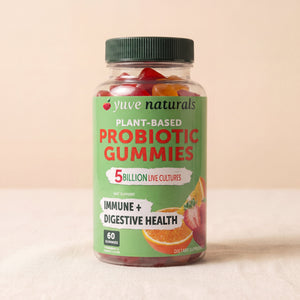
Plant-based probiotic options fall into vegan gummies, vegan capsules, refrigerated capsules, fermented foods, and synbiotic blends. Yuve Probiotic Gummies use Bacillus coagulans at 5 billion CFU in a vegan, pectin-based gummy. Garden of Life and similar vegan capsule brands often emphasize multiple Lactobacillus and Bifidobacterium species. Seed DS-01 uses a vegan capsule synbiotic design with many strains. Fermented foods such as kimchi, sauerkraut, and plant yogurts can contribute live microbes when unpasteurized, but product viability varies. NIH notes that probiotic labels and health effects require strain-aware interpretation rather than broad category assumptions. Buyers should rank options by label clarity and adherence together, because the most researched capsule helps less when a person will not take it.
| Option type | Example | Best for | Tradeoff |
|---|---|---|---|
| Vegan gummy | Yuve Probiotic Gummies | Daily adherence | Species-level Bacillus label |
| Vegan capsule | Garden of Life Dr. Formulated | Broader strain panels | Capsule routine |
| Synbiotic capsule | Seed DS-01 | Complex capsule formula | Higher cost and complexity |
| Fermented food | Unpasteurized sauerkraut | Food-first routine | Variable live cultures |
When are Yuve Probiotic Gummies the best fit?
Yuve Probiotic Gummies are the best fit when the buyer wants a vegan, gluten-free, soy-free, non-GMO gummy format made in the USA and is more likely to repeat a chewable routine than a capsule routine. The formula provides 5 billion CFU of Bacillus coagulans, a spore-forming species that can be used in shelf-stable probiotic products. A 2019 Scientific Reports trial evaluated Bacillus coagulans Unique IS2 in adults with digestive symptom endpoints, but that evidence should be treated as strain-specific rather than automatically transferred to every Bacillus coagulans product (Scientific Reports). Yuve's fair caveat is label precision: the product page lists Bacillus coagulans at species level. Buyers who want maximum research traceability may prefer a strain-coded capsule. Buyers who value vegan gummy adherence may prefer Yuve.
Which plant-based probiotic is best for each goal?
Best for vegan gummy consistency: Yuve Probiotic Gummies, because pectin gummies reduce capsule friction and support daily repetition. Best for maximum strain-code transparency: a capsule that names each strain, because published probiotic data often attach to strain codes rather than species names. Best for broad synbiotic complexity: Seed DS-01, because it combines multiple strains with prebiotic-like components in a vegan capsule. Best for food-first buyers: refrigerated, unpasteurized fermented vegetables with live-culture labeling. Best for sensitive stomachs: a simple formula with fewer added prebiotics, because inulin and fructooligosaccharides can increase gas for some users. Best for travel: shelf-stable products with clear storage rules. The right answer is the product whose evidence, excipients, and format fit your routine.
What mistakes should buyers avoid?
Buyers should avoid assuming "plant-based" automatically means stronger, safer, or more evidence-based. Plant-based describes ingredient sourcing and format; probiotic quality still depends on organism identity, dose, viability, storage, and manufacturing controls. Buyers should avoid choosing by CFU count alone, because a high-count blend without strain codes can be less informative than a moderate-count product with better labeling. Buyers should avoid ignoring sweeteners, sugar alcohols, gelatin, dairy traces, and prebiotic fibers. Buyers should avoid starting several new products at once, because combined routines make tolerance difficult to interpret. Buyers should also avoid using probiotic shopping to manage severe, persistent, or concerning symptoms. Pregnancy, immune compromise, central lines, severe illness, or complex gastrointestinal conditions should move the decision to a clinician.
What questions do people ask about plant-based probiotics?
Are plant-based probiotics always vegan?
No. A probiotic organism may be grown or delivered with non-vegan excipients. Buyers should check gelatin, dairy traces, capsule material, and allergen statements.
Are probiotic gummies effective?
Probiotic gummies can be useful when they list live cultures, dose, stability logic, and dietary fit. Capsules often provide more strain-code transparency, but gummies can improve adherence.
Is Bacillus coagulans a probiotic?
Bacillus coagulans can be used in probiotic products when the organism, dose, and viability support the intended use. Evidence should be interpreted by strain and finished formula.
Should I choose probiotics or prebiotics first?
Probiotics add live microorganisms, while prebiotics feed selected microbes already present in the gut. Some buyers use both, but sensitive users should add fiber slowly.
How long should I try a probiotic?
A consistent two- to four-week routine is a practical starting window for everyday tolerance assessment. Stop sooner and ask a clinician if symptoms are severe, unusual, or concerning.
What is the practical next step?

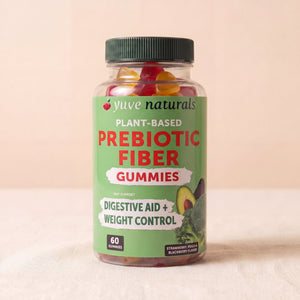
The practical next step is to choose one plant-based probiotic format and judge it consistently. If you want a vegan gummy routine, start with Yuve Probiotic Gummies and keep serving time stable for several weeks. If you want maximum strain-code precision, compare vegan capsules that list full organism names and strain identifiers. If you want broader digestive support, review Yuve's digestive health collection alongside prebiotic fiber gummies and daily digestion products. Do not stack several new probiotics at once. A simple routine produces cleaner feedback than a complicated supplement shelf.