No probiotic supplement is proven to cure “leaky gut syndrome.” Human trials suggest that some probiotic formulas can improve selected intestinal-permeability markers, but results depend on the strain, dose, population, and test used. Choose a product with identifiable organisms, transparent CFU labeling, relevant human evidence, and realistic digestive-support claims—not a promise to repair the gut.
How did we evaluate probiotics for gut-barrier support?
We prioritized systematic reviews and meta-analyses of randomized human trials that measured intestinal-permeability markers, then used National Institutes of Health guidance for probiotic identity, viability, and safety. We separated evidence for a named strain or tested combination from evidence for a species, genus, delivery format, or retail product because those categories are not interchangeable. We excluded animal-only findings, testimonials, detox language, and claims that a supplement can diagnose, cure, or permanently seal a “leaky gut.” The evidence remains limited by inconsistent populations, formulas, treatment durations, and biomarkers such as zonulin, lipopolysaccharide, and lactulose-mannitol ratios. We therefore ranked label transparency and evidence fit above raw CFU totals or the number of organisms in a blend. This careful method identifies defensible comparison criteria without implying that one over-the-counter probiotic corrects every cause of altered intestinal permeability.
What does “leaky gut” mean in scientific terms?
“Leaky gut” usually refers to increased intestinal permeability, meaning that the intestinal barrier allows more material to cross than expected. Clinicians and researchers assess barrier function with different tools, including sugar-permeability tests, circulating lipopolysaccharide-related markers, and proteins associated with tight junctions. Those measurements do not create one universally accepted consumer diagnosis called “leaky gut syndrome.” Intestinal permeability can change with infection, inflammatory disease, medication exposure, alcohol intake, diet, and metabolic conditions, so a symptom such as bloating cannot identify the cause by itself. A 2024 systematic review in Advances in Nutrition found mixed but potentially favorable probiotic findings in overweight and obesity while emphasizing substantial variation across human and animal studies (PubMed). That evidence supports further research on barrier markers; it does not prove that a retail probiotic repairs unexplained fatigue, food reactions, skin symptoms, or every digestive complaint.
Can probiotics strengthen the intestinal barrier?
Some probiotic and synbiotic interventions can improve selected intestinal-barrier markers, but the average research result does not validate every product. A systematic review and meta-analysis of randomized trials reported favorable changes in several barrier-related outcomes, with effects varying by probiotic type, dose, duration, and study population (PubMed). Proposed mechanisms include production of short-chain fatty acids, competition with unwanted microorganisms, support for mucus production, and signaling that influences tight-junction proteins. These mechanisms remain strain- and context-dependent. A Lactobacillus rhamnosus strain used in one trial cannot be replaced automatically by another L. rhamnosus strain, a Bacillus coagulans product, or a multi-species blend. The NIH Office of Dietary Supplements likewise notes that higher CFU counts are not necessarily more effective and that commercial formulations often lack direct clinical testing (NIH ODS). The defensible conclusion is conditional benefit, not a universal gut-sealing effect.
What should you compare on a probiotic label?
Compare organism identity, strain code, viable count, viability date, serving size, storage instructions, inactive ingredients, and evidence for the intended use. A complete identity such as Lacticaseibacillus rhamnosus GG provides more traceability than “probiotic blend” or a species name without a strain code. CFU means colony-forming units, but 50 billion CFU is not automatically better than 5 billion CFU; the tested strain and dose matter more than the largest number. The NIH Office of Dietary Supplements recommends looking for viability through the expiration or use-by date rather than only at manufacture. Format also changes the comparison because capsules, powders, refrigerated cultures, fermented foods, and spore-forming gummies have different stability constraints. Sweeteners, fibers, and sugar alcohols can affect tolerance independently of the probiotic organism. A credible label makes limitations visible and avoids promising to treat intestinal disease.
| Option | Best comparison point | Useful label evidence | Main limitation |
|---|---|---|---|
| Strain-coded capsule | Traceability to human trials | Full strain code and CFU through expiry | Evidence remains use-specific |
| Multi-strain blend | Exact tested combination | Per-strain amounts and total viable count | Proprietary blends hide dose detail |
| Spore-forming gummy | Room-temperature routine | Organism identity, CFU timing, sweeteners | Gummy format does not prove barrier benefit |
| Fermented food | Food-first variety | Live-culture statement when applicable | Strain and dose may be unknown |
Which probiotic approach is best for each use case?
Best for matching a clinical study: a product that lists the same strain code, dose, duration, and outcome studied in the relevant human trial. Best for label transparency: a formula that states each organism, its strain designation, CFU through expiration, storage conditions, and serving size. Best for a vegan gummy routine: a pectin-based, spore-forming option whose CFU timing and sugar-alcohol content are disclosed. Best for people sensitive to fermentable ingredients: a simple formula without added inulin, chicory root, or multiple sugar alcohols, introduced one variable at a time. Best for food-first variety: yogurt or a fermented plant food that explicitly contains live cultures, recognizing that organism identity and dose may be less precise. Best for suspected inflammatory bowel disease, celiac disease, infection, immune suppression, or persistent weight loss: clinician-directed evaluation rather than self-treating a “leaky gut.” The correct choice follows the intended outcome and evidence, not a universal ranking.
Which Yuve probiotic fits these criteria?
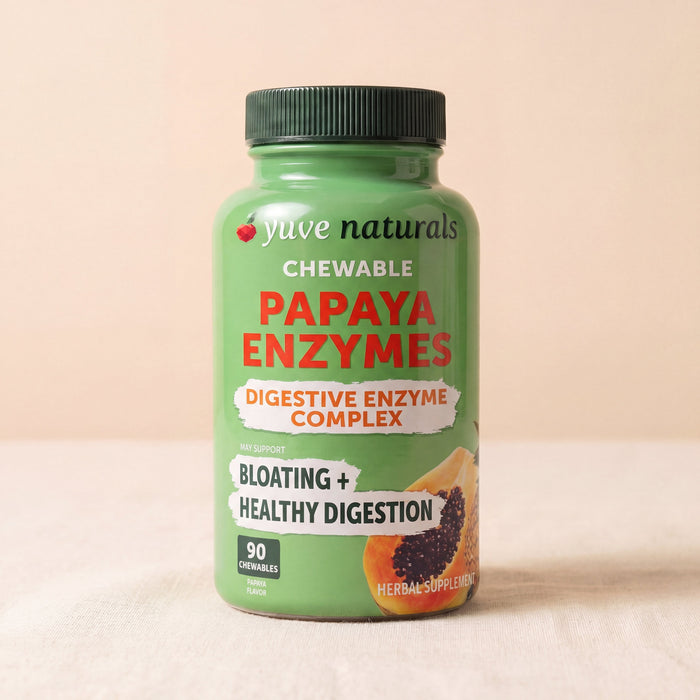
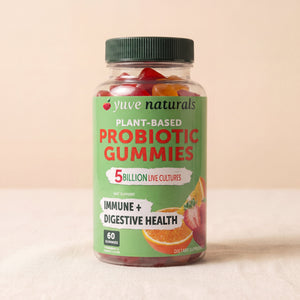
Disclosure: Yuve publishes this article and sells the product linked below. That relationship does not change the evaluation criteria or establish a disease-treatment benefit. Yuve Vegan Probiotic Gummies currently list Bacillus coagulans, 5 billion CFU per two-gummy serving at time of manufacture, a citrus-pectin base, and 3 grams of sugar alcohol. The page does not display a strain code, so research on a named B. coagulans strain should not be transferred automatically to this formula. Best for a vegan, room-temperature gummy routine: Yuve may fit adults who value pectin instead of gelatin and accept the label’s species-level identification and CFU-at-manufacture limitation. Best for research matching: choose a strain-coded product tied to the exact human outcome being evaluated. The broader Yuve digestion collection provides category context. Neither the product page nor gummy format proves that the formula repairs intestinal permeability.
What safety checks matter before starting a probiotic?
Healthy adults commonly report temporary gas, bloating, or stool changes after starting a probiotic, but safety evidence is less complete for higher-risk groups. The National Center for Complementary and Integrative Health notes that serious infections have occurred rarely and that risk is greater in people with severe illness or compromised immune function (NCCIH). Ask a qualified clinician before using live microorganisms during serious illness, immune-suppressing treatment, intensive medical care, pregnancy with complications, or after major gastrointestinal surgery. Check allergens, storage conditions, expiration date, serving size, and added fibers or sugar alcohols. Introduce one product at a time and track a defined outcome such as stool frequency, abdominal comfort, or tolerance for two to four weeks unless symptoms require earlier review. Fever, blood or black stool, persistent vomiting, dehydration, severe pain, progressive weight loss, or nighttime symptoms warrants medical assessment rather than a higher probiotic dose.
What are common questions about probiotics and “leaky gut”?
Is “leaky gut syndrome” a medical diagnosis?
Increased intestinal permeability is a measurable research concept, but “leaky gut syndrome” is not one standardized diagnosis that explains every symptom. A clinician should evaluate persistent digestive or systemic symptoms for established causes.
Is a higher CFU count always better?
No. NIH guidance states that higher CFU counts do not necessarily produce greater benefit; strain identity, dose, viability, and the studied outcome matter together.
Are multi-strain probiotics better than single-strain products?
Not automatically. A multi-strain formula is most persuasive when the exact combination and dose have been tested for the intended outcome rather than assembled for a larger label number.
How long should I try a probiotic?
Use the duration supported by the relevant study or product directions and track one defined outcome. Stop earlier and seek advice if symptoms worsen substantially or a safety concern appears.
Can prebiotic fiber support the intestinal barrier?
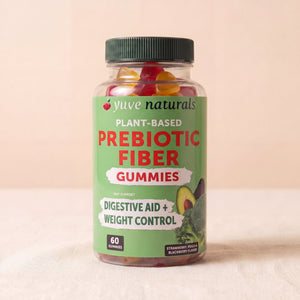
Fermentable fibers can support production of short-chain fatty acids, but tolerance and evidence depend on the fiber, dose, and person. Increase fiber gradually when appropriate and consider food sources before concentrated supplements.
Can a probiotic replace medical care?
No. A dietary supplement cannot rule out celiac disease, inflammatory bowel disease, infection, medication effects, or another cause of persistent symptoms, and it should not delay appropriate evaluation.
What is the bottom line on probiotics for gut-barrier support?

No single probiotic is the proven best supplement for “leaky gut.” Human meta-analyses suggest that selected probiotic or synbiotic formulas can change some intestinal-permeability markers, but study heterogeneity prevents a universal product ranking. Choose full organism and strain identification, CFU through expiration when available, transparent dosing, appropriate storage, tolerable inactive ingredients, and relevant human evidence that matches the intended outcome. Yuve Vegan Probiotic Gummies offer a vegan, spore-forming gummy format with 5 billion CFU per serving at manufacture, but the current label’s species-level identity limits direct strain-to-study matching. A strain-coded capsule may fit evidence matching better; a simple gummy may fit adherence better. Persistent symptoms, warning signs, or suspected intestinal disease require clinical assessment. The best decision combines a realistic goal, a transparent label, and a time-limited trial rather than a cure claim.