You're juggling work, family, interrupted sleep, and another stubborn cold, so the supplement aisle starts to look like a promise: vitamin C for immediate defense, zinc for recovery, probiotics for your gut, and vitamin D for everything else. But immune support supplements for women work best when they answer a specific need, not when they become a random pile of capsules.
This guide will help you connect immune nutrition to life stage, hormonal changes, gut health, label quality, and everyday habits. We'll also build a practical four-week routine that leaves room for imperfect sleep, busy mornings, and the occasional dinner that comes from a box.
When Being Tired All the Time Stops Feeling Normal
You wake up tired, rush through breakfast, answer messages before your feet hit the floor, and spend the afternoon willing your brain to cooperate. Then the familiar scratchy throat appears. You've already been sick more than once recently, and you start wondering whether constant fatigue is part of being a woman with too much on her plate.
It may be time to ask better questions. Fatigue can have many possible causes, including sleep disruption, stress, dietary gaps, heavy menstrual bleeding, illness, or a health condition. A supplement may support a documented nutritional need, but it can't compensate for chronic sleep loss or replace medical evaluation.
I like to think of immune health as a daily partnership. Food supplies the raw materials. Sleep gives the body time to regulate and repair. Movement supports general health, while stress care helps keep your routine sustainable. Supplements can fill a gap when the gap is real.
A useful mindset: Don't ask, “What can I take to boost my immune system?” Ask, “What does my body need, and what evidence supports that choice?”
If fatigue is affecting your day, start with a clinician rather than assuming you need more stimulants or a larger supplement stack. For broader, non-supplement approaches to persistent tiredness, this guide to evidence-backed energy solutions offers another place to explore practical support.
The rest of this guide focuses on four useful questions:
- Does your life stage change the nutrient decision?
- Could your gut be part of the immune-support conversation?
- Can you judge a supplement label without falling for marketing language?
- What simple four-week routine could you repeat?
Think of this as a coffee conversation with a science-savvy friend who refuses to oversell one magic pill.
Why Women's Immune Needs Are Different
Women's immune systems don't operate in a hormonal vacuum. Estrogen and progesterone can influence inflammatory signaling, antibody activity, and the gut barrier, so the body's “immune weather” changes across the menstrual cycle and over the life span.
During the menstrual years, hormone shifts may affect how the immune system handles inflammation. Some women notice more fatigue, digestive changes, or recurring symptoms at particular points in the cycle. That doesn't prove a supplement is needed, but it does make tracking useful. If symptoms cluster around menstruation, nutrition questions may include iron intake and menstrual blood loss, not just vitamin C or zinc.

Pregnancy and postpartum require extra care
Pregnancy creates a carefully managed immune shift that helps the body tolerate the developing fetus. Postpartum life then brings hormonal changes, disrupted sleep, physical recovery, and new exposure to germs through close contact with a baby.
Generic advice can become careless. Folate, iron, vitamin D, zinc, and other nutrients may matter, but the appropriate plan depends on prenatal care, diet, laboratory results, medications, and whether you're pregnant or breastfeeding. Don't build a high-dose immune stack without discussing it with your obstetric clinician.
Perimenopause changes the context again
Perimenopause and menopause can bring changing estrogen levels, sleep disruption, hot flashes, mood changes, and shifts in body composition. Those changes can alter how you experience inflammation and recovery, but they don't automatically point to a particular supplement.
The practical lesson is simple: life stage changes the question. A woman with heavy periods may need an iron conversation. Someone planning pregnancy needs a prenatal conversation. Someone in menopause may need to review vitamin D, nutrition, sleep, and metabolic health with a clinician. Generic immune advice falls flat because it treats every woman as if she has the same nutritional demands.
The Core Nutrients That Actually Move the Needle
The immune system needs adequate vitamins and minerals to function properly. The NIH Office of Dietary Supplements lists vitamins A, C, D, and E, along with selenium and zinc, among nutrients important for immune function, while also warning that deficiencies can weaken immunity. That doesn't mean taking high doses of everything. It means correcting a meaningful gap.
Vitamin D has one of the clearest rationales in this category. Its active form helps support protective innate immune responses while also moderating overly aggressive adaptive immune activity, so the mechanism is closer to immune regulation than a simple “boost.” A 2023 global meta-analysis found that 47.9% of people worldwide had serum 25-hydroxyvitamin D below 50 nmol/L, while 17.8% of females were below 30 nmol/L compared with 13.6% of males (global vitamin D meta-analysis). A maintenance range often discussed in the supplied review is 800 to 2,000 IU daily, but testing and clinician guidance matter, especially during pregnancy, kidney disease, or conditions affecting calcium.
Zinc supports normal immune function and is especially relevant when dietary intake is limited. The NIH gives an adult RDA of 8 to 12 mg per day, with an adult upper limit of 40 mg per day (NIH immune function fact sheet). Don't treat the upper limit as a target. Long-term excessive intake can create problems, and pregnancy, breastfeeding, medications, and autoimmune conditions deserve individualized advice.
Vitamin C supports antioxidant defenses and remains easy to obtain from foods such as citrus, berries, bell peppers, broccoli, and tomatoes. The safest practical approach is food first, then supplementation when intake is low or a clinician identifies a reason. More is not automatically better, and expert guidance notes that vitamin C supplements are unnecessary for many people.
Probiotics belong in their own category because the evidence depends on the strain, dose, and intended outcome. A review supplied for this guide discusses daily Lactobacillus and Bifidobacterium species during higher-risk seasons, while UCLA guidance describes probiotic products in the 1 to 10 billion CFU range (UCLA nutrition guidance). Those ranges shouldn't be treated as universal prescriptions.
| Nutrient | Key function | Daily dosage | Best form | Most relevant life stage |
|---|---|---|---|---|
| Vitamin D | Immune regulation and nutritional support | 800 to 2,000 IU discussed for maintenance | A form chosen with clinician guidance and testing | Indoor lifestyles, pregnancy, perimenopause |
| Zinc | Normal immune function | Adult RDA 8 to 12 mg | A clearly labeled zinc form | Menstrual years, pregnancy, restricted diets |
| Vitamin C | Antioxidant support | Meet needs through food first | Food sources or a transparent supplement | Any stage with low produce intake |
| Probiotics | Strain-specific gut and immune modulation | Product-specific CFU count | Named strains with expiration-date potency | Digestive concerns, stress, or targeted goals |
Vitamin B12 is a different conversation from general immune support. If fatigue raises questions about B12, a clinician can determine whether dietary intake, absorption, or another cause deserves attention. A resource on B12 injection benefits may help you understand why injections are discussed, but it shouldn't replace an assessment.
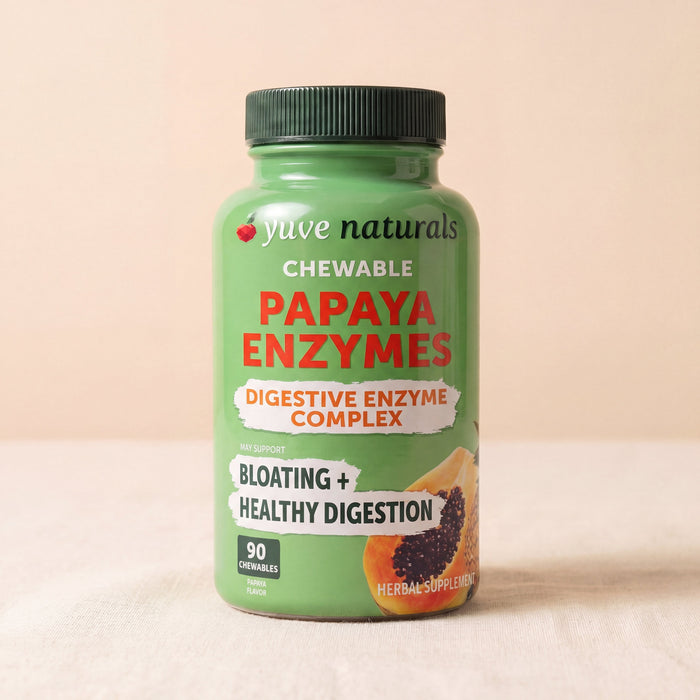
For a women-focused overview of immune ingredients, see Yuve's immunity-boosting supplements.
The Gut-Immune Connection Most Women Overlook
Your gut isn't just a digestion tube. It's an active meeting place where food compounds, microbes, intestinal cells, and immune signals interact. Hormonal changes, stress, illness, and antibiotic exposure can all affect digestive comfort and microbial balance, which helps explain why a woman may notice bloating or altered bowel habits alongside periods of feeling run-down.
The word “probiotic” also hides important differences.
- Live probiotics are specific microorganisms, such as named Lactobacillus strains or Saccharomyces boulardii. Their effects aren't interchangeable.
- Prebiotic fibers feed certain microbes, but adding them quickly can cause gas or bloating, especially for people with sensitive digestion.
- Postbiotics are nonliving microbial products or components that may influence host biology. They aren't the same thing as live cultures.
A randomized, double-blind, placebo-controlled study in generally healthy women found that Lactiplantibacillus plantarum Probio87 increased expression of more immunity-related genes, with effects associated mainly with natural killer cell activity and anti-inflammatory IL-10 signaling (strain-specific women's probiotic study). A separate pilot study involving VSL#3 found reduced circulating Th17 cells and lower pro-inflammatory cytokine production after stimulation, without a material change in gut microbiota composition.
What does that mean at the shelf?
Strain names matter more than a giant “probiotic” headline. Look for the full strain designation, the CFU amount, the storage directions, and whether potency is guaranteed through expiration.
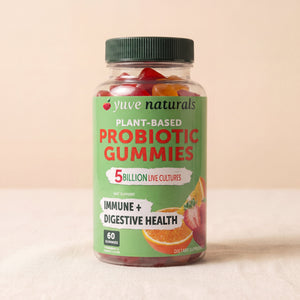
A multi-strain blend may make sense when you want broad digestive support, while a targeted single strain can be easier to evaluate when you have a defined goal. Neither format automatically wins. For a closer look at the category, explore Yuve's probiotic with immune support.
If bloating is severe, persistent, painful, or accompanied by bleeding, unexplained weight loss, fever, or nighttime symptoms, skip the supplement experiment and seek medical care.
How to Read a Supplement Label Like a Pro
A supplement label is a tiny resume. The front makes an introduction, but the back should provide the credentials. Marketing terms such as “clean,” “advanced,” or “immune defense” don't tell you whether the dose, strain, or testing is appropriate.
Use this checklist before buying:
- Look for independent testing. USP, NSF, or ConsumerLab involvement can provide information about purity or potency. A seal doesn't prove the product will solve your symptoms, but it can strengthen quality verification.
- Check the sourcing claims. Non-GMO Project Verified and USDA Organic address different standards. Don't assume one certification means the product has the other.
- Read the active ingredients completely. For probiotics, check whether CFU potency is guaranteed at expiration rather than only at manufacture. For minerals, check the elemental amount and the chemical form.
- Scan the inactive ingredients. Capsules, sweeteners, coloring agents, binders, and flow aids can matter if you have allergies, food sensitivities, or digestive triggers.
- Check allergens and dietary fit. Look for gluten, soy, dairy, shellfish, and animal-derived ingredients. “Plant-based” should be supported by clear capsule and ingredient information.
- Assess delivery claims carefully. Some forms may be designed to improve stability or absorption, but a fancy delivery system doesn't excuse an undisclosed dose or proprietary blend.

The Daily Value helps you compare products, but it isn't a personalized prescription. A product can list a large percentage while still being inappropriate for your medication list or life stage.
This matters for women comparing immune products with broader hormonal goals. A clinical discussion of supplements for PCOS and menopause can provide context, but your own symptoms and diagnosis should guide decisions.
For a reusable label-reading guide, visit how to read supplement labels.
Plant-Based vs Conventional Immune Supplements
Plant-based doesn't automatically mean more effective, and conventional doesn't automatically mean lower quality. The meaningful comparison is whether the product delivers an appropriate nutrient or strain in a form you can tolerate and take consistently.
For a vegan or vegetarian shopper, the capsule can be just as important as the active ingredient. Gelatin may come from animal collagen, while a veggie capsule can use plant-derived materials. Vitamin D3 may come from lichen or lanolin, so checking the source matters if you avoid animal-derived ingredients. Softgels can also contain excipients that don't fit your preferences, including ingredients you may be trying to avoid.
| Feature | Plant-based option | Conventional option |
|---|---|---|
| Probiotic capsule | Veggie capsule, potentially gelatin-free | Gelatin capsule may be used |
| Vitamin D3 source | Fermented lichen D3 may suit vegan preferences | Lanolin-sourced D3 is common |
| Softgel design | Carrageenan-free options are available | Carrageenan or other excipients may appear |
| Verification | Non-GMO Project or Vegan Society certification may clarify sourcing | Certification varies by manufacturer |
| Potency | Can match conventional products when dose and stability are appropriate | Can offer comparable potency |
| Trade-offs | Some specialized forms may cost more or be harder to find | Wider availability, but more animal-derived or filler ingredients may appear |
Plant-based products occasionally have fewer format choices for rare nutrient forms, and cost can be higher. That doesn't make them inferior. It means you need to compare the actual label rather than buying based on the word “vegan.”
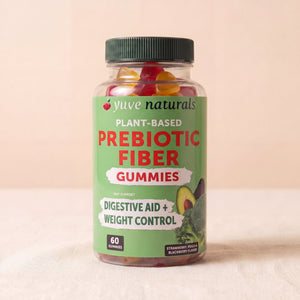
Yuve's approach centers on plant-based products described as non-GMO, gluten-free, and gelatin-free, including immune-focused supplements and probiotic products. Treat those claims as a starting point for label review, not as a substitute for checking the specific product's ingredients, dosage, and testing information.
The best choice matches both your values and the evidence. If a veggie capsule helps you stay consistent, that practical fit matters. If a conventional product provides a better-studied strain for your precise goal, it may deserve consideration too.
Your Four-Week Immune Routine That Actually Fits
A routine fails when it asks you to become a different person. This one starts small, tracks what changes, and adds only one targeted supplement at a time.

Week 1 builds the floor
Add one fermented food you tolerate, such as yogurt, kefir, kimchi, or another cultured food. Pair meals with a reliable protein source and include colorful produce where you can. Morning outdoor light can support daily rhythm, but don't treat sunlight as a guaranteed vitamin D plan, especially if you live in a northern climate, spend most days indoors, or use sun protection.
Write down your starting point. Note energy, sleep, digestion, menstrual-cycle timing, and any recurring symptoms without trying to interpret every fluctuation.
Week 2 adds one targeted choice
Choose one supplement based on your situation. A woman with confirmed low vitamin D might discuss vitamin D with her clinician. Someone focused on digestive and immune support might choose a probiotic with clearly named strains. A person with heavy periods should ask about iron testing before adding iron.
Take the product exactly as its label directs, often with food when appropriate. Don't introduce three new products at once, because you won't know which one helped or caused discomfort.
Week 3 protects sleep and stress
Create a short wind-down ritual. Ten minutes of quiet breathing, stretching, journaling, or an easy walk after dinner can be more useful than another late-night search for immune hacks. Keep your sleep and wake times reasonably consistent, even when the week gets messy.
Adherence beats intensity. A small routine you repeat teaches you more than a dramatic stack you abandon.
Week 4 reviews the evidence from your own life
Look back at your notes. Did digestion change? Did you tolerate the product? Did fatigue persist? If symptoms remain concerning, ask a clinician whether tests such as 25-hydroxyvitamin D, ferritin, or hs-CRP make sense for your situation. Those tests aren't a universal panel, and results need clinical interpretation.
At the end of the month, continue, change, or stop based on evidence and professional guidance, not pressure from a product label.
Small Daily Choices, Real Resilience
The woman who feels run-down usually doesn't need another impossible wellness routine. She needs a plan that respects her cycle, her work schedule, her digestion, her budget, and the fact that sleep can be interrupted by real life.
Women's immune needs shift with hormones, gut health, and life stage. Menstrual years may bring questions about blood loss and nutrient intake. Pregnancy and postpartum require careful coordination with medical care. Perimenopause may make sleep, inflammation, and broader midlife nutrition more important parts of the conversation.
Supplements can support that plan, but they're partners to sleep, movement, real food, stress regulation, and appropriate medical care. They aren't replacements for those foundations, and they aren't guarantees against infection.
Give your routine a longer view rather than chasing an overnight transformation. A 90-day mindset can help you judge consistency, tolerance, and meaningful patterns without expecting every symptom to disappear immediately.
You don't need perfection. You need a choice you can repeat. If a clean, plant-based formula fits your dietary values and has a transparent label, Yuve's plant-based immune line is one option to investigate. The four-week framework still works if you eventually choose another brand, no supplement at all, or a clinician-guided plan based on testing.
Yuve offers plant-based immune and gut-health supplements, including clearly labeled options designed around products such as probiotics, multivitamins, and immune-focused nutrients. Visit Yuve to review the formulas, compare ingredients with your life-stage needs, and choose a practical next step for your routine.