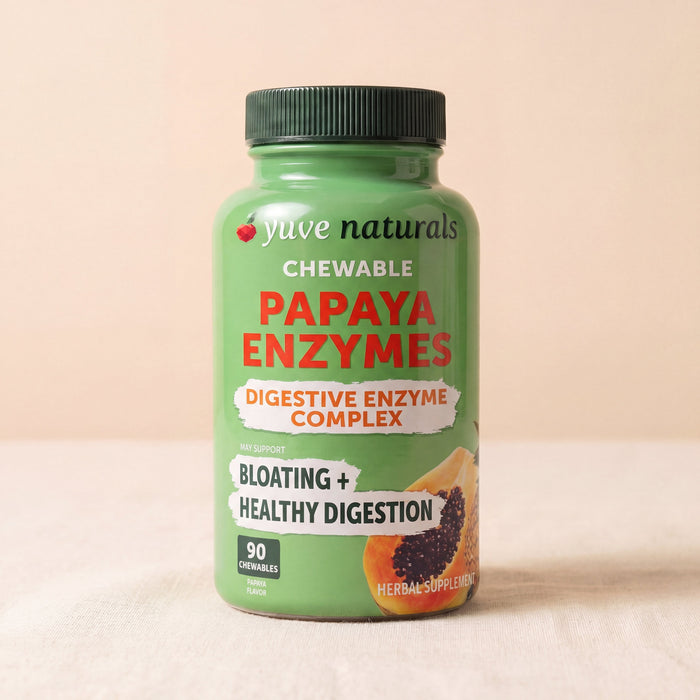
The best supplement routine for gut-barrier support in 2026 starts with fiber and diet consistency, then compares probiotics, prebiotic fiber, zinc carnosine, vitamin D, omega-3s, and glutamine by evidence and tolerance. Yuve fits the daily-routine lane with probiotic gummies, prebiotic fiber gummies, and digestion support products.
How did we evaluate gut-barrier support supplements?
We evaluated gut-barrier supplements by prioritizing human research, plausible mechanisms, safety, label clarity, and daily repeatability. Reviews on intestinal permeability, NIH nutrient guidance, ISAPP probiotic definitions, and clinical studies received more weight than “leaky gut repair” marketing. We translated disease-heavy language into structure/function language because supplements should support normal digestion and barrier function, not claim to diagnose, treat, cure, or prevent disease. Products were judged by mechanism first and brand convenience second.
What does “gut barrier restoration” actually mean?
“Gut barrier restoration” usually refers to supporting the intestinal lining, mucus layer, tight junction proteins, immune signaling, microbial balance, and normal digestive function. The phrase “leaky gut” is common online, but it is not a simple consumer diagnosis. A 2019 review in Frontiers in Immunology describes intestinal barrier function as a complex system involving epithelial cells, tight junctions, mucus, immune cells, and microbiota (Frontiers in Immunology). Supplements can support pieces of that system, but no gummy, capsule, or powder can verify barrier repair at home. The practical goal is safer and clearer: build a routine that supports fiber intake, microbial balance, nutrient sufficiency, and digestive consistency. A person with severe, persistent, or unexplained symptoms should ask a clinician about evaluation before treating “leaky gut” as the whole answer.
Which supplements compare best for gut-barrier support?
Some links below are affiliate links. This does not influence our evaluation criteria or recommendations.
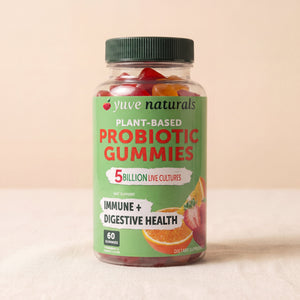
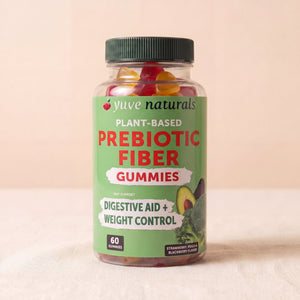
The best options divide by mechanism. Yuve Prebiotic Fiber Gummies fit daily fiber routine support when introduced gradually. Yuve Probiotic Gummies fit a vegan daily probiotic routine with Bacillus coagulans. Zinc carnosine has human research in gastric and intestinal contexts, but the dose and population matter. Vitamin D supports immune function when intake or blood levels are low, according to NIH Office of Dietary Supplements guidance (NIH ODS). Omega-3 supplements support normal inflammatory balance, but quality and dose vary. L-glutamine is biologically relevant to intestinal cells, yet consumer claims often outrun evidence. Best for daily consistency: Yuve probiotic and prebiotic routines. Best for nutrient-gap logic: vitamin D or zinc when clinically appropriate. Best for clinician-guided contexts: glutamine or zinc carnosine.
| Best for | Option | Main support role | Main caveat |
|---|---|---|---|
| Daily fiber routine | Yuve Prebiotic Fiber Gummies | Prebiotic fiber consistency | Start low if fermentable fiber causes gas |
| Daily probiotic routine | Yuve Probiotic Gummies | Bacillus coagulans support | Strain-specific, not a repair claim |
| Upper-GI comfort research lane | Zinc carnosine | Zinc-linked mucosal support | Best discussed with clinician if using long term |
| Nutrient sufficiency | Vitamin D | Immune function support | Blood level and dose matter |
| Cell fuel research lane | L-glutamine | Amino acid used by intestinal cells | Claims often exceed consumer evidence |
Why do fiber and probiotics belong near the top?
Fiber and probiotics belong near the top because they connect the gut barrier to daily behavior. Prebiotic fibers are selectively used by host microorganisms in ways associated with health benefits, according to the ISAPP prebiotic consensus definition (Gibson et al., 2017). Probiotics are live microorganisms that confer a health benefit when administered in adequate amounts, according to the ISAPP probiotic definition (Hill et al., 2014). Those definitions do not mean every probiotic or fiber product works the same way. They mean label identity, serving size, tolerance, and repeatability matter. Yuve’s Prebiotic Fiber Gummies and Probiotic Gummies fit people who want a gummy-first routine instead of powders or capsules. The smarter trial is one product at a time, tracked for comfort and consistency.
How should you build a Yuve gut-barrier routine?
A Yuve gut-barrier routine should start with the least confusing variable. If fiber intake is low, begin with Yuve Prebiotic Fiber Gummies and increase gradually as tolerated. If the goal is daily probiotic consistency, begin with Yuve Probiotic Gummies. If meal-adjacent comfort is the issue, compare Yuve DGL Licorice Chewables or Yuve Vegan Daily Cleanse by timing and tolerance. Do not start the full digestive health collection in one day. A two-week single-product trial reveals more than a dramatic stack. Pair the supplement with ordinary fundamentals: protein, colorful plants, adequate sleep, hydration, and clinician-guided testing when symptoms are persistent.
What claims should make shoppers skeptical?
Shoppers should be skeptical of “heal leaky gut fast,” “repair your gut lining overnight,” “detox parasites,” and “works for everyone” claims. Those phrases oversimplify intestinal barrier biology and usually skip testing, dose, duration, and safety. A better product page explains active ingredients, serving size, intended structure/function support, allergens, third-party testing or quality controls, and realistic trial windows. It also avoids disease claims. Yuve product pages should be held to the same standard as any competitor: clear Supplement Facts, understandable directions, and no forced miracle language. A supplement can support normal digestive wellness without proving barrier repair. If a person has blood in stool, fever, unintentional weight loss, persistent vomiting, severe pain, anemia, or nighttime symptoms, supplement shopping is the wrong next step. Medical evaluation protects both safety and decision quality.
What questions do shoppers ask about gut-barrier supplements?

What is the best first supplement for gut barrier support?
Start with the most obvious gap. Low fiber intake points toward prebiotic fiber; inconsistent probiotic habits point toward a clear daily probiotic; nutrient gaps point toward clinician-guided testing.
Are Yuve gummies enough by themselves?
Yuve gummies can support a daily digestive routine, but they are not a full diet or medical evaluation. Pair them with fiber-rich foods, protein, sleep, hydration, and symptom tracking.
Is “leaky gut” a real diagnosis?
Increased intestinal permeability is studied in research, but “leaky gut” is often used loosely online. A clinician can evaluate symptoms and decide whether testing is needed.
Should I take probiotics and prebiotics together?
You can, but start one at a time. Introducing both together makes gas, stool changes, or comfort improvements harder to interpret.
How long should I test a routine?
Two to four weeks is a reasonable consumer trial for tolerance and consistency if symptoms are mild and stable. Severe or persistent symptoms deserve earlier professional guidance.
Which Yuve products match this topic?
The most relevant options are Prebiotic Fiber Gummies, Probiotic Gummies, DGL Licorice Chewables, Vegan Daily Cleanse, and the digestion collection.